




When an Extended Warranty Makes Sense...and When it Doesn't
To determine whether an extended warranty is right for your fleet, review vehicle usage, lifecycles, and replacement policies.

Extended warranties operate much like an insurance policy, reducing a fleet’s risk exposure to unexpected catastrophic, big-ticket repairs beyond the original manufacturer’s standard warranty. But, with a cost ranging from several hundred to more than $1,000 per vehicle, when do extended warranties make good financial sense for fleets? When are they a waste of money?
New, Unproven Vehicle Technologies
Extended warranties make sense when getting into new technologies, such as hybrid, all-electric, or technology that has unknown repair costs, according to Tony Piscopo, director of fleet management services at ARI, a Mount Laurel, N.J.-based fleet management firm.
“With a more traditional fleet or a fleet that uses proven technology, you can estimate what the cost will be to maintain those vehicles, and budget accordingly,” Piscopo added. “But, with newer technologies, I would really consider an extended warranty.”
Smaller Fleets
Piscopo said most large fleets are able to “self-insure” by spreading the risk and cost of potential repairs across a larger pool of vehicles. For example, if the cost of the warranty is $500, a fleet manager could assign that money to each applicable vehicle, instead of buying the actual warranty. The more vehicles in the fleet, the more money set aside to cover repairs for individual vehicles.
“But, extended warranties make sense for smaller fleets when a fleet manager doesn’t have enough vehicle volume to bank that risk,” Piscopo said. “For example, for a fleet that has fewer than 25 units, if one vehicle blows an engine, that expense could throw the entire budget upside down. Fleet managers with more than 25 units may want to consider self-insuring, but smaller fleets may not want to take that risk.”
Mark Lange, CAFM, maintenance services specialist with GE Capital Fleet Services, agreed. “The smaller the fleet, the more likely you’ll be interested in having some type of extended warranty to avoid the risk of a major powertrain repair. With a larger fleet, it’s possible to spread the expense over a larger number of vehicles. Also, the larger fleets don’t typically keep vehicles as long. They’re probably cycling them out at 60,000-75,000 miles. So, there really isn’t going to be that same benefit as a smaller fleet, which might keep the vehicle for five years and maybe 100,000-150,000 miles.”
Lifecycle Considerations
“If you purchase/finance the vehicle and are planning to keep the vehicle longer than three years, buy the extended warranty,” said Andrew Smith, fleet specialist at 1-800-GOT-JUNK?, who advises the company’s 180 franchise owners on vehicle specification (for Isuzu NPR trucks), financing, and warranty options.
“Also, if you purchase or finance the vehicle and have a turnover policy of less than three years, purchasing an extended warranty has the potential to increase the vehicle’s resale value (depending on resell and whether the warranty is transferrable),” Smith added.
When should fleet managers decline an extended warranty? According to Smith: “If leasing a vehicle, an extended warranty is unnecessary, as vehicles are generally leased from one to three years — during which time the base warranty will likely still be in effect.”
Piscopo advised fleet managers to be realistic in relation to accurate vehicle cycling parameters. “Ask yourself, ‘What am I trying to get out of the extended warranty? Is it going to minimize my cost? Am I buying the appropriate duration and mileage required for my fleet?’ ” he said. “If you take an extended warranty and don’t use it, that money is not well spent.”
[PAGEBREAK]
Leveraging Warranty Offer
If offered an extended warranty, but it appears unnecessary for the fleet, don’t dismiss it altogether. Use it as negotiating leverage to lower the vehicle’s overall acquisition cost. “When an extended warranty is offered to a larger fleet, it’s used as an incentive,” said Lange of GE Capital Fleet Services. “Instead of getting the powertrain warranty, request to reduce the cap cost of that vehicle by whatever the cost of the plan is, because you’re not going to be able to take full advantage of that warranty.”
OEM vs. Aftermarket Warranty
When looking at the OEM versus aftermarket warranties, determining which is better depends on a number of factors. Manufacturer warranties tend to garner more confidence because they are backed by the OEM, whereas aftermarket warranties offered by third-party firms carry a comparatively greater risk of that company going out of business, failing to provide coverage.
But, as Lange with GE Capital Fleet Services pointed out, aftermarket warranties may offer a larger service network, an advantage worth considering. “A larger service network means I don’t always have to go back to the OEM dealership. With the OEM warranty, I’m being forced back to the dealership — but I’m also getting an OEM part and OEM-trained technicians,” Lange said.
Will the third-party warranty provide the expected quality parts and service? Also, will there be issues getting a particular repair covered?
“In our experience, aftermarket warranty companies do not consider buyer loyalty or future purchases in their decision to honor or deny a warranty. They are independent businesses selling extended warranties for profit. Therefore, you really must do your ‘homework’ in terms of reading the fine print and knowing a company’s reputation,” Piscopo said.
“Before considering an extended warranty, be certain you have a robust fleet maintenance program. Extended warranties will have no value unless fleet vehicles have regularly scheduled inspections and preventive maintenance, which are prerequisites to warranty coverage. In addition, fleet managers should always use reputable vendors with a knowledgeable staff to ensure effective repairs.”
The Bottom Line
Smith with 1-800-GOT-JUNK? put it in this perspective: “Regardless of whether it’s an OEM or aftermarket warranty, go through the warranty copy to carefully to see exactly what is, and what is not, covered. Review stipulations and loopholes. Look to see if there are limitations on vehicle use, or if upfitting a vehicle with a crane or body, for example, will void the warranty,” he said. “Upfitting a truck with a boom hoist or similar equipment, could have implications to the warranty. Knowing the ins-and-outs of your warranty is crucial to making those decisions.” FF
Originally posted on Automotive Fleet
More Vehicle Research
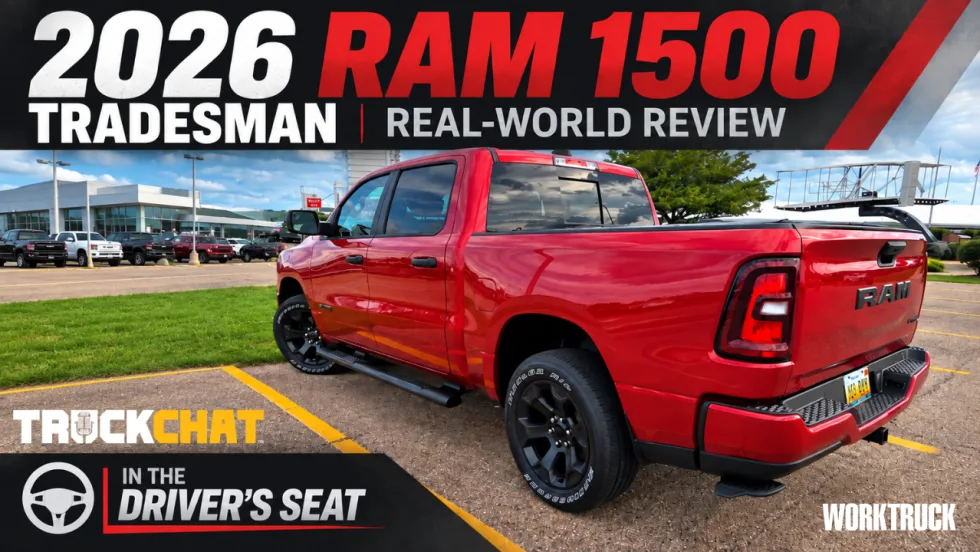
2026 Ram 1500 Tradesman Put to a Real-World Fleet Test
A few days behind the wheel of a 2026 Ram 1500 Tradesman turned into a test of visibility, parking, work-ready features, and even severe-weather driving.
Read More →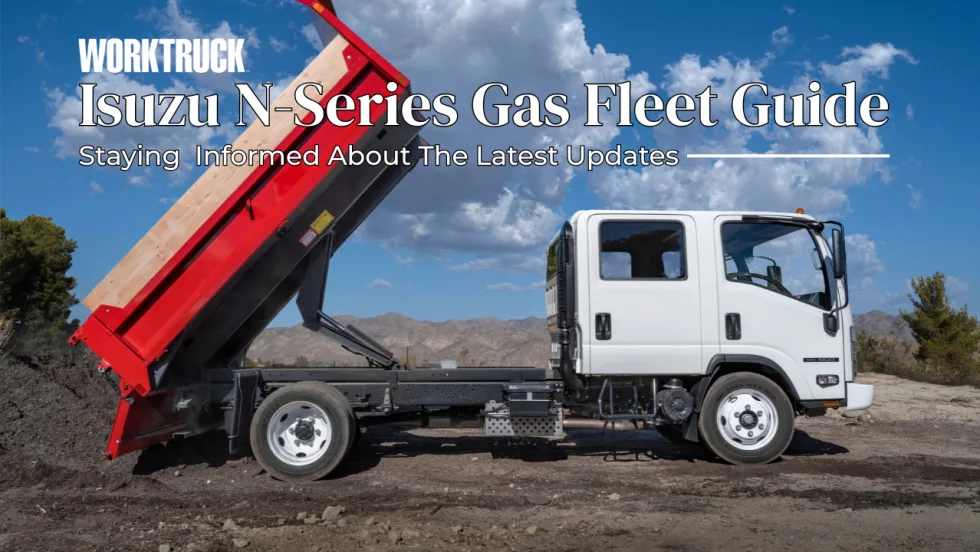
Isuzu N-Series Gas Fleet Guide: Specs, Capability and 2027 Model-Year Updates
Explore Isuzu Truck North America’s N-Series Gas fleet specs, engine performance, GVWR and payload capability, configurations, chassis dimensions, work-focused features, and 2027 model-year information.
Read More →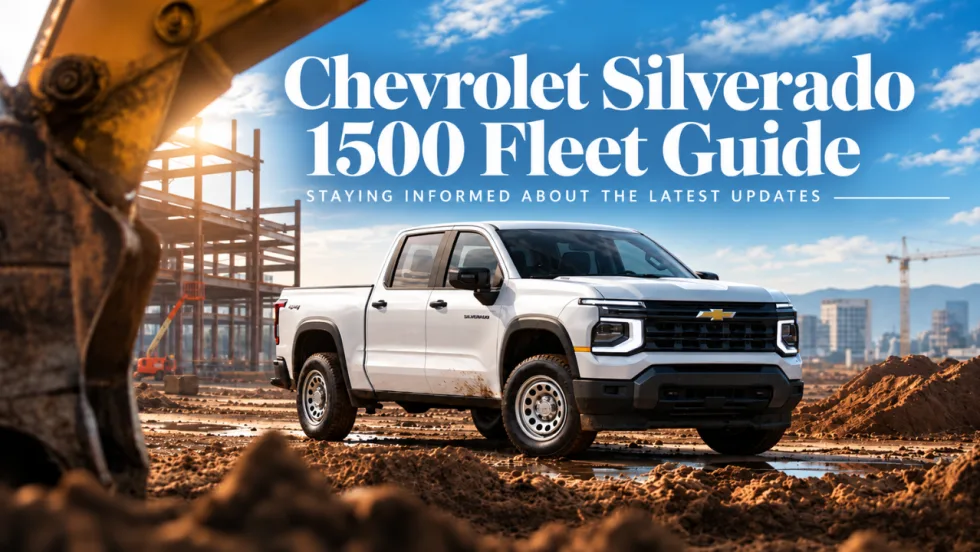
Chevrolet Silverado 1500 Fleet Guide Specs Capability and 2027 Model-Year Updates
The next-generation 2027 Chevrolet Silverado 1500 brings new V-8 engines, updated technology, expanded safety features, and a fleet-focused Work Truck. Here’s what commercial fleets need to know so far.
Read More →
Ram ProMaster City Fleet Guide Specs Cargo Capacity and 2027 Updates
Work Truck’s Ram ProMaster City Fleet Guide tracks the latest specifications, cargo capability, configurations, fleet technology, pricing, and model-year updates for Ram’s mid-size commercial van.
Read More →
Ford F-150 Fleet Guide Specs Capability and 2026 Model-Year Updates
Explore 2026 Ford F-150 fleet specs, engines, towing and payload capability, configurations, work features, technology, and model-year updates.
Read More →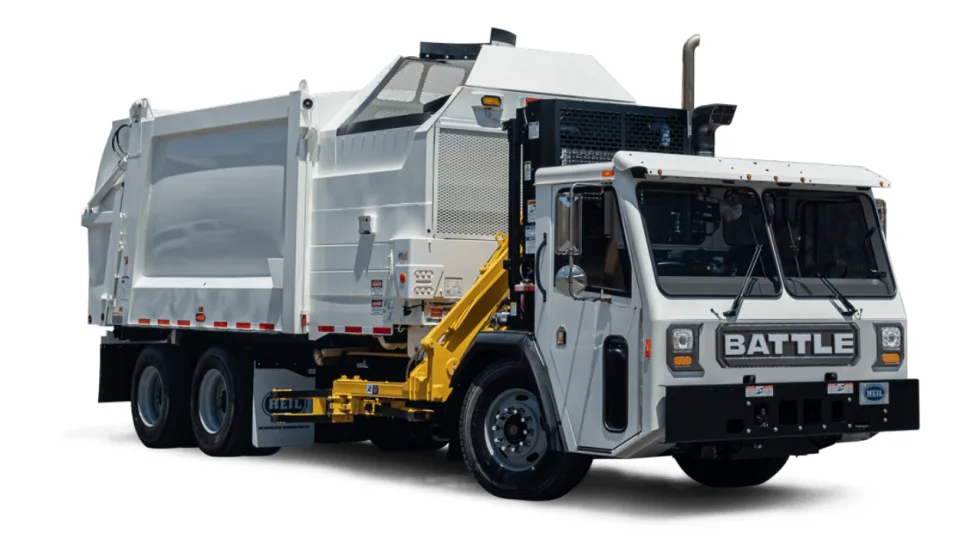
TCI Now Sells & Supports Battle Motors’ Vocational Trucks
Midwest truck dealer Truck Centers, Inc. (TCI) has expanded its transportation solutions with sales and service support for Battle Motors’ heavy-duty vocational trucks at locations in locations in Indiana, Illinois, and Missouri
Read More →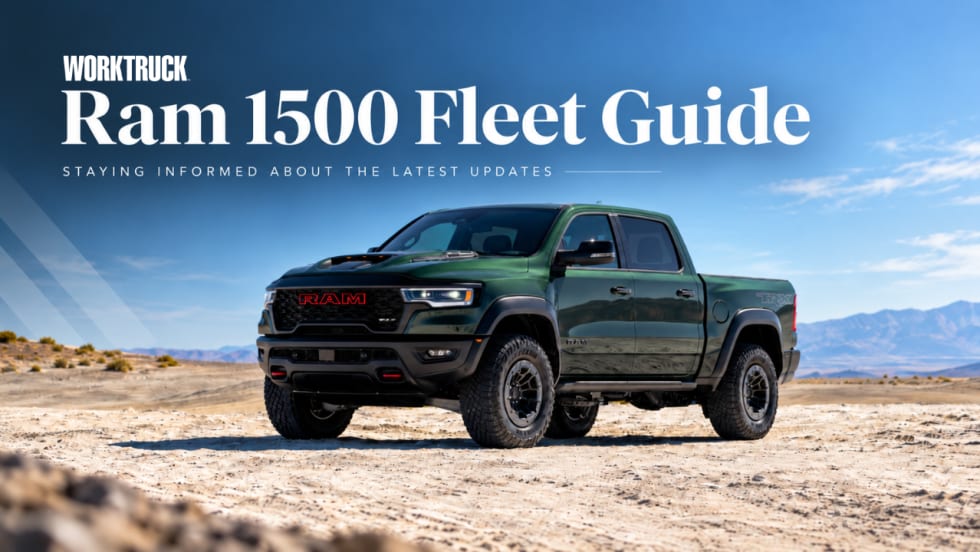
Ram 1500 Fleet Guide Specs, Capability and 2027 Model-Year Updates
Explore always up-to-date Ram 1500 fleet specs, engines, towing and payload capability, configurations, technology, pricing updates, and model-year changes.
Read More →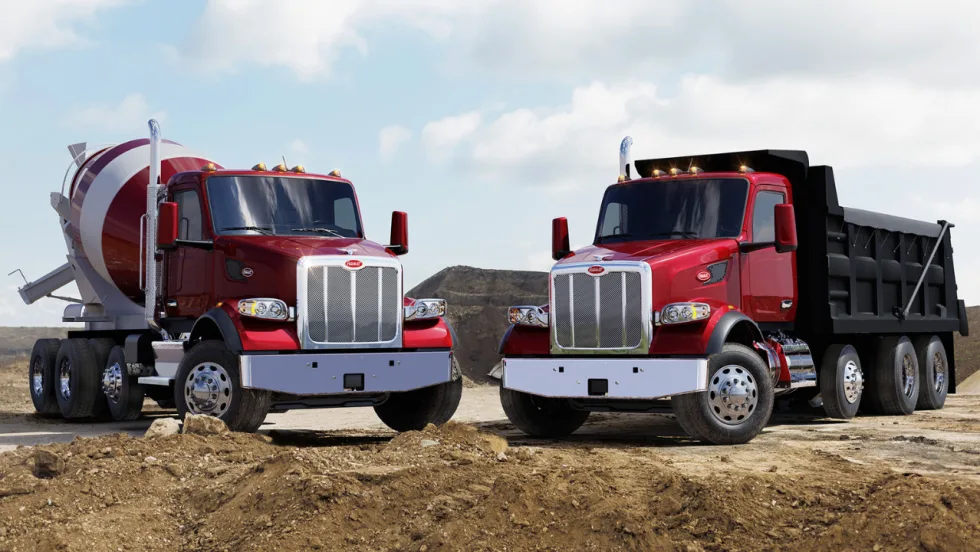
Peterbilt Trucks Equipped with Paccar TX-18 Pro Boost Efficiency for Maryland Fleet
Patuxent Companies is replacing aging trucks with the Peterbilt Model 567 and Model 589, specified with the Paccar TX-18 Pro 18-speed automated transmissions, and is reporting an 8% to 10% improvement in fuel economy.
Read More →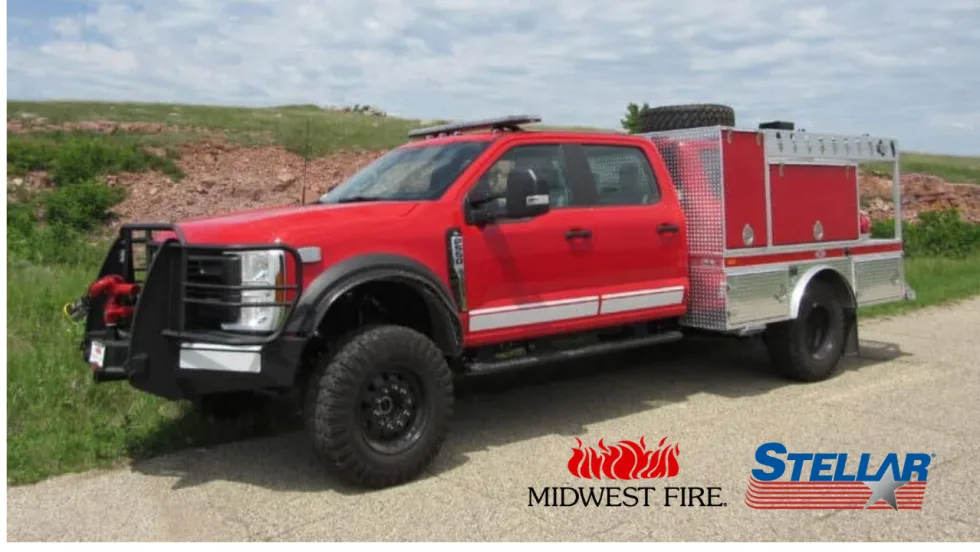
Stellar Expands into Fire Apparatus Market with Acquisition of Midwest Fire
Stellar Industries has acquired Midwest Fire, a custom fire apparatus manufacturer headquartered in Luverne, Minnesota, with nearly four decades of specialized apparatus experience.
Read More →
Recalls You Need to Know About in August 2026
If you have Altec, Chrysler, Ford, Heil, General Motors, International, Mack Trucks, Paccar, Rivian, Royal Truck, Toyota, US Truck Body, or Volvo Trucks vehicles in your fleet, you should check these important recalls issued by the National Highway Safety Administration.
Read More →