




Walk-In Vans 101: The Workhorses Vocational Fleets Shouldn't Overlook
Walk-in vans offer high-efficiency access, custom specs, and long-term value making them a smart upgrade for vocational fleets focused on uptime and ROI.
July 15, 2025

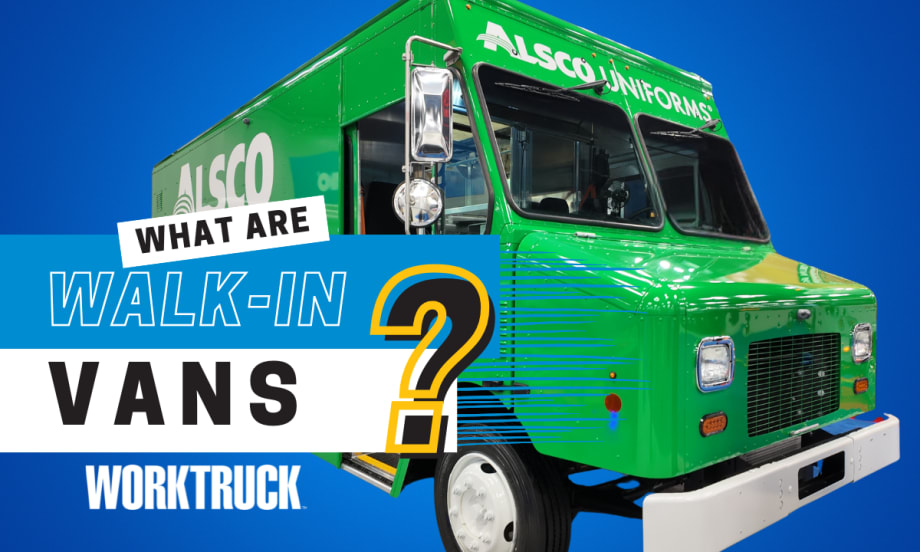
What is a walk-in van? A vocational workhorse with flexible powertrain options and unmatched upfit potential for busy fleets.
Photo: Work Truck
3 min to read
You’ve seen them in neighborhoods, business parks, and service calls: tall, boxy vehicles built for action. Known as walk-in or step vans, these unsung fleet heroes are purpose-built to tackle demanding jobs with ease. If you're managing a vocational fleet and haven't considered walk-in vans, now is the time.
Whether you're a seasoned fleet pro or just stepping into the role, here's why walk-in vans are becoming an increasingly smart choice for a range of operations.
What Is a Walk-In Van?
Walk-in vans are commercial vehicles designed for frequent stops, easy entry and exit, and serious cargo flexibility. Drivers can stand upright, move freely, and access cargo from the cab. This makes them ideal for high-stop routes and efficiency-focused fleets.
"Walk-in vans are built for productivity," said Chris Wolff, product manager for walk-in vans at Freightliner Custom Chassis Corporation (FCCC). "They offer spacious cargo areas, low step heights, and a walk-through design that supports more than 200 stops per shift."
Think of UPS or FedEx vehicles. Those are walk-in vans in action. While originally coined from a 1958 Chevrolet body style, today’s models have evolved dramatically to support modern vocational needs.
Beyond Delivery: Fleet Versatility in Action
Yes, delivery fleets love walk-in vans, but they are far from the only ones. These vehicles are increasingly common in utility work, mobile services, law enforcement, and even food trucks.
“They’re incredibly versatile,” Wolff noted. “From SWAT and emergency units to mobile command centers and refrigeration-ready builds, if your fleet needs it, a walk-in van can be spec’d for it.”
Need a rolling workshop? Outfit one with shelving, power tools, and lighting. Do you need mobile refrigeration for food or pharmaceuticals? Done. This customizability gives fleet managers serious flexibility.

Walk-in vans double as mobile billboards, making your fleet work harder for your brand.
Photo: Work Truck
Driver-Friendly Design That Boosts Productivity
Ergonomics matter, especially when your drivers are in and out of their vehicles hundreds of times a day. Walk-in vans reduce physical strain, support safer movement, and offer an intuitive layout.
“One of the biggest advantages is ease of access,” Wolff said. “Drivers can pivot from the cab, stand up straight, and walk into the cargo area without crouching or awkward climbing.”
With higher payload capacity and durable, heavy-duty commercial chassis, these vans also offer long-term reliability that lighter vehicles can’t always match.
Powertrain Options That Match Your Fleet Goals
With evolving fleet sustainability goals, powertrain flexibility is more important than ever. Freightliner’s MT chassis supports gasoline, diesel, and electric configurations.
“We offer the GM 6.6L gas, Cummins 6.7L diesel, and the MT50e all-electric with Proterra batteries,” explained Joe Snyder, dealer marketing and training manager at FCCC. “It’s about aligning powertrains with operational and environmental goals.”
Long-Term Fleet Value That Adds Up
Yes, walk-in vans can be more expensive upfront, but they pay dividends over the long term. Built for extended service life, they are a smart total-cost-of-ownership play.
“These vans are built to last 20-plus years,” Snyder said. “Lower maintenance, longer durability, and tailor-built features make them a cost-effective choice over time.”
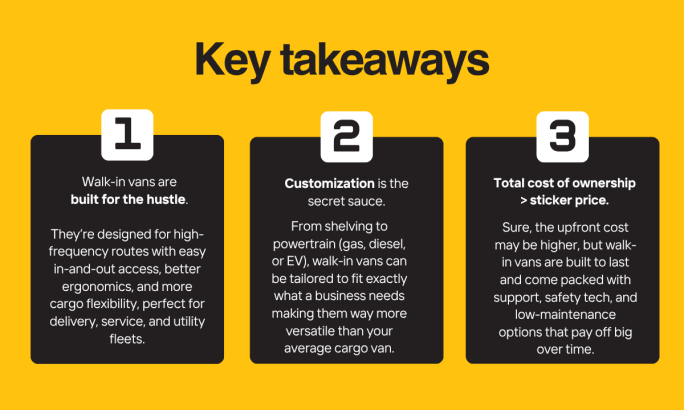
Three reasons walk-in vans are a smart fleet investment: ergonomic access, versatile builds, and lifecycle value that outweighs initial cost.
Photo: Work Truck
The Bottom Line for Vocational Fleets
Walk-in vans are not just for parcel delivery. They are adaptable, durable, and increasingly essential for fleets focused on maximizing uptime, ensuring driver safety, and achieving lifecycle ROI. As vocational fleets continue to evolve, these vehicles offer a strategic edge.
Looking to boost productivity and reduce downtime in your operation? Walk-in vans might be the upgrade your fleet cannot afford to ignore.
Want more insights on fleet-ready commercial vehicles and lifecycle strategies? Subscribe to the Work Truck newsletter for practical tools and the latest trends!
Subscribe to Our Newsletter
More Vehicle Research
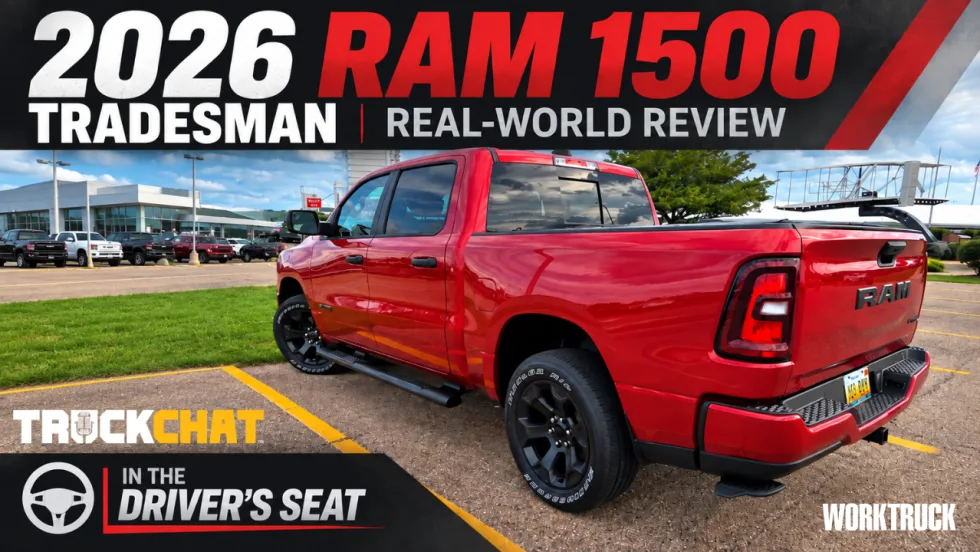
2026 Ram 1500 Tradesman Put to a Real-World Fleet Test
A few days behind the wheel of a 2026 Ram 1500 Tradesman turned into a test of visibility, parking, work-ready features, and even severe-weather driving.
Read More →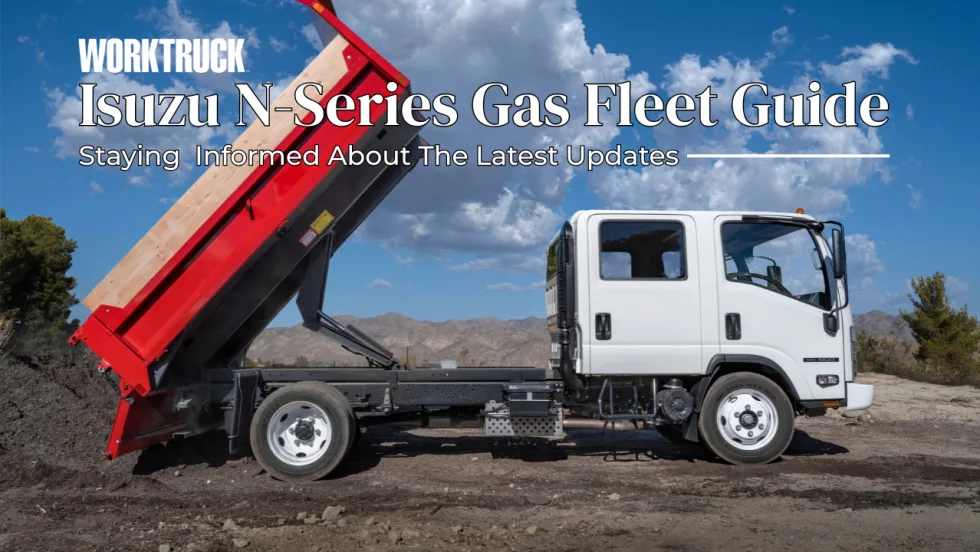
Isuzu N-Series Gas Fleet Guide: Specs, Capability and 2027 Model-Year Updates
Explore Isuzu Truck North America’s N-Series Gas fleet specs, engine performance, GVWR and payload capability, configurations, chassis dimensions, work-focused features, and 2027 model-year information.
Read More →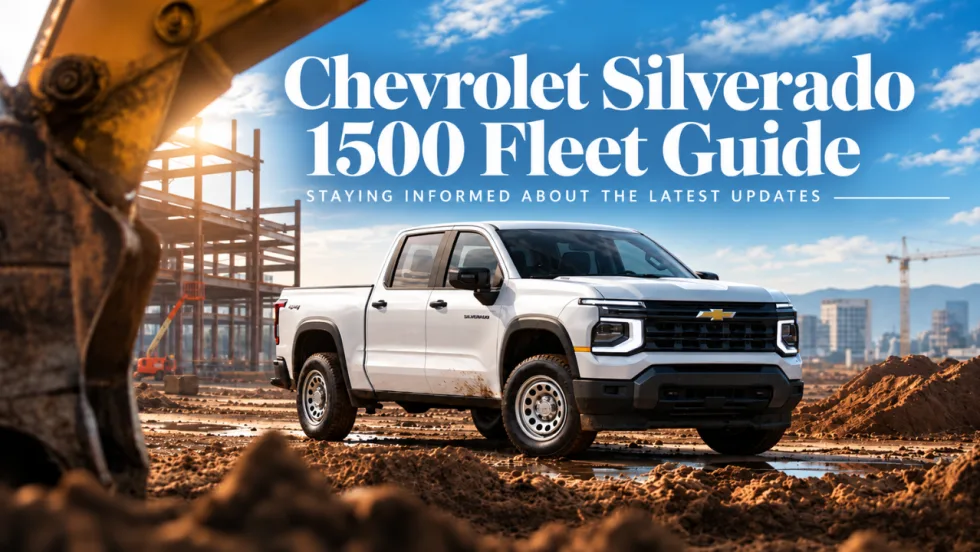
Chevrolet Silverado 1500 Fleet Guide Specs Capability and 2027 Model-Year Updates
The next-generation 2027 Chevrolet Silverado 1500 brings new V-8 engines, updated technology, expanded safety features, and a fleet-focused Work Truck. Here’s what commercial fleets need to know so far.
Read More →
Ram ProMaster City Fleet Guide Specs Cargo Capacity and 2027 Updates
Work Truck’s Ram ProMaster City Fleet Guide tracks the latest specifications, cargo capability, configurations, fleet technology, pricing, and model-year updates for Ram’s mid-size commercial van.
Read More →
Ford F-150 Fleet Guide Specs Capability and 2026 Model-Year Updates
Explore 2026 Ford F-150 fleet specs, engines, towing and payload capability, configurations, work features, technology, and model-year updates.
Read More →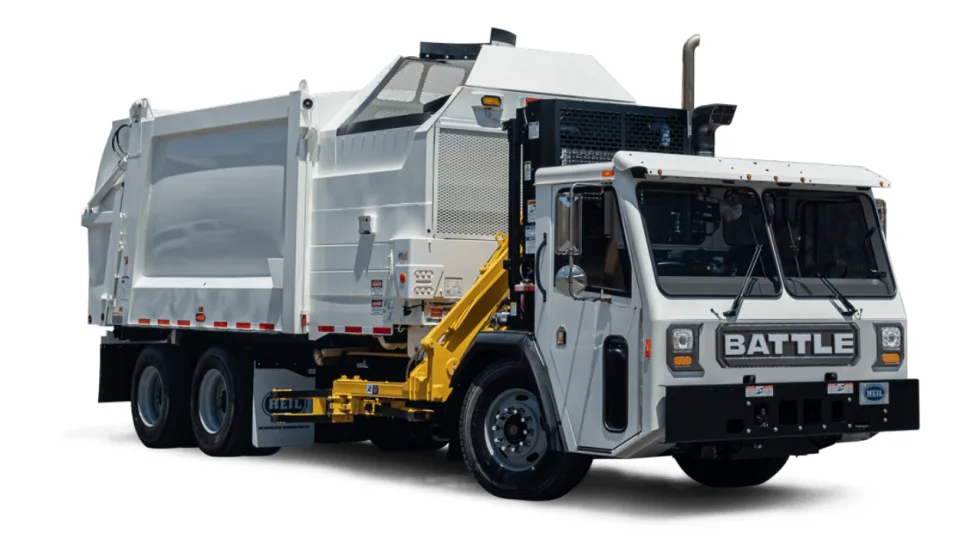
TCI Now Sells & Supports Battle Motors’ Vocational Trucks
Midwest truck dealer Truck Centers, Inc. (TCI) has expanded its transportation solutions with sales and service support for Battle Motors’ heavy-duty vocational trucks at locations in locations in Indiana, Illinois, and Missouri
Read More →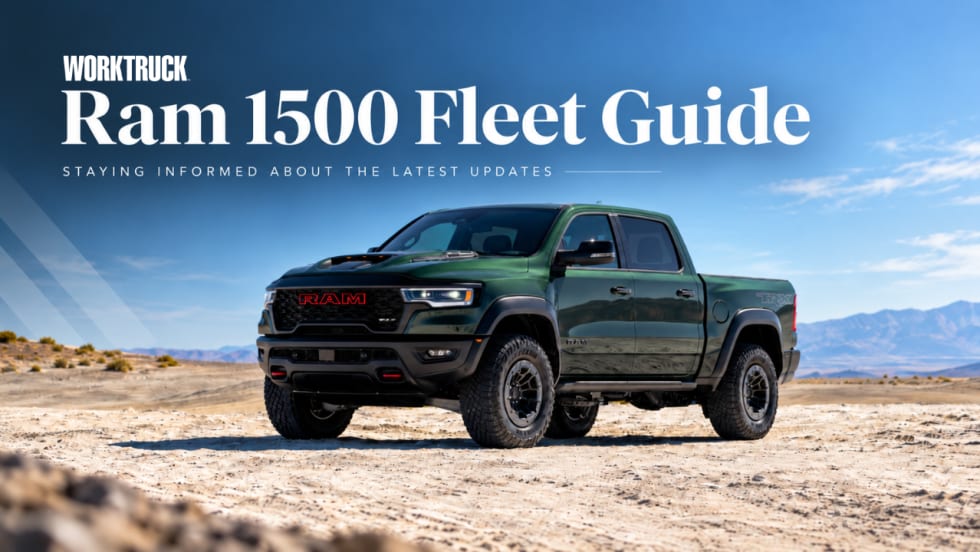
Ram 1500 Fleet Guide Specs, Capability and 2027 Model-Year Updates
Explore always up-to-date Ram 1500 fleet specs, engines, towing and payload capability, configurations, technology, pricing updates, and model-year changes.
Read More →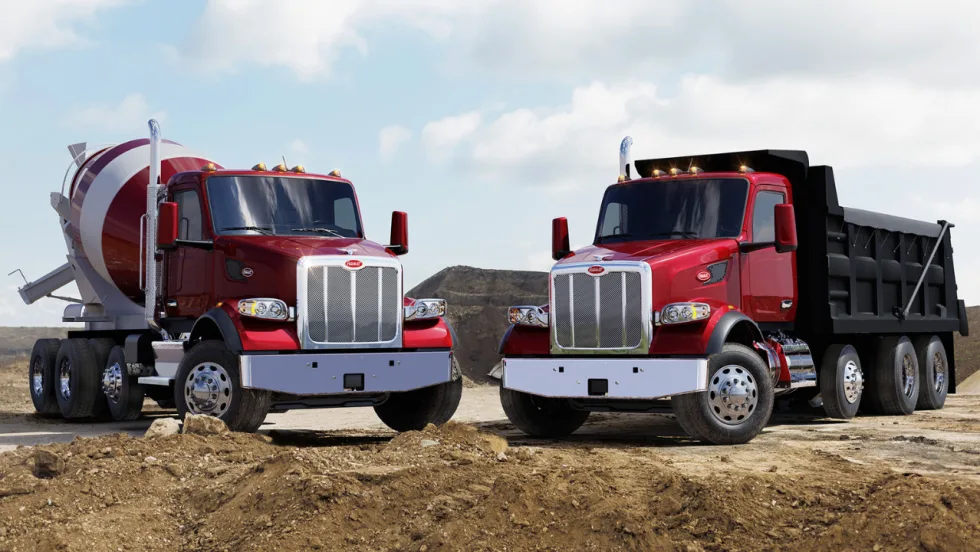
Peterbilt Trucks Equipped with Paccar TX-18 Pro Boost Efficiency for Maryland Fleet
Patuxent Companies is replacing aging trucks with the Peterbilt Model 567 and Model 589, specified with the Paccar TX-18 Pro 18-speed automated transmissions, and is reporting an 8% to 10% improvement in fuel economy.
Read More →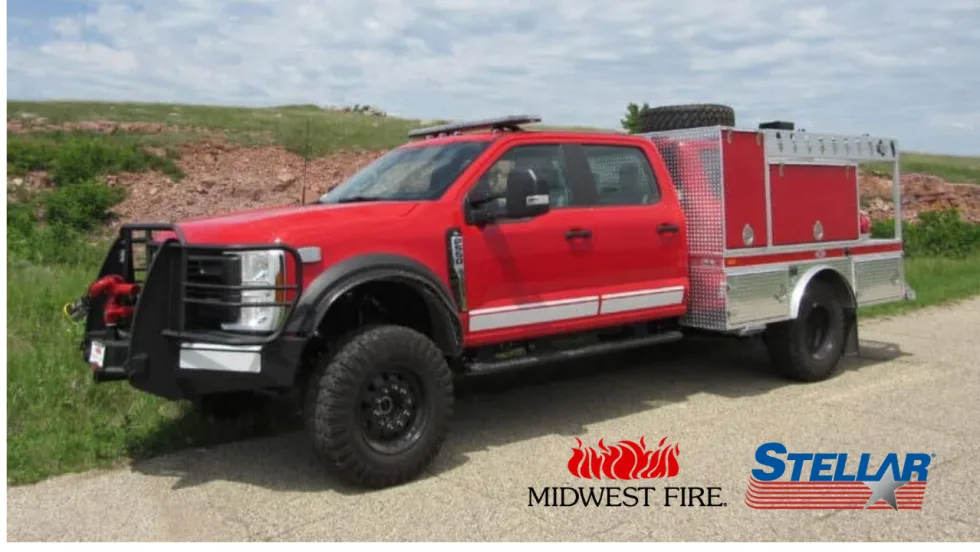
Stellar Expands into Fire Apparatus Market with Acquisition of Midwest Fire
Stellar Industries has acquired Midwest Fire, a custom fire apparatus manufacturer headquartered in Luverne, Minnesota, with nearly four decades of specialized apparatus experience.
Read More →
Recalls You Need to Know About in August 2026
If you have Altec, Chrysler, Ford, Heil, General Motors, International, Mack Trucks, Paccar, Rivian, Royal Truck, Toyota, US Truck Body, or Volvo Trucks vehicles in your fleet, you should check these important recalls issued by the National Highway Safety Administration.
Read More →