




Vehicle Trends in Last-Mile Delivery
Check out the latest trends in the last-mile delivery market, the impact of technology, and spec’ing tips to consider when purchasing a vehicle.

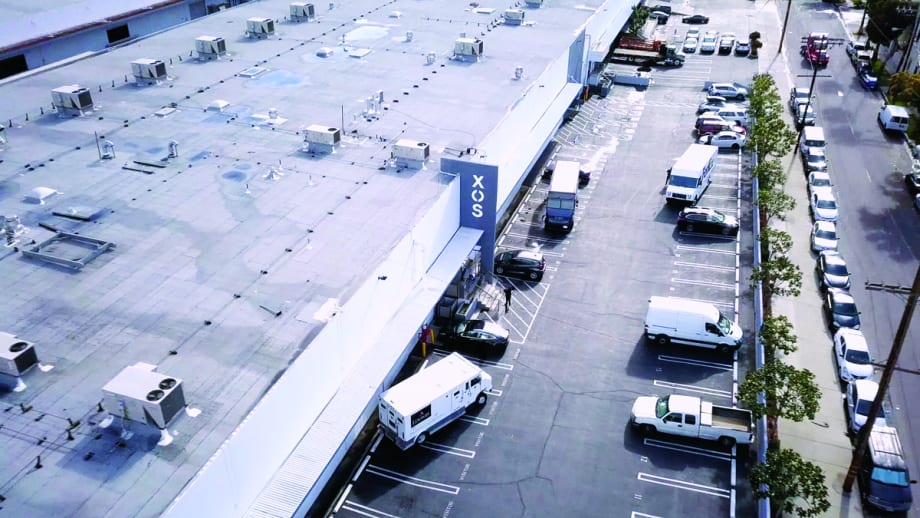
Part of the growth in the market is fleet owners and operators looking to reduce costs while maintaining efficiency in their fleet operations, according to Xos.
Photo: Xos Trucks
It can be tough to keep up with the latest in the last-mile delivery market.
From maintaining the core values of commercial vans to the rise of e-commerce, fleets are constantly adjusting to the trends in the market. Fleet companies shared the trends they are seeing, how the market is growing, and their insight when purchasing a vehicle for last-mile delivery.
Last-Mile Trends
Trends in the last-mile market are ever-changing in the sector, and companies have noticed several shifts.
The focus on the last-mile market started before the COVID-19 pandemic, according to Daryl Adams, president and CEO of Shyft Group.
“We don’t anticipate a decrease in demand anytime soon,” Adams said. “Coupled with the eventual easing of supply chain woes and general uptick in online shopping adoption, the need for two-day, same-day, and instant deliveries will only increase, especially since consumers are willing to pay a premium for same-day or instant delivery.”
The Shyft Group is a design company that offers networked brands and products that provide vehicle, upfit, assembly, and distribution solutions.
The core of commercial vans have not gone away either, according to Dave Sowers, head of Ram Commercial Marketing.
“From a trends perspective, commercial customers still value the core aspects of commercial vans in terms of capability to haul cargo, efficiency in low cost of ownership, and reliability,” Sowers said.
However, safety and solutions cannot be lost in the last-mile delivery market.
“More last-mile fleets are looking for advanced safety features and customized solutions to meet their last-mile needs,” Sowers said.
Freightliner has noticed another side to vehicles in last-mile delivery, according to a company spokesperson.
“With the rapid rise in e-commerce, the walk-in van (WIV) market has grown rapidly,” a Freightliner spokesperson said. “This significant increase in cargo volume has made the walk-in van the vehicle of choice. The higher cubic cargo capacity, along with the ergonomics of the WIV, especially when trucks are making 200-plus stops per day, greatly assist with last-mile deliveries.”
The e-commerce industry trend has resulted in Daimler Truck, Daimler Truck NA, Thomas Built Bus, Freightliner, and FCCC to invest in the development of battery electric vehicles.
Giordano Sordoni, COO/co-founder of Xos, Inc., recognizes the electrification trend in the last-mile market.
“Fleet businesses are opting for electric vehicles for multiple reasons, such as the potential for reduced maintenance costs and superior power conservation in stop-and-go traffic compared to internal combustion engine vehicles,” Sordoni said.
Xos designs and develops electric battery mobility systems for commercial fleets. The company focuses on medium- and heavy-duty commercial vehicles that travel on last-mile routes.
Growth in Last-Mile
While some may have expected the last-mile sector to slow down since the COVID-19 pandemic, the market has only grown over the last two years, according to Adams of The Shyft Group.
Adams said many commercial vehicles today have advanced camera technology to keep up with the growing demands in the market.
“Fleet managers are, rightfully so, prioritizing driver safety, given they’re asking team members to work longer hours to meet increasing delivery demand,” Adams said. “The goals of any business or fleet manager in the last-mile space are to make deliveries safer, more efficient, and more sustainable. These goals, paired with increasing societal and legislative pressure to replace aging fleets with more fuel-efficient options, have set a high bar for delivery vehicle manufacturers and upfitters.”
In addition to safety, Freightliner has seen growth in advanced powertrains.
“Home delivery over the past three years has boomed, resulting in more last-mile delivery vehicles on the road than ever before,” a Freightliner spokesperson said. “More packages equals more trucks. More trucks equals more opportunities for accidents. Thus, it has never been more important to have safety features on walk-in vans than now.”
Freightliner mentioned 360-degree cameras, back-up cameras, and proximity sensors all play an important role in alerting the driver of their surroundings.
Part of the growth in the market is fleet owners and operators looking to reduce costs while maintaining efficiency in their fleet operations, according to Sordoni of Xos.
“As more jurisdictions increase their focus on environmental regulations and policy, the question is not if fleets will go electric, but when. Durability, reliability, and total cost of ownership (TCO) are all critical considerations for fleet businesses during the vehicle purchasing process.”
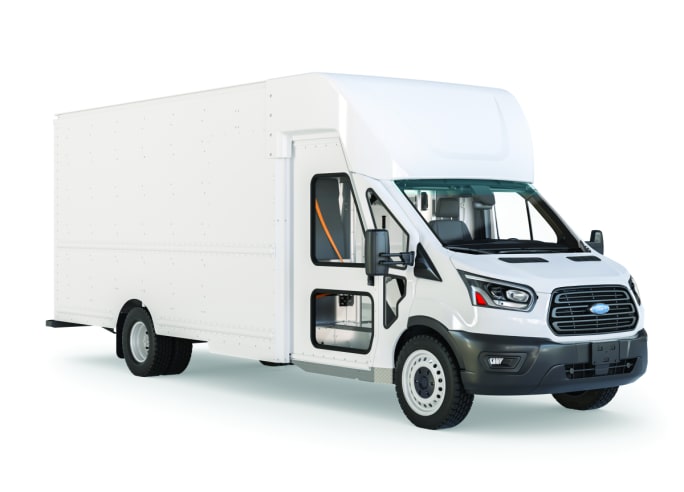
The Shyft Group’s Utilimaster R2 is is available in a 12-foot body with 610 cubic feet of storage and 2,500 pounds of payload.
Photo: The Shyft Group
Spec’ing Tips When Purchasing Vehicle for Last Mile
There can be a lot to consider when purchasing a vehicle for last-mile delivery.
Freightliner offered three spec’ing tips for all fleets to follow:
Optimize your vehicle size for the expected service routes to minimize the number of vehicles needed in the fleet.
Look at the overall “real cost of ownership” over the useful fleet life of the vehicle, as purchase price does not equate to operating cost.
Invest extra money on premium brakes.
“Brakes are one of the highest maintenance costs of a last-mile-delivery P&D fleet,” a Freightliner spokesperson said. “Last-mile delivery places a high demand on brakes, so investing in premium brakes is almost always worth it.”
Sowers of Ram said to look at features that improve overall safety, uptime, and total cost of ownership for a last-mile fleet.
“The cost of acquisition vs. larger trucks (Class 5 and 6) with less safety features should also be considered,” said Sowers.
Sowers also said to consider using a Class 2 vehicle.
Ultimately, fleets are looking for efficient, productive, and cost-effective vehicles that will handle up to 200 stops (or more) per day, according to Freightliner.
“Beyond that, they want vehicles with high quality that are reliable, backed by a robust service network, and integrate easily into their existing fleets,” according to Freightliner.
Adams of Shyft said fleet managers need to think about their driver’s safety and comfort because they are their biggest asset.
He highlighted how important route efficiency is and recommended fleets ensure the correct vehicle is being utilized for the correct route.
“I would also suggest a plan that maximizes road-worthiness once their vehicles are deployed with well thought out service and aftermarket resources ready to deploy quickly should the need arise,” Adams concluded.
More Vehicle Research
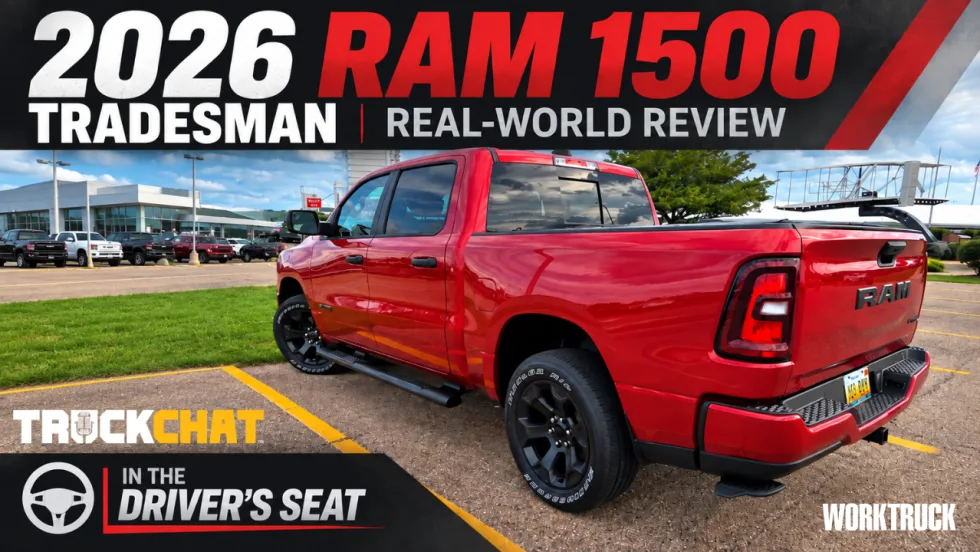
2026 Ram 1500 Tradesman Put to a Real-World Fleet Test
A few days behind the wheel of a 2026 Ram 1500 Tradesman turned into a test of visibility, parking, work-ready features, and even severe-weather driving.
Read More →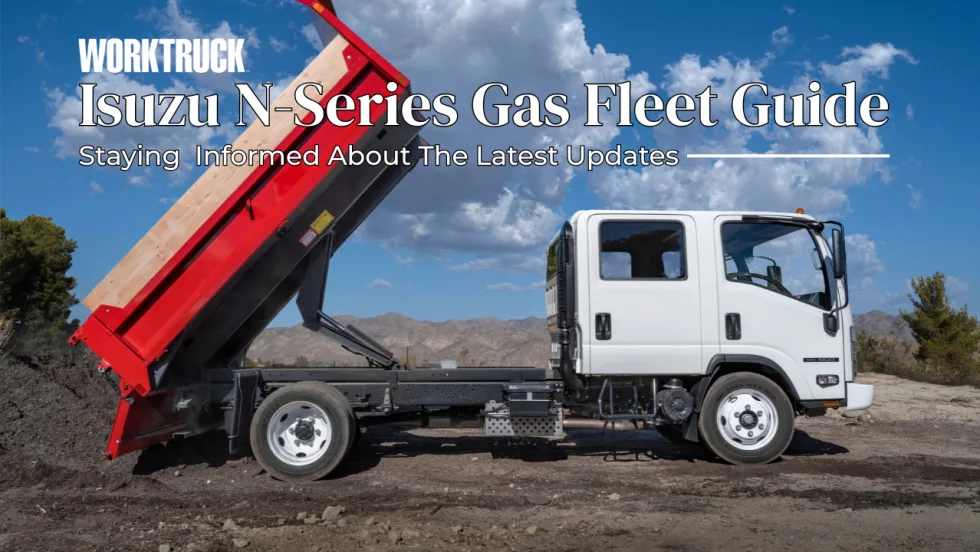
Isuzu N-Series Gas Fleet Guide: Specs, Capability and 2027 Model-Year Updates
Explore Isuzu Truck North America’s N-Series Gas fleet specs, engine performance, GVWR and payload capability, configurations, chassis dimensions, work-focused features, and 2027 model-year information.
Read More →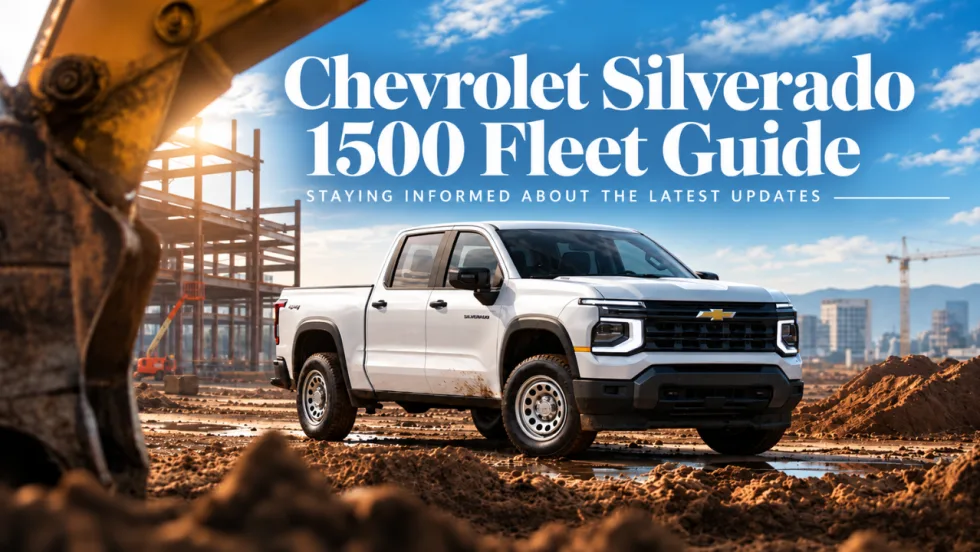
Chevrolet Silverado 1500 Fleet Guide Specs Capability and 2027 Model-Year Updates
The next-generation 2027 Chevrolet Silverado 1500 brings new V-8 engines, updated technology, expanded safety features, and a fleet-focused Work Truck. Here’s what commercial fleets need to know so far.
Read More →
Ram ProMaster City Fleet Guide Specs Cargo Capacity and 2027 Updates
Work Truck’s Ram ProMaster City Fleet Guide tracks the latest specifications, cargo capability, configurations, fleet technology, pricing, and model-year updates for Ram’s mid-size commercial van.
Read More →
Ford F-150 Fleet Guide Specs Capability and 2026 Model-Year Updates
Explore 2026 Ford F-150 fleet specs, engines, towing and payload capability, configurations, work features, technology, and model-year updates.
Read More →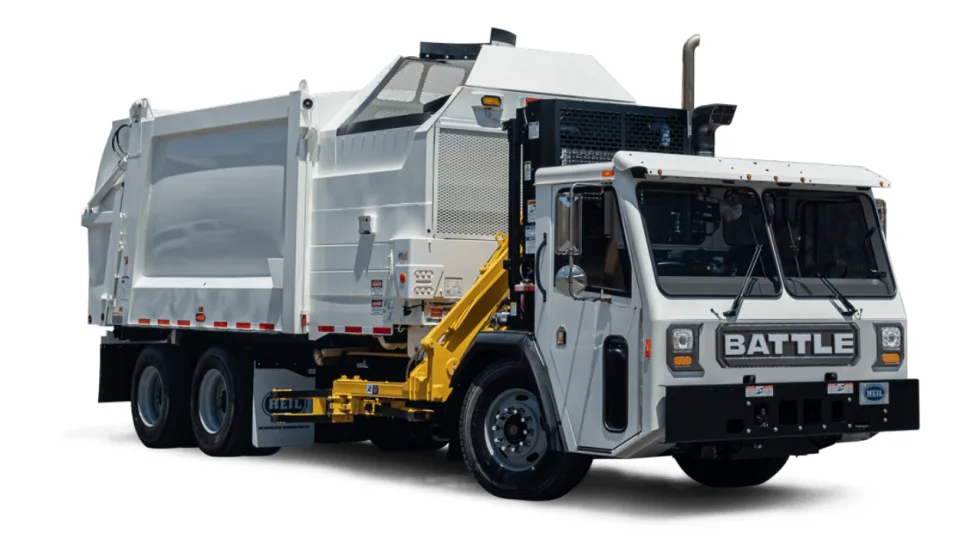
TCI Now Sells & Supports Battle Motors’ Vocational Trucks
Midwest truck dealer Truck Centers, Inc. (TCI) has expanded its transportation solutions with sales and service support for Battle Motors’ heavy-duty vocational trucks at locations in locations in Indiana, Illinois, and Missouri
Read More →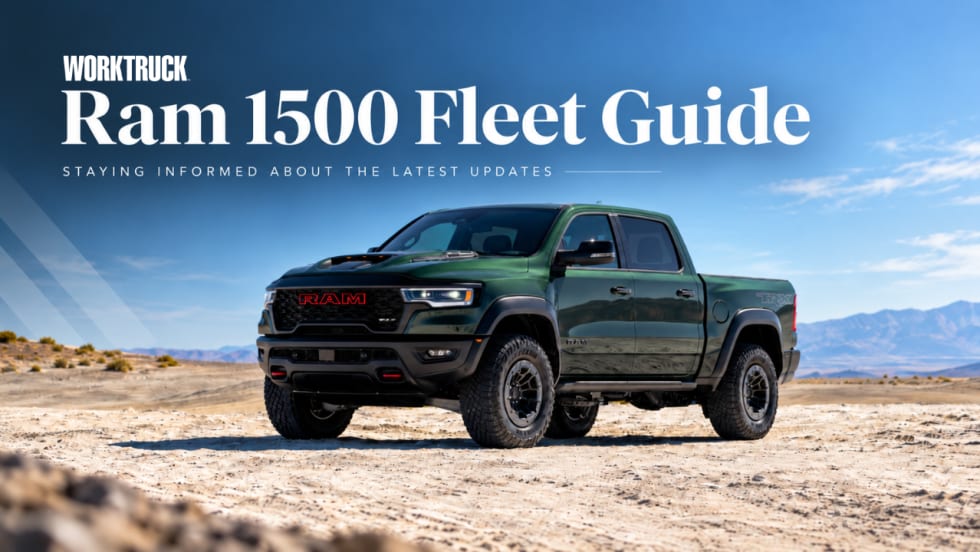
Ram 1500 Fleet Guide Specs, Capability and 2027 Model-Year Updates
Explore always up-to-date Ram 1500 fleet specs, engines, towing and payload capability, configurations, technology, pricing updates, and model-year changes.
Read More →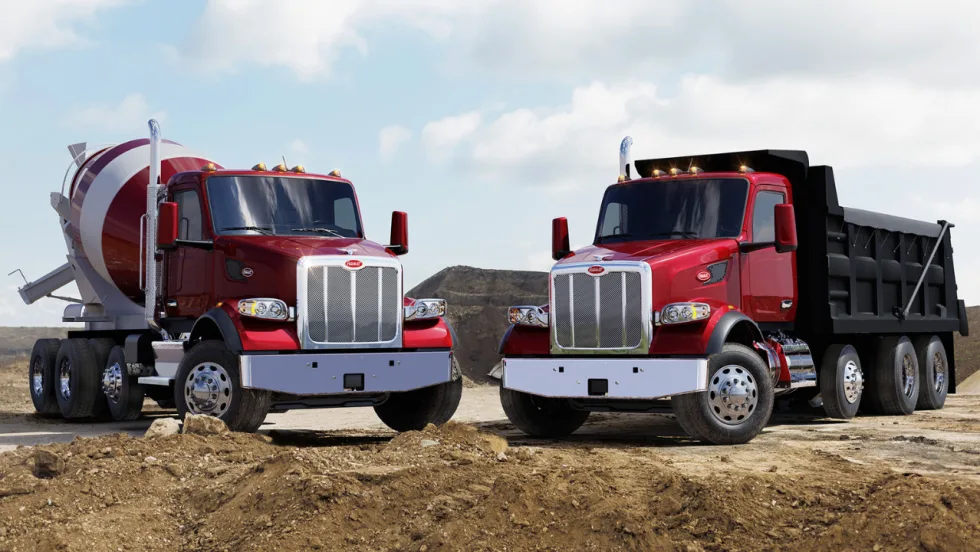
Peterbilt Trucks Equipped with Paccar TX-18 Pro Boost Efficiency for Maryland Fleet
Patuxent Companies is replacing aging trucks with the Peterbilt Model 567 and Model 589, specified with the Paccar TX-18 Pro 18-speed automated transmissions, and is reporting an 8% to 10% improvement in fuel economy.
Read More →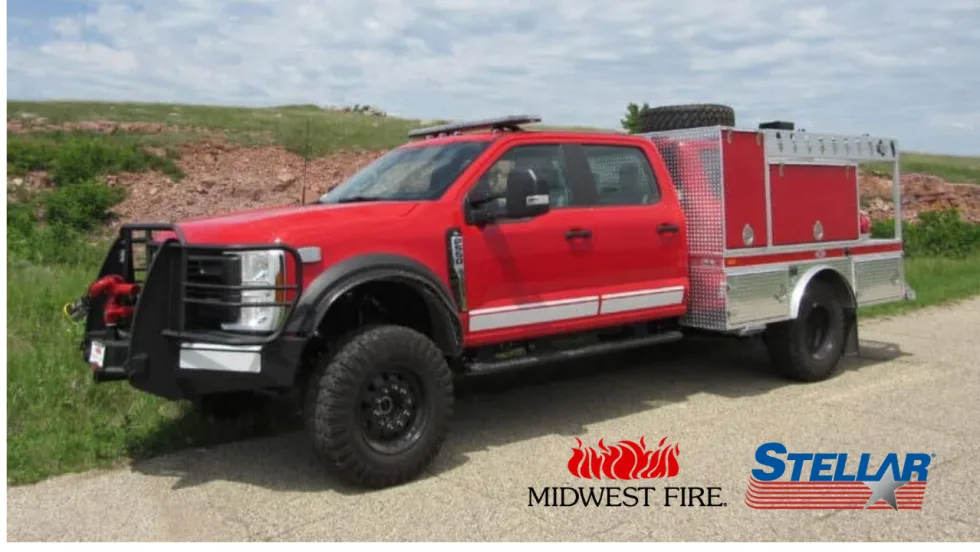
Stellar Expands into Fire Apparatus Market with Acquisition of Midwest Fire
Stellar Industries has acquired Midwest Fire, a custom fire apparatus manufacturer headquartered in Luverne, Minnesota, with nearly four decades of specialized apparatus experience.
Read More →
Recalls You Need to Know About in August 2026
If you have Altec, Chrysler, Ford, Heil, General Motors, International, Mack Trucks, Paccar, Rivian, Royal Truck, Toyota, US Truck Body, or Volvo Trucks vehicles in your fleet, you should check these important recalls issued by the National Highway Safety Administration.
Read More →