




Underhood vs. PTO Solutions
Vocational vehicles are designed to handle many unique tasks and come with a multitude of auxiliary equipment and support. In terms of auxililiary power expoert options, the key question becomes what works best for operations.
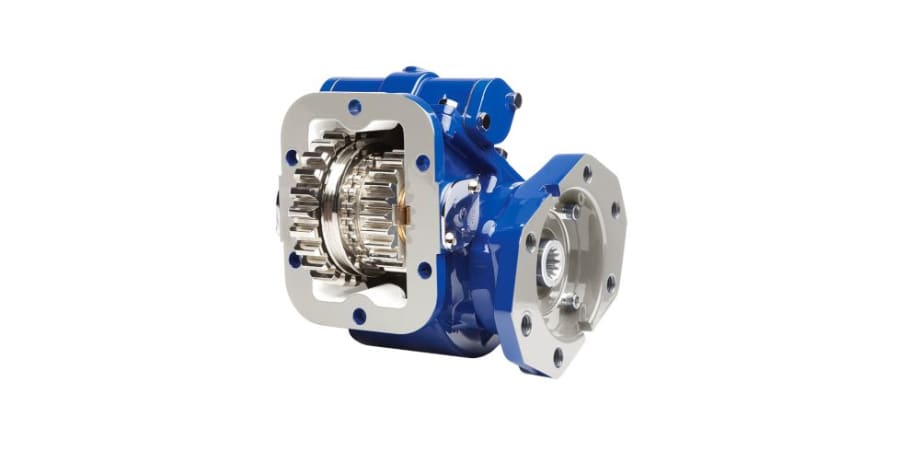
As automatic transmissions advance, many are turning to power takeoff (PTO) as a viable alternative. With the addition of PTO, numerous auxiliary options have become available to the vocational truck market.
Photo of TG Series PTO courtesy of Muncie Power Products
Historically, in Class 2 through Class 5 trucks, auxiliary power export options have been mainly limited to a belt-driven provision off the engine and under the hood. As automatic transmissions advance, many are turning to power takeoff (PTO) as a viable alternative. With the addition of PTO, numerous auxiliary options have become available to the vocational truck market.
Vocational vehicles are designed to handle many unique tasks and come with a multitude of auxiliary equipment and support. The key question becomes what works best for operations. Many variables need to be considered before a fleet professional can offer a recommendation or even think about starting the work truck design process.
Understand Fleet Needs & Truck Functionality
The ability to understand design constraints is the most critical aspect. Begin by defining the truck’s desired functionality, operating conditions, drive/duty cycles, and environmental conditions. Secondly, identify what types of auxiliary equipment are going to be powered. Determine if you require air, hydraulic, or a combination of the two. Lastly, it may be financially beneficial to plan for future demands on the truck.
Specification writers don’t always anticipate a change in job requirements, which would be a minor cost increase at present versus a more expensive future retrofit. A common example involves dump trucks repurposed with snowplow functionality. Designing a vehicle with central hydraulics could have greatly reduced retrofit cost from the beginning. This is not always possible due to budget constraints and other unknown factors.
With this knowledge and a little bit of forethought, you can determine what’s best for your operation. For either alternative, the answer can be complicated. It’s a good idea to think through the implications surrounding:
System output (power of an underhood solution versus the PTO alternative).
Space the solution requires of your vehicle.
Weight considerations as each add-on diminishes effective payload.
Maintainability.
Cost.
Define Demand & Control Costs
Everyone wants a vocational vehicle versatile enough to accomplish almost any task; however, this is not financially practical. Understanding demand can save you money in the long run. Thinking about onboard air solutions, the required pressure and volume will dictate the best type of compressor and, ultimately, how much power is required.
Engine-driven compressors are typically most cost-effective for low- to mid-volume requirements (usually 20–90 cubic feet per minute). Larger compressors often carry higher upfront costs as compared to PTO solutions. However, be sure to consider the big picture, including available options from OEM and aftermarket component suppliers.
When looking at other auxiliary equipment (such as hydraulic solutions), you can follow the same exercise. When reviewing hydraulic options for a dump bed or snowplow, depending on the duty cycle required, it may be beneficial to look at self-contained electric units that provide hydraulic operations at the point of use (such as a lift cylinder).
Often, this can be very cost-effective and simplify truck design. More complex power requirements (like a large generator or other equipment with a driveshaft) will need a PTO provision and an additional gearbox.
How to Avoid Mistakes
Foresight is vital to getting the best solution at the most economical price. Vehicle maintainability, especially related to component locations, is key to selecting the best fit. Each additional auxiliary component could potentially influence maintainability of a work truck and the component itself.
Accounting for space on board and understanding applicability of available solutions help ensure a good selection that gives you the output required to meet your needs with the right capacity balance. Items like generators, cranes and welders may physically intrude on limited space. Another common mistake is simply relying on what’s been done historically.
Technology continues to advance; new options are constantly hitting the market. It is important to examine all advantages of new product offerings rather than assume the traditional option is, in fact, the best solution. Taking the time to analyze work environments, challenges, and actual demands positions you, as a fleet professional, to make the right choice.
A Real-World Perspective
It may prove helpful to consider a practical application. For example, external power export solutions have come a long way from a standalone gas or drive shaft-driven generator. One solution for worksite power management may be partially integrated into a truck you’ve already designed (or plan to take into account).
A hydraulic generator is one answer; the concept is similar to the gasoline-powered standalone counterpart, but it’s more compact and versatile. These generators can be specified or retrofitted into existing work trucks with hydraulic circuits. Without the gasoline power plant, size and weight can be reduced by 50%.
In terms of maintenance costs, there are no gasoline engines to support and fewer environmental factors. Considering these dynamics demonstrates the importance of looking at the big picture and evaluating alternative solutions to minimize additional auxiliary equipment needs, maintenance issues, and operating costs.
About the Author
Chris Lyon is the director of fleet relations for NTEA - The Association for the Work Truck Industry.
RELATED: Idle-Reduction Benefits Extend Beyond Fuel Savings
More Vehicle Research
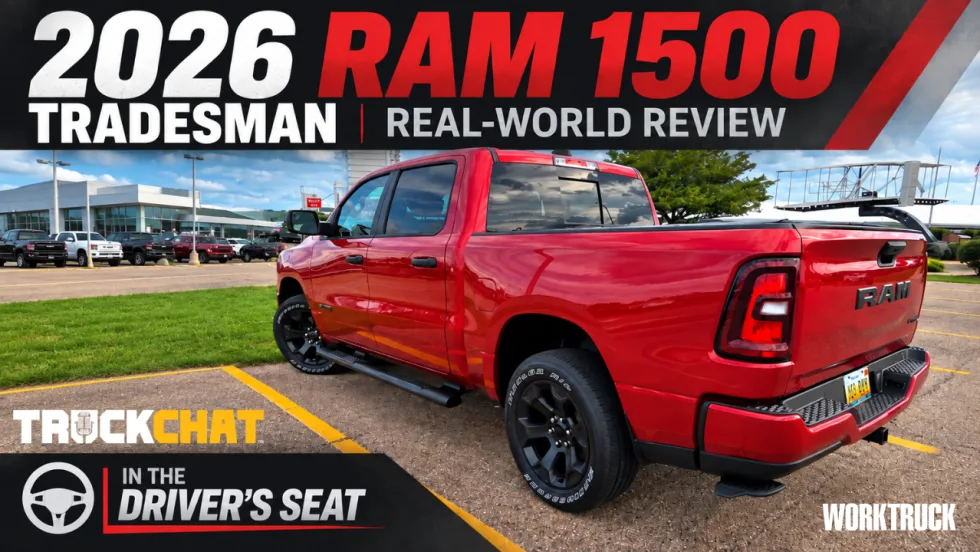
2026 Ram 1500 Tradesman Put to a Real-World Fleet Test
A few days behind the wheel of a 2026 Ram 1500 Tradesman turned into a test of visibility, parking, work-ready features, and even severe-weather driving.
Read More →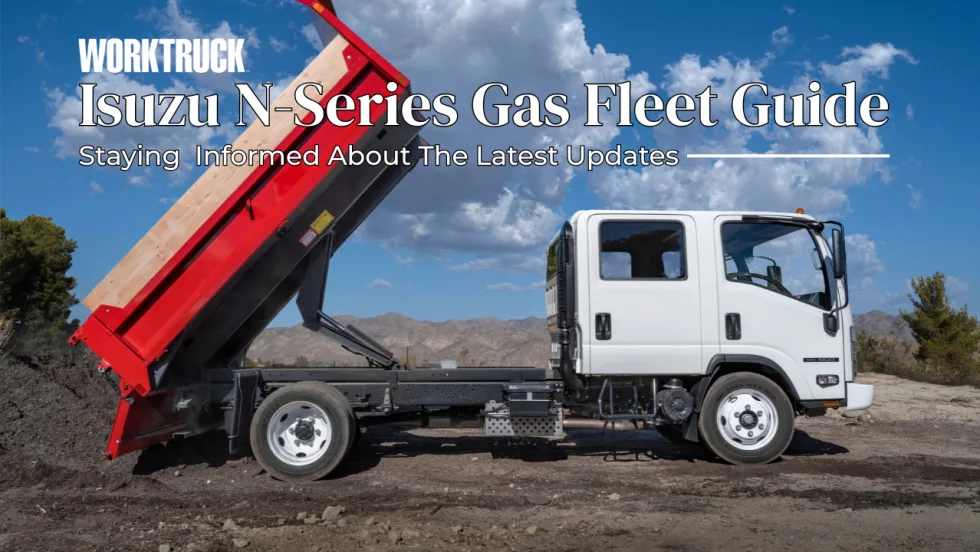
Isuzu N-Series Gas Fleet Guide: Specs, Capability and 2027 Model-Year Updates
Explore Isuzu Truck North America’s N-Series Gas fleet specs, engine performance, GVWR and payload capability, configurations, chassis dimensions, work-focused features, and 2027 model-year information.
Read More →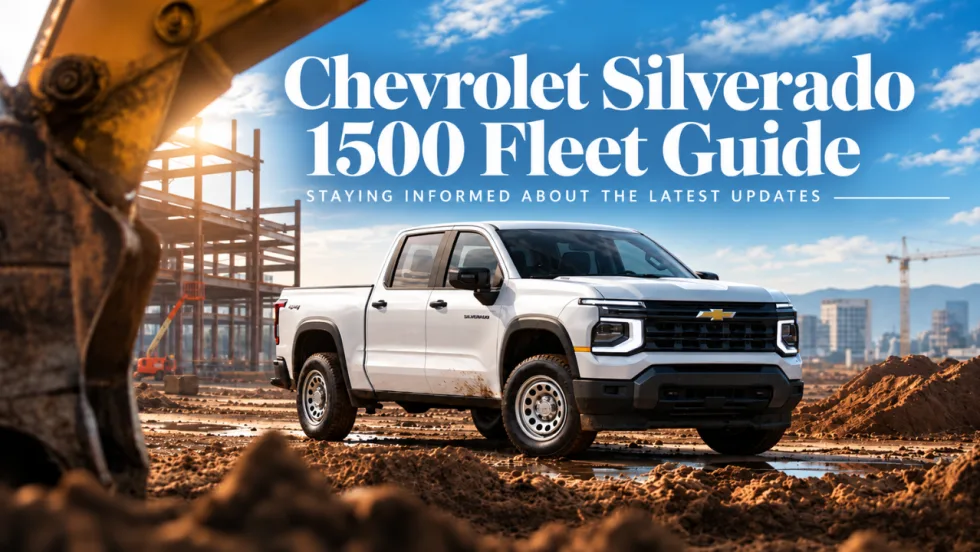
Chevrolet Silverado 1500 Fleet Guide Specs Capability and 2027 Model-Year Updates
The next-generation 2027 Chevrolet Silverado 1500 brings new V-8 engines, updated technology, expanded safety features, and a fleet-focused Work Truck. Here’s what commercial fleets need to know so far.
Read More →
Ram ProMaster City Fleet Guide Specs Cargo Capacity and 2027 Updates
Work Truck’s Ram ProMaster City Fleet Guide tracks the latest specifications, cargo capability, configurations, fleet technology, pricing, and model-year updates for Ram’s mid-size commercial van.
Read More →
Ford F-150 Fleet Guide Specs Capability and 2026 Model-Year Updates
Explore 2026 Ford F-150 fleet specs, engines, towing and payload capability, configurations, work features, technology, and model-year updates.
Read More →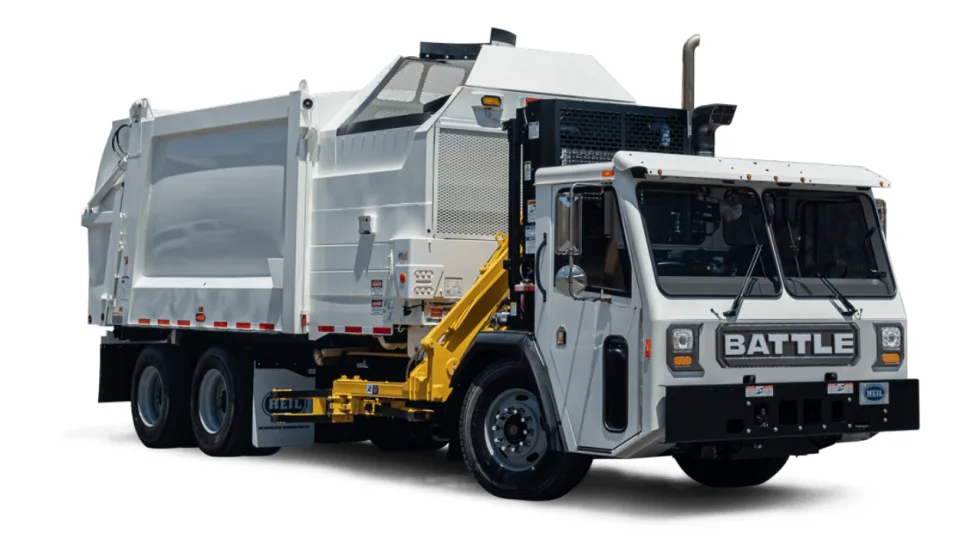
TCI Now Sells & Supports Battle Motors’ Vocational Trucks
Midwest truck dealer Truck Centers, Inc. (TCI) has expanded its transportation solutions with sales and service support for Battle Motors’ heavy-duty vocational trucks at locations in locations in Indiana, Illinois, and Missouri
Read More →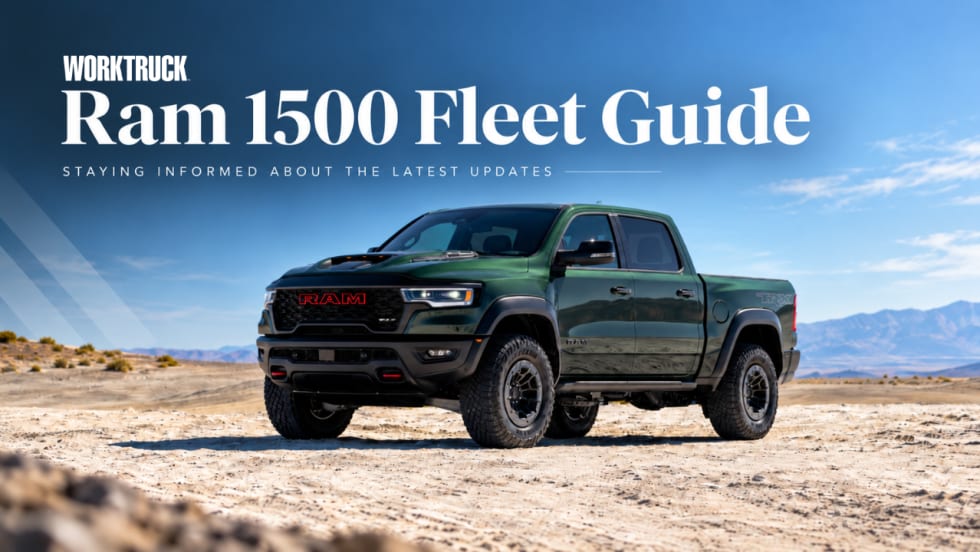
Ram 1500 Fleet Guide Specs, Capability and 2027 Model-Year Updates
Explore always up-to-date Ram 1500 fleet specs, engines, towing and payload capability, configurations, technology, pricing updates, and model-year changes.
Read More →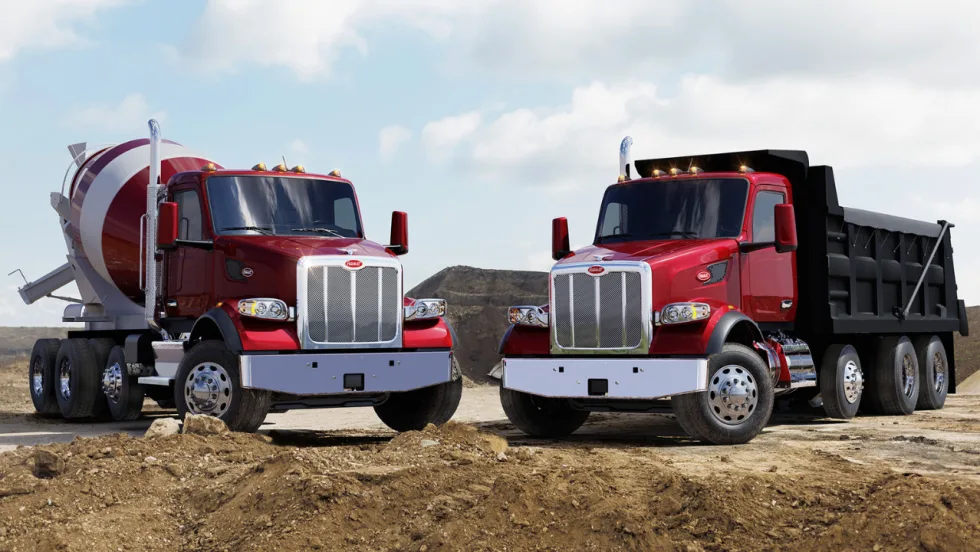
Peterbilt Trucks Equipped with Paccar TX-18 Pro Boost Efficiency for Maryland Fleet
Patuxent Companies is replacing aging trucks with the Peterbilt Model 567 and Model 589, specified with the Paccar TX-18 Pro 18-speed automated transmissions, and is reporting an 8% to 10% improvement in fuel economy.
Read More →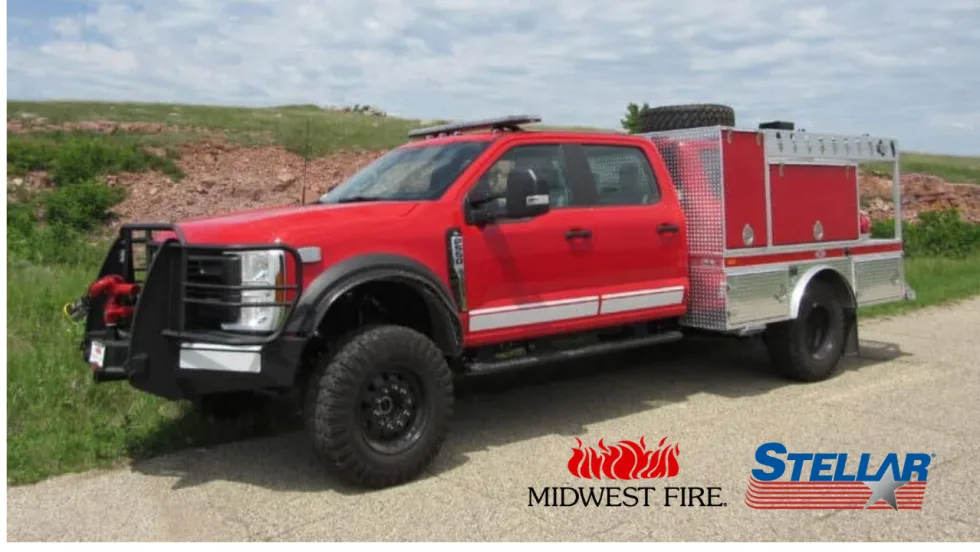
Stellar Expands into Fire Apparatus Market with Acquisition of Midwest Fire
Stellar Industries has acquired Midwest Fire, a custom fire apparatus manufacturer headquartered in Luverne, Minnesota, with nearly four decades of specialized apparatus experience.
Read More →
Recalls You Need to Know About in August 2026
If you have Altec, Chrysler, Ford, Heil, General Motors, International, Mack Trucks, Paccar, Rivian, Royal Truck, Toyota, US Truck Body, or Volvo Trucks vehicles in your fleet, you should check these important recalls issued by the National Highway Safety Administration.
Read More →