





Electric Truck Ecosystem: What it Takes to Run BEVs
Truck Dealers Prepare for Fleet Electrification
While infrastructure is a concern, as we know from the evolution of cable TV and internet speed, solutions will continue to evolve and improve over time. But how can dealers prepare?
May 25, 2023
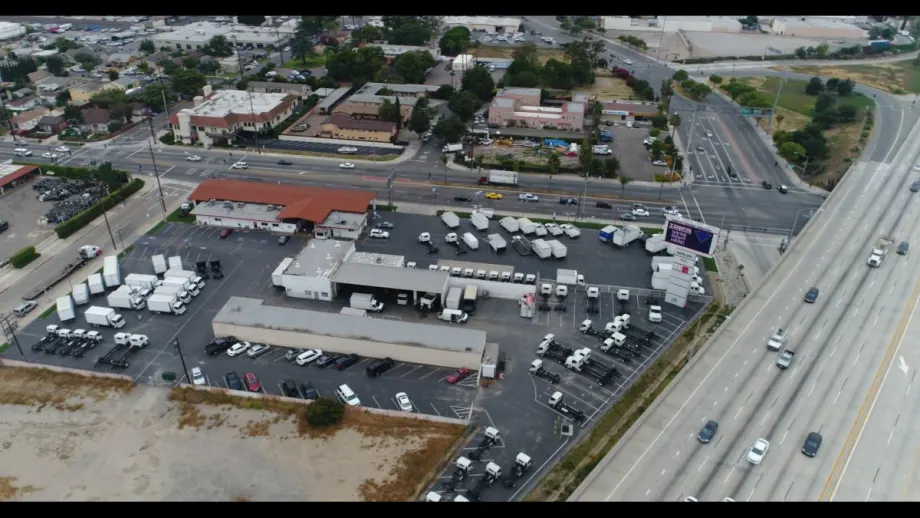
Tom's Truck Center is a dealer of new and used trucks headquartered in Santa Ana, California.
Photo: Tom's Truck Center
4 min to read
Is your fleet getting ready to electrify? Is your dealer ready, too?
Casey Heidler, president and CEO of Tom's Truck Center, talks about trends and fleet electrification and how his dealership prepared to sell electric trucks from service department prep to timelines, grant options, and much more.
Commercial Customers & Electric Trucks
Heidler started the conversation with some real talk about electrification efforts in fleets.
"At some point in time, zero-emissions vehicles will undoubtedly provide customers with many benefits. Lower expenses, convenience, significantly less maintenance, and, most importantly, reduced total cost of ownership are just a few examples. However, as of now, the industry hype and the reality of the customer's needs seem to be at different levels," Heider said during the interview.
The high cost of the product is the primary reason customers are not yet on board with the technology. But, with time, Heidler believes the marketplace will change, and customers will realize the value of these vehicles.
Currently, most commercial vehicles on the roads in the U.S. are owned by small fleets with fewer than ten vehicles. Heidler noted these smaller fleet customers have yet to embrace the technology while larger fleets are starting to experiment with these products.
"Therefore, customers aren't as excited about zero-emissions vehicles as we are. However, that will change in time, and we can look forward to the day when everyone will embrace the benefits of this technology," he said.
Timeline for Zero-Emission Fleet Vehicle Growth
When looking at the timeline for fleet's adoption of zero-emission trucks, Heidler noted the answer depends on where you're located.
"I like to think of it like a radar - different areas have different levels of regulation. For example, in California, you need to start thinking about supporting your product and customers within the next two to three years. However, if you're in a state with fewer regulations, you may have up to 10 years before you need to focus on selling and supporting your product," he noted. "While the EPA is pushing for more CARB regulations, most states still have a ways to go before they catch up."
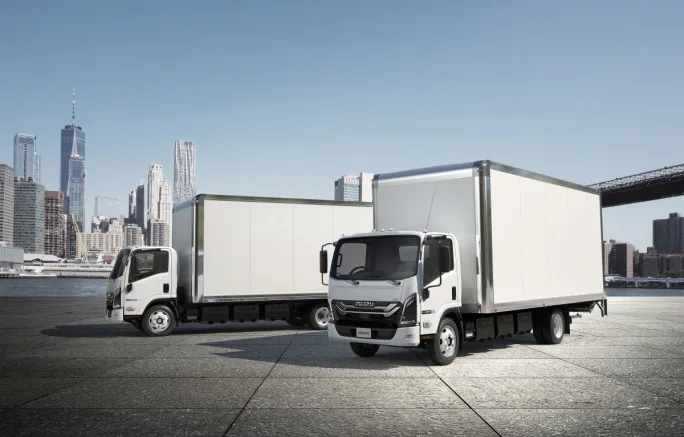
Isuzu introduced its first electric truck N-series EV, available in first half of 2024. It will offer Class 5 capability on a platform developed by Isuzu Motors Limited and a brand new cab.
Photo: Isuzu Commercial Truck of America
Infrastructure, Technology & Electric Expansion
One concern that we cannot ignore is the continued lack of infrastructure to support electric vehicles.
However, Heidler noted the infrastructure is evolving and adapting to meet the changing needs just like it did a century ago with the invention of the automobile.
"Even if we converted every commercial truck in the U.S. to electric tomorrow, the infrastructure wouldn't be able to handle it. But with time, the infrastructure will catch up and support the growth of EVs," Heidler said.
But there are challenges for fleets adopting electric vehicles today. And It's interesting to note that more than one solution can help fleets today.
For example, Tom's Truck Center recently spoke with a refrigeration customer who distributes food to local hotels. They park their vehicles at a food distributor plant with a massive refrigeration system with plenty of power and places to park vehicles.
"Our partnership with Nikola and ChargePoint includes a portable charger called an E skid, which can be moved around to be close to the transformer in a large industrial building. It's essentially a plug-and-play solution for that building. There are a lot of buildings out there now that have enough power to do this mega charging needed for larger commercial vehicles," Heidler explained.
There are many different types of charging solutions and infrastructure needed. As we know from the evolution of cable TV and internet speed, solutions will continue to evolve and improve over time.
Watch the full video to learn more about the timeline and challenges for setting up infrastructure and how grants are still an essential part of the electric vehicle transition for many fleets, especially in California.
Tom's Truck Center knows what it takes to sell electric trucks and is excited to add the Isuzu N-Series to its lineup in the future.
Photo: Tom's Truck Center
Preparing a Service Department for EV Trucks
Regarding a ZEV product, Heidler noted two crucial factors to consider.
First, the product allows dealers to compete on a level playing field by eliminating the need for full maintenance leases.
"While this may mean less fixed operations revenue, it opens up opportunities for dealers to retain customers throughout the vehicle's life," Heidler said.
Second, safety is crucial when dealing with EVs because of the high levels of electricity involved.
"Dealers must have proper repair protocols, tools, equipment, and training for technicians to ensure everyone's safety. As EVs become more prevalent, repairs will increasingly involve programming issues rather than mechanical ones, which may attract a different type of technician to the field. Fortunately, Isuzu is already preparing training programs for its dealers and technicians," he added.
Subscribe to Our Newsletter
More Vehicle Insights
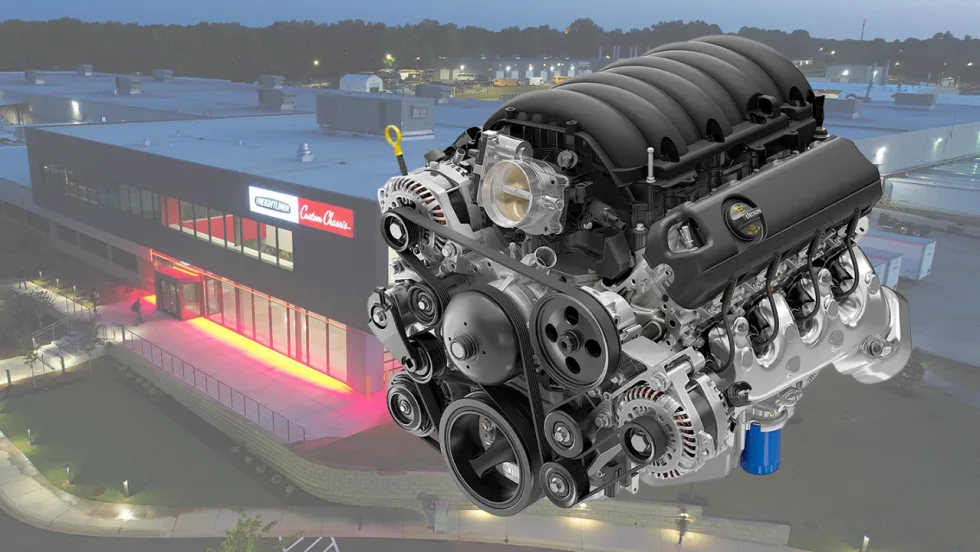
FCCC to Develop New Chassis for RV Industry
While known in the fleet world for building chassis for walk-in vans, Freightliner Custom Chassis Corp. is expanding its footprint in the RV industry with a collaboration with Roush on a new gas Class A motorhome that will be powered by GM’s new GM 6.6-liter gas engine.
Read More →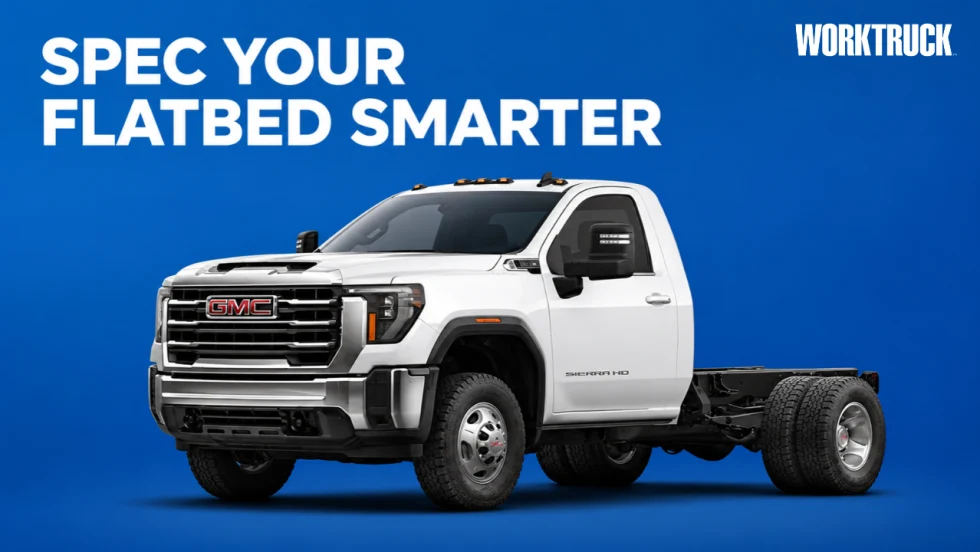
20-Point Checklist: Spec’ing Flatbed Trucks
While flatbeds may seem basic, there are several options to consider that impact cost, payload capacity, fuel economy, and crew productivity. Here are 20 points to consider.
Read More →
Long-Lasting Pickups, Hidden Downtime, and Racing Lessons Lead This Week’s Work Truck News
Which pickups could reach 250,000 miles? Plus, hidden repair downtime, GVWR rerating, racing lessons, and quick fleet news in this week’s Truck Chat.
Read More →
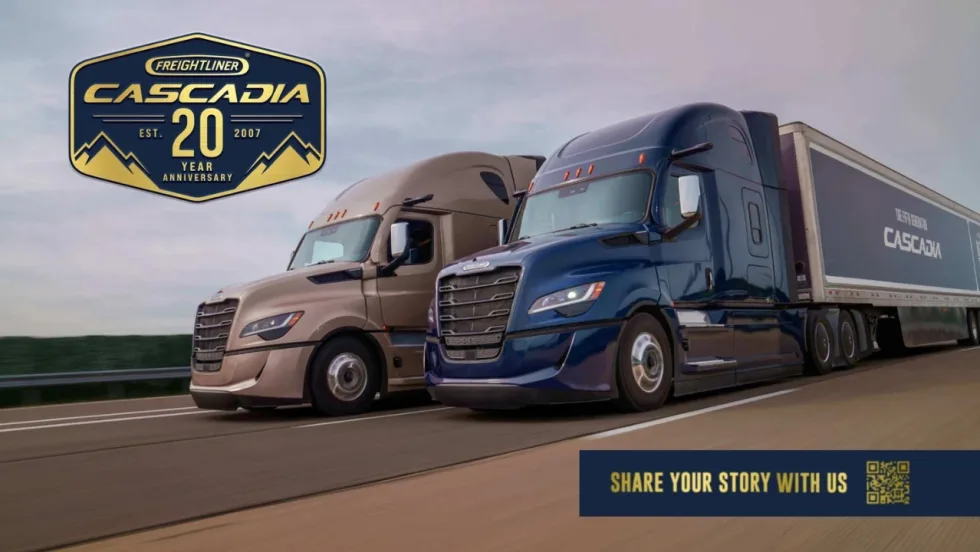
Freightliner Announces Plans for Cascadia’s 20th Anniversary in 2027
Freightliner’s “20 Years of What’s Next” campaign will recognize the people who have helped shape the truck’s history. Drivers, dealers, fleet managers, and owners are invited to share their stories as part of the Cascadia’s 20th anniversary celebration in 2027.
Read More →
Vote for 2027 Medium-Duty Truck & Commercial Van of the Year
You know what works in the field. Help choose Work Truck’s 2027 Medium-Duty Truck and Commercial Van of the Year. Two awards, one ballot.
Read More →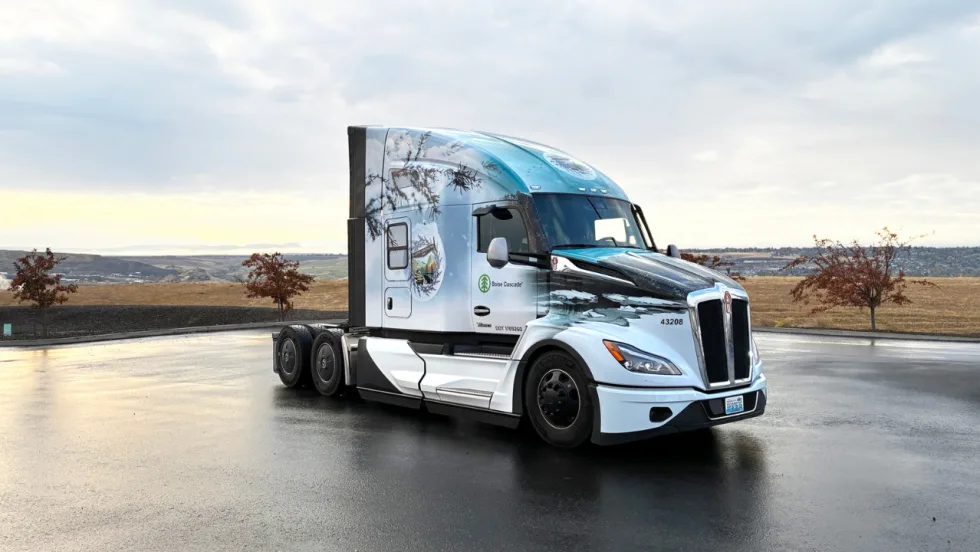
Kenworth T680 Featuring Special Design Will Transport U.S. Capitol Christmas Tree to Washington, D.C.
A Kenworth T680 departed the Nez Perce-Clearwater National Forest in Idaho this week to deliver the 2026 U.S. Capitol Christmas Tree, a 76-foot Engelmann spruce. This marks the 13th year a Kenworth is delivering the tree.
Read More →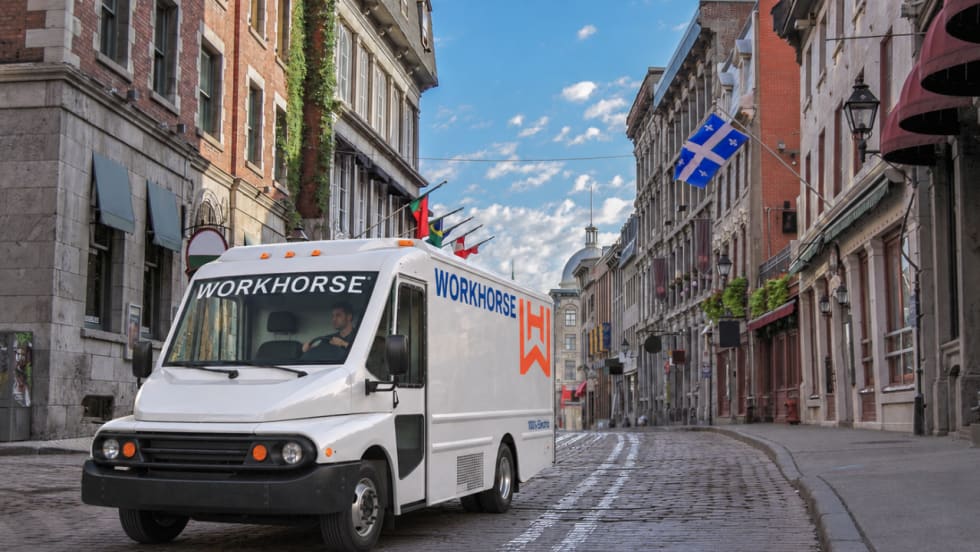
Workhorse Partners with Tristan Fleet Management to Sell and Service Electric W56 Step Vans in Canada
Workhorse’s first Canadian dealer partnership, with Tristan Fleet Management, builds on five years of selling electric step vans in Canada.
Read More →
GM Launches Manufacturing Futures Under its $50M Commitment to Michigan
General Motors’ new initiative, Manufacturing Futures, will connect 2,800 Michigan middle school students each year with advanced manufacturing education and career pathways.
Read More →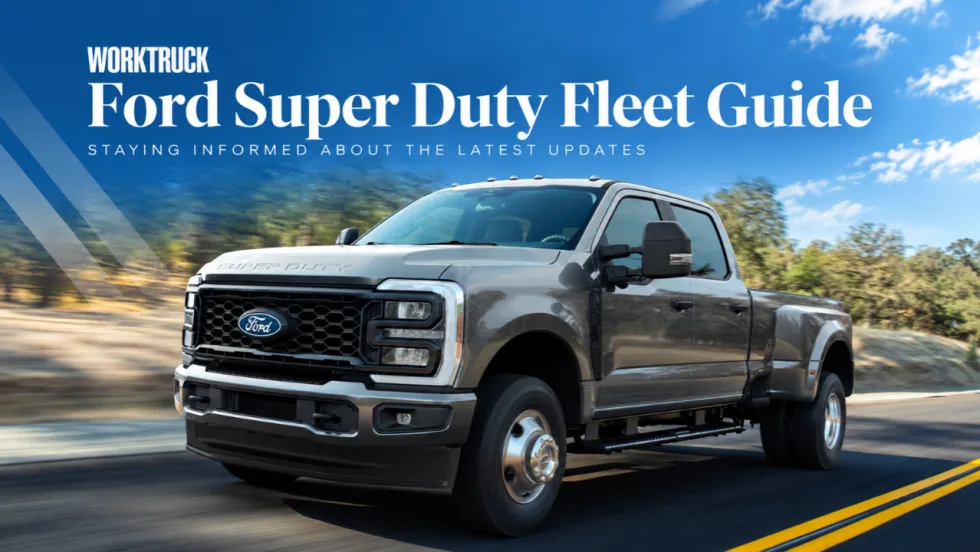
Ford Super Duty Fleet Guide Specs Capability and 2027 Updates
Explore 2027 Ford Super Duty fleet specs, gas and diesel engines, towing, payload, configurations, work features, technology, and model-year updates.
Read More →
Re-rating Gross Vehicle Weight Ratings (GVWR): Why and How it's Done
Sometimes, it is not in a fleet’s best interests to have a vehicle at a given GVWR. Changing the GVWR to a special value can be done, but the process is complicated.
Read More →