




Learn More: How to Extend the Life of Air Disc Brake Pads & Rotors
Troubleshooting, Diagnosing Advanced Safety Systems
Bendix has released a guide on how to avoid rabbit holes and minimize downtime in the maintenance bay.
by Bendix
September 23, 2021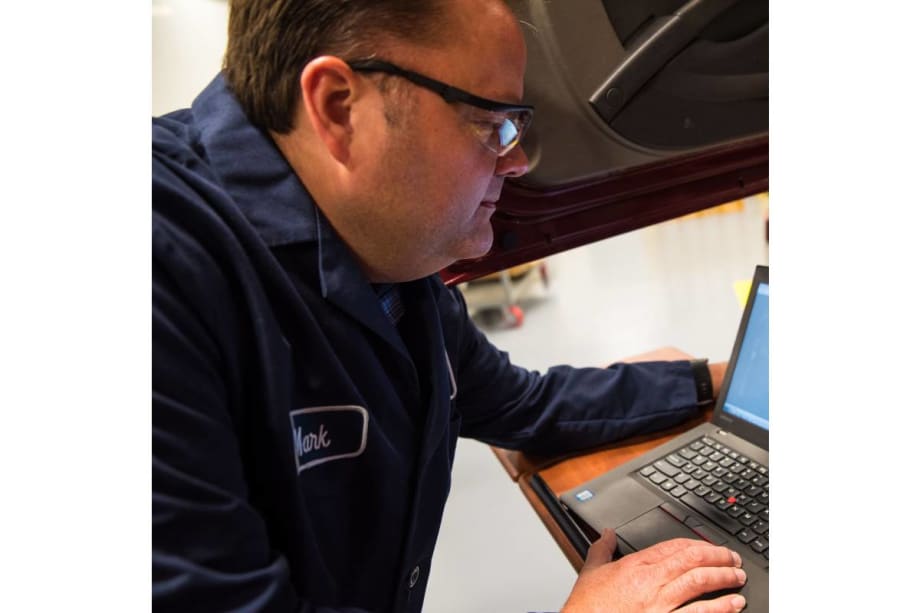
Bendix has released a guide on how to avoid rabbit holes and minimize downtime in the maintenance bay.
Photo: Bendix
5 min to read
A dashboard warning light can send a simple and clear message: Something on your truck needs to be checked. On today’s complex vehicles – and particularly when it comes to their increasingly interconnected safety systems – knowing exactly how and what to check can mean the difference between hours and days of costly downtime.
This article aims to provide guidance on troubleshooting and diagnosing advanced safety technologies, from the foundational elements of antilock braking to the components that enable collision mitigation and more.
Start Simple
“Sometimes the first response to an indicated electronics problem within collision mitigation systems may be to start removing and replacing components,” said TJ Thomas, Bendix director of marketing and customer solutions – Controls. “But there are plenty of times when a component isn’t the issue, so we recommend starting by running a diagnostic software tool that shows a system view of what’s on the vehicle that includes key vehicle components as well.” This assessment can give the technician a quick overview of what’s going on, especially when more than one component shows similar active diagnostic trouble codes (DTCs).
The technician can also look for frayed wires, corroded connectors, or blown fuses. Additionally, equipment like cameras and radars should be checked to make sure they’re unobstructed by things like road debris, snow, and ice.
In addition, some DTCs are “self-clearing,” Thomas said. “This means that simply by fixing the situation – removing the obstructing debris, for instance – the indicator lights and associated fault codes will be deactivated.” Service data sheets should call out these types of DTCs so the technician can be aware of what kinds of conditions generate them.
If this initial approach comes up empty and it looks like the problem is something a bit deeper, then having the right tools and the know-how to use them is the key to getting trucks back on the road and in good working order as quickly as possible.
It’s All Connected
More than ever, the various systems across a commercial vehicle are intertwined, with multiple electronic control units (ECUs) sharing necessary information over the J1939 network. For example, automated transmissions depend upon information from the engine to operate properly and at their highest efficiency.
“Seemingly everything on these trucks is talking to everything else,” said Brian Screeton, Bendix supervisor – Technical Service Training. “So, the best tip we can give for diagnosing faults in higher-level safety systems like adaptive cruise control is to make sure you’re looking at the entire truck first.”
“If a driver reports an adaptive cruise fault, then a technician might connect their diagnosing tool just to the radar, and there may not be an active fault there, but they wind up going down a rabbit hole and spending time trying to troubleshoot inactive faults, when really it turns out there’s an engine problem driving the whole thing. Faults in one system can be driven by a completely separate system component.”
A J1939 fault, for example, will impact several systems, so a technician should investigate that fault first, then re-run the diagnostic tool to see if the individual system faults are cleared up. Because of that possibility, Screeton emphasized that before making any changes to a vehicle, technicians should run a comprehensive DTC report as a benchmark, to know the vehicle’s full status before beginning work.
The Right Tools
Before assuming an advanced safety system active DTC means something is wrong with that system, technicians should make sure they’re using a tool that gives them visibility to any active DTCs being broadcast on the vehicle’s J1939 network. The Bendix ACom Pro is one such tool, but the important thing is having a diagnostic tool that shows DTCs of the full vehicle.
“A tool that shows you an active DTC on the engine retarder, for instance, tells you that you need to troubleshoot that issue first, because it may be the cause of your adaptive cruise control DTC,” Screeton said. “In fact, we recommend technicians always troubleshoot any active engine faults first because of the way they impact other system faults.”
When connected to a vehicle, the ACom Pro software automatically detects and gathers active and inactive DTCs from all Bendix electronic control units on the vehicle, as well as key vehicle ECUs, like the engine and transmission. This roll call shows what’s on the vehicle, eliminating the need for a technician to guess from a prepopulated list of components.
Addressing ADAS
Advanced driver assistance systems (ADAS) that offer capabilities like adaptive cruise control and automatic emergency braking are deeply integrated through their communications with systems like the brakes, engine, and transmission. They also include their own ECUs and sensors like camera and radar units – components that require an extra degree of caution.
“Physical components of stability and collision mitigation systems generally require maintenance only if changes have been made to certain parts of a vehicle. If you do a front-end alignment or work on the steering linkage, for example, then you’ll need to recalibrate the steering angle sensor according to the manufacturer’s guidelines,” Thomas said. “Before a technician adjusts a camera or radar, we stress that they address any J1939 faults or engine faults first. You don’t want to have to take time replacing or realigning a sensor if it’s not necessary.”
Additionally, modern diagnostic tools increasingly have the ability to make changes to systems, from calibration to reconfiguration. Bendix strongly recommends that any individual technician should confirm with maintenance or fleet management before making any performance changes to ensure the result will be consistent with what the fleet wants.
Staying Up to Date
“One other thing we get feedback on from fleets is the value of ongoing training,” Screeton said. “We have our brake school sessions where we talk about how these systems work and how our diagnostic tools work, and in addition, providing know-how. It really showcases the importance of regular check-ins with manufacturers and suppliers about the latest information on products and maintenance methods.”
Subscribe to Our Newsletter
More Maintenance
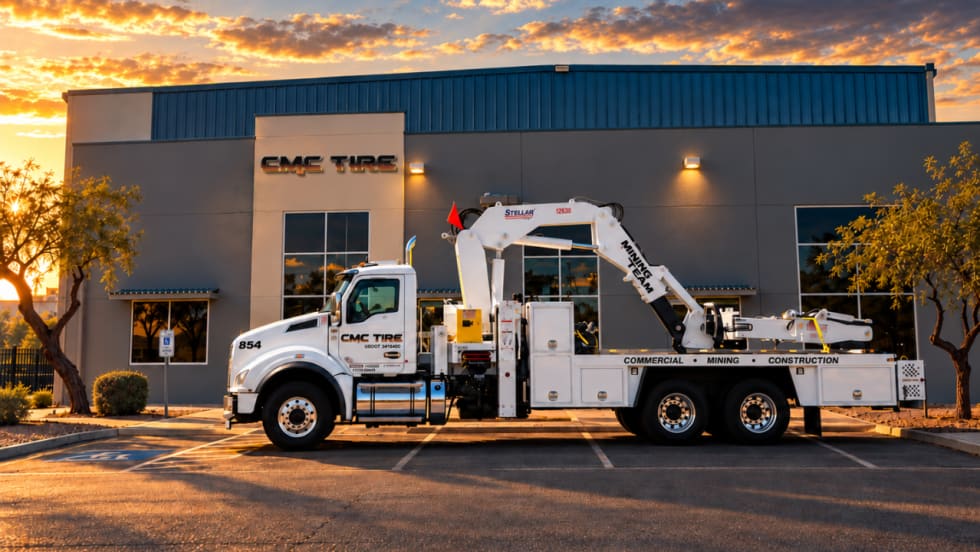
Les Schwab Expands Commercial Tire Footprint Into Arizona
Les Schwab Tires has expanded into Arizona with two commercial tire locations in Phoenix and Tucson, strengthening its fleet service footprint in the Southwest.
Read More →
Volvo Trucks’ 'Lock and Leave' Software Updates Go Live Across North America
Unattended over-the-air software updates are now available in Volvo trucks across the U.S. and Canada. The new capability lets trucks stay current with the latest software without interrupting operations or requiring a dealership visit.
Read More →
Why Technician Appreciation Can’t Be a Once-a-Year Thought
For fleets trying to keep skilled technicians, recognition cannot begin and end with Technician Appreciation Week. Learn what year-round appreciation really looks like and why the everyday technician experience matters just as much as pay when fleets are trying to keep good people.
Read More →
How Faster Driver Reporting Can Keep Small Truck Problems Small
When minor damage, warning lights, or equipment issues are reported late, small problems can quickly become bigger maintenance headaches. Conversational AI can help shorten the path from what a driver notices in the field to the person who can act on it.
Read More →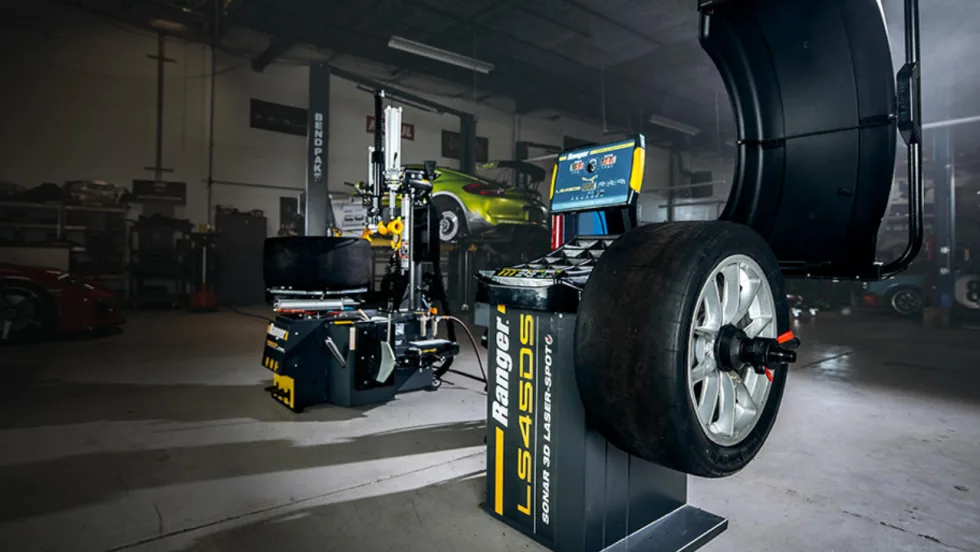
BendPak’s Ranger Wheel Service Equipment Achieves North American Safety Certification
BendPak’s full line of Ranger tire changers and wheel balancers has been ETL certified to UL and CSA standards to improve operator safety.
Read More →
Isuzu & U.S. Department of Labor Celebrate Milestone for Veterans Apprenticeship Program
The Isuzu Veterans Apprenticeship Program (IVAP) signing ceremony highlighted Isuzu’s long-term commitment to veterans, Isuzu dealers, and the skilled workforce supporting its customers and the commercial transportation industry.
Read More →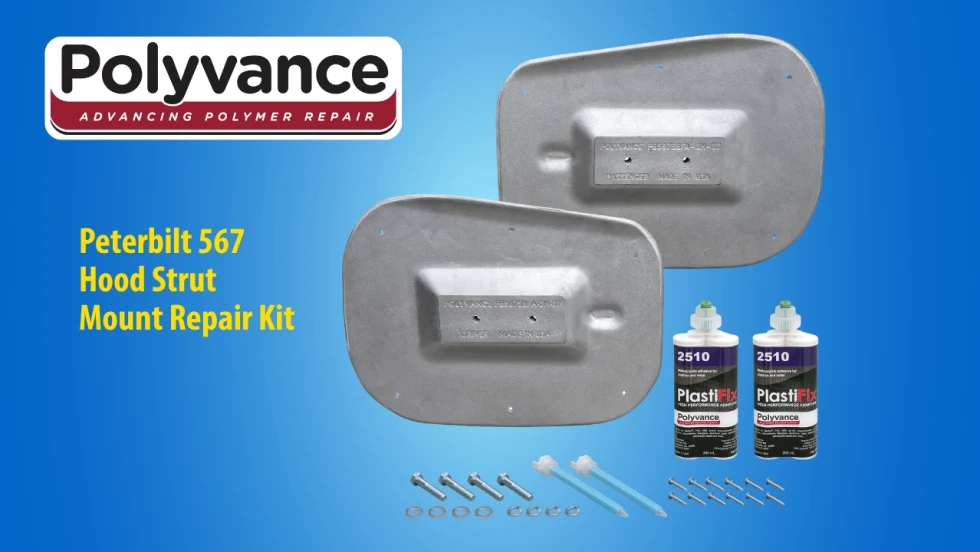
Polyvance Introduces New Peterbilt 567 Hood Strut Mount Repair Kit
Polyvance has launched a repair solution for Peterbilt 567 hood struts, helping truck owners and repair facilities avoid costly hood replacements.
Read More →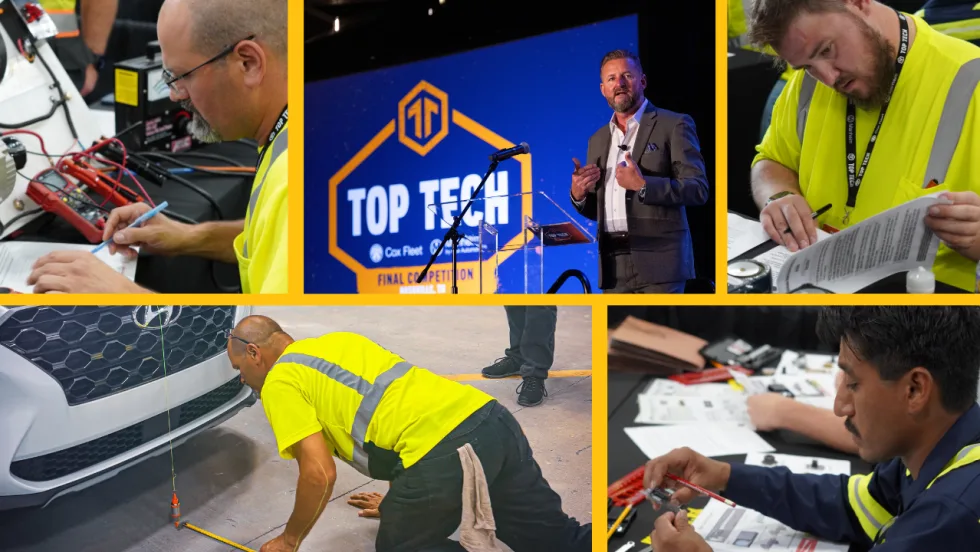
Cox Automotive Celebrates Technical Excellence at 2026 Top Tech Finals
The top technicians from Cox Fleet and Manheim tested their skills in Nashville, Tennessee, at Cox Automotive’s 2026 Top Tech Finals. The overall winners will advance to compete at the American Trucking Association’s TMC SuperTech competition.
Read More →
Grote Industries Appoints Vice President of North American Operations
Grote Industries has appointed Patrick Smith as vice president of North American operations as it celebrates 125 years of innovation and manufacturing excellence. He has more than 20 years of manufacturing leadership experience.
Read More →
Winter Fleet Prep: Expert Tips to Keep Vehicles Running Smoothly
Cold weather can expose weak batteries, tires, fuel systems, and maintenance gaps fast. Use this winter fleet checklist to prepare trucks and drivers before temperatures drop.
Read More →