




Toyota Responds to Fleet Safety Concerns About Unintended Vehicle Acceleration
Cumulatively, 78,000 Toyota models in fleet service are affected by the two voluntary safety recalls. Toyota is working to ensure fleet customers are advised of the facts regarding these recalls and remedies it has implemented.

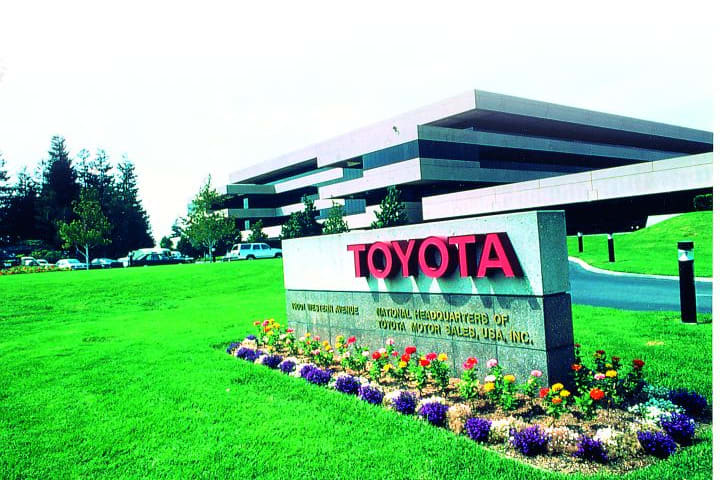
Over the past decade, Toyota has steadily increased its commercial and government fleet market shares. As a consequence, the recent publicity regarding the alleged unintended acceleration of certain Toyota models has gained the attention of fleet managers and their senior management. Cumulatively, 78,000 Toyota models currently in fleet service are affected by voluntary safety recalls.
In particular, Toyota has two distinct and separate voluntary safety recalls related to unintended acceleration. The first recall deals with floor mat entrapment, which may interfere with the accelerator. The second recall, "Sticking Pedal," covers accelerator pedals made by one specific manufacturer.
To help answer questions in the minds of fleet managers about these voluntary safety recalls, Automotive Fleet interviewed Scott Heyer, corporate manager, fleet for Toyota Motors Sales, USA. Below are excerpts from our interview.
AF: Which Toyota models are being recalled and what are the reasons for the recalls?
HEYER: Toyota is addressing two distinct and separate voluntary safety recalls related to unintended acceleration.
The first recall, "Floor Mat Entrapment," concerns the potential for an unsecured or incompatible driver's floor mat to interfere with the accelerator pedal and cause it to become entrapped in the wide-open or near wide-open position. Toyota has determined this does not occur in vehicles in which the driver-side floor mat is compatible with the vehicle and properly secured.
Toyota developed a multifaceted remedy to minimize the likelihood of floor mat entrapment and reduce the likelihood of any safety consequences. The remedy program is being phased in on a model-by-model basis. We have advised our customers that until the recall remedy is performed, they should remove all removable drivers' floor mats. In such a case where the customer chooses not to remove the floor mat, they should make sure the mat is properly secured.
A Toyota vehicle included in the "Floor Mat Entrapment" recall is safe to drive if the driver's floor mat is removed or properly secured. Vehicles included in this recall are:
● Toyota Avalon (2005-2010).
● Toyota Camry, Camry Hybrid (2007-2010).
● Toyota Corolla (2009-2010).
● Toyota Highlander, Highlander Hybrid (2008-2010).
● Toyota Matrix (2009-2010).
● Toyota Prius (2004-2009).
● Toyota Tacoma (2005-2010).
● Toyota Tundra (2007-2010).
● Toyota Venza (2009-2010).
● Lexus ES (2007-2010).
● Lexus IS (2006-2010).
The second recall, "Sticking Pedal," covers accelerator pedals made by one specific manufacturer. It involves the possibility that certain accelerator pedal mechanisms, in rare instances, may mechanically stick in a partially depressed position or return slowly to the idle position.
Over time, the internal mechanisms in the accelerator pedal may become worn. As a result of this wear, combined with certain operating and environmental conditions, friction in the mechanism may increase and intermittently result in the accelerator pedal being hard to depress and/or slow to return or, in the worst case, to stick in a partially open position.
Toyota has developed a remedy for this issue, and all known owners of affected vehicles have already been notified and requested to bring their vehicles to a Toyota dealer for repair. Vehicles included in this recall are:
● Toyota Avalon (2005-2010).
● Toyota Camry (2007-2010).
● Toyota Camry Hybrid (2009).
● Toyota Corolla (2009-2010).
● Toyota Highlander (2010).
● Toyota Matrix (2009-2010).
● Toyota RAV4 (2009-2010).
● Toyota Sequoia (2008-2010).
● Toyota Tundra (2007-2010).
[PAGEBREAK]
AF: What is the total number of Toyota vehicles currently in fleet service affected by these recalls?
HEYER: We understand there to be approximately 28,000 vehicles involved in the "Sticking Pedal" recall and 50,000 vehicles involved in the "Floor Mat Entrapment" recall among Toyota's commercial and government fleet customers. Many vehicles involved in the "Sticking Pedal" recall are also involved in the "Floor Mat Entrapment" recall.
AF: Have there been any instances of unintended acceleration or other recall-related issues reported by fleet drivers?
HEYER: There have been no confirmed cases of unintended acceleration among commercial and government fleets operating Toyota vehicles.
AF: Should fleet managers and/or corporate risk managers be concerned about the safety of Toyota models currently in fleet service?
HEYER: There is no safety risk associated with a vehicle under the "Floor Mat Entrapment" recall if the driver's floor mat has been removed from the vehicle. With respect to the "Sticking Pedal" recall, the incidence of this condition is rare and occurs gradually over a period of time. In both instances, customers are advised to contact an authorized Toyota dealer to make an appointment to have these important remedies performed on their vehicles as soon as possible.
Toyota Fleet has been providing replacement transportation, as necessary, to customers expressing safety concerns with vehicles under the "Sticking Pedal" recall until such time the vehicle repair is completed.
AF: What corrective actions is Toyota taking under each of the recalls, and how long does it take to complete this work? How much downtime do fleet drivers experience while vehicles are serviced?
HEYER: With respect to the "Floor Mat Entrapment" recall, to make it less likely that an unsecured or incompatible driver's floor mat can interfere with the accelerator pedal, Toyota dealers are performing a modification to both the accelerator pedal, and in some models, to the floor surface in the driver's foot-well. The repair takes approximately two hours. Repairs on Camry and Avalon are currently underway with Highlander Hybrid repairs beginning later this month. Notifications specific to the other vehicles under this recall will be sent over the next several months.
As an additional measure independent of the vehicle-based recall remedy, Toyota will install a newly designed override system in certain models (non-hybrid models) to provide an extra measure of confidence. This system will cut engine power in case of simultaneous application of both accelerator and brake pedals at certain speeds and driving conditions. This installation, as with the recall repairs, is conducted at no charge to our customers. All Toyota hybrid vehicles already have a similar override system.
On the "Sticking Pedal" recall, a Toyota dealer will install a precision-cut steel reinforcement bar into the accelerator pedal assembly, which will increase the clearance between the internal mechanisms in the accelerator pedal assembly. This increased clearance will reduce friction caused by wear and environmental conditions and allow the pedal to operate smoothly for the life of the vehicle. The recall campaign is currently underway for all vehicle models covered by this recall and takes a Toyota dealer approximately 30 minutes to complete.
[PAGEBREAK]
AF: If a fleet has an in-house warranty station, would the fleet be able to complete the recall work itself?
HEYER: Recall repairs are being performed by our Toyota dealers. Most, if not all, of our dealers are offering extended service hours to meet customer needs. As of the timing of this interview (mid-March 2010), more than 1.2 million vehicles involving the "Floor Mat Entrapment" recall and the "Sticking Pedal" recall have been repaired.
AF: How have Toyota fleet customers and drivers reacted to these recalls? What type of feedback have they provided Toyota?
HEYER: In large part, our customers have been very understanding.
As one would expect, our customers initially were seeking information as to which vehicles are included under each recall, an understanding of the remedy, and the timing of when our dealers would be in a position to begin repairs. As there has been much misinformation reported in the media, we are keeping our customers advised of the facts and most recent developments regarding our recalls on Toyota.com, as well as through close communications with all of our fleet management company business partners.
AF: What factors favor the acquisition of Toyota models by commercial and government fleets?
HEYER: Both the management of a vehicle's total lifecycle cost and a focus on operating an environmentally responsible fleet are the two common objectives among both commercial and government fleets in choosing to operate Toyota vehicles.
Originally posted on Automotive Fleet
More Vehicle Insights
Mack Defense Achieves Cybersecurity Maturity Model Certification Level 2
After an assessment conducted by an authorized Certified Third-Party Assessment Organization (C3PAO), Mack Defense has achieved Cybersecurity Maturity Model Certification (CMMC) Level 2.
Read More →
GM Unveils New Sixth-Generation Small Block Engines for 2027 Light-Duty Pickups
General Motors unveiled two new small-block engines, backed by extensive real-world validation and more than 70 years of small-block V8 manufacturing experience, as part of the engine portfolio for the 2027 Chevrolet Silverado 1500 and GMC Sierra 1500.
Read More →
Chevrolet Silverado 1500 Fleet Guide Specs Capability and 2027 Model-Year Updates
The next-generation 2027 Chevrolet Silverado 1500 brings new V-8 engines, updated technology, expanded safety features, and a fleet-focused Work Truck. Here’s what commercial fleets need to know so far.
Read More →
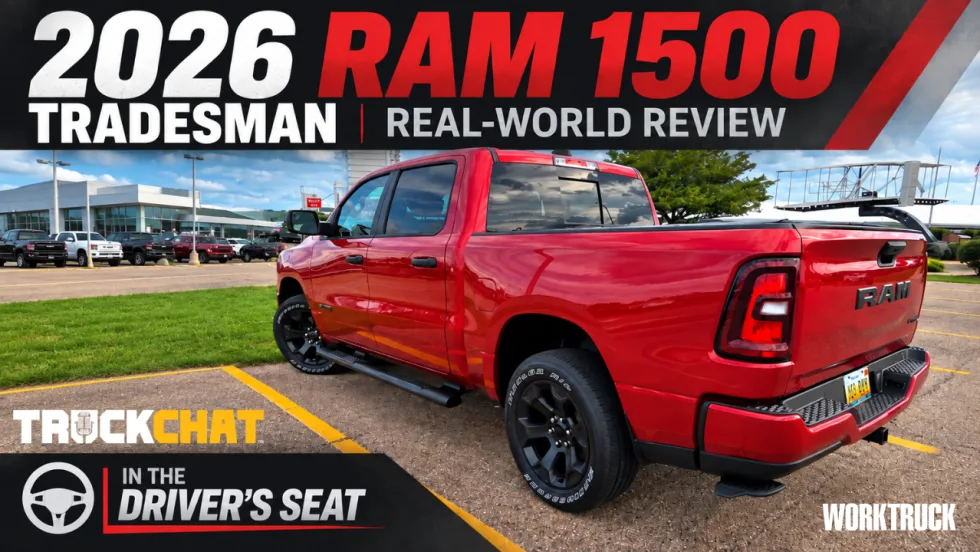
2026 Ram 1500 Tradesman Put to a Real-World Fleet Test
A few days behind the wheel of a 2026 Ram 1500 Tradesman turned into a test of visibility, parking, work-ready features, and even severe-weather driving.
Read More →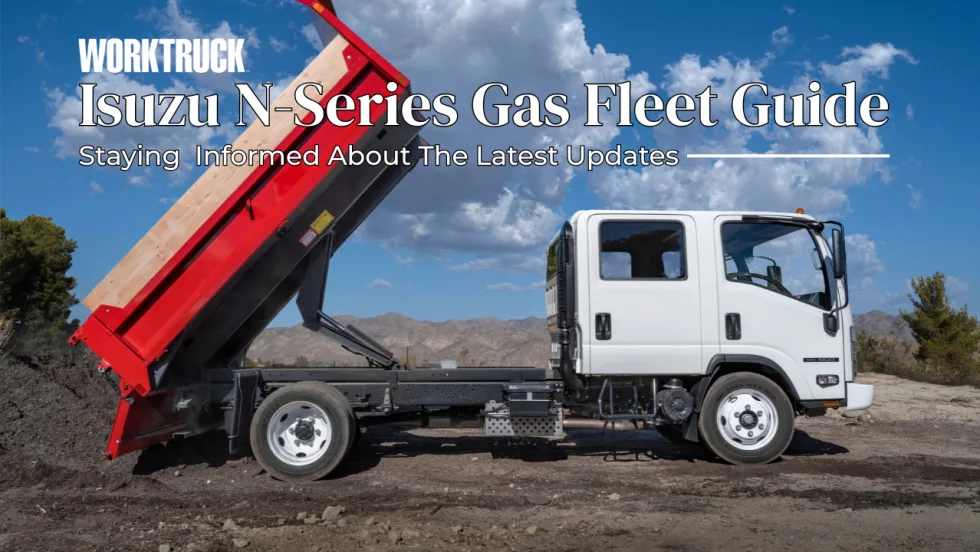
Isuzu N-Series Gas Fleet Guide: Specs, Capability and 2027 Model-Year Updates
Explore Isuzu Truck North America’s N-Series Gas fleet specs, engine performance, GVWR and payload capability, configurations, chassis dimensions, work-focused features, and 2027 model-year information.
Read More →
Ram ProMaster City Fleet Guide Specs Cargo Capacity and 2027 Updates
Work Truck’s Ram ProMaster City Fleet Guide tracks the latest specifications, cargo capability, configurations, fleet technology, pricing, and model-year updates for Ram’s mid-size commercial van.
Read More →
Ford F-150 Fleet Guide Specs Capability and 2026 Model-Year Updates
Explore 2026 Ford F-150 fleet specs, engines, towing and payload capability, configurations, work features, technology, and model-year updates.
Read More →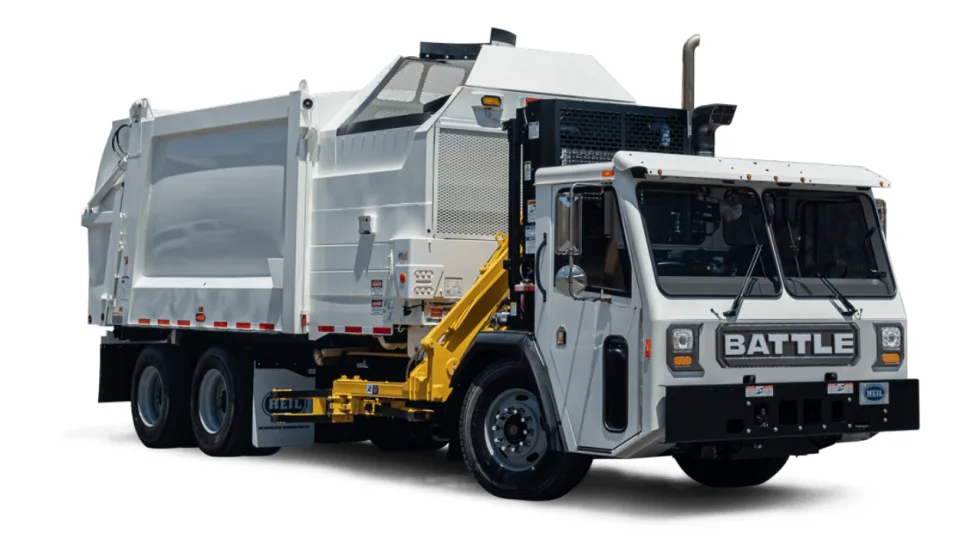
TCI Now Sells & Supports Battle Motors’ Vocational Trucks
Midwest truck dealer Truck Centers, Inc. (TCI) has expanded its transportation solutions with sales and service support for Battle Motors’ heavy-duty vocational trucks at locations in locations in Indiana, Illinois, and Missouri
Read More →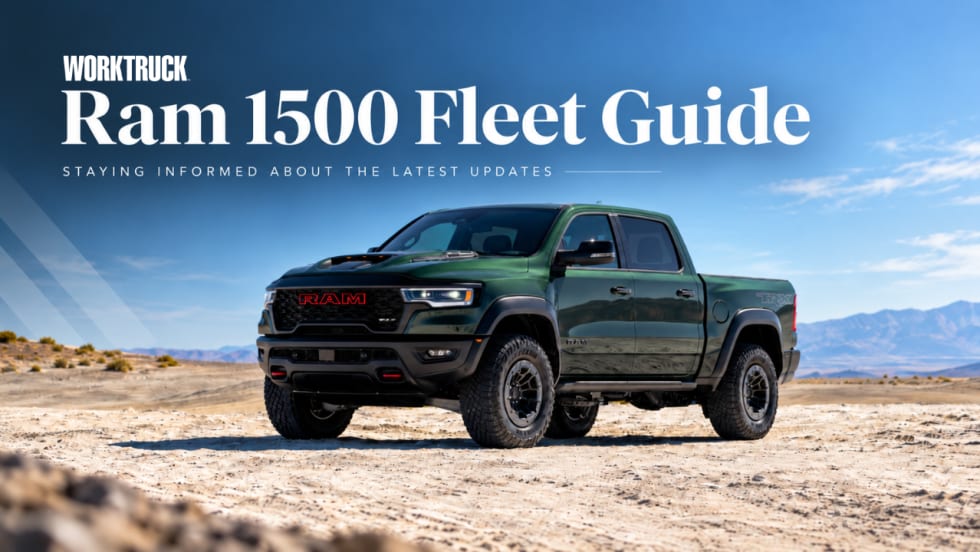
Ram 1500 Fleet Guide Specs, Capability and 2027 Model-Year Updates
Explore always up-to-date Ram 1500 fleet specs, engines, towing and payload capability, configurations, technology, pricing updates, and model-year changes.
Read More →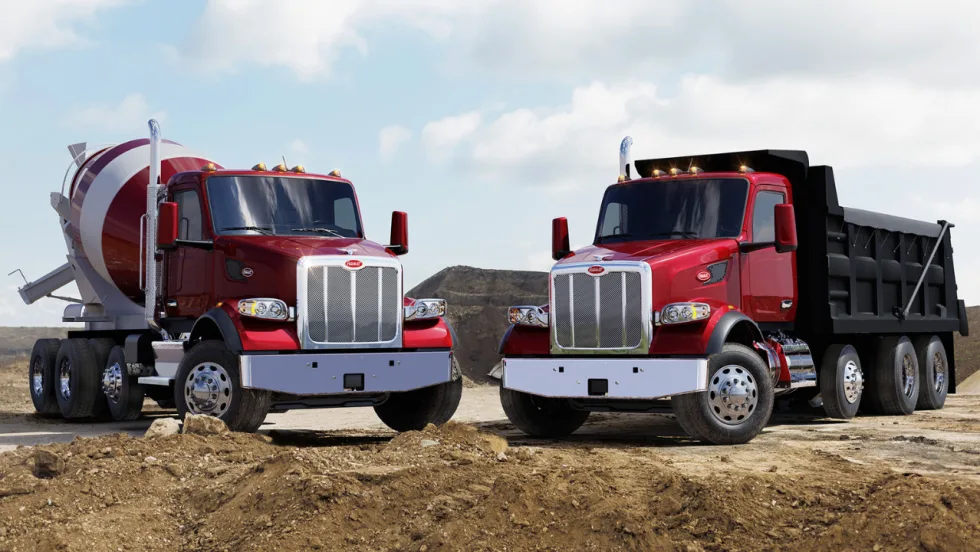
Peterbilt Trucks Equipped with Paccar TX-18 Pro Boost Efficiency for Maryland Fleet
Patuxent Companies is replacing aging trucks with the Peterbilt Model 567 and Model 589, specified with the Paccar TX-18 Pro 18-speed automated transmissions, and is reporting an 8% to 10% improvement in fuel economy.
Read More →