




Toolbox: TomTom Offers Custom Solutions
New systems combine TomTom’s driver-friendly navigation tools with robust fleet tracking.

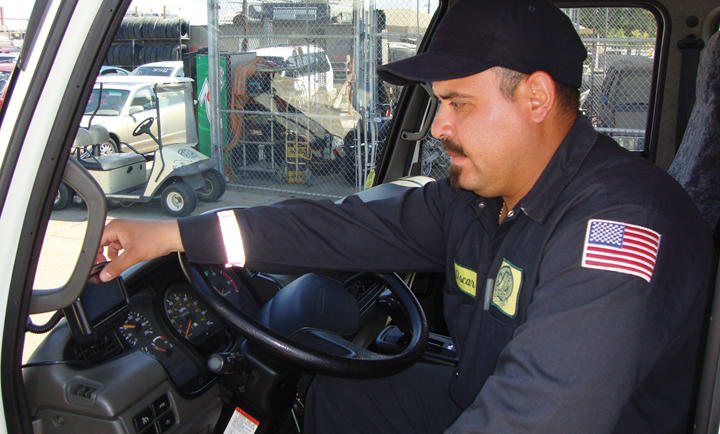
JC Towing can send drivers turn-by-turn directions directly to the TomTom portable navigation device in the cab. The driver simply accepts the job and starts the journey.
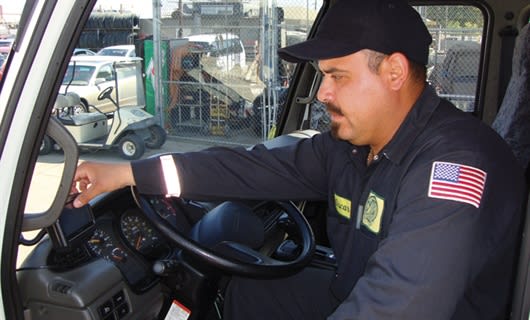
JC Towing can send drivers turn-by-turn directions directly to the TomTom portable navigation device in the cab. The driver simply accepts the job and starts the journey.
TomTom, a provider of location and navigation solutions, offers a suite of devices and Web-based tools for fleet management and driver usage. The company’s user-friendly navigation devices help drivers get to customers faster and improve communication and safety, while real-time traffic updates automatically re-route vehicles to save time and fuel. The devices and online tools work together to provide precise vehicle tracking, lower operating costs and increased productivity.
The company’s WORKsmart fleet management solutions integrate navigation, dispatch and tracking through a combination of online applications and ready-to-use devices that are customizable for different fleet needs.
web-based Applications
The company’s suite of Web-based tools include the TomTom WEBFLEET online application, which enables fleet management 24 hours a day from any PC and includes features such as message sending and receiving, coordinating movements, KPI monitoring and report drafting.
The TomTom WEBFLEET.connect is an open architecture version of WEBFLEET and enables users to incorporate data from WEBFLEET to create an integrated solution using systems already installed.
TomTom’s LIVE Services application delivers real-time and journey-relevant information direct to a TomTom device, which includes traffic reports, fixed and mobile camera locations, nearby shops and businesses and local weather forecasts.
Driver-friendly Devices
TomTom’s easy-to-install devices range from navigation application to tracking and work hour logbooks. The GO 7000 is the company’s portable navigation device and features an integrated speaker and microphone, extended battery life, Bluetooth connectivity and real-time traffic information.
The LINK 300 is a smaller, installable device that provides an open two-way communication channel between the main office and driver. It also transmits its own location coordinates so the vehicle can be tracked 24 hours a day over the WEBFLEET online solution.
The Remote LINK Working Time device enables each employee to identify himself and record his working status by pressing a button on the remote. This information is sent automatically back to the office through the LINK 300, allowing managers to run reports on when employees started, paused and stopped work.
The Remote LINK Logbook device also utilizes a remote and enables employees to click a button to register a journey as work-related, a commute or personal travel. The information is transmitted back to the office via the LINK 300 and accessed from the WEBFLEET application. Fleet managers can monitor individual and group mileage by day, week and month or year, and all data can be integrated with payroll and billing systems.
Favorable Results
San Diego, Calif.-based towing company JC Towing installed the TomTom fleet management solution after having trouble with two other management systems. The first system took too long to update while the vendor of the second system was having problems with installation and support. Since making the switch, JC Towing has been able to route vehicles more efficiently, save money by tracking operator behavior, and improve customer satisfaction through information and report sharing.
Henry’s Wrecker Service, based in Washington DC, has also made the switch and has seen improved productivity on both the dispatch side and driver side. Henry’s has been able to curb unauthorized usage of the trucks, reduce idle time and improve response time for customer service-related requests.
More Small Fleet

Developing Budget-Friendly Driver Safety Programs
From driver training and safety meetings to one-on-one coaching and incentive programs, several small fleets share how they have developed a safety culture with their drivers using low- to no-cost resources.
Read More →
Boosting Last-Mile Fleet Uptime, Safety, and Value with AI Vehicle Inspections
AI-powered inspections are transforming last-mile fleets by replacing manual checks with highly accurate automated scans that detect defects in seconds. By giving fleet operations visibility into the daily condition of their vehicles, you can identify trends over the vehicle’s lifecycle that enable improved procurement decisions, route management, driver training and accountability.
Read More →

Five Ways Seat Belts Help Prevent Injuries
There are five ways seat belts protect occupants from injuries, according to the Tennessee Department of Safety and Homeland Security.
Read More →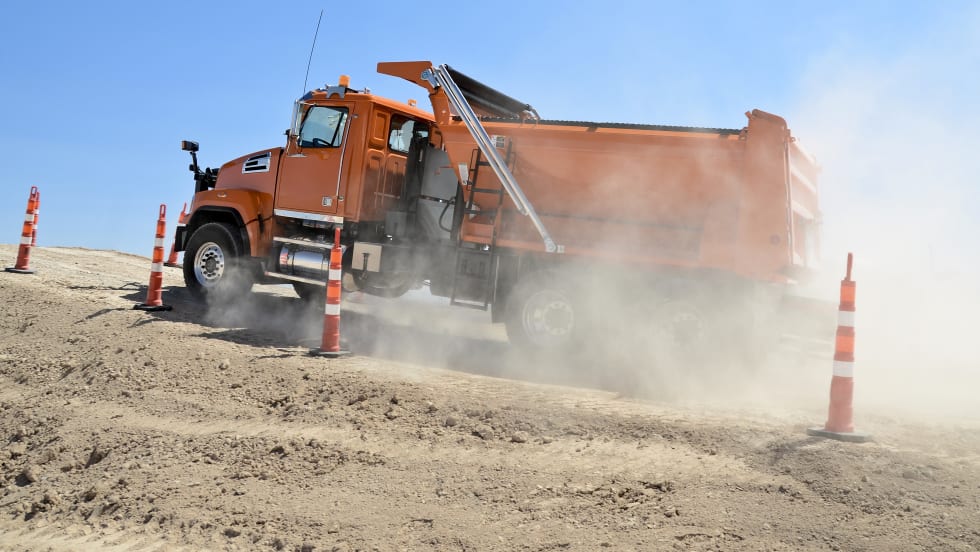
Basic Tracking vs Next Generation Fleet Technology
Fleet software is getting more sophisticated and effective than ever, tying big data models together to transform maintenance, safety, and the value of your existing tech stack. Fleet technology upgrades are undoubtedly an investment, but updated technology can offer a much higher return. Read how upgrading your fleet technology can increase the return on your investment.
Read More →
It’s here: The 2026 Fleet Technology Trends Report
What does AI mean for fleets? Get the answer — and learn other top tech trends.
Read More →
Small Fleets, Big Impact: How Independent Drivers Power Wreaths Across America
Check out how small fleets and independent drivers power Wreaths Across America each December and why their impact matters more than ever.
Read More →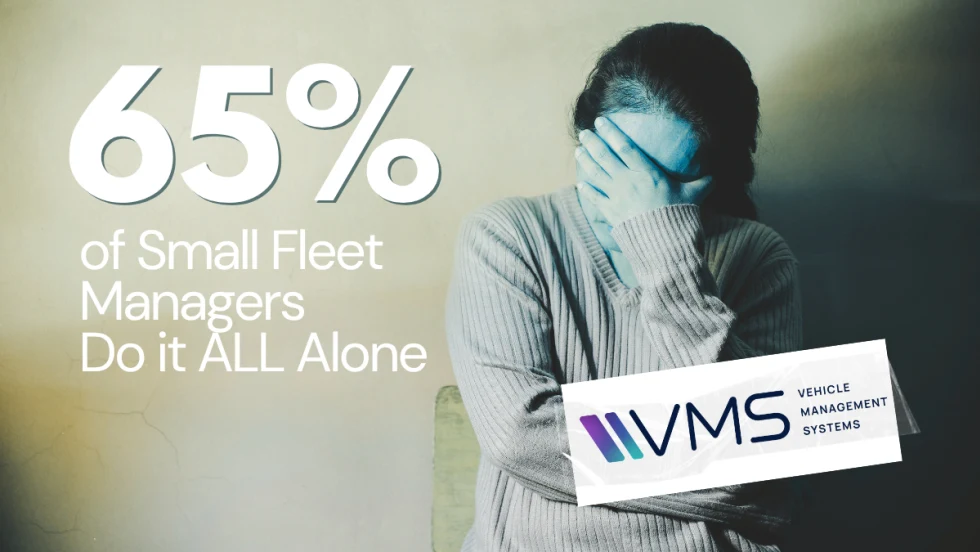
VMS Survey Finds 65% of Small Fleet Managers Run Operations Alone
A new VMS survey shows small fleet managers are stretched thin, with most handling operations solo and eager to adopt digital tools for relief.
Read More →
Tips for Driving Safely on Halloween Night
This video features a reminder from the Connecticut Department of Transportation (DOT) and the Connecticut Police Chiefs Association, urging drivers to prioritize safety this Halloween.
Read More →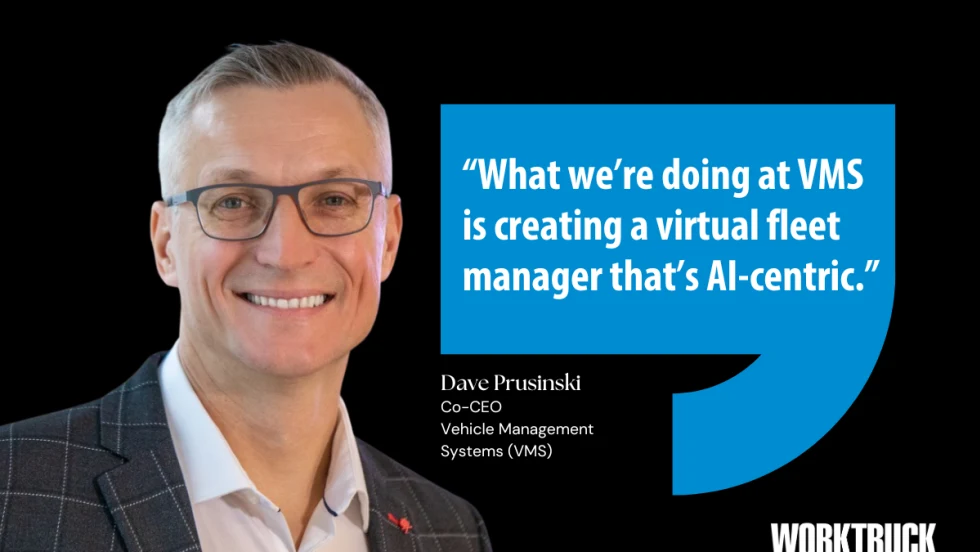
AI, Access, and Uptime: VMS’s Next Chapter with David Prusinski
VMS’s new Co-CEO, David Prusinski, shares how an AI-first approach will give small fleets and repair shops the tools to compete like big players.
Read More →