Here are some best practices fleet managers can implement when planning truck purchases to ensure they are getting the most for their money.
Lexi Tucker・Former Senior Editor
August 3, 2021
Equipment storage is a necessary component to consider when spec’ing a productive vehicle.
Photo: Gettyimages.com/gorodenkoff
7 min to read
From improving uptime to ensuring a safe driving environment for employees, it’s on the fleet manager to spec trucks that will get the job done without sacrificing productivity, safety, or sanity.
Ad Loading...
Here you’ll find helpful tips and questions to ask that will assist you in making the most informed choices during the spec’ing process.
Ad Loading...
Driver-Focused Spec’ing
Dayle Wetherell, vice president of medium-duty sales for Mack Trucks, believes spec’ing trucks with the driver in mind is vital, especially when driver retention remains a challenge. A truck with tilt/telescopic steering column, air-ride driver’s seat, air-ride cab, power windows and locks, and air conditioning will help attract candidates and reduce turnover. A comfortable environment also helps drivers concentrate on what the company hired them to do: Drive.
He also recommended fleets only spec automatic transmissions.
“There has been a significant transition from manual to automatic transmissions in medium-duty trucks. Some OEMs, including Mack, only offer automatic transmissions. We’re seeing terrific driver acceptance. Given the limited driver pool, drivers want medium-duty trucks that operate more like an SUV,” he explained.
When preparing a truck spec, fleet managers will want to ask a few questions with the truck’s operating environment in mind, including:
What is the split between highway and in-city driving?
How many miles are logged per day?
How are the trucks fueled — at a central location or retail fuel outlet?
Ad Loading...
The answers to these questions may provide some insight into how much fuel the truck should carry.
“There is no point carrying around the extra weight in fuel if it is not needed,” he said.
Wetherell said for moving and storage, owners often want a long wheelbase chassis to accommodate a 26-foot van equipped with an “attic” over the cab. They want a cab that sits lower to the chassis frame to maximize the capacity of the attic and clear side frame rails where they can mount additional storage boxes.
In the general freight segment, there is an increasing trend toward lift gates, according to Wetherell. When trucks were transiting between warehouse locations, lift gates were not a priority. As medium-duty trucks are taking a bigger role in the last-mile delivery process, drivers are making deliveries to locations expecting street-level deliveries. Driver productivity and safety are key considerations when it comes to liftgates.
In the medium-duty towing and car-carrier segment, fleet managers look for chassis low to the ground and offer high frame rail strength. Some tow truck operators opt for air-ride suspensions so they can also use the “air dump” function to lower the body even further to reduce the loading angle, especially for automobiles with low ground clearance.
Ad Loading...
Great visibility and maneuverability are mandatory to get into tight spaces confidently.
Construction trades are all looking or reliability, durability, and maximum vehicle uptime. Whether is it a dump truck, propane tanker, flatbed, or septic pumper, these customers demand a vehicle that performs every day.
A comfortable environment helps drivers concentrate on what they were hired to do: Drive.
Photo: Gettyimages.com/kali9
Access, Comfort & Safety
In agreement with Wetherell, Paul Loewer, product manager for Silverado 4500/5500/6500 HD and Chevrolet Low Cab Forward trucks at General Motors, said many fleet managers tend to forget about the driver when it comes to spec’ing a truck.
“How easy is it for the driver to get in and out? You may need to make sure the truck has assist steps. On top of that, once they get in the truck, are they comfortable? Consider investing in uplevel power seats with lumbar support to ensure they have the proper ergonomics. In turn, this reduces downtime due to back and knee pain,” he explained.
Are Vans a Better Option for Your Needs?
Depending on the kind of work your fleet does, sometimes vans might be the smarter purchase. In a Work Truck article titled “Truck Versus Van Q&A: Which is Right for You?” that can help fleet managers make a more informed choice.
Dave Sowers, head of Ram Commercial, has said many fleets now have a mix of vehicles, and vans have become a more functional option for some vocational fleets.
“It’s great to have interior workspace and the ability to fit more inside, be it a workbench or shelving,” he said. “Light-vehicle customization that is fairly ‘mission specific’ is going to change a vehicle’s configuration based on what it’s intended to do.”
Today’s medium-duty truck chassis offers many technology options that can also improve productivity. These include embedded Wi-Fi and integrated vehicle Bluetooth streaming for phone calls or music, making the on-road environment safer for drivers by eliminating the need to interact with their mobile phones.
Ad Loading...
Equipment storage is a necessary component to consider when spec’ing a productive vehicle. This can be as simple as ordering a larger cab (crew versus regular) to secure storage of equipment in the cab compared to an external box. Fleet managers may want to order a longer wheelbase chassis if more storage is needed so an upfitter can install a storage box between the cab and body.
Thinking of resale or the “second-life” of the chassis within your fleet is an often overlooked aspect as well.
“Too often, a chassis is ordered for one specific job without much thought about what can be done with the chassis after it lives its first life. Options such as PTO, limited-slip differential, or other factory-installed switch banks may allow you to use the truck for a different purpose later in life or help with resale into a completely different vocation,” he explained.
The most common question he is asked regarding improving vocational vehicle productivity is “how do I maximize uptime?”
According to Loewer, regular preventive maintenance at a qualified facility, using the right truck spec’d correctly for the job, and operator training are the top three areas fleet managers should focus on.
Ad Loading...
“Be sure you are scheduling regular on-vehicle training for truck and upfit operation to ensure your drivers are knowledgeable about the features and always operate in a safe manner,” he warned.
Keeping it Light, but Durable
Mike Behling, application engineer, Severe Service for Navistar, said a major factor vocational fleets must be aware of is the number of trips it takes to complete a service. Fleets have focused on light-weighting trucks (finding a way to decrease the physical weight of the truck itself), so each load the fleet carries is more payload and ultimately leads to less total trips.
“An additional important factor is exploring specs that ultimately increase maintenance intervals and decrease the time your trucks are spending in a service bay instead of out on the road. One spec we have seen become popular is air disc brakes versus traditional air cam brakes, as they have a longer lifespan and don’t wear out as easily,” he explained.
According to David Hillman, senior director, Powertrain Marketing for Navistar, specs that can improve driver comfort, such as stalk shift control for transmissions, can ultimately make the job easier for drivers.
Luke Safiejko, application engineer, Severe Service for Navistar, said finding ways to decrease the overall weight of vehicles by adding lightweight features is another way to increase the overall productivity of your truck. This lightweighting strategy allows vehicles to carry more payload.
Ad Loading...
“One spec we see more of is aluminum, as it is a lightweight material but strong and durable as well. An additional spec that can increase productivity is design work with different suspensions, as certain suspensions can be better based on the service you are providing,” he said.
You Get What You Pay For
Improper spec’ing leads to premature component failure, which results in the vehicle spending more time being repaired than in the field performing its given task, shared Nathan Oscarson, commercial truck brand manager for Ford.
“The savings achieved upfront with ordering a lesser spec will cost twice as much in repairs and lost work time,” he warned.
He believes a good rule of thumb for requested vocational truck features is as the application becomes more severe in the operating environment, so should the truck’s components.
“Heavier front and rear axles, tires, and spring packs help in adding useful life to a chassis. Keep in mind that as the components get more robust, the ride is also affected, so there are consequences to ‘over-spec’ing,’ ” he said.
Ad Loading...
Some of the most common questions he asks when considering improved vocational vehicle productivity are:
What is the Gross Vehicle Weight Rating (GVWR) required? As GVWR increases and the operating environment degrades, fleet managers will want to spec with heavier components.
What is the vehicle’s working environment? This includes on- or off-highway, hills and mountains, and also extreme temperatures.
Oscarson suggested subscribing to trade journals, joining industry associations, and attending trade shows to stay informed on best practices.
Embrace Technology
Andy Hanson, product marketing manager for Volvo Trucks North America, said automation of tasks is a good place to start when spec’ing for productivity.
“From automated manual transmission (AMT) to wipers, today’s trucks have many possibilities. The automation of headlamps illuminating or wipers turning on further reduces the tasks a driver must accomplish,” he said.
Ad Loading...
With new features and technologically advanced vehicle specs, drivers should look deeper into ergonomics and visibility because these areas can also deliver productivity improvements.
Hanson has seen an increase in the use of vehicle-mounted cameras. These allow vocational trucks to maneuver in tighter spaces and avoid accidents. Back-up cameras are already being used in the industry, but cameras delivering further fields of vision will soon be the norm.
Who, What, When, Where, Why & How
Jim Johnston, president of Autocar, said the productivity of a vocational vehicle is largely dependent upon its application. Safety, durability, reliability, and uptime are vital parts of the productivity equation to keep in mind when spec’ing.
While there isn’t a single “most-requested” feature he’s come across, he said trucks must be spec’ed with features specific to a user’s environment and operator.
Consider how, where, and when a truck will be used, for what specific vocations, and by whom.
“Each vocational fleet has slightly different needs and expectations, which is why we focus on building exactly what the customer wants and engineering those features that are most important for that particular customer’s application and requirements,” he explained.
With safety, ergonomics, and refuse-specific options already built-in, Autocar focuses on alleviating the customers’ specific issues and pain-points. Looking to the future, Johnston said he believes vocational trucks will continue to become more specialized and customized.
“Things that were merely options in the past are becoming standard, like telematics and camera systems. Smart displays and an advanced driver assistance system (ADAS), which provides forward collision mitigation, blindside detection, rollover stability control, and advanced fan systems — are some of the new technologies that will further improve productivity,” he explained.
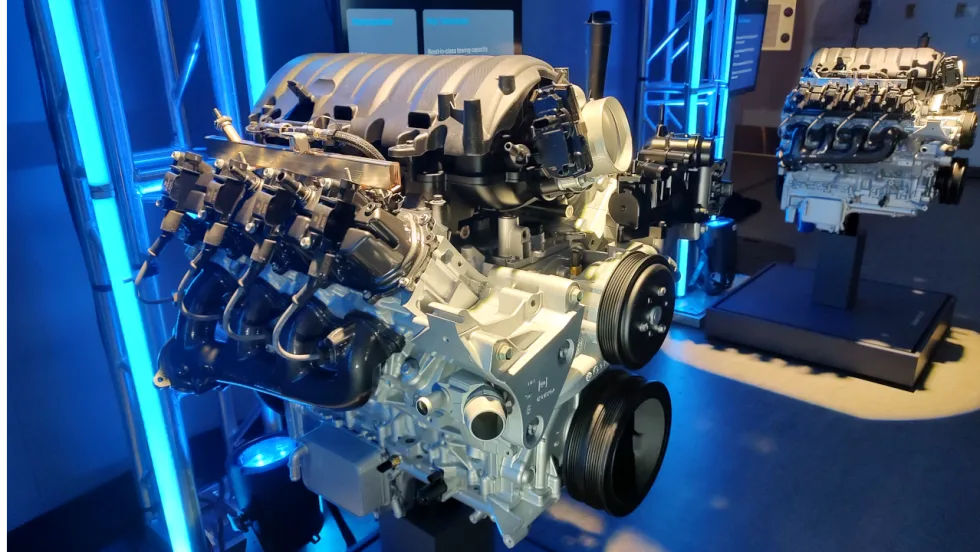
General Motors unveiled two new small-block engines, backed by extensive real-world validation and more than 70 years of small-block V8 manufacturing experience, as part of the engine portfolio for the 2027 Chevrolet Silverado 1500 and GMC Sierra 1500.
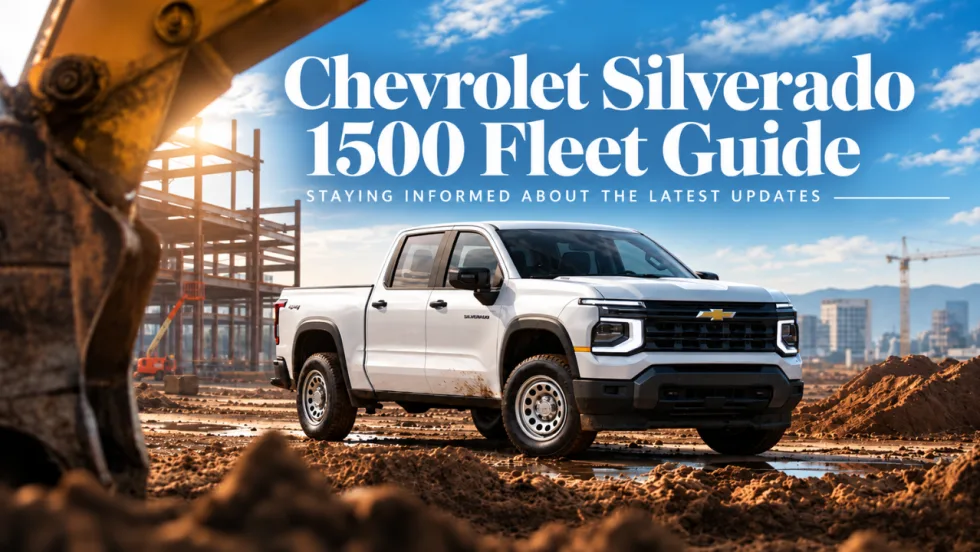
The next-generation 2027 Chevrolet Silverado 1500 brings new V-8 engines, updated technology, expanded safety features, and a fleet-focused Work Truck. Here’s what commercial fleets need to know so far.
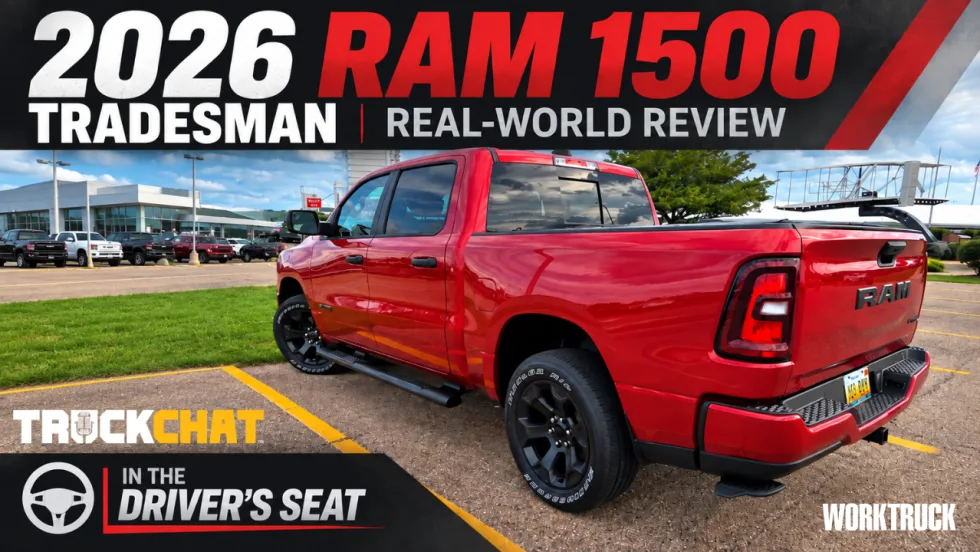
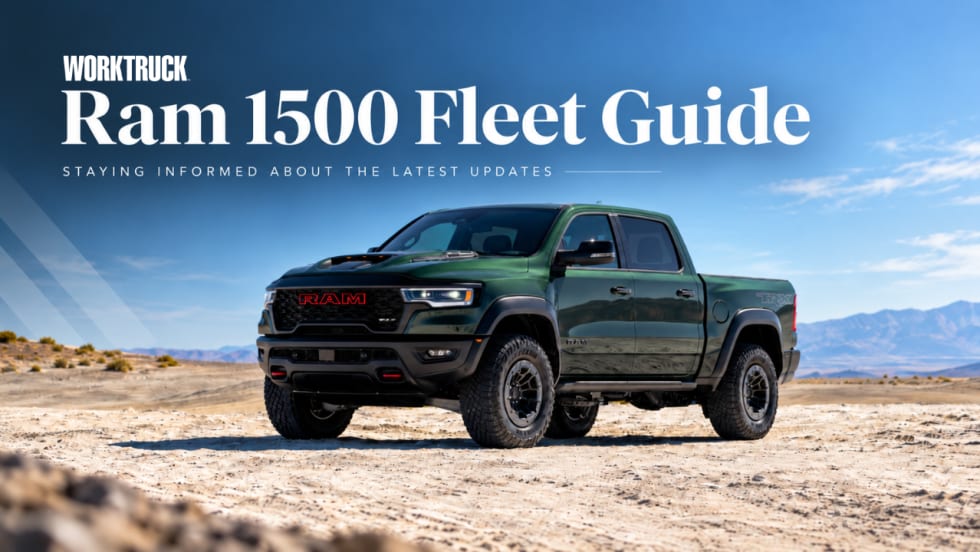
A few days behind the wheel of a 2026 Ram 1500 Tradesman turned into a test of visibility, parking, work-ready features, and even severe-weather driving.
Work Truck’s Ram ProMaster City Fleet Guide tracks the latest specifications, cargo capability, configurations, fleet technology, pricing, and model-year updates for Ram’s mid-size commercial van.
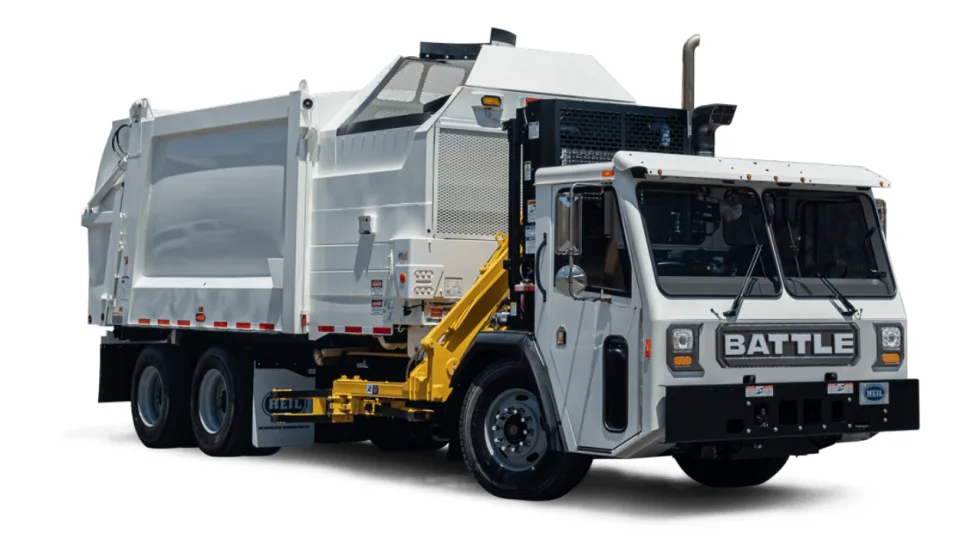
Midwest truck dealer Truck Centers, Inc. (TCI) has expanded its transportation solutions with sales and service support for Battle Motors’ heavy-duty vocational trucks at locations in locations in Indiana, Illinois, and Missouri
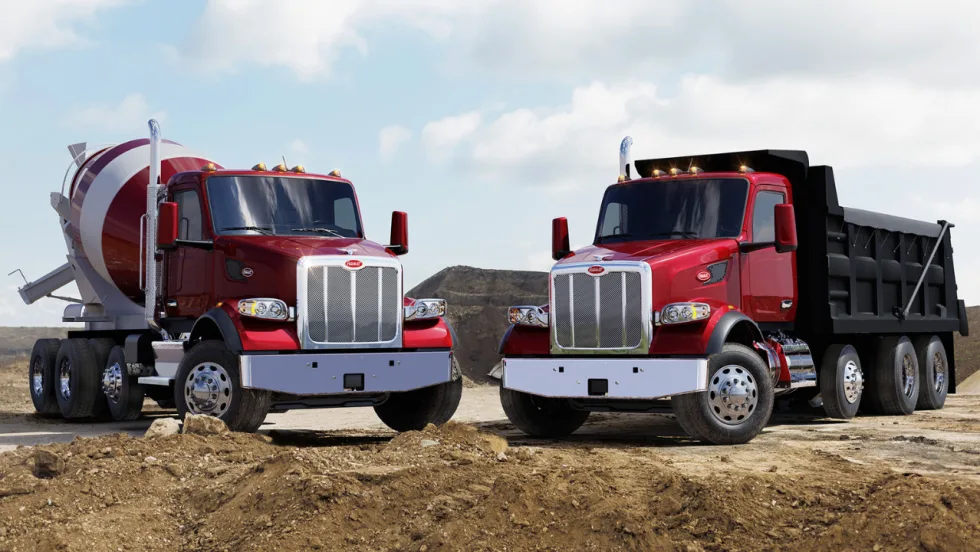
Patuxent Companies is replacing aging trucks with the Peterbilt Model 567 and Model 589, specified with the Paccar TX-18 Pro 18-speed automated transmissions, and is reporting an 8% to 10% improvement in fuel economy.
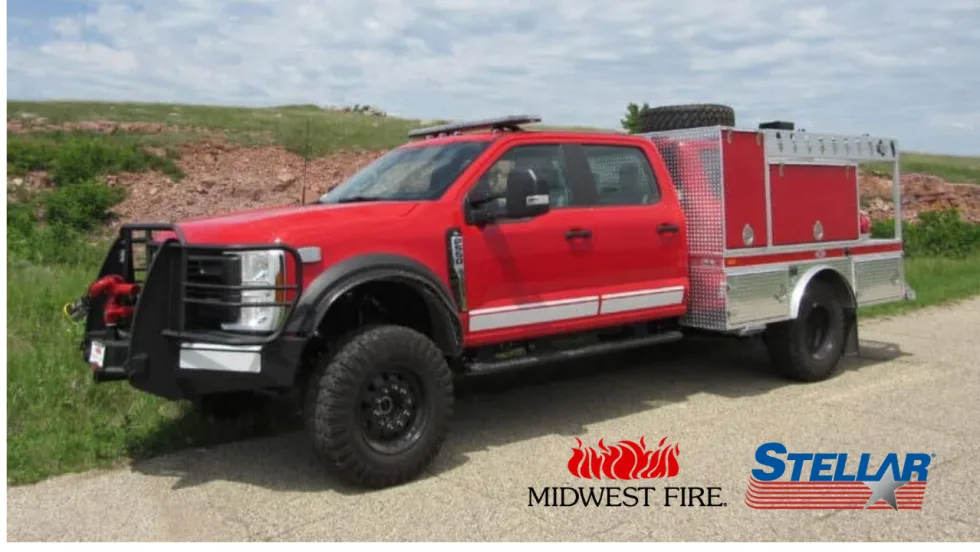
Stellar Industries has acquired Midwest Fire, a custom fire apparatus manufacturer headquartered in Luverne, Minnesota, with nearly four decades of specialized apparatus experience.