




ThompsonGas Shows the Way to a Propane Fleet in 3 Easy Steps
ThompsonGas expanded its fleet of propane vehicles in 2020 with Roush CleanTech in three steps.

ThompsonGas experiences a 70% fuel savings compared to diesel.
Photo: ThompsonGas
ThompsonGas, a fast-growing propane retailer in the United States, has doubled down on its commitment to propane autogas.
“We have customers that operate vehicles fueled by propane autogas. We want to walk the walk and show our customers that we believe in propane and its technology, too,” said Monte McLeod, director of autogas at ThompsonGas.
As ThompsonGas set out to expand its fleet of propane vehicles in 2020, McLeod discovered that adopting propane autogas vehicles is a simple, pain-free process that can be done in three easy steps.
Step 1:Place Your Order Through Your Favorite Dealer
McLeod ordered the trucks the same way he ordered gasoline or diesel vehicles, with the same lead time. If ThompsonGas opted to convert some of its existing non-gaseous prepped vehicles to operate on propane, the process would have taken about 12 hours.
With the latest addition of 10 new Ford F-750 delivery trucks equipped with Roush CleanTech fuel systems, ThompsonGas now operates 130 propane vehicles, with more on order. The trucks on order are certified to the ultra-low nitrogen oxide level of 0.02 g, which is 90% cleaner than the strictest heavy-duty engine standards.
Vehicles that run on propane autogas emit fewer greenhouse gases, smog-producing hydrocarbons, and particulate emissions than conventional fuels. In fact, 24 new Ford class 4-7 propane vehicles emit less nitrogen oxide than one class 4-7 diesel vehicle made between 2007 and 2010.
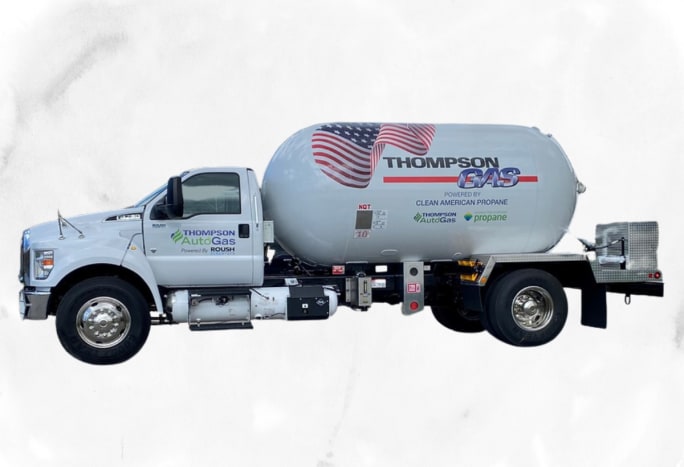
ThompsonGas added 10 new Ford F-750 delivery trucks equipped with Roush CleanTech fuel systems.
Photo: ThompsonGas
Step 2: Personalize Your Low-Cost Fueling Infrastructure
Propane stations cost less than any other type of station, including diesel, gasoline, CNG, and electric. Fleets can easily work with their local propane supplier to ensure a successful, low- or no-cost experience.
The same fuel management systems for gasoline and diesel are used with propane autogas dispensers, and they dispense at about the same rate (approximately 10 gallons/minute).
While propane autogas offers affordable options for infrastructure setup, including onsite, delivery, and public fueling stations, adding onsite fueling infrastructure was easy for a propane supplier like ThompsonGas.
The company’s onsite infrastructure includes a dispenser, pump and storage tank built on a skid for easy installation.
Propane suppliers help fleets choose the right fueling option based on fleet size, routes, budget, and facility space. Services offered by propane suppliers include:
Installing infrastructure.
Ensuring installation meets requirements.
Developing a custom fueling schedule.
Creating a fuel contract to lock in a set price per gallon.
Step 3: Maintain And Drive Your Vehicles The Same Way You Already Know How, But At A Lower Cost
Maintenance on ThompsonGas’s propane vehicles is more accessible and less expensive compared with their other vehicles. Their propane trucks eliminate the need for many of the burdensome and costly after-treatment measures required with diesel trucks.
ThompsonGas didn’t need to onboard or train specialized technicians to maintain their trucks. There were no burdensome changes to make to their maintenance buildings or diagnostic systems, either. Maintenance facilities currently approved for gasoline or diesel work don’t need ventilation modifications.
And, Roush CleanTech propane fuel systems are compatible with Ford integrated diagnostic system equipment, which is the same software that Ford dealerships use on commercial vehicles.
“We’ve enjoyed the lower fuel cost along with no issues mechanically. The vehicles have done extremely well, allowing us fewer fueling interruptions throughout the day and enabling us to get to our customers more quickly,” said Michael Hoffman, ThompsonGas’ district manager, Michael Hoffman.
ThompsonGas' Vehicles Deliver Long Distances with Ease
ThompsonGas’ vehicles are used extensively, including for delivery, service and sales routes. Driver Mark Draughn “loves his truck” because it travels long distances on daily routes, is easy to fuel, and handles well.
Draughn says he can’t tell the difference in drivability, except for the reduced noise level, which is about half compared to a diesel engine.
Propane has the lowest cost of ownership compared with all fuel types. ThompsonGas’ propane vehicle cost per mile is 60% lower than its diesel-powered models.
Hoffman estimates its propane vehicles will last 250,000 to 300,000 miles, with very simple maintenance requirements. Lower fuel costs, reduced maintenance, and a low total cost of ownership allow the company to run its business more efficiently.
Today, ThompsonGas experiences a 70% fuel savings compared to diesel. Historically, propane autogas costs about 50% less per gallon than diesel.
“ThompsonGas recommends that all propane marketers should be driving vehicles with the fuel they sell not only for the fuel savings and environmental benefits, but also that it shows they really believe in the fuel,” McLeod said.
More Green Fleet

Fleet Forward Conference Introduces One-Day Passes for 2026
New one-day registration gives fleet professionals the flexibility to attend Tuesday, Wednesday, or Thursday, with passes available for $199 through Sept. 18.
Read More →
CALSTART Rebrands as Catalyst Mobility, Will Combine with Forth in 2027
CALSTART has rebranded as Catalyst Mobility and will combine with Forth at the start of 2027. The new organization said it is poised to become one of the world's largest, strongest, and most impactful clean transportation nonprofits.
Read More →
Electric Truck and Charging Programs to Boost Sustainability at NY & NJ Ports
Together, the Port Authority of New York and New Jersey and CALSTART will electrify drayage and terminal operations serving the East Coast’s busiest container port. A pair of incentive programs totaling $45 million has launched to accelerate adoption of zero-emission drayage trucks and terminal tractors.
Read More →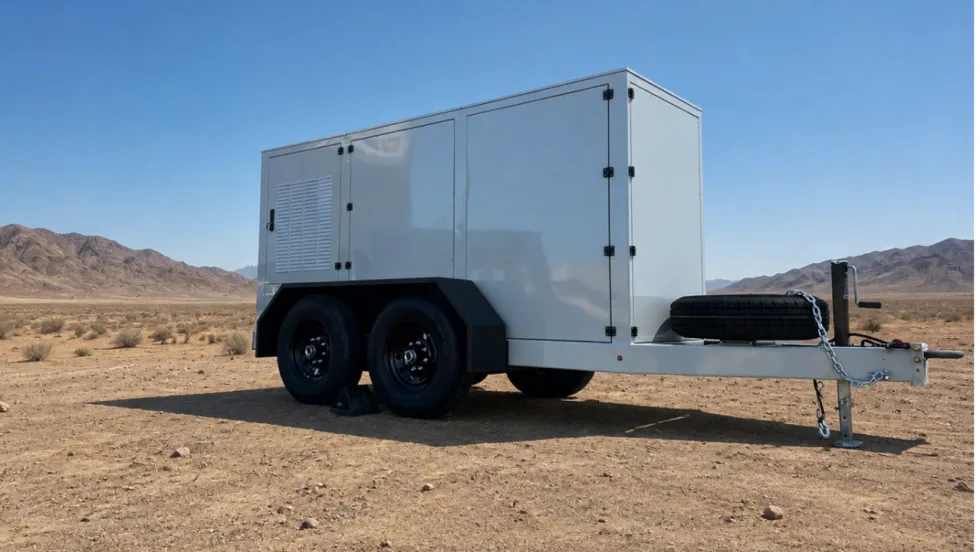
Xos Hub Surpasses One Gigawatt-Hour of Energy Delivered in the Field
A single Xos Hub has surpassed one gigawatt-hour of energy across more than 33,600 charging sessions in the field, demonstrating performance that supports Xos' expansion across new products and markets.
Read More →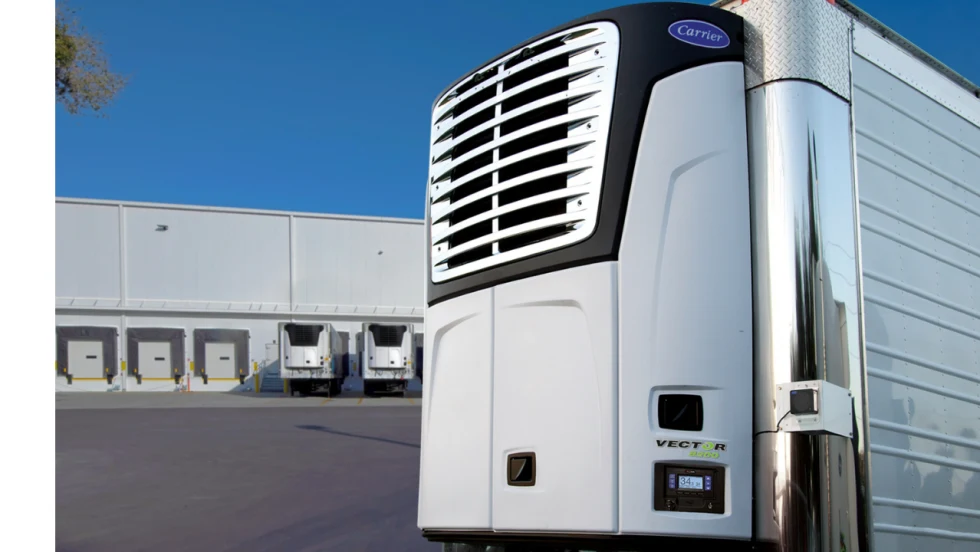
Carrier Transicold Launches All-Electric Vector 8200 TRU for Diesel-Free On-Site Cold Storage
Carrier Transicold’s first engineless multi-temperature TRU helps fresh- and frozen-food fleets add supplemental cold storage capacity during seasonal peaks.
Read More →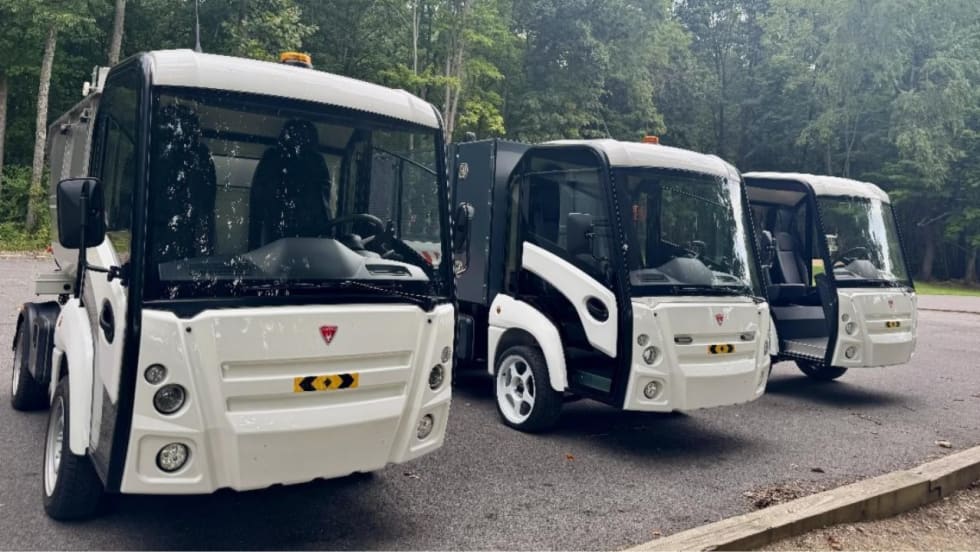
Narro Trucks Introduces Electric Utility Vehicle
Narro Trucks officially launched its operations on Aug. 20 and hosted a ride and drive to showcase its electric truck, which will be produced in Virginia.
Read More →
Samsung SDI Takes Full Control of GM Battery JV as Indiana Plant Pivots to Energy Storage
Samsung SDI is taking full control of its Indiana battery plant with GM, marking a major shift from the EV-focused joint venture Charged Fleet first covered in 2023.
Read More →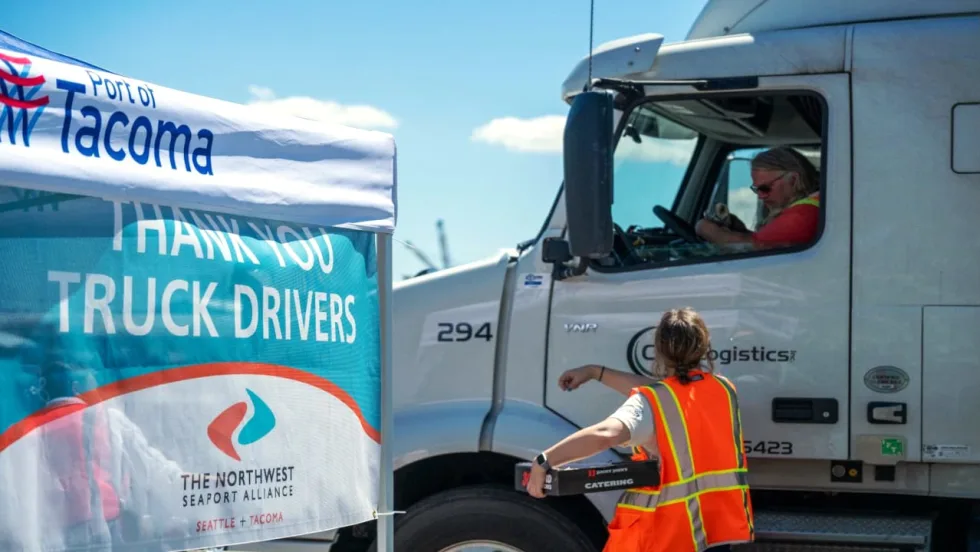
NWSA Taps CALSTART to Administer Zero-Emission Drayage Assistance Program
CALSTART will provide free technical assistance services to drayage fleets serving the Ports of Seattle and Tacoma and looking to transition to cleaner technologies and help decarbonize freight hubs.
Read More →
EV Fleet Reality Check: What Operators Wish They Knew Before Electrifying Their Work Vans
Electric work truck upfits bring new compatibility questions. Learn how parts availability, OEM guidance, power demands, and route planning can affect fleet performance.
Read More →
Peterbilt Expands Sourcewell Partnership with Electric Vehicle Lineup
Peterbilt Motors Company’s cooperative purchasing agreement with Sourcewell and its Canadian partner, Canoe Procurement Group, now includes including Peterbilt's battery-electric vehicle lineup.
Read More →