





More on Electric Bobcat: First Electric Bobcats Delivered to Sunbelt Rentals
The Rise of Electric Construction Equipment
Compact equipment manufacturers are developing electric construction equipment as the quest for net zero emissions continues.
October 14, 2022

The first all-electric Bobcat T7X compact track loader.
Photo: Doosan Bobcat/WorkTruck
2 min to read
We are in the midst of electrifying everything. So it’s no surprise that construction equipment is a part of this revolution too.
When construction equipment started going electric, OEMs first developed hybrid models. So most electric models used today are electric and hydraulic. The lithium-ion battery replaces the diesel engine, so it powers the electric motor and conventional hydraulics.
“From a technological standpoint, electric-powered compact equipment was one of the easiest to go after,” said Chris Lucas, product manager for excavators, JCB North America, in an article from Association of Equipment Manufacturers (AEM).
But now, more companies are expanding with alternatives. One such alternative is Doosan Bobcat’s T7X compact track loader. The hydraulics and engine were removed, and in their place is an electric battery and electrical drive system consisting of electric cylinders and drive motors.
“With an all-electric system, it’s power on demand, only using the energy you need for the task at hand,” said Dave Grabau, key account manager, Moog Construction, a Doosan Bobcat partner on the T7X. “You’re not running at wide open throttle or dumping hydraulic fluid over a relief valve and wasting that energy. The powertrain is not limited by emissions tiers, such as 55 kW (74 horsepower).”
The Best Way to Charge Electric Construction Equipment
Currently in production, the T7X has a power range of 100 to 150 horsepower. The first completed bobcats were delivered to Sunbelt Rental in Sacramento, California, on September 29.
But how do you charge the equipment? Temporary job site equipment must be easily chargeable without a lot of preparation requirements.
It would be counterintuitive to charge it with a diesel generator. As a result, JCB developed a universal fast charger, designed to charge Sunbelt Rental’s fleet of E-Tech machines.
Also Beam Global has partnered with Volvo to bundle Beam’s ARC system to use for electric equipment at Volvo dealerships.
As for cost of using electric construction equipment, JCB did a return-on-investment study that showed a 50% ROI within three to five years, Lucas said. “There are no maintenance costs with electric machines,” he added. “All you’re doing is charging the machine and filling up the hydraulic fluids.”
In the end, the best way to eliminate diesel and fully adopt electric construction equipment is have it become economically viable.
Ray Gallant, vice president of product management and productivity for Volvo Construction Equipment, “Widespread adoption of electric equipment starts when it becomes economically viable. But everyone seems to be willing to see where it develops, and that’s encouraging.”
Subscribe to Our Newsletter
More Vehicle Research
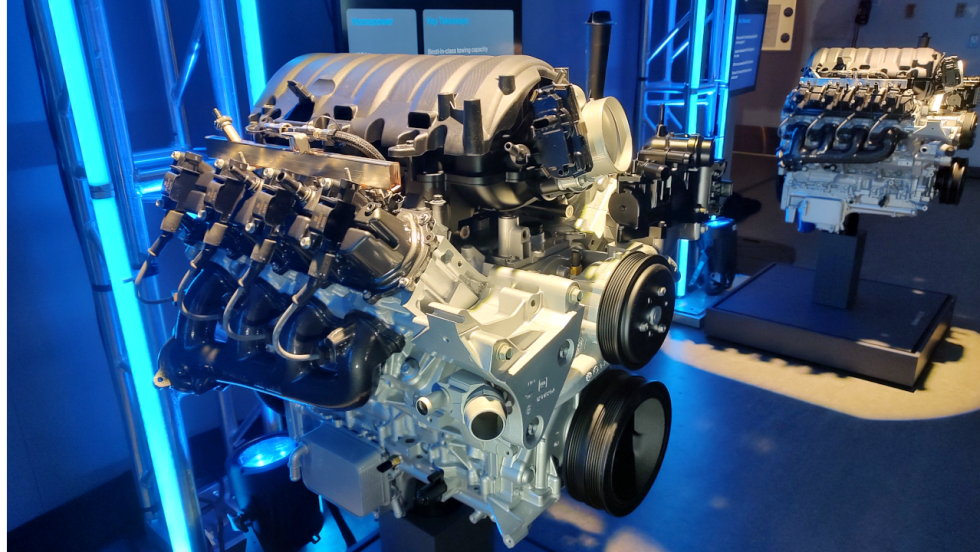
GM Unveils New Sixth-Generation Small Block Engines for 2027 Light-Duty Pickups
General Motors unveiled two new small-block engines, backed by extensive real-world validation and more than 70 years of small-block V8 manufacturing experience, as part of the engine portfolio for the 2027 Chevrolet Silverado 1500 and GMC Sierra 1500.
Read More →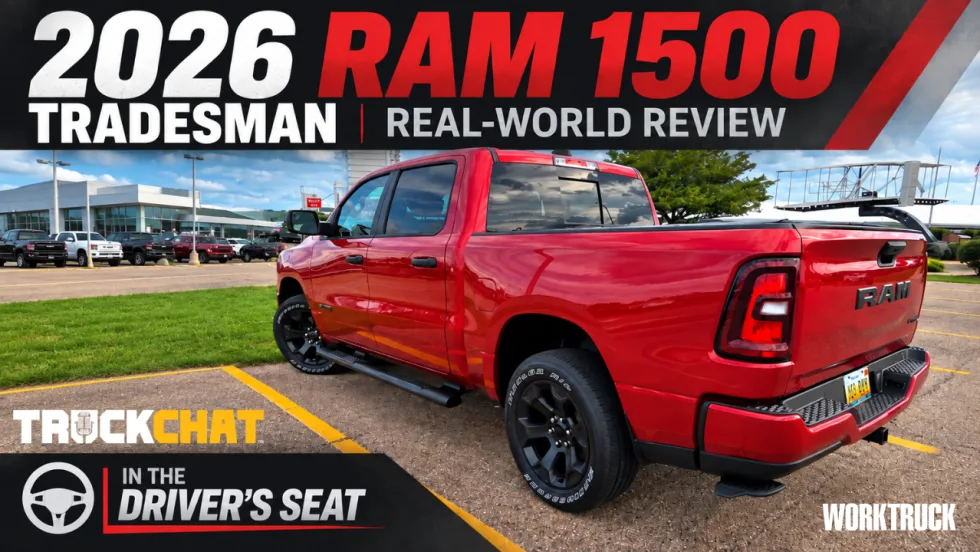
2026 Ram 1500 Tradesman Put to a Real-World Fleet Test
A few days behind the wheel of a 2026 Ram 1500 Tradesman turned into a test of visibility, parking, work-ready features, and even severe-weather driving.
Read More →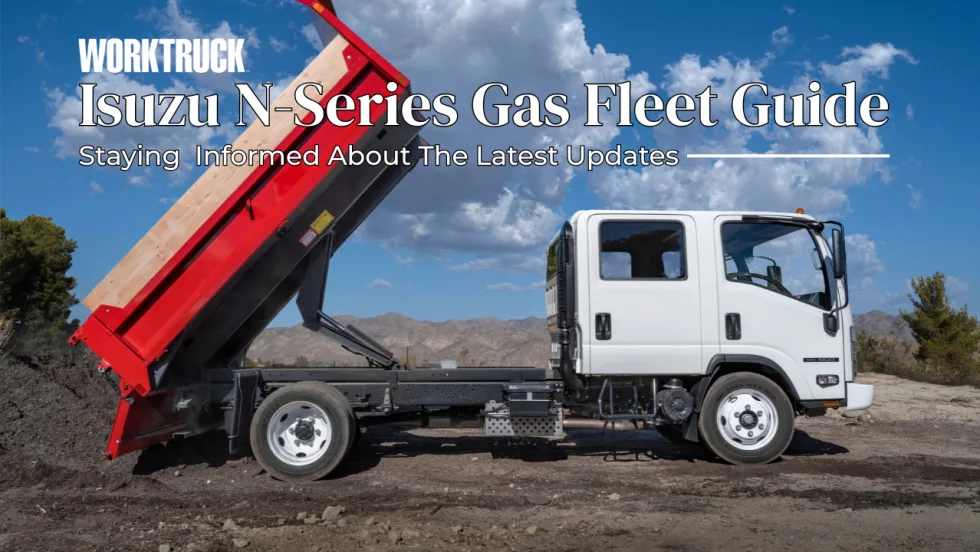
Isuzu N-Series Gas Fleet Guide: Specs, Capability and 2027 Model-Year Updates
Explore Isuzu Truck North America’s N-Series Gas fleet specs, engine performance, GVWR and payload capability, configurations, chassis dimensions, work-focused features, and 2027 model-year information.
Read More →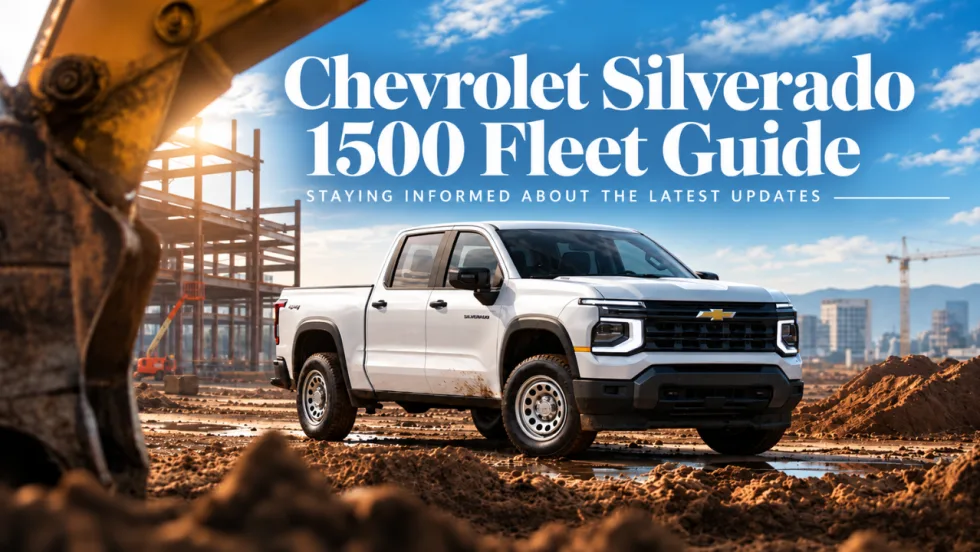
Chevrolet Silverado 1500 Fleet Guide Specs Capability and 2027 Model-Year Updates
The next-generation 2027 Chevrolet Silverado 1500 brings new V-8 engines, updated technology, expanded safety features, and a fleet-focused Work Truck. Here’s what commercial fleets need to know so far.
Read More →
Ram ProMaster City Fleet Guide Specs Cargo Capacity and 2027 Updates
Work Truck’s Ram ProMaster City Fleet Guide tracks the latest specifications, cargo capability, configurations, fleet technology, pricing, and model-year updates for Ram’s mid-size commercial van.
Read More →
Ford F-150 Fleet Guide Specs Capability and 2026 Model-Year Updates
Explore 2026 Ford F-150 fleet specs, engines, towing and payload capability, configurations, work features, technology, and model-year updates.
Read More →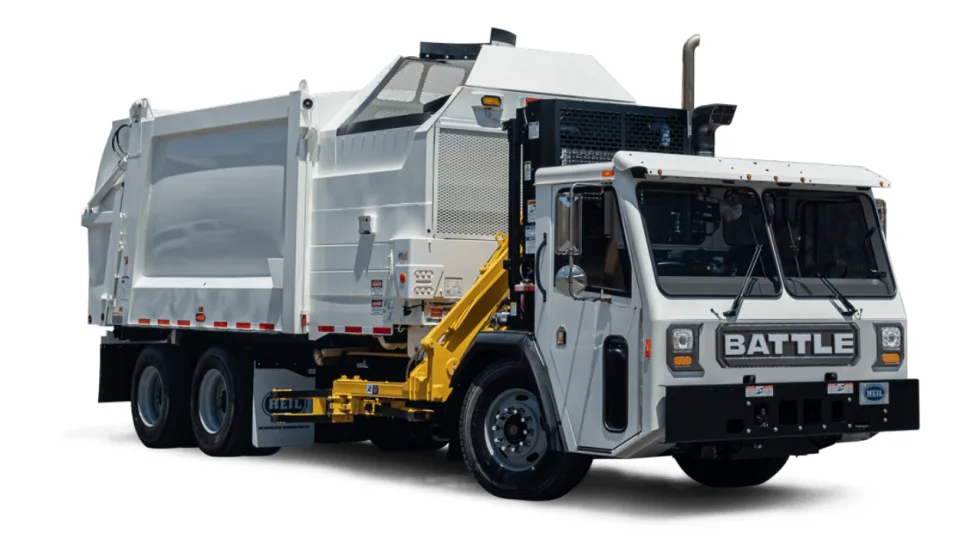
TCI Now Sells & Supports Battle Motors’ Vocational Trucks
Midwest truck dealer Truck Centers, Inc. (TCI) has expanded its transportation solutions with sales and service support for Battle Motors’ heavy-duty vocational trucks at locations in locations in Indiana, Illinois, and Missouri
Read More →
Ram 1500 Fleet Guide Specs, Capability and 2027 Model-Year Updates
Explore always up-to-date Ram 1500 fleet specs, engines, towing and payload capability, configurations, technology, pricing updates, and model-year changes.
Read More →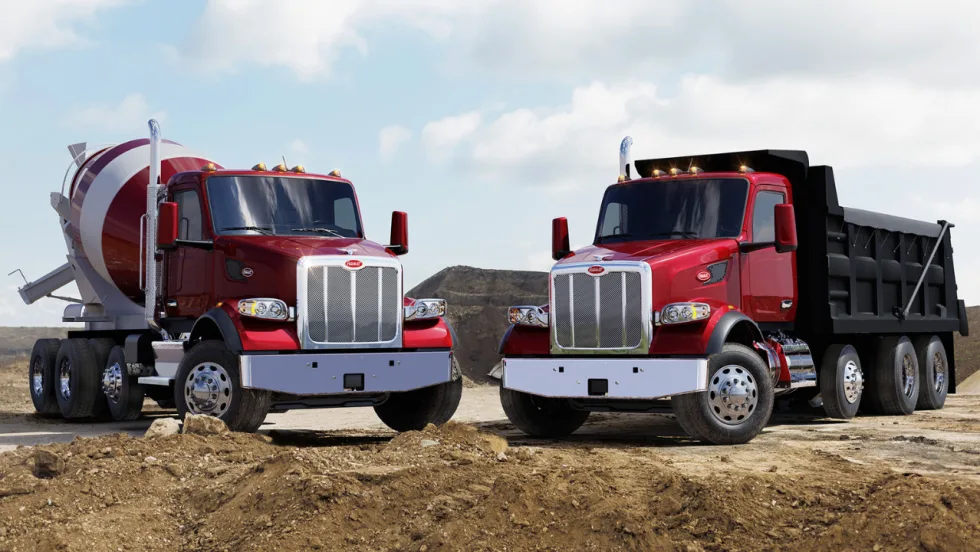
Peterbilt Trucks Equipped with Paccar TX-18 Pro Boost Efficiency for Maryland Fleet
Patuxent Companies is replacing aging trucks with the Peterbilt Model 567 and Model 589, specified with the Paccar TX-18 Pro 18-speed automated transmissions, and is reporting an 8% to 10% improvement in fuel economy.
Read More →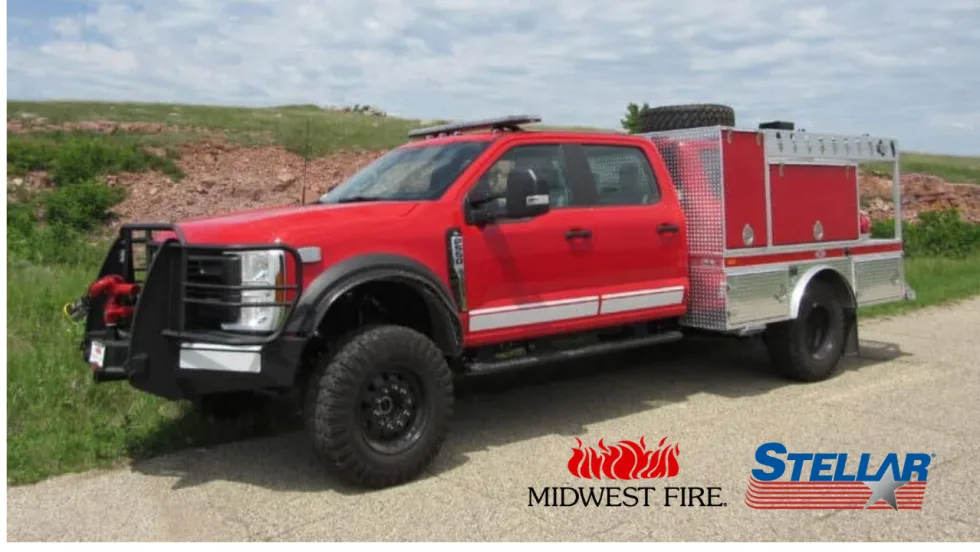
Stellar Expands into Fire Apparatus Market with Acquisition of Midwest Fire
Stellar Industries has acquired Midwest Fire, a custom fire apparatus manufacturer headquartered in Luverne, Minnesota, with nearly four decades of specialized apparatus experience.
Read More →