




Learn More: Blue Arc Electric Van Walkaround [Video]
The Portable, Responsible Approach to Charging EV Truck Fleets
Investing in truly sustainable innovation is one way can create the best of times with a smart, responsible, sustainable approach to fueling the EV promise and delivering a more sustainable, purpose-driven future.
by Eric Fisher
June 30, 2022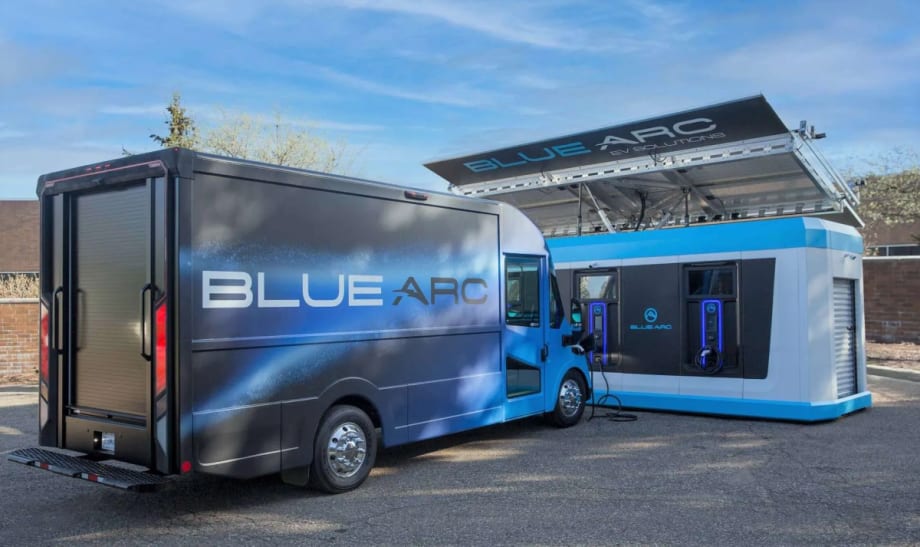
Shyft created a potential solution called the Power Cube, designed for flexible, mobile and temporary EV charging.
Photo: Shyft/Blue Arc
4 min to read
When it comes to charging an electric vehicle (EV) fleet, it’s a bit of a “Tale of Two Cities” situation. You remember, that’s the one that starts with the famous line, “It was the best of times, it was the worst of times…”
In some respects, it is the best of times: we’ve never seen the commitment to EVs like we see now. Investments to develop more fast-charging stations across the country are pouring in from federal and state governments and agencies, from automakers, and from VCs. Precedence Research forecasts the market for EV charging stations will reach $417B by 2030, and that’s by growing at a rate of 30% per year from where we are now with a $35B market.
We see intent and funding at all levels, and we’re undoubtedly heading in the right direction to create the needed infrastructure to help move us away from fossil fuel dependency.
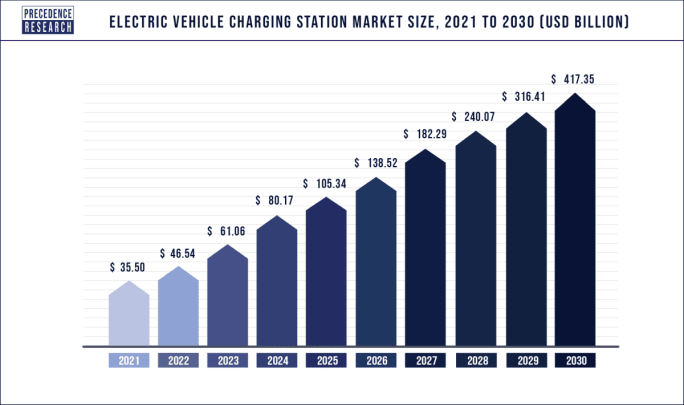
Source: Precedence Research
Working Through Infrastructure Challenges
What’s concerning, though, is the very act of building infrastructure for sustainable solutions might very well negate their altruistic purpose.
Infrastructure is responsible for more than 60% of global greenhouse gas emissions – a difficult pill to swallow when your vision is a world made better through EV solutions.
It’s imperative that we as an industry reevaluate how we’re building our infrastructure – not simply what the infrastructure hopes to achieve. Currently, if a fleet operation needs a charging station, they’ll spend anywhere from $20,000 to $150,000 per station to install permanent infrastructure. That cost doesn’t include the thousands of additional dollars required to run and bury wiring under the parking lot, or the untold cost of time, as this process can take anywhere from 12-36 months.
Electrification is happening now, as evidenced at ACT Expo and other recent events where a number of new electric commercial vehicles entered the market. While charging infrastructure is not at the same place as vehicle development and market entry, it will be soon.
Understanding Sustainable Solutions
It’s on us as an industry to create sustainable infrastructure, designed from the start to maximize positive impacts on the economy, society and the environment, especially as electrification continues to scale. But what choices are there?
Potential solutions available to electrified fleets primarily consist of networks of public charging stations, as well as fleet depot solutions and dedicated charging hubs. There are also solar companies and solar carport providers which serve commercial fleets, pilot programs for future roadways that will charge vehicles as they drive, and ideas to add charging functionality to existing infrastructure such as lamp posts.
Looking beyond existing business models, at Shyft we created a potential solution called the Power Cube, designed for flexible, mobile and temporary EV charging. Our hope is that by rethinking the lifecycle of infrastructure – leveraging a portable, flexible microgrid that requires no digging or trenching for a permanent underground connection – we will leave a softer carbon footprint.
In essence, it is clean, responsible energy when and where you need it. When it’s no longer needed or there is a desire to move the charging station to a different location, it simply gets picked up and moved. This portability also creates possibilities for adaptability, too.
Consider the case of a natural disaster, where grid power may be knocked out across a large geographic area and power is absolutely required for rescue and damage-control operations. Or military applications, where portable charging pods can provide a charge to drones, ground vehicles and communications equipment. Use cases become endless – and potential for good expands exponentially.
We know it’s absolutely critical for the transportation industry to take action and reduce its carbon footprint – which is why creating a better, more sustainable, and inclusive future is a fundamental value of the Shyft Group. Doubling down and investing R&D support in truly sustainable innovation is one way can truly create the best of times with a smart, responsible, sustainable approach to fueling the EV promise and delivering a more sustainable, purpose-driven future.
About the Author: Eric Fisher is Senior Vice President and General Manager of Shyft Innovations, the Shyft R&D arm responsible for Blue Arc EV Solutions.
Subscribe to Our Newsletter
More Green Fleet

Fleet Forward Conference Introduces One-Day Passes for 2026
New one-day registration gives fleet professionals the flexibility to attend Tuesday, Wednesday, or Thursday, with passes available for $199 through Sept. 18.
Read More →
CALSTART Rebrands as Catalyst Mobility, Will Combine with Forth in 2027
CALSTART has rebranded as Catalyst Mobility and will combine with Forth at the start of 2027. The new organization said it is poised to become one of the world's largest, strongest, and most impactful clean transportation nonprofits.
Read More →
Electric Truck and Charging Programs to Boost Sustainability at NY & NJ Ports
Together, the Port Authority of New York and New Jersey and CALSTART will electrify drayage and terminal operations serving the East Coast’s busiest container port. A pair of incentive programs totaling $45 million has launched to accelerate adoption of zero-emission drayage trucks and terminal tractors.
Read More →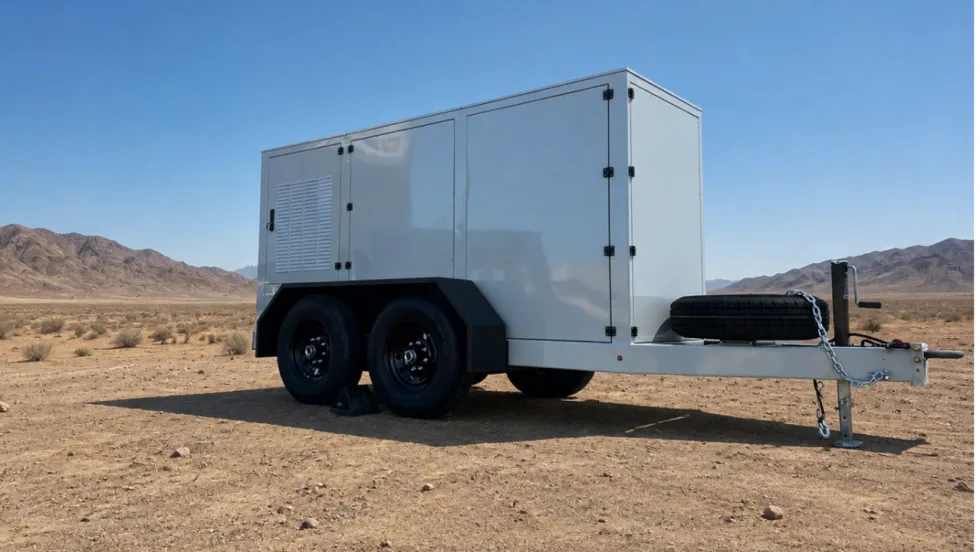
Xos Hub Surpasses One Gigawatt-Hour of Energy Delivered in the Field
A single Xos Hub has surpassed one gigawatt-hour of energy across more than 33,600 charging sessions in the field, demonstrating performance that supports Xos' expansion across new products and markets.
Read More →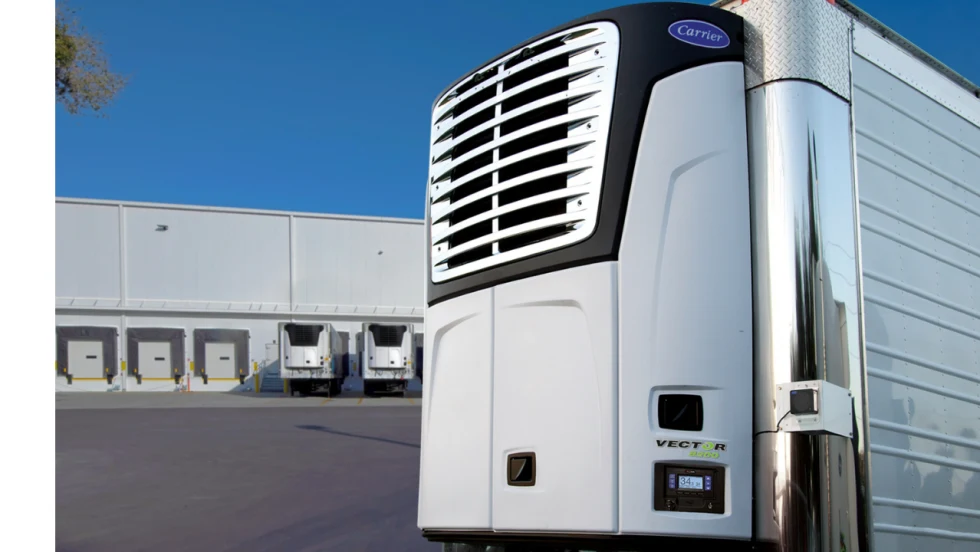
Carrier Transicold Launches All-Electric Vector 8200 TRU for Diesel-Free On-Site Cold Storage
Carrier Transicold’s first engineless multi-temperature TRU helps fresh- and frozen-food fleets add supplemental cold storage capacity during seasonal peaks.
Read More →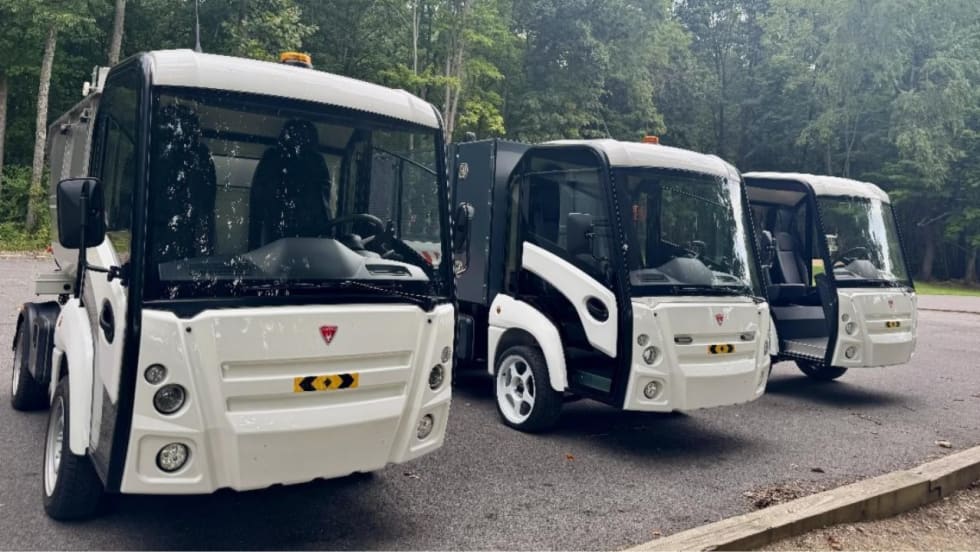
Narro Trucks Introduces Electric Utility Vehicle
Narro Trucks officially launched its operations on Aug. 20 and hosted a ride and drive to showcase its electric truck, which will be produced in Virginia.
Read More →
Samsung SDI Takes Full Control of GM Battery JV as Indiana Plant Pivots to Energy Storage
Samsung SDI is taking full control of its Indiana battery plant with GM, marking a major shift from the EV-focused joint venture Charged Fleet first covered in 2023.
Read More →
NWSA Taps CALSTART to Administer Zero-Emission Drayage Assistance Program
CALSTART will provide free technical assistance services to drayage fleets serving the Ports of Seattle and Tacoma and looking to transition to cleaner technologies and help decarbonize freight hubs.
Read More →
EV Fleet Reality Check: What Operators Wish They Knew Before Electrifying Their Work Vans
Electric work truck upfits bring new compatibility questions. Learn how parts availability, OEM guidance, power demands, and route planning can affect fleet performance.
Read More →
Peterbilt Expands Sourcewell Partnership with Electric Vehicle Lineup
Peterbilt Motors Company’s cooperative purchasing agreement with Sourcewell and its Canadian partner, Canoe Procurement Group, now includes including Peterbilt's battery-electric vehicle lineup.
Read More →