




The Cost Squeeze is Not Letting Up, and Fleets Are Planning Like It
2026 will test fleet budgets with rising costs, tariffs, and insurance pressure. Here’s how fleets are planning smarter and staying flexible.


Inflation may not dominate headlines the way it did a few years ago, but fleets still feel the ripple effects everywhere: acquisition, upfitting, maintenance, insurance, labor, and total cost of ownership.
Credit: Work Truck
If fleets were hoping 2026 would be the year the market finally settles down, here’s the honest forecast: it probably won’t.
The biggest disruptor facing light- and medium-duty work truck fleets next year isn’t one flashy new technology or a single regulation that changes everything overnight. It’s the steady, stubborn reality that costs are still climbing, uncertainty is still hanging over procurement, and fleet leaders are being asked to do more with less without sacrificing uptime.
That doesn’t mean fleets are doomed to white-knuckle it through another year. It means 2026 is shaping up to be a planning year. A strategy year. And for many fleets, a “prove it” year, where every investment must show a measurable return.
“As 2026 dawns, the view will likely feel a bit familiar,” said Dave Berno, transportation practice leader for global insurance brokerage Hub International. “Rising costs and economic volatility continue to put financial pressure on fleet owners, while workforce shortages remain a persistent concern.”
That familiar view has become a pattern: equipment is expensive, repairs are expensive, downtime is expensive, insurance is expensive, and even the uncertainty is expensive because it changes how fleets budget.
Berno’s takeaway is simple: fleets have an opportunity to get ahead of the pressure, but only if they treat resiliency and risk management as operational priorities, not side projects.
“There’s perhaps never been a more important time for light- and medium-duty truck fleets to strengthen operational resiliency and implement strategies to manage current and anticipated risk better,” Berno said.
Everything Costs More, So Planning Has to Do More
Inflation may not dominate headlines the way it did a few years ago, but fleets still feel the ripple effects everywhere: acquisition, upfitting, maintenance, insurance, labor, and total cost of ownership. The list of line items that “used to be manageable” keeps getting longer.
“From higher equipment costs to tariffs to rising insurance and excess liability premiums, everything is simply more expensive,” Berno said.
In a market like this, fleets don’t just need better purchasing tactics. They need better decision-making. That means stronger data. Tighter budgeting. And a clear understanding of what costs are driving the most pain: vehicle price, downtime, insurance, and labor.
That’s also why fixed replacement cycles are becoming less realistic for some fleets. When pricing swings and budgets tighten, a rigid plan can turn into a liability.
Fleets that can build flexibility into their lifecycle strategies, while still protecting uptime, will be better positioned to navigate 2026’s volatility.
Tariffs May Stop Being Background Noise and Start Hitting Budgets
Tariffs have been the looming question mark in fleet procurement, and while many fleets didn’t feel the full impact in 2025, that doesn’t mean they’re in the clear.
“While tariffs have not had a significant impact on 2025 vehicle prices, largely driven by OEMs absorbing those costs, fleet managers should expect that 2026 could be the year where they begin to pass along cost increases to consumers,” said Tim Mundahl, Director of Fleet Consulting at Merchants Fleet.
Mundahl expects medium-duty fleets to feel the impact in a noticeable way.
“For medium-duty trucks impacted by tariffs, it is reasonable to expect a 5-10% price increase,” Mundahl said. “Light-duty trucks could see increases of several thousand dollars.”
Tariffs also won’t stay contained to the sticker price. They can hit parts pricing, upfit components, and delivery timing, and fleets will feel that pressure fast when availability starts shifting.
“Businesses with commercial vehicle fleets, from small to mid-market, will likely continue to face challenges as tariffs and trade wars impact interest rates, supply chains, and consumer behavior,” said Brian Fournier, Americas senior vice president and general manager of fleet and mobility at WEX. “As just one example of industry impact, according to McKinsey & Company, new tariffs enacted in April 2025 drove the U.S. weighted-average tariff rate from 2% to over 20% in a matter of weeks.”
Fournier added that spikes like that don’t just move numbers in a spreadsheet. They can affect “the cost and availability of key vehicle components, especially batteries, semiconductors, and steel-intensive parts,” which can drive up the price of new and upfitted service vehicles.
If that plays out, fleets could face harder choices around ordering, lifecycle timing, and even equipment selection. Tariffs don’t just affect the sticker price, either. They can flow into parts pricing, upfit components, and the timing of production and delivery, all of which affect uptime.
It’s also why fleets may lean more heavily into scenario planning in 2026. Instead of forecasting a single outcome, leaders may need multiple procurement plans based on developments in policy, cost pass-through, and availability.
Zero-Sum Budgeting is the New Fleet Mindset
The financial pressure isn’t just about higher costs. It’s also about the feeling that spending is under a microscope.
Kathryn Schifferle, Founder and Chief Vision Officer at Work Truck Solutions, expects fleets to face an unstable purchasing environment in 2026, driven by multiple moving variables.
“Continued volatility in purchase incentives, the removal of EV incentives, combined with uncertainty about tariff costs, and future interest rate movements have created an unstable purchasing environment,” Schifferle said. “These moving targets and concerns with affordability will continue to constrain capital spending and new truck orders.”
Schifferle sees 2026 as a year when the industry shifts to a more intense ROI mindset.
“The industry is forecasting little to no growth in 2026, a possible 3% decline,” Schifferle said. “This will force dealers and fleets into a ‘zero-sum budgeting’ mindset, where every dollar spent must show a clear, measurable return on investment.”
That line hits because it’s not just a budget prediction. It’s a prediction about behavior.
In zero-sum budgeting, fleets don’t necessarily stop investing. They invest differently. They ask harder questions. They prioritize purchases that protect uptime. And they expect vendors and partners to prove value quickly.
In that kind of environment, fleets also get sharper about spec’ing the right truck and the right upfit for the job, because productivity becomes the metric that matters most.
Schifferle expects data-driven upfit and inventory optimization to accelerate.
“In a cost-sensitive market, having the ‘right truck’ means having the most productive upfit package for the specific job in a specific region,” she said.
This isn’t just about buying smarter. It’s about preventing the expensive mistake of buying something that looks good on paper but underperforms in the field.
Total Cost of Ownership Becomes the Filter for Every Decision
As cost pressure continues, the total cost of ownership is becoming more than a line in a spreadsheet. It’s becoming the way fleets justify decisions to leadership.
“Fleets will increasingly evaluate all investments from electrification to telematics to outsourcing through the lens of total cost of ownership,” said Raj Udeshi, Director of Product Marketing at FASTER Asset Solutions. “With rising costs and tighter budgets, the ability to model lifecycle costs accurately will separate high-performing fleets from the rest.”
That shift sounds obvious, but it’s significant because it changes how fleets talk about everything: vehicles, technology, maintenance strategy, replacement timing, even staffing models.
Udeshi also pointed to continued volatility tied to trade policy and supply chain dynamics.
“Shifts in trade policy and potential new tariffs on vehicles, parts, or batteries could significantly impact fleet budgets and planning,” Udeshi said. “Fleets should anticipate continued price volatility and build flexibility into procurement and lifecycle strategies.”
That’s the throughline of 2026: flexibility becomes a competitive advantage. The fleets that can adjust without disrupting operations are the fleets that will stay in control.
Outsourcing and Integrated Fleet Services Keep Gaining Ground
When budgets tighten, fleet leaders often look for ways to reduce complexity and manage risk more effectively.
That’s one reason integrated fleet management services are expected to remain central to strategy, especially as fleet operations become harder to manage with internal resources alone.
“Companies will increasingly rely on integrated fleet management services that combine telematics, cameras, fuel tracking, maintenance, tolls, and risk management,” said Kendra Rupp, Regional Vice President, Client Partnerships at Mike Albert Fleet Solutions. “This holistic approach allows businesses to focus on operations while outsourcing fleet complexities to expert partners.”
Rupp also expects fleet rightsizing to accelerate as organizations examine whether every vehicle in their fleet is the best match for the work being done.
“Organizations will continue replacing oversized diesel trucks with smaller, fuel-efficient vehicles tailored to specific job needs,” Rupp said. “This shift reduces total cost of ownership and aligns with sustainability goals.”
Rightsizing decisions that reduce fuel spend and acquisition cost and simplify the fleet mix are a quiet disruptor that can have a major financial impact.
Predictive Maintenance Moves from Future Idea to Real Budget Strategy
Another theme emerging from cost-focused forecasts is the role of maintenance in protecting uptime.
Predictive maintenance is often discussed as a tech trend, but it’s increasingly seen as a cost-control strategy because maintenance failures are expensive and downtime results in revenue loss.
“Predictive maintenance will start to become more prevalent in 2026,” Mundahl said. “Predictive or proactive maintenance will start to become available versus fixed interval approaches to PM scheduling, as has been the norm for centuries.”
Rupp also expects preventive and predictive approaches to become standard.
“Fleets will invest more in proactive maintenance strategies, using predictive analytics to identify issues early and avoid costly breakdowns,” Rupp said. “This will improve uptime and reduce long-term repair expenses.”
For fleets, the biggest benefit isn’t just avoiding breakdowns. It’s turning maintenance into something that supports operational predictability. When vehicles are available when they’re needed, everything else works better: scheduling, staffing, customer commitments, and revenue.
And in a year where budgets are tight, predictability is priceless.
Insurance Pressure Pushes Fleets to Double Down on Safety Investment
Insurance and liability costs are another major piece of the 2026 cost puzzle, and this is where risk management gets real.
Berno said the insurance burden is growing, but fleets can take steps to improve outcomes, even when they can’t control the market.
“Investing in safety and compliance through telematics, driver training, and driver incentive programs can not only strengthen compliance and competitiveness, but also help improve long-term profitability,” Berno said.
He also noted that analytics can help identify insurance cost savings opportunities and support better financial planning.
The message is clear: safety investment isn’t just about preventing incidents, it’s also about controlling costs, improving claims outcomes, and strengthening insurability.
But as fleets adopt technology, they also need to consider a newer risk category that continues to climb: cybersecurity.
“As you add new technologies, however, be aware that they increase your company’s cyber security risk, so ensure you have adequate cyber liability coverage,” Berno said.
What Fleets Should Take from the 2026 Cost Outlook
There’s no single move that “solves” 2026. The most realistic forecast is that fleets will need to manage multiple pressure points simultaneously: pricing uncertainty, tariff risk, insurance, maintenance costs, and leadership expectations for measurable ROI.
But there is a clear path forward.
The fleets best positioned for 2026 will be the ones that treat flexibility, data, and risk management as essential operational tools. They’ll model TCO aggressively. They’ll make replacement and purchasing decisions based on what protects uptime, not just what fits a calendar cycle. They’ll invest in safety and proactive maintenance because those investments will prevent higher costs later. And they’ll put more emphasis on vendor accountability and measurable value.
Or, as Berno put it, “A proactive approach to expense management, labor, technology, safety, and resiliency will be a key tool to navigating what’s ahead.”
And for fleet managers reading this while mentally calculating next year’s budget spreadsheets, at least you’re not alone.
The forecast may look familiar. But the fleets that plan differently in 2026 can still come out ahead.
A Forecast Series Built for Fleet Planning, Not Guesswork
The forces shaping 2026 won’t hit fleets one at a time. They’ll hit all at once. Read the full Work Truck forecast series for more insights on how fleets can plan smarter and stay ahead.
Fleet Tech in 2026 Will Stop Being a Stack and Start Being a System
In 2026, Safety Stops Being a Program and Becomes How Fleets Operate
The 2026 Powertrain Playbook is Less About Picking a Winner and More About Building Resilience
In 2026, Yard Operations Stops Being a “Site Thing” and Starts Becoming a Strategy
More Operations
Family Ties Inside the Fleet Families Building Careers Across Generations
Three fleet families share what it really takes to work together, learn across generations, and keep business from following them home.
Read More →
Shades of Fleet Call for Voices: Fleet's Hidden Heroes
Fleet’s hidden heroes are often the ones keeping everything moving behind the scenes. September’s Shades of Fleet is looking for dispatchers, coordinators, parts specialists, and other support pros to share their stories.
Read More →
Truck Centers, Inc. Celebrates National Truck Driver Appreciation Week with $1,000 Fuel Card Giveaways
During National Truck Driver Appreciation Week, Truck Centers, Inc. is offering customers a chance to fuel up for free. Customers at all Truck Centers locations can enter to win one of four $1,000 fuel cards from Sept. 14 - 18.
Read More →
Fleet Guides, AI Time-Savers, Truck Tariffs & Fuel Strategy Lead the News
This week’s Truck Chat Cheat Sheet covers new fleet vehicle guides, practical AI use cases, U.S.-Canada truck production, mixed-energy strategy, and more.
Read More →
What Fleet Employers Are Missing When Hiring Veterans
What if some of the strongest candidates for fleet are already out there, but their experience is written in a language our industry does not always recognize?
Read More →
Automotive Fleet Opens 2026 Personal Use Survey for Commercial Fleet Managers
Less than two weeks left! Commercial and corporate fleet managers are invited to share how their organizations handle company vehicle personal-use policies, charges, and driver eligibility.
Read More →
What Resilient Fleets Do Differently When Conditions Change
Fleet resilience is about more than reacting to disruption. Lauren Fletcher talks with AP Fleet’s Alex Coveney about flexibility, planning, scaling, and what helps fleets adapt when business conditions shift.
Read More →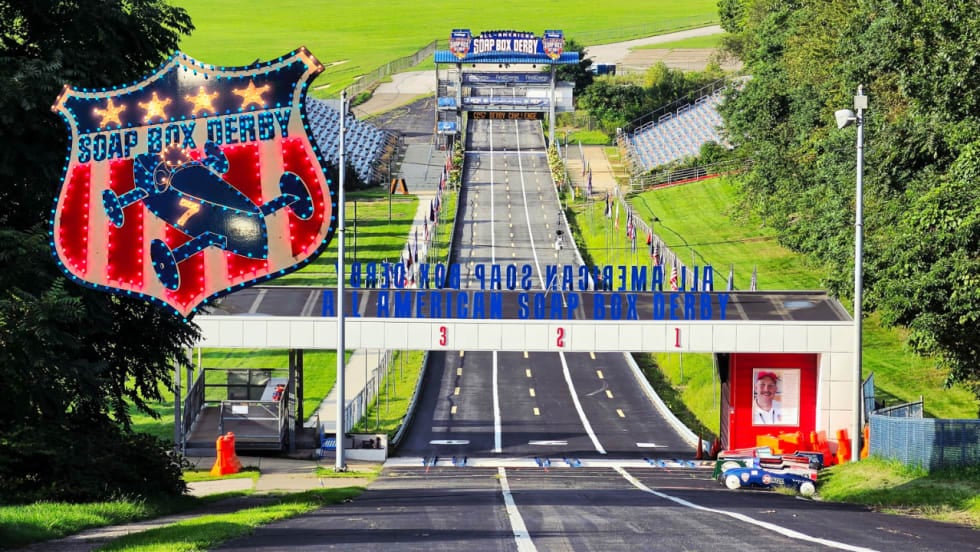
If We Want the Next Generation in Automotive, We Have to Give Them a Reason to Care
The automotive industry talks constantly about its workforce shortage. But before we can recruit the next generation, we may need to do a better job giving kids a reason to care about automotive in the first place.
Read More →
Ram ProMaster City Under $40K, Truck Tariffs, and AI Maintenance Lead the News
A sub-$40K commercial van, tariff questions, AI-powered maintenance, and a new EV production strategy headline this week’s Truck Chat Cheat Sheet.
Read More →
Bob Adamsky Shares the Fleet Lessons You Usually Learn the Hard Way
After more than 30 years in fleet, Arrow International’s Bob Adamsky has learned that the job is about far more than vehicles. He shares the lessons he wishes every fleet manager could learn a little earlier.
Read More →