




Sustainability Trends for Commercial Collision Centers
Sustainability is a focus for modern commercial collision repair centers as environmental requirements, productivity, operational efficiency, and worker protection take center stage. Learn about the current trends.
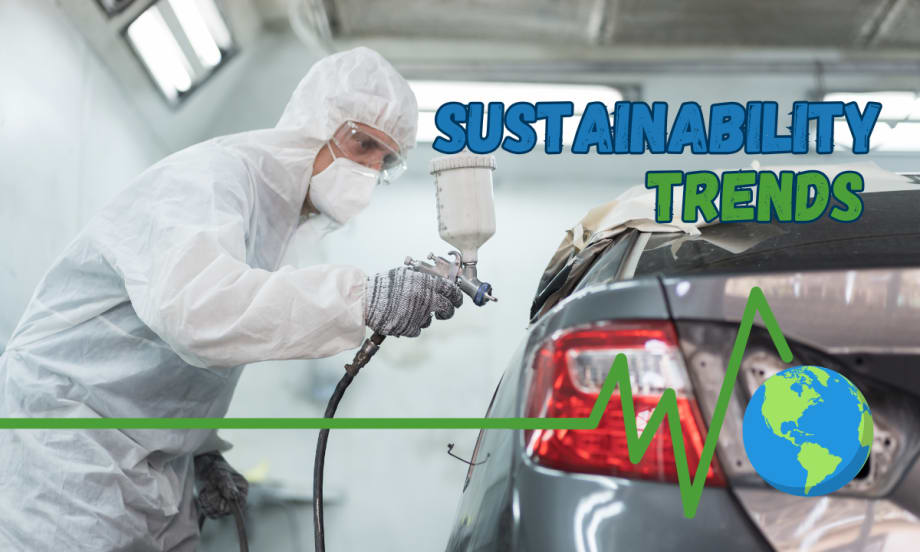
Commercial vehicle body shops that improve their environmental footprint can attract skilled workers and increase profitability.
Photo: Work Truck
Sustainability emerges as a key focus for commercial collision repair centers. Body shops face new expectations around environmental accountability, operational efficiency, and worker wellbeing as the industry grows from $12.43 billion in 2024 to an estimated $19.25 billion by 2031, according to industry reports.
Sustainability and productivity are closely linked in this evolving landscape. Shops that adapt can improve their environmental footprint, attract skilled workers and increase profitability.
Keep Pace with Environmental Standards
In the years ahead, commercial body shops will face increased expectations for environmental accountability. These requirements are not all driven by regulation.
Corporations with multinational operations adhering to ambitious sustainability goals set a high bar across regions and within their value chains. European regulations, for example, often lead the way with stringent environmental standards that many companies adopt globally to streamline compliance.
For North American body shops, regardless of local laws, there's an industry-wide trend toward greater transparency in emissions and environmental impact.
Let's address two primary factors that drive this trend.
First, the Science Based Targets Initiative (SBTi), a collaboration that helps companies and financial institutions set science-based targets to reduce greenhouse gas emissions, is gaining traction, with more than 9,000 companies committing to reduce their emissions.
The initiative develops standards, tools and guidance which allow companies to set scope 1, 2 and 3 greenhouse gas emissions reduction targets, in line with the goals of the Paris Agreement. As part of scope 3 downstream emissions reduction initiatives, paint manufacturers increasingly collaborate with customers to lower emissions through product innovations and process improvements.
Second, large corporations now acquire and operate more collision centers, shifting the industry toward consolidated ownership.
Public company investors demand stronger sustainability practices from these corporate-owned repair facilities. As part of larger corporate entities, body shops are more likely to be asked for emissions reporting and impact metrics as part of these companies' sustainability commitments. Whether mandated by regulation or corporate policy, body shops will increasingly be expected to meet new sustainability benchmarks to compete.
Another trend is the involvement of insurers. Many insurance companies, particularly in Europe, now demand emissions metrics as part of repair estimates. Body shops equipped to provide emissions data may gain a competitive edge in securing insurer-preferred contracts.
Boost Productivity and Manage Emissions
Sustainability is more than compliance—it’s an opportunity to drive efficiency.
Body shops can reduce their environmental footprint and realize cost savings by focusing on productivity. Take, for example, life cycle assessments (LCA), a method used to calculate the environmental impact of a product from the beginning of its life (material sourcing and production) to its end (application and disposal).
For body shops, understanding the full life cycle impact of their processes can help identify opportunities to reduce energy consumption, waste, and emission at every step. Body shops that minimize paint overspray or use energy-efficient curing methods can significantly cut costs and waste.
Innovative tools like digital color-matching systems can streamline processes, enhance material accuracy, and reduce paint waste. Collision centers that adopt these technologies have reported productivity boosts of more than 10%, demonstrating how sustainability and operational improvements go hand in hand.

Sustainability is more than just considering vehicle emissions. In North American body shops, there's an industry-wide trend toward less environmental impact.
Photo: PPG
Safer, More Efficient Workspaces to Attract Talent
Commercial body shops face ongoing shortages of skilled workers and compete with other sectors to attract and retain talent. The workplace environment can play a significant role in talent satisfaction and productivity. Low-volatile organic compounds (VOCs) or waterborne coatings, coupled with advanced air filtration systems, can create cleaner, safer environments for commercial body shops. These upgrades make shops more attractive to skilled technicians in a competitive labor market.
Invest in Tomorrow
The path to sustainability offers commercial collision centers a way to align with industry trends while driving profitability.
Practical steps like minimizing paint overspray, using energy-efficient curing methods and adopting advanced tools such as digital color-matching systems can help shops reduce operating costs while meeting sustainability goals. Commercial shops that invest in these changes can enhance operations and their work environment to position themselves for long-term resilience and growth.
Anurag Raj is PPG's Customer Sustainability Business Partner for the Refinish business. He leads and supports PPG's and its customers' sustainability targets. To learn more about how PPG helps clients make choices that align with their sustainability goals, visit here. For more on PPG refinish, see here.
More Maintenance
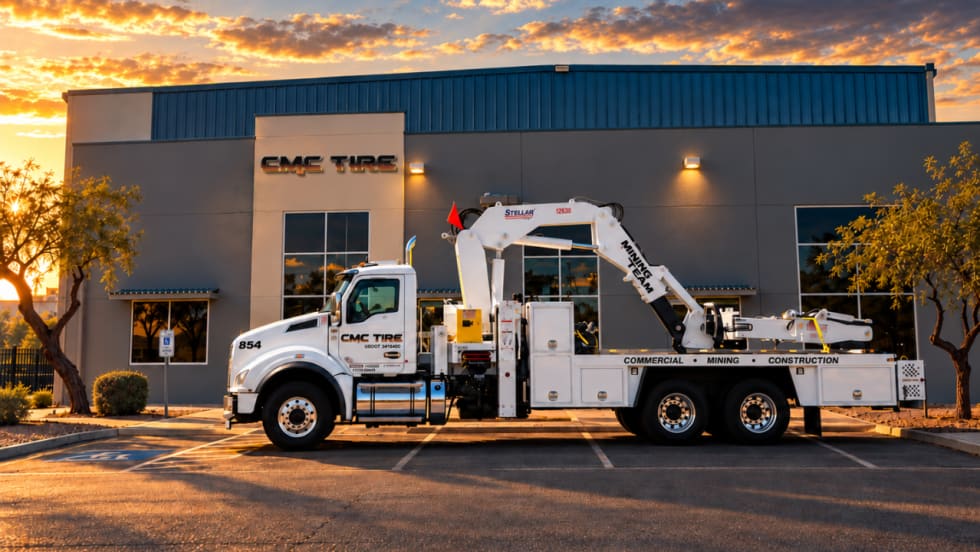
Les Schwab Expands Commercial Tire Footprint Into Arizona
Les Schwab Tires has expanded into Arizona with two commercial tire locations in Phoenix and Tucson, strengthening its fleet service footprint in the Southwest.
Read More →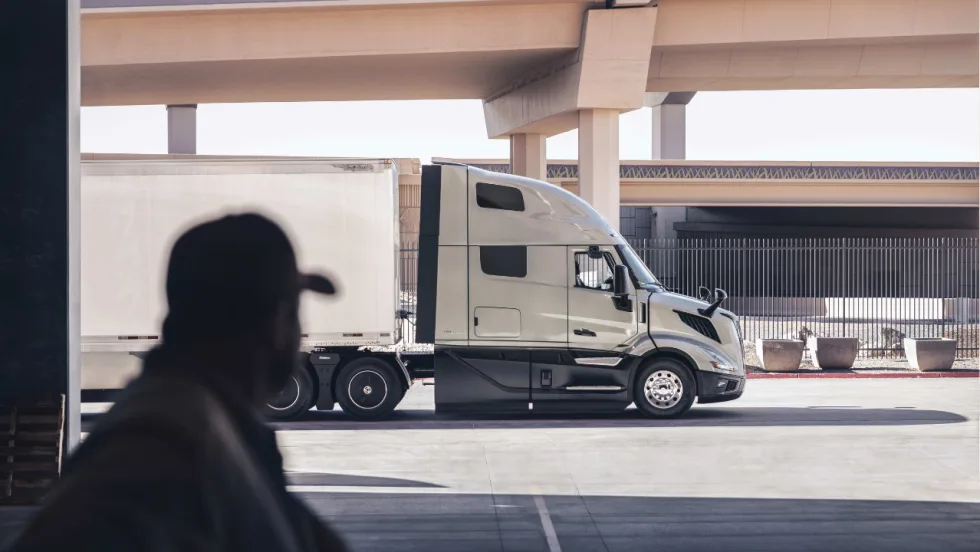
Volvo Trucks’ 'Lock and Leave' Software Updates Go Live Across North America
Unattended over-the-air software updates are now available in Volvo trucks across the U.S. and Canada. The new capability lets trucks stay current with the latest software without interrupting operations or requiring a dealership visit.
Read More →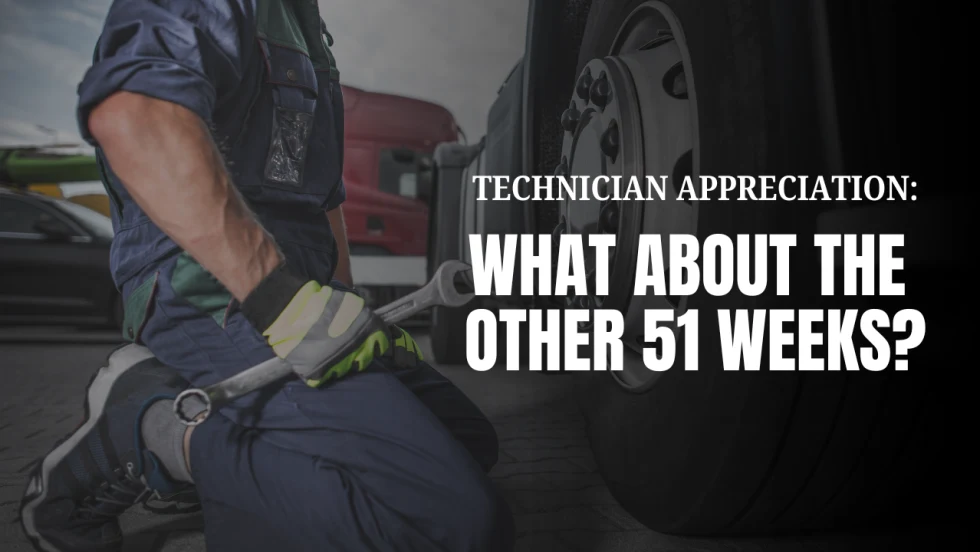
Why Technician Appreciation Can’t Be a Once-a-Year Thought
For fleets trying to keep skilled technicians, recognition cannot begin and end with Technician Appreciation Week. Learn what year-round appreciation really looks like and why the everyday technician experience matters just as much as pay when fleets are trying to keep good people.
Read More →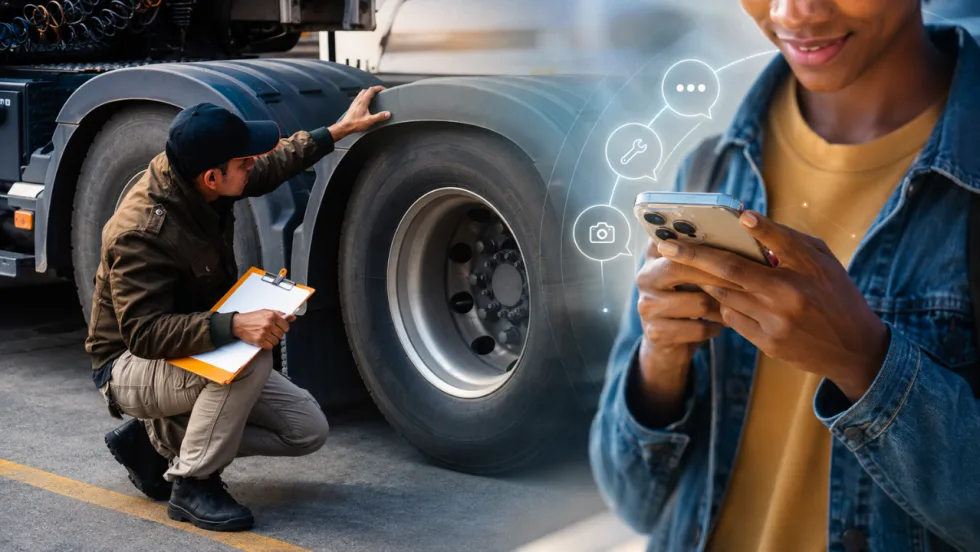
How Faster Driver Reporting Can Keep Small Truck Problems Small
When minor damage, warning lights, or equipment issues are reported late, small problems can quickly become bigger maintenance headaches. Conversational AI can help shorten the path from what a driver notices in the field to the person who can act on it.
Read More →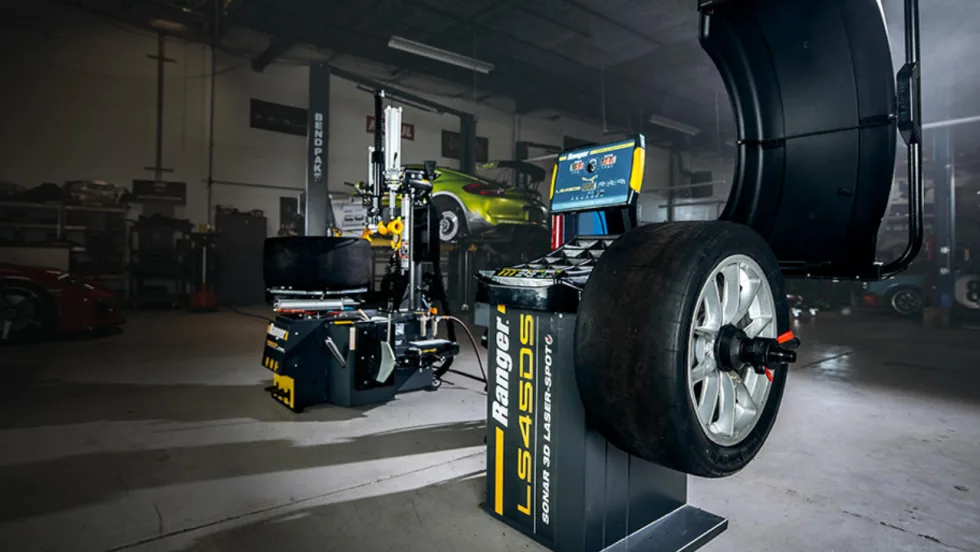
BendPak’s Ranger Wheel Service Equipment Achieves North American Safety Certification
BendPak’s full line of Ranger tire changers and wheel balancers has been ETL certified to UL and CSA standards to improve operator safety.
Read More →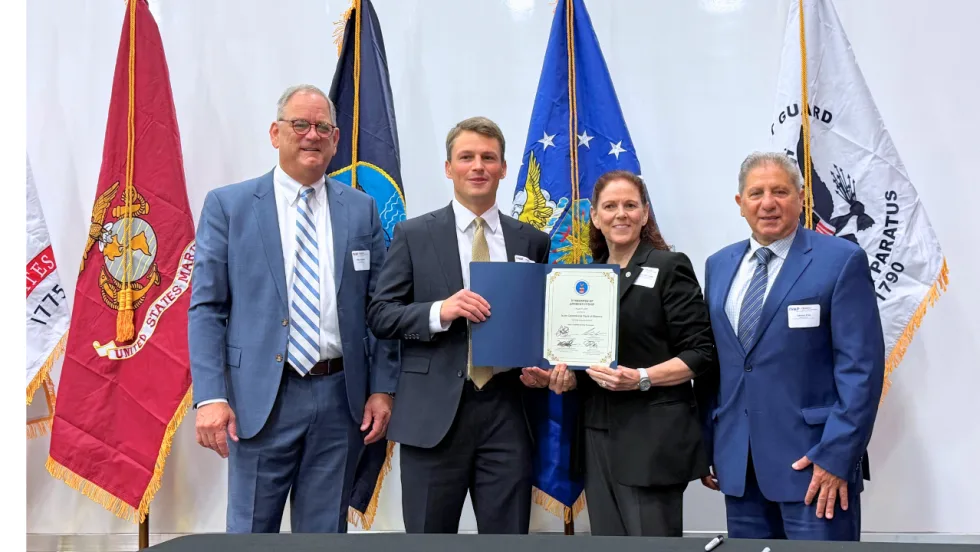
Isuzu & U.S. Department of Labor Celebrate Milestone for Veterans Apprenticeship Program
The Isuzu Veterans Apprenticeship Program (IVAP) signing ceremony highlighted Isuzu’s long-term commitment to veterans, Isuzu dealers, and the skilled workforce supporting its customers and the commercial transportation industry.
Read More →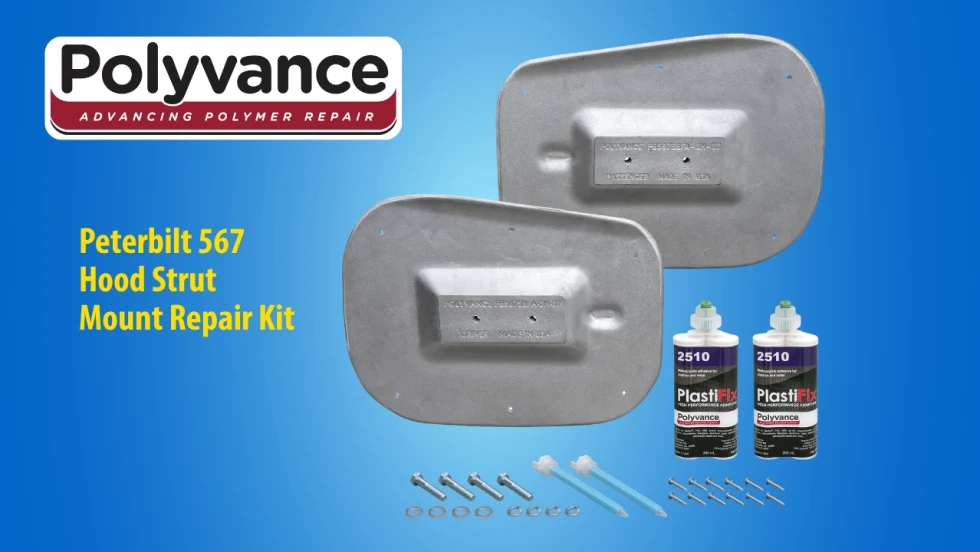
Polyvance Introduces New Peterbilt 567 Hood Strut Mount Repair Kit
Polyvance has launched a repair solution for Peterbilt 567 hood struts, helping truck owners and repair facilities avoid costly hood replacements.
Read More →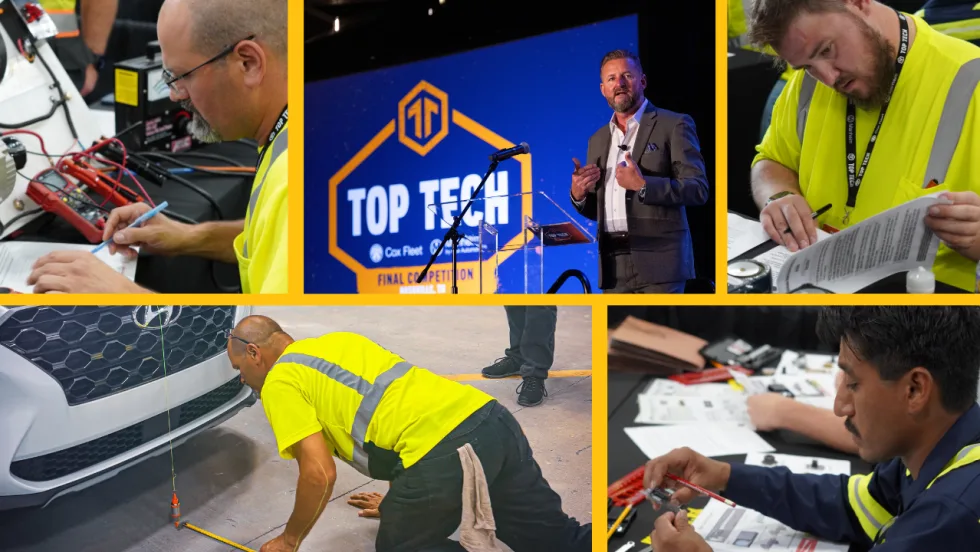
Cox Automotive Celebrates Technical Excellence at 2026 Top Tech Finals
The top technicians from Cox Fleet and Manheim tested their skills in Nashville, Tennessee, at Cox Automotive’s 2026 Top Tech Finals. The overall winners will advance to compete at the American Trucking Association’s TMC SuperTech competition.
Read More →
Grote Industries Appoints Vice President of North American Operations
Grote Industries has appointed Patrick Smith as vice president of North American operations as it celebrates 125 years of innovation and manufacturing excellence. He has more than 20 years of manufacturing leadership experience.
Read More →
Winter Fleet Prep: Expert Tips to Keep Vehicles Running Smoothly
Cold weather can expose weak batteries, tires, fuel systems, and maintenance gaps fast. Use this winter fleet checklist to prepare trucks and drivers before temperatures drop.
Read More →