





How to Track and Manage Emissions…Even If You’re a Small Fleet
Small Fleet Budgets Still Have Big Opportunities
Discover expert tips and strategies for small fleet managers to optimize budgets, manage cash flow, and ensure cost-efficiency amidst unique challenges.
August 12, 2024
Small fleets face distinct budgeting challenges that differ significantly from those larger operations encounter.
Photo: Work Truck
4 min to read
Managing a small fleet presents unique challenges that require strategic foresight and savvy financial planning. Balancing operational needs with budget constraints is like walking a tightrope for fleet managers working with limited resources.
Understanding the specific hurdles small fleets face and how to navigate them effectively is essential. Industry experts offer insights and advice to help small fleet managers optimize their budgeting strategies.
Understanding the Unique Challenges
Small fleets face distinct budgeting challenges that differ significantly from those larger operations encounter.
Kevin Quinn, VP & general manager, small business solutions for Holman, noted the biggest budgeting challenge for small businesses was determining how their fleet’s operating budget aligned with other business needs.
“Small businesses sometimes operate on an extremely tight budget,” Quinn said. “They need to find the proper balance of using their limited financial resources to grow the business, hire and retain employees, maintain business operations, etc. From a fleet perspective, these businesses need to be much more strategic, savvy, and creative in using their capital to support their fleet and effectively run their business,” he said.
The critical nature of vehicle uptime in small fleets cannot be overstated, according to Jim Lager, Executive Vice President of Sales and Rental at Penske Truck Leasing. “Downtime is a killer. If a small fleet has three trucks, those trucks are critical to its operation. In that case, a fleet cannot afford to have one unit down,” he emphasized.
Highlighting the impact of external factors, Chuck Davis, director of sales for PacLease, explained, “Uncontrollable changes in the economy or industry can negatively impact revenue streams, and some government regulations do not consider the challenges small fleets face. Small fleets must react more quickly to these changes.”
Lawrence Liu, senior fleet consultant at Merchants Fleet, pointed out that fuel prices' volatility is a significant budgeting challenge.
“Fuel prices can be volatile and unpredictable, and Fuel Spend is often one of the largest line items on a fleet budget. A small miss on expected future fuel prices can greatly impact variance to plan,” he noted.
Liu also mentioned the higher degrees of variability in total budgets due to fewer vehicles, making each cost more noticeable.
Managing Cash Flow Constraints
Strategic planning is essential for managing cash flow constraints. Liu advised identifying opportunities to enhance cash flow from fleet vehicles, noting that fleet vehicles often have equity that can be recaptured.
“Returning that equity to the business is a great way to mitigate overall business cash flow concerns,” he shared.
Small business fleets should also consider worst-case scenarios and explore rental and leasing options.
“Many small fleets elect to use rental and leasing companies like PacLease. Our average customer has five to 10 trucks, and we’ve grown our vocational and specialty truck rental fleet. We can provide replacement vehicles when theirs is out of service or offer short-term rentals to grow the business until they are ready to acquire a permanent unit,” Davis shared.
Quinn advocated for leasing as a viable option.
“Leasing vehicles isn’t something many small businesses typically consider, but there are several advantages, particularly for complex vocational units. When you lease your fleet vehicles, you can capitalize the chassis, upfitting, and equipment expenses into one monthly payment. This spreads costs over the life of the term, freeing up capital for other growth-oriented areas,” he explained.
To ensure cost-efficiency, small fleets must adopt several strategies, including a strong focus on preventive maintenance.
Photo: Work Truck
Ensuring Cost-Efficiency
To ensure cost-efficiency, small fleets must adopt several strategies. Lager with Penske recommended a full-service lease, noting that “with an FSL, you know what you will spend each month.”
Liu of Merchants Fleet emphasized the importance of cycling vehicles at the optimal point in their economic useful life and managing driver behavior to reduce costs associated with poor driver behavior.
Davis suggested small fleets observe larger fleets to understand their actions' motivations and build strong relationships with service partners to stabilize spending.
Quinn stressed adhering to a strict vehicle replacement schedule, which allows better preparation for upcoming replacement needs and proactive vehicle and upfit selection. He also highlighted the importance of maintaining a “predict-and-prevent” mindset for vehicle maintenance to avoid costly component failures.
Prioritizing Preventive Maintenance
Preventive maintenance should be a top priority for small fleets. Quinn of Holman noted a strategic preventive maintenance program minimizes operating costs by mitigating the risk of expensive, unforeseen repairs and reduces vehicle downtime.
“If your fleet vehicles incur extended downtime, it can significantly hinder business operations, impacting your ability to service customers and generate revenue,” he said.
Lager and Davis echoed this sentiment, stressing that nothing is more important than preventive maintenance.
Liu added that well-maintained vehicles have lower overall lifecycle maintenance and repair costs, higher MPG, higher resale values, and potentially lower accident rates due to properly maintained brakes and tires.
Brian Hickok, strategic business advisor for Element Fleet Management, recommended integrating on-site and mobile maintenance services to reduce driver downtime and combining these practices with expert consulting to optimize preventive maintenance efforts.
“This ensures efficient maintenance and allows for cost-effective solutions that minimize downtime and maximize the longevity of fleet assets,” Hickok said.
Subscribe to Our Newsletter
More Operations
Family Ties Inside the Fleet Families Building Careers Across Generations
Three fleet families share what it really takes to work together, learn across generations, and keep business from following them home.
Read More →
Shades of Fleet Call for Voices: Fleet's Hidden Heroes
Fleet’s hidden heroes are often the ones keeping everything moving behind the scenes. September’s Shades of Fleet is looking for dispatchers, coordinators, parts specialists, and other support pros to share their stories.
Read More →
Truck Centers, Inc. Celebrates National Truck Driver Appreciation Week with $1,000 Fuel Card Giveaways
During National Truck Driver Appreciation Week, Truck Centers, Inc. is offering customers a chance to fuel up for free. Customers at all Truck Centers locations can enter to win one of four $1,000 fuel cards from Sept. 14 - 18.
Read More →
Fleet Guides, AI Time-Savers, Truck Tariffs & Fuel Strategy Lead the News
This week’s Truck Chat Cheat Sheet covers new fleet vehicle guides, practical AI use cases, U.S.-Canada truck production, mixed-energy strategy, and more.
Read More →
What Fleet Employers Are Missing When Hiring Veterans
What if some of the strongest candidates for fleet are already out there, but their experience is written in a language our industry does not always recognize?
Read More →
Automotive Fleet Opens 2026 Personal Use Survey for Commercial Fleet Managers
Less than two weeks left! Commercial and corporate fleet managers are invited to share how their organizations handle company vehicle personal-use policies, charges, and driver eligibility.
Read More →
What Resilient Fleets Do Differently When Conditions Change
Fleet resilience is about more than reacting to disruption. Lauren Fletcher talks with AP Fleet’s Alex Coveney about flexibility, planning, scaling, and what helps fleets adapt when business conditions shift.
Read More →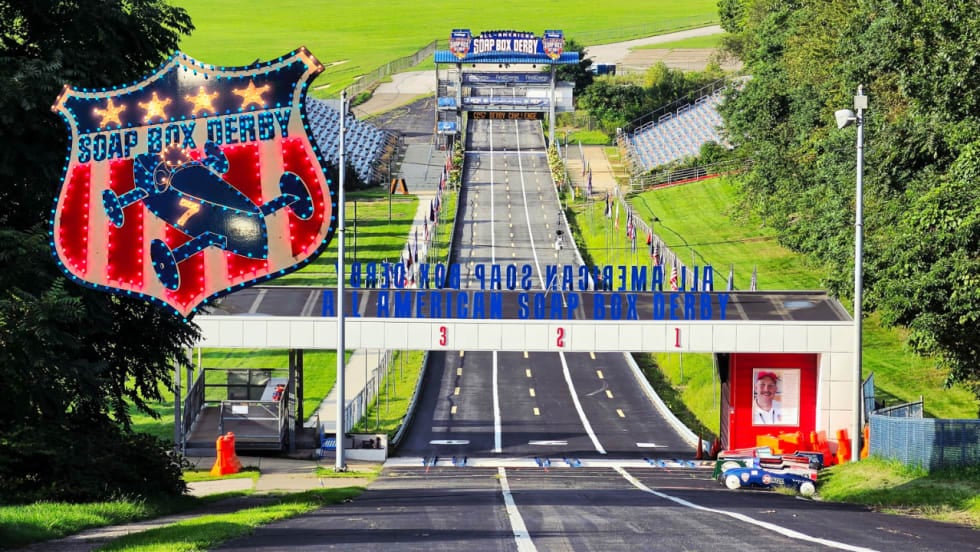
If We Want the Next Generation in Automotive, We Have to Give Them a Reason to Care
The automotive industry talks constantly about its workforce shortage. But before we can recruit the next generation, we may need to do a better job giving kids a reason to care about automotive in the first place.
Read More →
Ram ProMaster City Under $40K, Truck Tariffs, and AI Maintenance Lead the News
A sub-$40K commercial van, tariff questions, AI-powered maintenance, and a new EV production strategy headline this week’s Truck Chat Cheat Sheet.
Read More →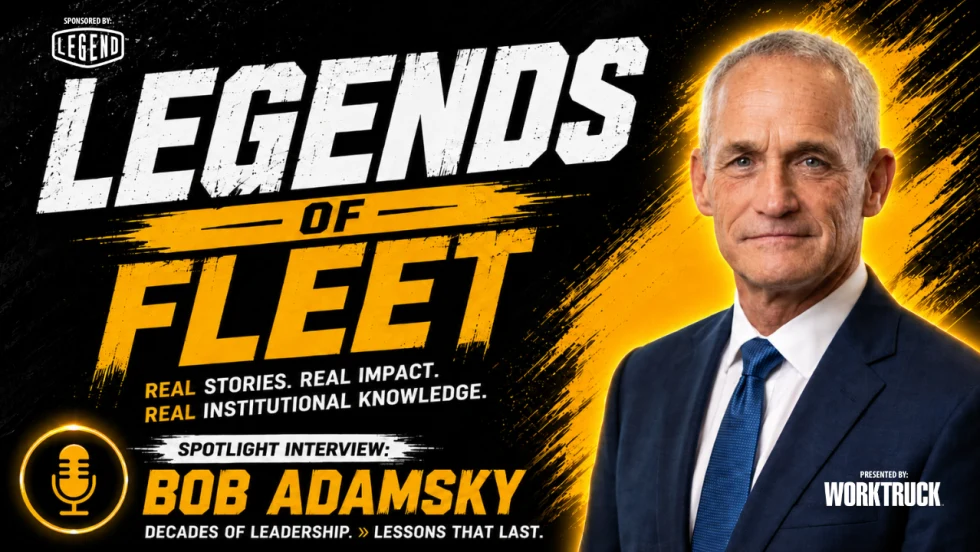
Bob Adamsky Shares the Fleet Lessons You Usually Learn the Hard Way
After more than 30 years in fleet, Arrow International’s Bob Adamsky has learned that the job is about far more than vehicles. He shares the lessons he wishes every fleet manager could learn a little earlier.
Read More →