




Ship-To vs. Ship-Thru Ordering: What's Better?
When dealing with truck upfits, two methods are available to ensure a smooth order-to-delivery process.

Specialty upfits and upfits outside the ship-thru envelope are usually ship-to orders.
Photo: Work Truck
Factory-ordered trucks often require a body or other type of upfitting installed after the truck is produced.
Fleets can upfit their trucks in two ways. The first sends the truck through the manufacturer’s ship-thru program. The second method is to ship vehicles directly to a body company for upfitting.
Streamlining Fleet Upfits: How the Ship-Thru Process Works
Based on a review of an upfitter’s operations and product quality, manufacturers authorize ship-thru truck upfitting at body companies located near the truck production plant. Once approved, the body company is assigned a ship-thru code.
Ship-thru vehicles are produced at the factory and the ship-thru code requires the transportation company to move the chassis from the plant to the body company. The distance between the body company and the plant influences the ship-thru charge.
When a ship-thru body company is selected to provide the particular upfitting required on a factory-ordered vehicle, a ship-thru code is entered with the chassis order as part of the spec. Vehicles upfitted for ship-thru must comply with height and width restrictions so the completed vehicle can be shipped by rail or carrier. This factor determines if the upfit order is shipped thru or shipped directly to a body company.
After receiving and checking in a chassis, the installer schedules a production date. Generally, production time for van interior, simple service bodies or a platform body takes about two weeks. A volume order or delay in receiving upfit material or products can lengthen the timeframe.
Install time and the ship-thru charge are factors in determining whether ship-thru is the best option for an upfitting installation. Vehicle transport to the body company averages five days. Pickup and delivery of the completed truck to the manufacturer’s production plant also averages about five days. The vehicle then enters the factory transportation system and is delivered to the dealer usually within two weeks.
For decentralized fleets, the ship-thru process is the best way to handle upfit installations. Body companies are uniquely fit to provide the service — it is their specialized business. Additional advantages of ship-thru include:
Consistent installation quality and process.
Consistent labor rates as opposed to regional labor rates.
One point of contact for inquiries.
Most ship-thru vendors provide updated status reports to fleet management companies.
Easy, one-shop invoicing.
As of publication, ship-thru upfits generally cost 40% less than ship-to upfits.
Disadvantages of the ship-thru process are:
Order-to-delivery time may be longer.
Expense and delivery time may outweigh the benefits for simple upfits, such as a tool box installation.
Large orders or increases in installer business can delay production and cause quality problems.
Ship-To Upfits Demystified: A Guide to Specialty Installations
Specialty upfits and upfits outside the ship-thru envelope are usually ship-to orders. Bucket trucks, crane trucks, service bodies with canopies, etc., are usually ship-to upfits. Similar to the ship-thru process, major body installers use ship-thru codes, primarily for medium-duty or walk-in trucks. Factory and dealer vehicle prepping is a consideration in ship-to orders.
A factory freight charge covers shipping the vehicle from the plant to the body company. Customer delivery cost is added to the factory freight. Ideally, a reliable driveaway service can handle title and registration processing while delivering the truck. The truck can go to work as soon as it arrives.
Tool boxes, bed liners, and ladder racks can all be installed by delivering dealers. Low cost and quick turnaround time makes more sense for such simple generic installs.
More Upfitting
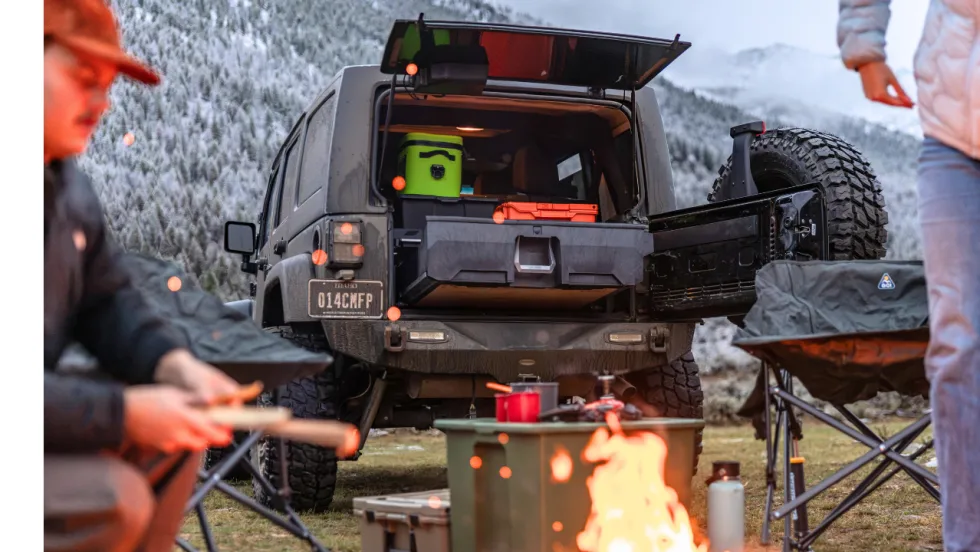
DECKED Expands Signature Drawer System to Most Popular SUVs
DECKED's signature Drawer System, a fixture in truck beds since 2014, now fits a full lineup of SUVs, including the Jeep Wrangler, Toyota 4Runner, Ford Bronco, Toyota Land Cruiser, and more.
Read More →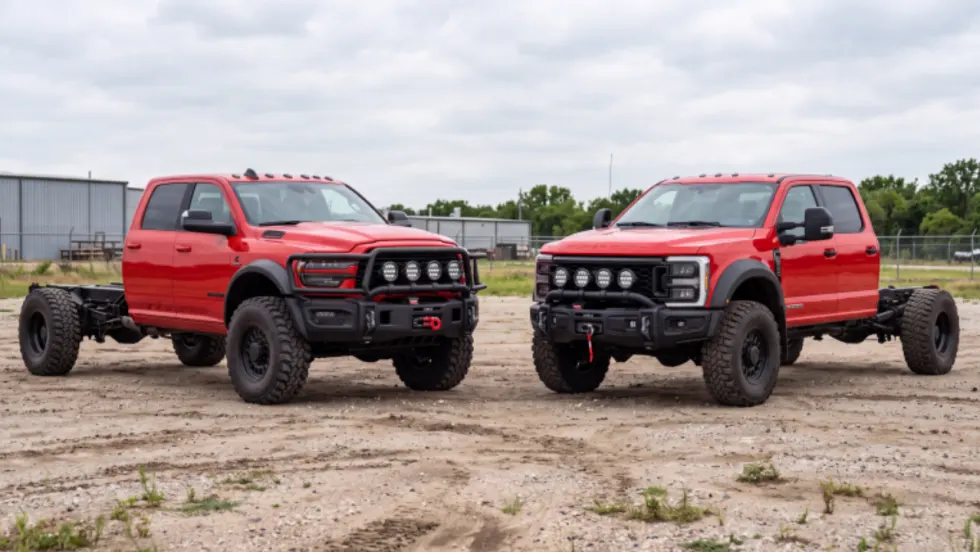
Acela Adds Ford and Ram Platforms With DuraLink Suspension
Acela adds Class 3-5 Ford and Ram chassis with DuraLink suspension, giving upfitters new options for demanding on- and off-road fleet applications.
Read More →
Re-rating Gross Vehicle Weight Ratings (GVWR): Why and How it's Done
Sometimes, it is not in a fleet’s best interests to have a vehicle at a given GVWR. Changing the GVWR to a special value can be done, but the process is complicated.
Read More →

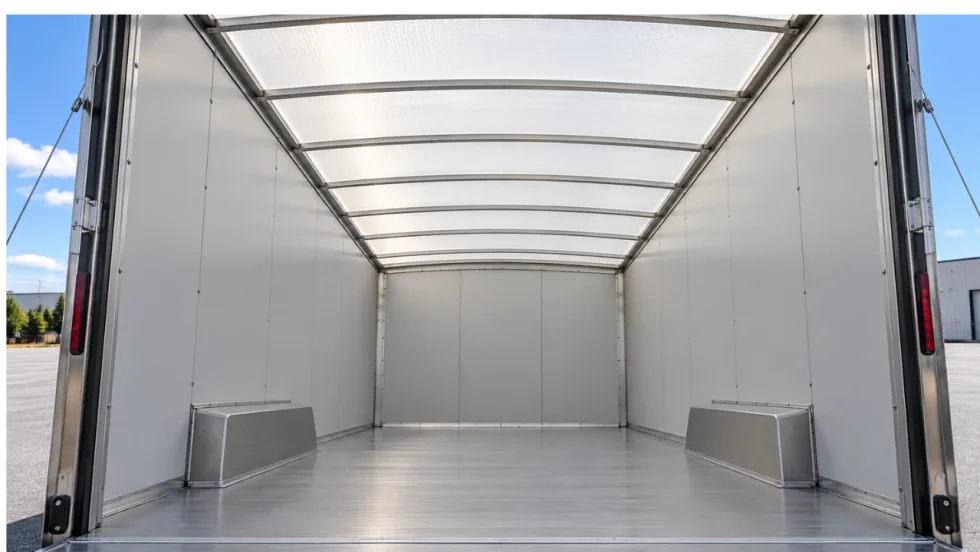
Tekmodo Introduces CargoBright Brand of Translucent Roofs
CargoBright is designed to diffuse daylight across the cargo area while performing as a working vehicle roof. Its reinforced composite construction is designed for impact, abrasion, moisture exposure, and UV exposure.
Read More →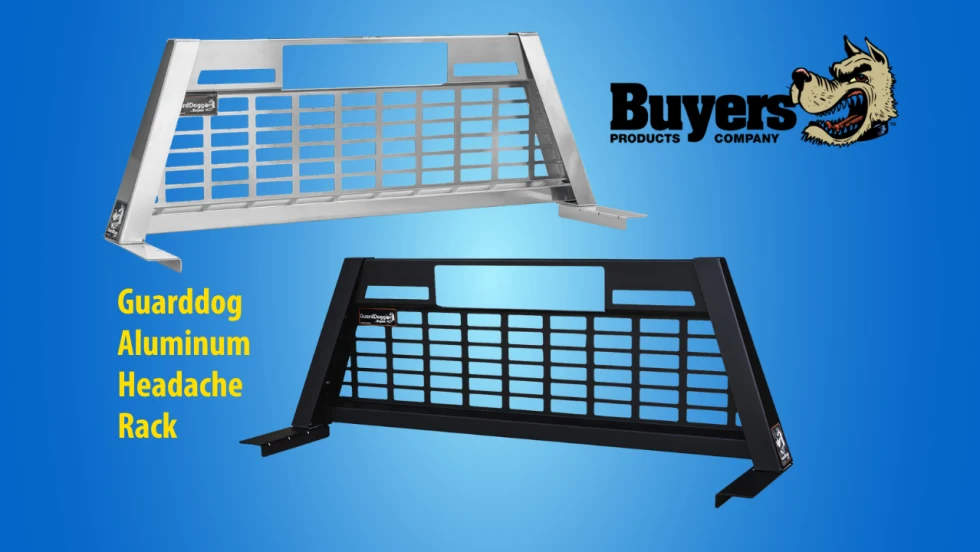
Buyers Products Expands Popular GuardDogg Headache Rack Line
Buyers Products’ aluminum GuardDogg headache rack is now available to contractors, construction crews, and utility fleets that want to reduce vehicle weight without sacrificing functionality.
Read More →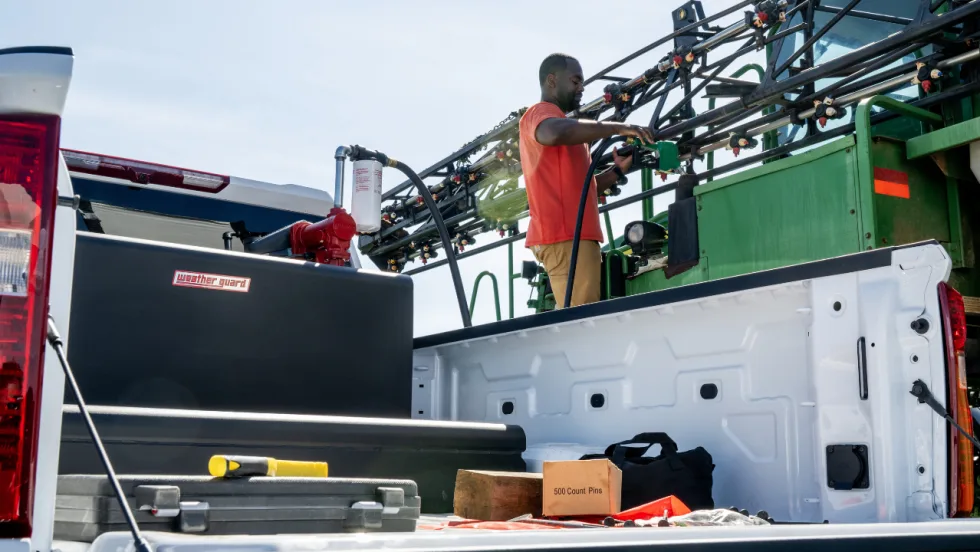
New Weather Guard Transfer Tank Engineered to Reduce Downtime and Improve Fleet Productivity
Weather Guard completely redesigned its line of transfer tanks to improve durability, simplify installation, and keep equipment running in demanding field conditions.
Read More →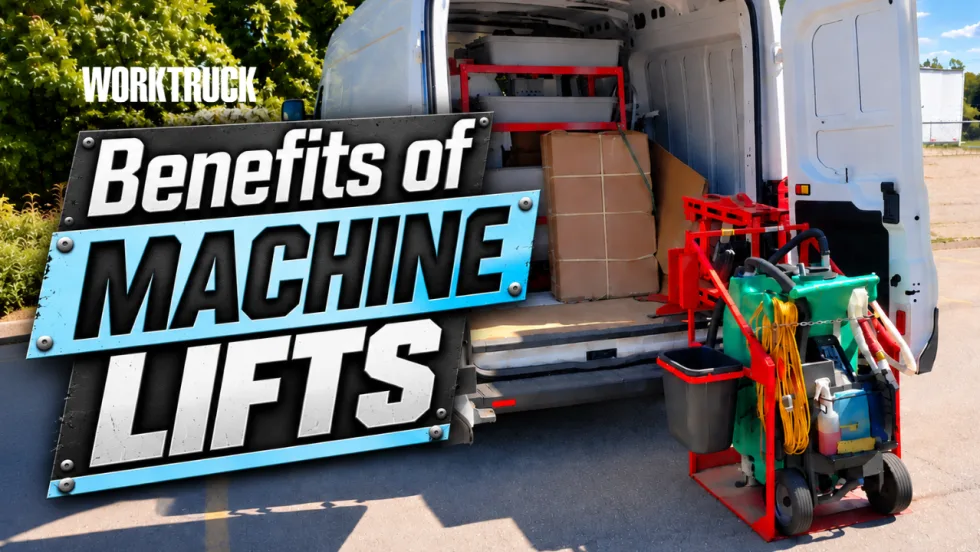
How Machine Lifts Drive Safety & Efficiency for Fleets
What is a machine lift, what fleets need them, and how do they improve safety and drive efficiency? What advantages do they have over ramps and liftgates?
Read More →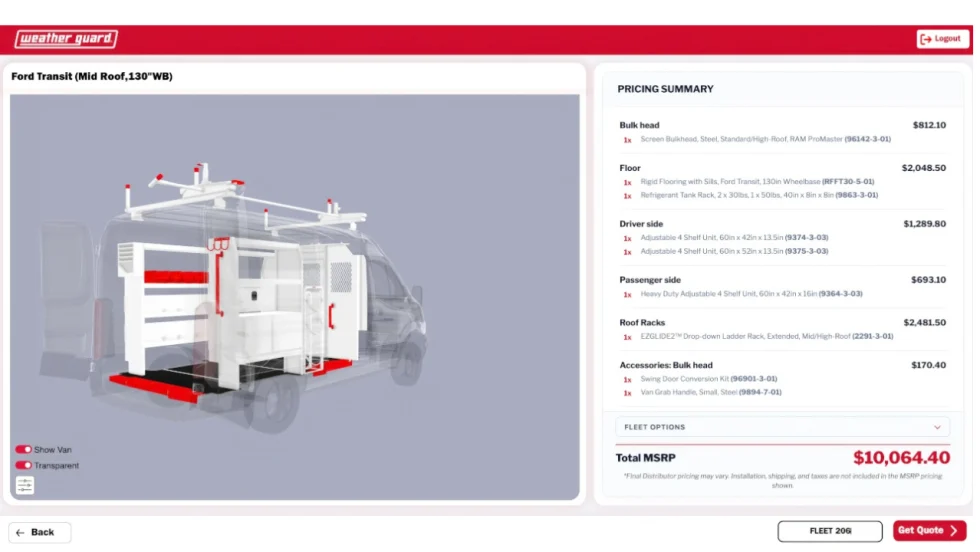
New Weather Guard Configurator Simplifies Planning and Design of Van Upfits
The Weather Guard Configurator combines vehicle-specific product compatibility with real-time 3D visualization to streamline design, quoting, and ordering for fleet managers, upfitters, and professional users. The latest version is now available for vans, with truck upfitting being added in early 2027.
Read More →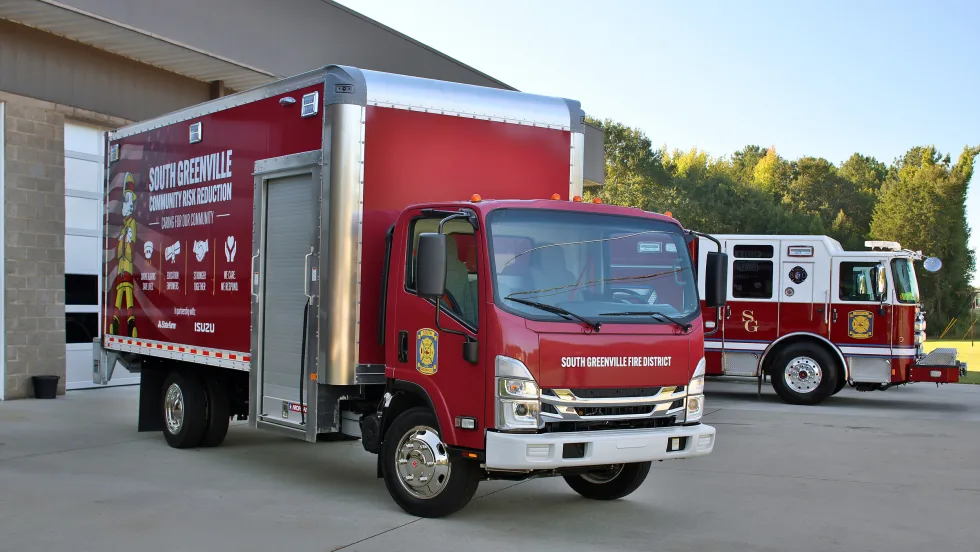
Isuzu Donates New N-Series NRR Truck to South Greenville Fire District to Support Community Outreach
Isuzu North America Corporation donated a new Isuzu N-Series NRR, equipped with a Morgan truck body and a Palfinger liftgate, to support fire safety education, community engagement, and outreach programs throughout Southern Greenville County, South Carolina.
Read More →
M.H. Eby Announces Bostick Truck Center as Michigan Distributor
Bostick Truck Center in Pontiac, Michigan, is now the official distributor for Eby Truck Bodies in Michigan. It will have access to Eby’s Ford, GM, and Ram chassis pool programs.
Read More →