




Selecting the Right PTO Doesn't Have to Be Hard
Spec’ing the correct PTO for the vehicle and application, and properly maintaining it, will optimize performance and extend the lifecycle of the unit to provide years of reliable service.
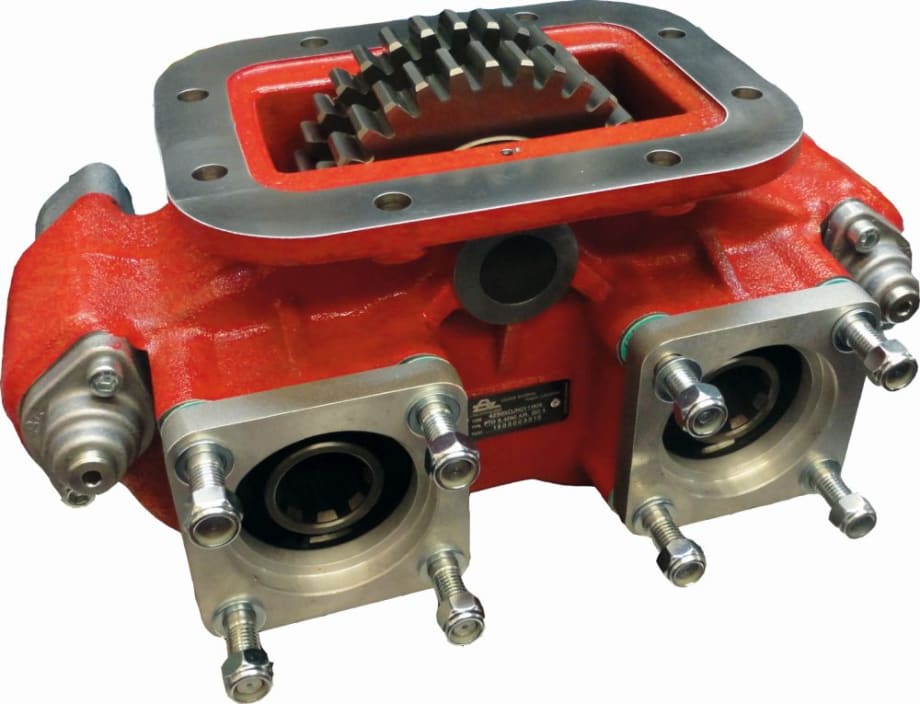
The Bezares 4200 Series Mechanical PTO is a dual output, eight-bolt, heavy-duty PTO with two independently air-operated outputs and a variety of ratio and output combinations. It is extremely versatile for many applications where two PTOs would be required.
Photo: Eaton
Power Takeoff (PTO) units are complicated devices that perform many tasks on work trucks, but generally are used to provide power to hydraulic systems. There are more than a million PTO configurations depending on several factors, including the vehicle, the transmission, the application (work to be done), the required torque and horsepower needs to perform the work in a safe and efficient manner.
To further complicate matters, PTOs operate hydraulic systems which include a range of components for commercial vehicles, including pumps, fittings, tanks, valves and other related mobile power hydraulic components.
These challenges make selecting the right PTO a daunting task, without factoring in changing technology, new products, and changing application demands for vehicles. However, specialty companies who focus on the mobile power hydraulic market, like Eaton and others, can help ensure customers have the right mobile power system, including the PTO, for the job to be done.
Know Your Work Trucks
One of the first decisions to make when spec’ing a PTO is how fast you want to run the engine when performing work. For example, if it’s a blower system, you must determine the torque specifications required to operate efficiently. Then you must match the vehicle’s transmission to the PTO and determine the best mounting location.
Other factors that determine a proper PTO include whether the vehicle has a manual, automatic or automated transmission and, depending on its age, what type of electronic control unit (ECU) is installed, as the PTO may have to be programed for proper operation.
Further complicating the product identification process is that each PTO component and manufacturer comes with a different part number, different ratios, and specifications making the ordering process confusing.
Don't Go it Alone
It’s important to remember there are experts that can help. For example, Eaton has streamlined and simplified the process with its “End Dump wet kit” packages for the Bezares brand of Mobile Power products including Power Takeoff (PTO) units.
The currently established kits fit popular Eaton Fuller and Eaton Cummins transmissions. The wet kits simplify the ordering and installation process by including all the components needed into a single part number. Offering all the needed components in one kit saves time to spec and receive compared to ordering individual parts and allows for a seamless installation.
Wet kits are installed on medium- and heavy-duty trucks that have accessories like booms and cranes that need hydraulic pumps to operate. The wet kits' hydraulic system is activated by the PTO mounted to the truck's transmission.
Ensure Proper PTO Maintenance
Once installed properly, maintaining a mobile power system and PTO becomes a top priority. Failure to do so could lead to poor performance, unplanned down time, costly repairs, and more.
One rule of thumb for PTO maintenance is to have it inspected during normal or routine transmission maintenance, and make repairs, if needed, at that time. Since the PTO and transmission work together, inspecting and maintaining together can save time and money while ensure the efficient operation of your mobile power system.
Normal maintenance should include inspecting the connections between the pump and PTO for leaks, inspecting seals, cleaning and lubricating the shafts between the pump and PTO, and removing of any foreign objects, such as metal shavings, dirt and road grime. Looking for and repairing these commonly missed maintenance items will ensure the smooth operation of the system. Finally, receiving feedback from equipment operators is essential, as they are most likely to notice any unusual operation or noises and can help direct needed attention within the system.
Spec’ing the correct PTO for the vehicle and application, and properly maintaining it, will optimize performance and extend the lifecycle of the unit to provide years of reliable service.
About the author: Tim Bauer is vice president, Aftermarket, Vehicle Group North America at Eaton. He is responsible for all commercial aspects of the group’s aftermarket business. Bauer has extensive experience in the aftermarket business in both North America and Europe, and has held roles in sales, marketing, business development, operations, product strategy, and management.
More Vehicle Research
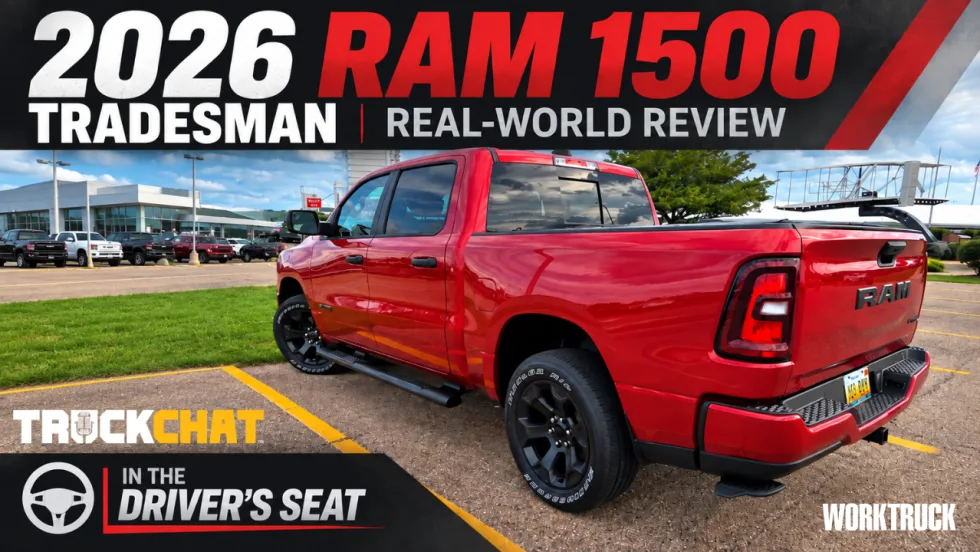
2026 Ram 1500 Tradesman Put to a Real-World Fleet Test
A few days behind the wheel of a 2026 Ram 1500 Tradesman turned into a test of visibility, parking, work-ready features, and even severe-weather driving.
Read More →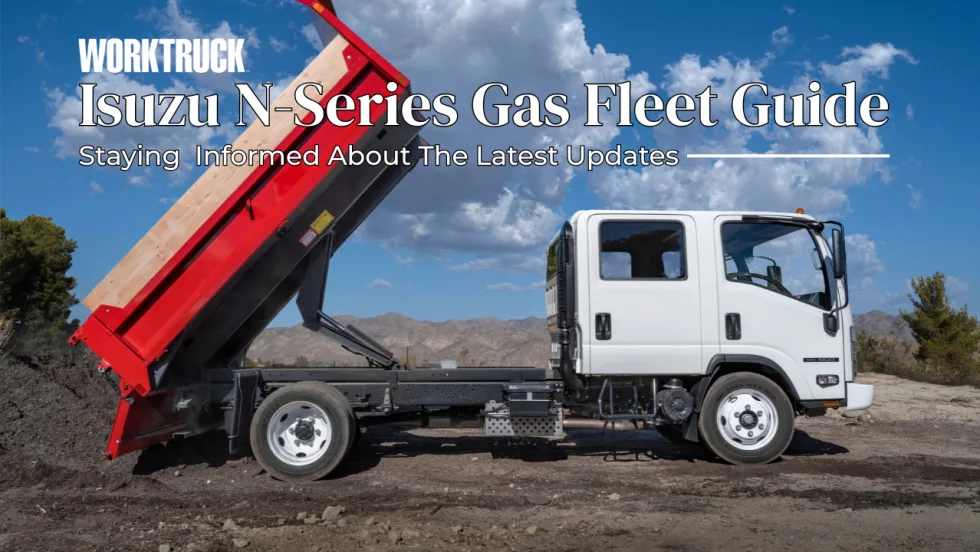
Isuzu N-Series Gas Fleet Guide: Specs, Capability and 2027 Model-Year Updates
Explore Isuzu Truck North America’s N-Series Gas fleet specs, engine performance, GVWR and payload capability, configurations, chassis dimensions, work-focused features, and 2027 model-year information.
Read More →
Chevrolet Silverado 1500 Fleet Guide Specs Capability and 2027 Model-Year Updates
The next-generation 2027 Chevrolet Silverado 1500 brings new V-8 engines, updated technology, expanded safety features, and a fleet-focused Work Truck. Here’s what commercial fleets need to know so far.
Read More →
Ram ProMaster City Fleet Guide Specs Cargo Capacity and 2027 Updates
Work Truck’s Ram ProMaster City Fleet Guide tracks the latest specifications, cargo capability, configurations, fleet technology, pricing, and model-year updates for Ram’s mid-size commercial van.
Read More →
Ford F-150 Fleet Guide Specs Capability and 2026 Model-Year Updates
Explore 2026 Ford F-150 fleet specs, engines, towing and payload capability, configurations, work features, technology, and model-year updates.
Read More →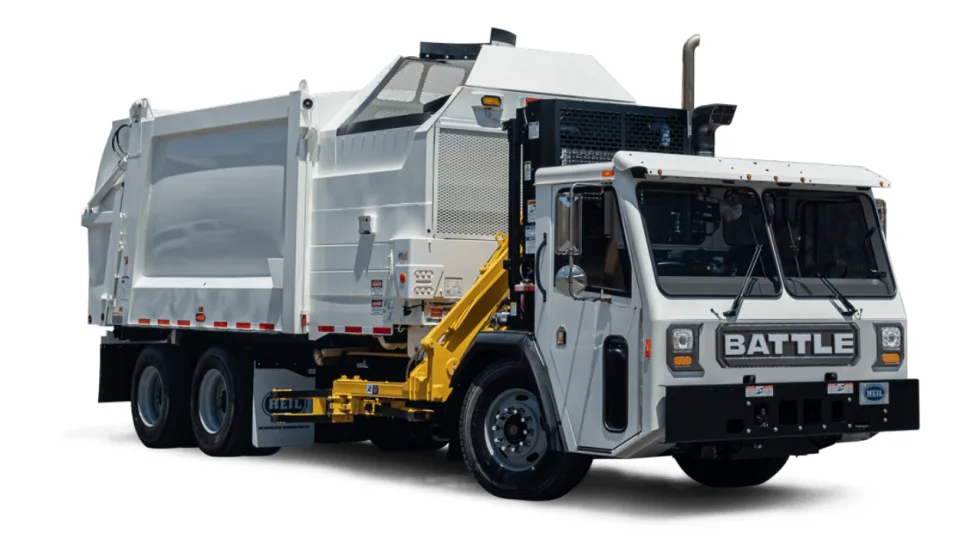
TCI Now Sells & Supports Battle Motors’ Vocational Trucks
Midwest truck dealer Truck Centers, Inc. (TCI) has expanded its transportation solutions with sales and service support for Battle Motors’ heavy-duty vocational trucks at locations in locations in Indiana, Illinois, and Missouri
Read More →
Ram 1500 Fleet Guide Specs, Capability and 2027 Model-Year Updates
Explore always up-to-date Ram 1500 fleet specs, engines, towing and payload capability, configurations, technology, pricing updates, and model-year changes.
Read More →
Peterbilt Trucks Equipped with Paccar TX-18 Pro Boost Efficiency for Maryland Fleet
Patuxent Companies is replacing aging trucks with the Peterbilt Model 567 and Model 589, specified with the Paccar TX-18 Pro 18-speed automated transmissions, and is reporting an 8% to 10% improvement in fuel economy.
Read More →
Stellar Expands into Fire Apparatus Market with Acquisition of Midwest Fire
Stellar Industries has acquired Midwest Fire, a custom fire apparatus manufacturer headquartered in Luverne, Minnesota, with nearly four decades of specialized apparatus experience.
Read More →
Recalls You Need to Know About in August 2026
If you have Altec, Chrysler, Ford, Heil, General Motors, International, Mack Trucks, Paccar, Rivian, Royal Truck, Toyota, US Truck Body, or Volvo Trucks vehicles in your fleet, you should check these important recalls issued by the National Highway Safety Administration.
Read More →