




Scott Rood on Growing in Fleet, Building Teams, and Staying Ahead of the Curve
Fleet expert Scott Rood shares lessons from 40+ years in fleet on leadership, technology, and how to grow a lasting, people-first fleet career.
July 17, 2025

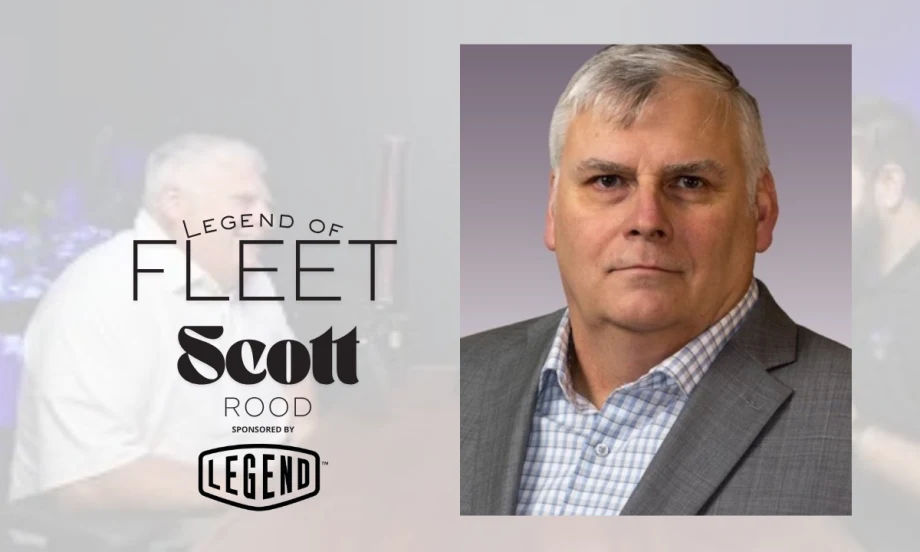
Fleet leader Scott Rood featured in Legends of Fleet spotlight interview presented by Work Truck and sponsored by Legend Fleet, sharing career insights and leadership lessons.
Photo: Work Truck | Scott Rood
7 min to read
Some people find fleet. Others are built for it. Scott Rood? He might have been both.
With a career that stretches from military bases to public utilities, consulting, and now the tech side of fleet, Rood has lived through every chapter of the industry’s transformation. He’s seen carburetors give way to code, handwritten logs replaced by real-time analytics, and “wrenching” evolve into a highly skilled, tech-forward profession.
And here’s the thing: He’s not just along for the ride. He’s still driving forward—and helping others do the same.
I caught up with Rood for the Fleet Legends interview series, sponsored by Legend Fleet, to talk about lessons learned, leadership wins (and misses), and what fleet managers should be watching for next.
The First Gear: High School, the Air Force, and a Lifelong Passion
Fleet didn’t just show up in Rood’s life one day. He sought it out.
“In high school, I went part-time to what they called a skill center to learn automotive,” he said. “I did that junior and senior year. Then I signed up for the Air Force and came in as a general-purpose vehicle mechanic.”
That early decision led to a 22-year career with the U.S. Air Force, where Rood worked his way from technician to vehicle maintenance manager at Holloman Air Force Base. His role expanded from hands-on service to overseeing entire operations, managing people, budgets, and systems.
“When I left the Air Force, I didn’t want to stop,” he said. “I started with the State of Washington as a shop supervisor, moved to a utility company, then led the Clark County fleet for over eight years.”
Eventually, Rood transitioned into consulting with Mercury Associates before landing his current role at RTA, where he helps other fleet professionals tackle their challenges with smarter systems and strategy.
Watching Fleet Evolve: From Tools and Torque to Data and Dashboards
Fleet has changed. A lot. And Rood’s had a front-row seat.
“When I first started, everything was mechanical. We didn’t have all the electronics,” he said. “Now, a vehicle might have four or five different computers talking to each other.”
Early on, diagnostics meant popping the hood and going old school. “We used to troubleshoot with our eyes, ears, and nose. You’d look, listen, and smell to figure out what was wrong,” Rood explained. “Now? Scan tools do the heavy lifting. You get codes and data you can act on immediately.”
And it’s not just the vehicles. Back in the day, Rood recalled fleet operations relying on paper logs and keypunch cards. “You’d write everything down, send the cards off, and then wait for reports to come back,” he said. “Now, fleet management systems give you live data. Preventive maintenance schedules, work orders, everything’s digitized.”
Budget Battles and Lessons That Stick
When asked about tough lessons, Rood didn’t sugarcoat it.
“One year, I underbudgeted for new vehicles. I assumed a three to four percent increase, but prices jumped 14 percent,” he said. “I had to go back to leadership, explain what happened, and ask for more funds.”
That experience changed how he approached budgeting. “I realized I had to be more proactive,” he said. “Now, I track trends. I talk to vendors. I try to get a feel for what the market is doing instead of just going with the usual estimate.”
It’s a reminder for fleet pros that yesterday’s math won’t always cover tomorrow’s costs.
Rookie Mistakes to Avoid: Hint, Know Your Rates
One area Rood sees newer fleet managers struggle with? Rate setting.
“Too many fleets guess at their labor rates,” he said. “They might say, ‘We used to charge $60, let’s bump it to $90,’ without actually calculating their costs.”
He’s a firm believer that fleet managers should own their numbers. “You’ve got to look at labor, parts markup, sublets, fuel—all of it. If you’re relying on someone in finance to do it all for you, you might not be getting the full picture.”
Leadership That Works: Walk the Shop, Listen, and Share the 'Why'
When Rood talks about leadership, it’s not with buzzwords. It’s practical and grounded in real experience.
“I always practiced management by walking around,” he said. “I spent time in the shop, talking to my techs and parts team. I wanted them to feel comfortable coming to me with problems.”
That openness helped create a culture where everyone felt heard. One young technician once came to Rood with a tough diagnostic issue. “He was struggling with a secondary air problem,” Rood recalled. “Because we had that relationship, he came to me, and I was able to help. That’s what leadership looks like.”
He also emphasized the power of explaining decisions. “If they understand why we’re doing something, they’re more likely to get on board,” he said. “I always told my team, if you think something needs to change, bring ideas. Don’t just complain. Bring a solution.”
Don’t Be Afraid of Risk (Or Conflict)
“Too many new fleet managers play it safe,” Rood said. “But if you don’t take risks, you don’t grow.”
He encourages fleet leaders to embrace healthy conflict too. “Conflict, when done right, can move the team forward,” he said. “Just keep it professional. Don’t make it personal. Stay focused on solving problems.”
He also acknowledged how hard it can be to lead peers. “A lot of fleet managers come up through the shop. One day, they’re buddies. The next, they’re the boss. That’s a hard shift,” he said. “Supervisory training helps a lot with that.”
One of his favorite programs? A class called From Peer to Supervisor, which he recommends for anyone making that leap.
Telematics, Tech, and the Tools That Matter Most
Ask Rood which technology has been the biggest game changer, and he doesn’t hesitate.
“Telematics,” he said. “It gives you everything—driver behavior, speeding, harsh braking, idling, utilization. You can coach drivers, plan better, and even rethink vehicle needs.”
But he’s quick to point out that utilization isn’t just about mileage. “If a vehicle is used daily, even for short trips, that’s still utilization,” he explained. “Don’t assume low miles mean low value.”
Looking ahead, Rood’s also watching the rise of autonomous vehicles and smart transportation. “We’re going to see a lot in the next few years,” he said. “Fleet managers need to stay ready.”
Training, Career Growth, and Building Teams That Stay
Motivation in the shop doesn’t happen by accident.
“You’ve got to give your team meaningful work,” Rood said. “If they’re stuck doing oil change after oil change, they’ll lose interest. Challenge them.”
He made it a point to budget for training, encourage certifications, and hold one-on-one career chats. “I’d ask them where they wanted to be. Shop supervisor? Service writer? Even my job someday? Then we’d build a plan.”
The result? A stronger, more engaged team that sticks around—and keeps leveling up.
What He Wishes He Knew Earlier
With all his experience, Rood still has one professional regret.
“I wish I had focused more on writing,” he admitted. “In fleet, you write policies, procedures, budget justifications. I spent years getting better at the technical side, but soft skills matter just as much.”
For any technician eyeing a future in leadership, take note. The ability to communicate well—on paper and in person—can make or break your next promotion.
What’s Next: Get Involved, Stay Curious, and Keep Learning
Rood’s advice for the next generation of fleet managers? Simple.
“Never stop learning,” he said. “Get involved in your local fleet organizations. Join NAFA, APWA, Public Fleet Managers Association—whatever fits your area.”
And don’t be afraid to ask for help.
“You’re not alone,” he said. “This industry is full of people who’ve been where you are. All you have to do is ask. Most of us are more than happy to share what we know.”
He would know; he’s one of them.
The Future of Fleet Management Depends on Past Lessons
Want more real talk from fleet leaders who’ve been there? Check out the full Legends of Fleet series to hear more wisdom, stories, and lessons from pros who helped shape this industry.
Got someone in mind we should interview next (or think it should be you)? Drop a comment and let us know. We’re always looking for the next legend.
Subscribe to Our Newsletter
More Operations
Family Ties Inside the Fleet Families Building Careers Across Generations
Three fleet families share what it really takes to work together, learn across generations, and keep business from following them home.
Read More →
Shades of Fleet Call for Voices: Fleet's Hidden Heroes
Fleet’s hidden heroes are often the ones keeping everything moving behind the scenes. September’s Shades of Fleet is looking for dispatchers, coordinators, parts specialists, and other support pros to share their stories.
Read More →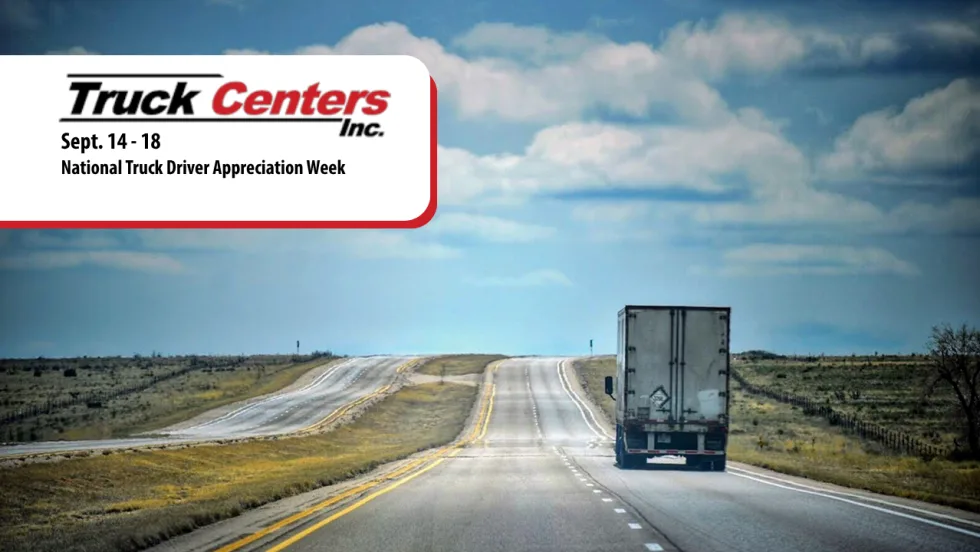
Truck Centers, Inc. Celebrates National Truck Driver Appreciation Week with $1,000 Fuel Card Giveaways
During National Truck Driver Appreciation Week, Truck Centers, Inc. is offering customers a chance to fuel up for free. Customers at all Truck Centers locations can enter to win one of four $1,000 fuel cards from Sept. 14 - 18.
Read More →
Fleet Guides, AI Time-Savers, Truck Tariffs & Fuel Strategy Lead the News
This week’s Truck Chat Cheat Sheet covers new fleet vehicle guides, practical AI use cases, U.S.-Canada truck production, mixed-energy strategy, and more.
Read More →
What Fleet Employers Are Missing When Hiring Veterans
What if some of the strongest candidates for fleet are already out there, but their experience is written in a language our industry does not always recognize?
Read More →
Automotive Fleet Opens 2026 Personal Use Survey for Commercial Fleet Managers
Less than two weeks left! Commercial and corporate fleet managers are invited to share how their organizations handle company vehicle personal-use policies, charges, and driver eligibility.
Read More →
What Resilient Fleets Do Differently When Conditions Change
Fleet resilience is about more than reacting to disruption. Lauren Fletcher talks with AP Fleet’s Alex Coveney about flexibility, planning, scaling, and what helps fleets adapt when business conditions shift.
Read More →
If We Want the Next Generation in Automotive, We Have to Give Them a Reason to Care
The automotive industry talks constantly about its workforce shortage. But before we can recruit the next generation, we may need to do a better job giving kids a reason to care about automotive in the first place.
Read More →
Ram ProMaster City Under $40K, Truck Tariffs, and AI Maintenance Lead the News
A sub-$40K commercial van, tariff questions, AI-powered maintenance, and a new EV production strategy headline this week’s Truck Chat Cheat Sheet.
Read More →
Bob Adamsky Shares the Fleet Lessons You Usually Learn the Hard Way
After more than 30 years in fleet, Arrow International’s Bob Adamsky has learned that the job is about far more than vehicles. He shares the lessons he wishes every fleet manager could learn a little earlier.
Read More →