




Road to the Repair Shop: Impact of Rugged Devices on Fleet Maintenance
Discover how rugged mobile devices are transforming fleet maintenance — boosting uptime, speeding diagnostics, and keeping teams connected in any environment.
by Michael Trafton, Panasonic Connect
April 24, 2025
Fleet maintenance is evolving — rugged technology is paving the road from breakdowns to breakthroughs.
Photo: Work Truck
5 min to read
Work truck fleet managers are on a relentless mission to enhance efficiency – and the latest rugged mobile devices can help them do that, even as the fleets themselves are changing and maintaining them is becoming more difficult and demanding.
Among their many benefits, rugged laptops and tablets can help connect teams, from drivers to technicians, wherever they may be operating, and they can help technicians diagnose and even predict maintenance failures to increase vehicle uptime.
To better understand the breadth and depth of benefits that rugged laptops and tablets can bring to fleet maintenance, let’s explore a few examples.
Promoting Uptime and Productivity in the Field
Imagine a fleet technician who is attempting to wrap up their work at the end of the day. Their laptop battery is running low, so they have to spend precious time finding a place to charge their device and waiting for the charge to happen.
If it’s an older device, even once it’s charged it will struggle to rapidly perform all the tasks the technician needs, including real-time diagnostics. And the technician will need to work carefully if the device is consumer-grade – meaning it’s not built to withstand challenging field conditions. One mistake, and the technician risks the frustrations of downtime, as well as added cost to the business.
The latest rugged solutions address these challenges. They are engineered to withstand extreme weather, dirt, dust, and moisture, so workers can focus on getting the job done, even in difficult field conditions. Modular options, such as hot-swappable batteries, help to ensure the devices will run as long as needed in environments where charging is not an option.
Many modern rugged devices also have advanced heat dispersion built in to help prevent overheating in the field, which is especially important as AI and other increasingly demanding workloads come to the edge.
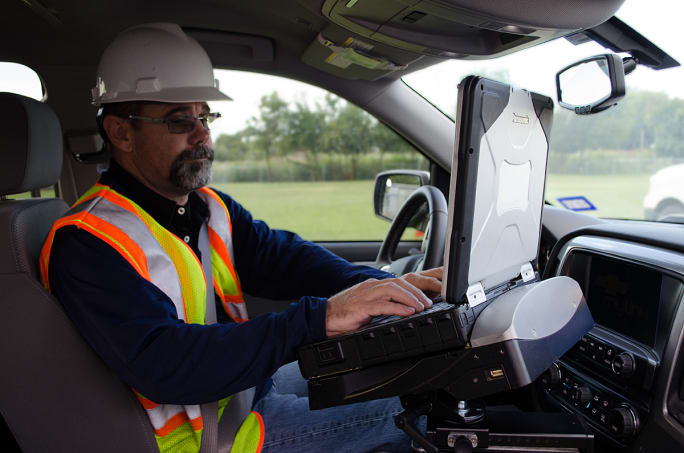
Rugged tablets deliver real-time diagnostics and durability, helping technicians and drivers stay connected and productive wherever the job takes them.
Photo: Panasonic
Keeping Workers and Teams Connected From Anywhere
Many of today’s work truck drivers and operators are constantly on the go, and they need to stay connected with each other to streamline tasks and operations:
Fleet managers need real-time visibility into workers’ locations and how to optimize routes and response times for better efficiency.
Technicians need to be able to connect to systems and software and communicate with their broader team in real time.
For larger operations, real-time communication is critical to inform the daily tasks and actions needed of dispersed teams, including customer service, shipping and receiving, HR, and management.
Rugged devices provide reliable, real-time connections across operations. Workers can use the devices to share real-time updates, so fleet managers can optimize routes and service schedules. For example, if a technician finishes the job sooner than expected, they can be directed to a nearby repair, increasing worker productivity while also reducing business costs by eliminating the need to send additional technicians into the field.
Having dependable connectivity in the office and the field also helps technicians and other workers stay informed and prepared, regardless of location. For example, a technician moving from one site to another can use their rugged laptop to pull up data about previous repairs before getting to work.
They can also order parts, send and receive messages, and perform other tasks without worrying about dropping their connection, running out of battery, or suffering downtime when dust or moisture gets on their device.
Rethinking Diagnostics and Preventive Maintenance
When a fleet vehicle breaks down, diagnosing the issue can sometimes take longer than the actual repair. The repair team needs to be able to immediately call up the work truck's full maintenance history, and they need to be able to quickly access increasingly powerful diagnostic tools.
The old method – looking under the hood to figure out what’s wrong – typically takes far more time, driving up repair costs.
Rugged mobile devices can accelerate the diagnostic process to get light- and medium-duty trucks back to work. They’re designed to work with today’s increasingly computerized vehicles and their advanced sensors, so technicians can rapidly perform real-time diagnostics.
The latest devices also have the horsepower needed to run AI-powered diagnostic solutions that can predict future failure rates, in addition to tracking repair history, so service providers can develop more accurate preventive maintenance schedules and prevent unexpected downtime.
After technicians diagnose and service a vehicle, advanced software analytics running on rugged devices can help them remotely monitor the vehicle’s health. For example, after repairing a work truck, a technician might receive an alert that one of the sensors is not functioning properly. The technician could then re-service the vehicle before it is driven hours away.
Rugged solutions also enable technicians to complete their reporting responsibilities faster and more accurately. Accurate reporting means accurate servicing – and this helps avoid costly and time-consuming damage or outages down the line that can caused by the errors and delays that are endemic to manual reporting.
Putting Rugged Devices to Work
Maintaining commercial fleets is a tough job, and it’s only getting more complex and challenging due to everything from enhanced cost pressures to rapid technological innovations. The latest rugged mobile devices can help fleet managers, technicians, and other workers stay ahead of the challenges.
Long battery life, rugged designs that stand up to harsh environments, powerful wireless connectivity, flawless performance during diagnostics – those are just a handful of the benefits that rugged solutions can deliver to make the difficult job of fleet maintenance a little bit easier.
Subscribe to Our Newsletter
More Maintenance
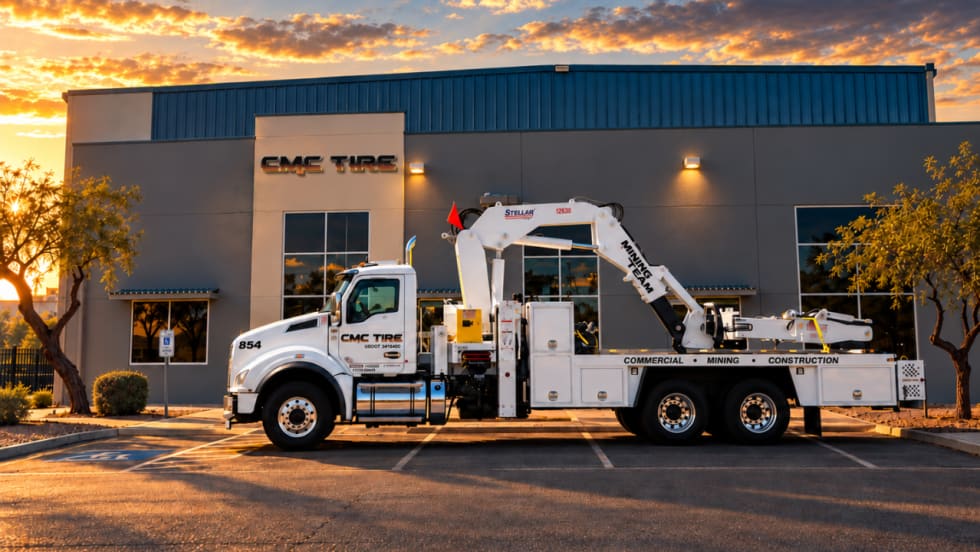
Les Schwab Expands Commercial Tire Footprint Into Arizona
Les Schwab Tires has expanded into Arizona with two commercial tire locations in Phoenix and Tucson, strengthening its fleet service footprint in the Southwest.
Read More →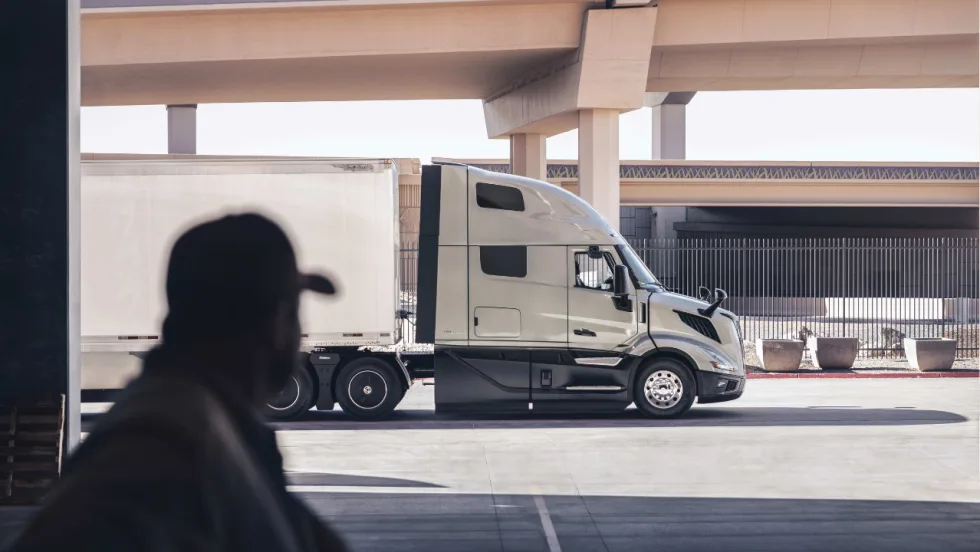
Volvo Trucks’ 'Lock and Leave' Software Updates Go Live Across North America
Unattended over-the-air software updates are now available in Volvo trucks across the U.S. and Canada. The new capability lets trucks stay current with the latest software without interrupting operations or requiring a dealership visit.
Read More →
Why Technician Appreciation Can’t Be a Once-a-Year Thought
For fleets trying to keep skilled technicians, recognition cannot begin and end with Technician Appreciation Week. Learn what year-round appreciation really looks like and why the everyday technician experience matters just as much as pay when fleets are trying to keep good people.
Read More →
How Faster Driver Reporting Can Keep Small Truck Problems Small
When minor damage, warning lights, or equipment issues are reported late, small problems can quickly become bigger maintenance headaches. Conversational AI can help shorten the path from what a driver notices in the field to the person who can act on it.
Read More →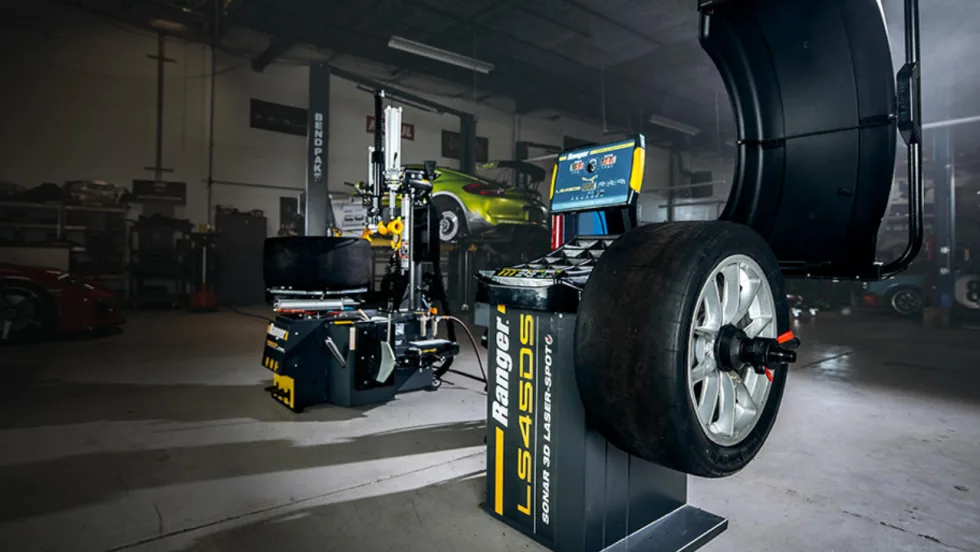
BendPak’s Ranger Wheel Service Equipment Achieves North American Safety Certification
BendPak’s full line of Ranger tire changers and wheel balancers has been ETL certified to UL and CSA standards to improve operator safety.
Read More →
Isuzu & U.S. Department of Labor Celebrate Milestone for Veterans Apprenticeship Program
The Isuzu Veterans Apprenticeship Program (IVAP) signing ceremony highlighted Isuzu’s long-term commitment to veterans, Isuzu dealers, and the skilled workforce supporting its customers and the commercial transportation industry.
Read More →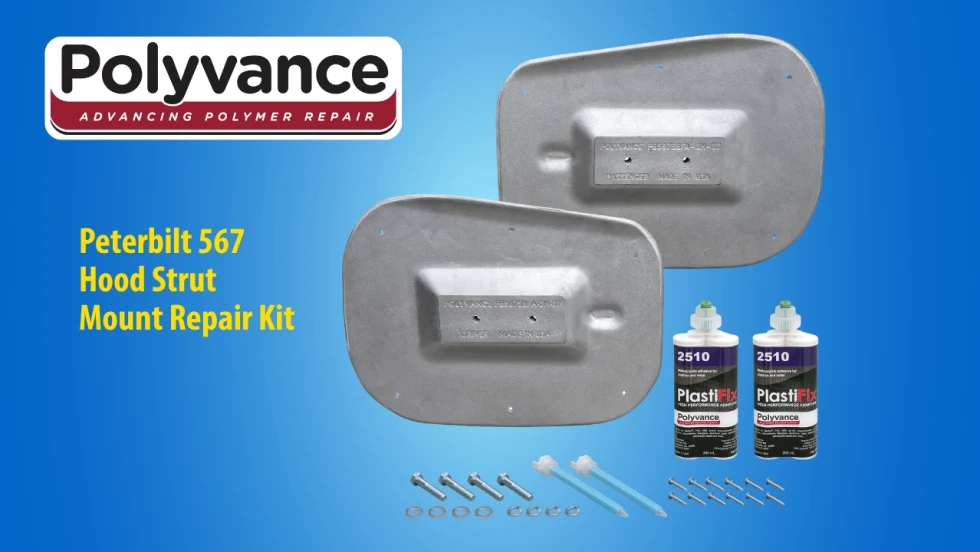
Polyvance Introduces New Peterbilt 567 Hood Strut Mount Repair Kit
Polyvance has launched a repair solution for Peterbilt 567 hood struts, helping truck owners and repair facilities avoid costly hood replacements.
Read More →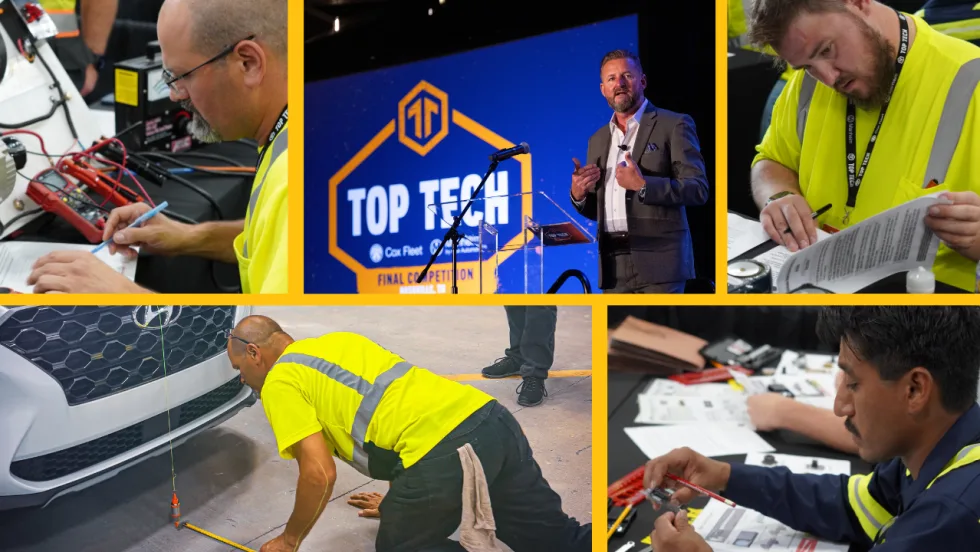
Cox Automotive Celebrates Technical Excellence at 2026 Top Tech Finals
The top technicians from Cox Fleet and Manheim tested their skills in Nashville, Tennessee, at Cox Automotive’s 2026 Top Tech Finals. The overall winners will advance to compete at the American Trucking Association’s TMC SuperTech competition.
Read More →
Grote Industries Appoints Vice President of North American Operations
Grote Industries has appointed Patrick Smith as vice president of North American operations as it celebrates 125 years of innovation and manufacturing excellence. He has more than 20 years of manufacturing leadership experience.
Read More →
Winter Fleet Prep: Expert Tips to Keep Vehicles Running Smoothly
Cold weather can expose weak batteries, tires, fuel systems, and maintenance gaps fast. Use this winter fleet checklist to prepare trucks and drivers before temperatures drop.
Read More →