





Want More? Geotab, Free2move Partner on Telematics for Stellantis
Rising Fuel & Insurance Costs Hit Work Truck Fleets
Rising costs impact more than just a fleet’s bottom line. When using less fuel isn’t an option, what can fleets do? And how can work truck fleets mitigate continually rising insurance costs?
May 19, 2022
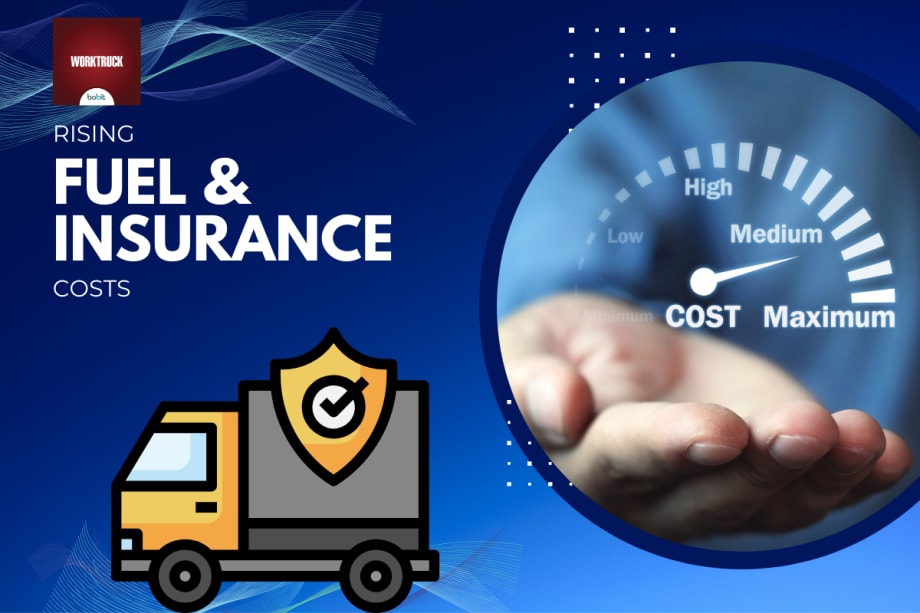
Utilizing telematics, fleets can clearly see where their dollars are going and identify and limit wasteful behaviors - from fuel costs to rising insurance rates.
Photo: Work Truck/Canva
5 min to read
There have been significant increases in vehicle insurance costs across industries and vehicle types. While the increase is widespread, you can assume that the heavier duty a fleet is, the higher its insurance costs will be.
As insurance costs continue to rise, there has also been an uptick in the utilization of video telematics. If an incident were to occur, video telematics can be leveraged to provide a fleet with a clear picture of events on the road to help reduce insurance costs and expedite potential litigation.
And the rising cost of fuel is impacting businesses just as much as it's impacting consumers. The American Automobile Association (AAA) reported that the national average diesel cost in the U.S. is over $5/per gallon as of April 25, 2022.
Fuel is typically one of the largest expenses for fleets, so as gas prices rise, there is even more pressure placed on managers to control costs. Utilizing telematics, fleets can clearly see where their dollars are going and identify and limit wasteful behaviors.
Mitigating Rising Costs
Work Truck spoke with Steven Berube, senior business development manager – Off-Road and Vocational, at Geotab, to find out more about the rising costs and how fleets can mitigate them.
WT: What are some of the ways that work truck fleets can combat or mitigate rising insurance costs?
BERUBE: Improving a fleet's safety performance can help reduce the likelihood of road incidents, which can help mitigate insurance costs.
Telematics can be leveraged to help improve fleet safety; from real-time audible alerts to actionable information empowered by detailed reporting, telematics offers a broad spectrum of safety performance tools.
For example, the Driver Safety Scorecard Report is designed to maximize driver safety and identify a fleet’s riskiest drivers. This report can complement any fleet’s safety measures and act as a powerful tool for gauging drivers’ safety risk.
By identifying which drivers are the safest and which ones could benefit from additional training, managers can reward their top performers and encourage higher-risk drivers to improve their habits. As the fleet's overall safety increases, it should help lower the fleet’s insurance costs.
In addition, integrating video and telematics can help fleets improve driver safety programs to reduce the likelihood of incidents, but it also enables fleets to record and save video evidence of collisions if they do occur, to help navigate insurance claims and potential litigation better.
WT: What impacts do these current trends have on fleet safety?
BERUBE: Insurance and safety will always be linked. Therefore, the rising insurance costs inspire a renewed focus on fleet safety; the better a fleet’s safety performance, the less likely a road incident will occur.
Fleets are also taking a second look at video telematics in response to the rising insurance costs. Commercial fleets are often more susceptible to high insurance payments and litigation in the case of a collision, and it can be helpful to have video evidence to provide a clear understanding of road events.
WT: What are some of the top issues rising fuel prices cause fleets beyond cost?
BERUBE: One trend arising due to increased fuel costs is the growing appeal of electric vehicles (EV). When purchasing new vehicles, businesses must consider the long-term ROI of buying a diesel vehicle vs. buying an EV. With gas prices on the rise, businesses may be more likely to achieve stronger and faster ROI with an EV.
While the upfront cost of an EV might be higher than an ICE vehicle, the benefits of owning and operating an EV can result in significant long-term savings. Since EVs have fewer moving parts, they incur lower maintenance costs, for example, fully electric vehicles do not require oil changes or transmission fluid flushes.
Obviously, saving on fuel costs is another considerable benefit of owning and operating an EV. EVs are three to four times more efficient at converting energy, making it less costly to travel. Another factor is that the average cost of electricity is lower than other fuels. Unlike gas prices, electricity rates are more regulated, meaning they are more static throughout the year. The combination of reduced maintenance and lower fuel costs makes EVs less expensive over time.
WT: What are some ways work truck fleets can reduce the squeeze of these increased costs?
BERUBE: By connecting to telematics, fleets can effectively improve their fuel efficiency in the following ways:
Idling: According to the U.S. Department of Energy, idling can use a quarter to half a gallon of fuel per hour. To help manage idling fleets can leverage telematics to set up idling rules. For example, if it is detected that a vehicle has been idle for 20 minutes, the driver will receive an in-cabin notification to turn off the vehicle. Other ways to reduce idling involve gamification, which rewards the drivers who report the lowest idling time every month.
Safety: Aggressive driving behaviors like excessive speeding, rapid acceleration, harsh braking and cornering, tailgating, and excessive lane changes use more fuel when performed. Therefore, a safe fleet is a more fuel-efficient fleet. To help promote safer driving habits, fleets can leverage data-driven safety programs, driver scorecards, and real-time driver coaching.
Route optimization: Integrating routes into your fleet management systems can help you choose roads that have less traffic, are smoother for vehicles, and shorten drive time. With a more efficient route, fleets can minimize fuel waste and, in some cases, improve customer satisfaction, delivering cargo in a more timely manner.
Tire pressure: Monitoring and maintaining proper tire inflation can help improve fuel efficiency; for every 1 PSI below the tire’s recommended pressure, the fleet could be losing 0.2% in fuel efficiency.
Maintenance checks: Regularly maintaining your vehicle can improve your fuel economy. According to a report in Fuel Economy, using the manufacturer's recommended grade of motor oil can improve gas mileage by 1%–2%. Replacing air filters, changing oil, or fixing any kind of maintenance issues can improve mileage by 40%.
Fuel cards: Integrating fuel cards with telematics can help managers better monitor and manage fuel purchases, helping to reduce the likelihood of fuel theft.
Electric vehicles: Electrification is a clear solution to the rising price of gas but it will be a long and likely a slow process for fleets to transition. Timely research and evaluation need to take place before any decision is made. By leveraging telematics and data, fleets can easily identify suitable EV replacements for their current ICE vehicles, considering total cost of ownership and range.
Subscribe to Our Newsletter
More Technology
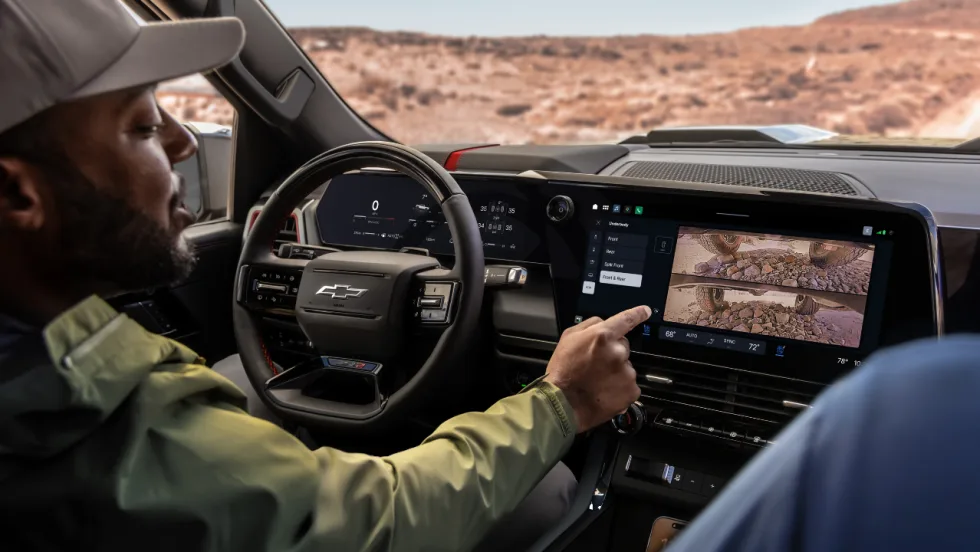
GM Brings New Truck Focused Interface to 2027 Silverado and Sierra
GM's new pickup interface puts trailering data, camera views, vehicle controls, and smartphone integration closer to the driver in the 2027 Silverado and Sierra.
Read More →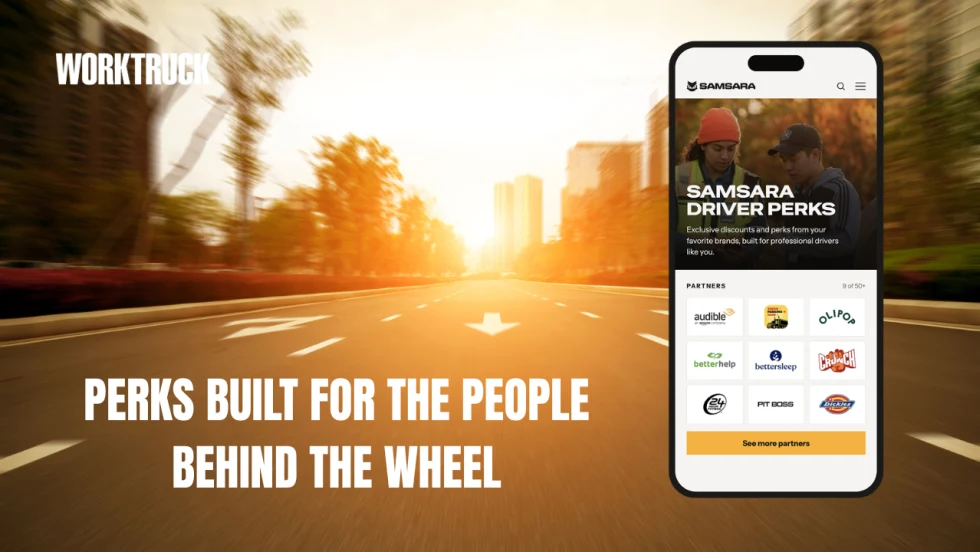
Samsara Driver Perks Expands Rewards Beyond the Long Haul Driver
Samsara’s new driver rewards program was built with a broader professional driver in mind, including employees who split their day between driving, job sites, service calls, and other work.
Read More →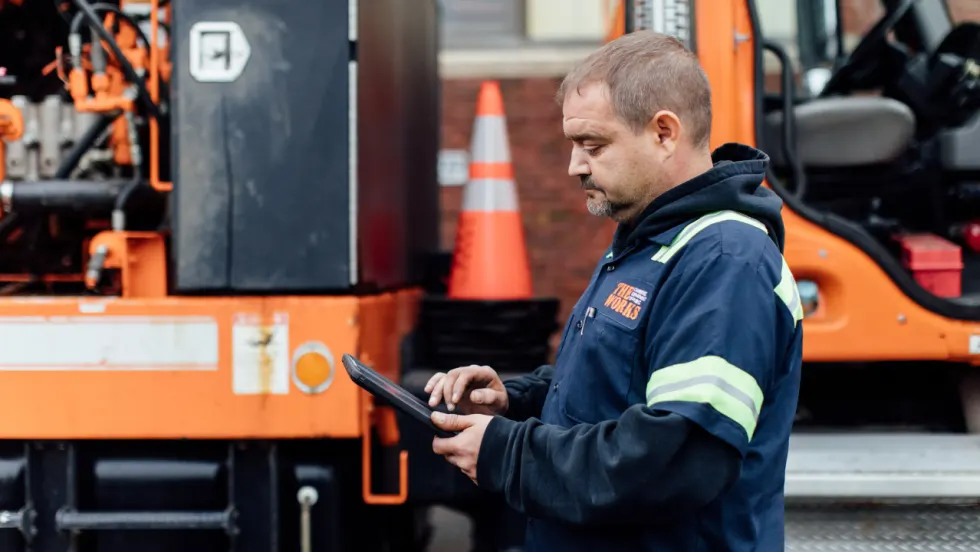
AI Service Advisor Aims to Cut Fleet Repair Downtime
Fleetio said its AI Service Advisor can help fleets cut repair downtime by an average of 2.5 hours per repair while reducing manual maintenance work.
Read More →
Verra Mobility Launches AI-Driven Title & Registration Solution
Verra Mobility has launched a new AI-driven Title & Registration platform to help fleets move vehicles from acquisition to the road the same day while reducing compliance risk.
Read More →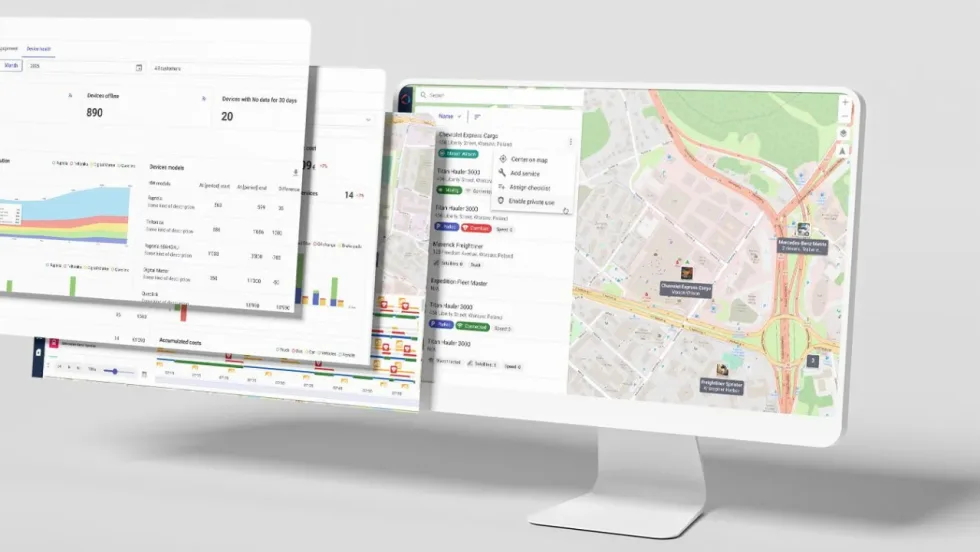
Wialon Unlocks OEM Data to Give Fleet Owners Data Ownership & Operational Clarity
Wialon has introduced hardware-free OEM integration as the EU Data Act accelerates the shift in vehicle data access across the fleet industry in many countries.
Read More →
Teletrac Navman Promotes New CEO from Within
Teletrac Navman’s next CEO, Ricardo Buranello, has served as the company’s chief financial and operating officer. He brings deep financial and operational expertise, a strong strategic orientation, and an intimate knowledge of the business to his new role.
Read More →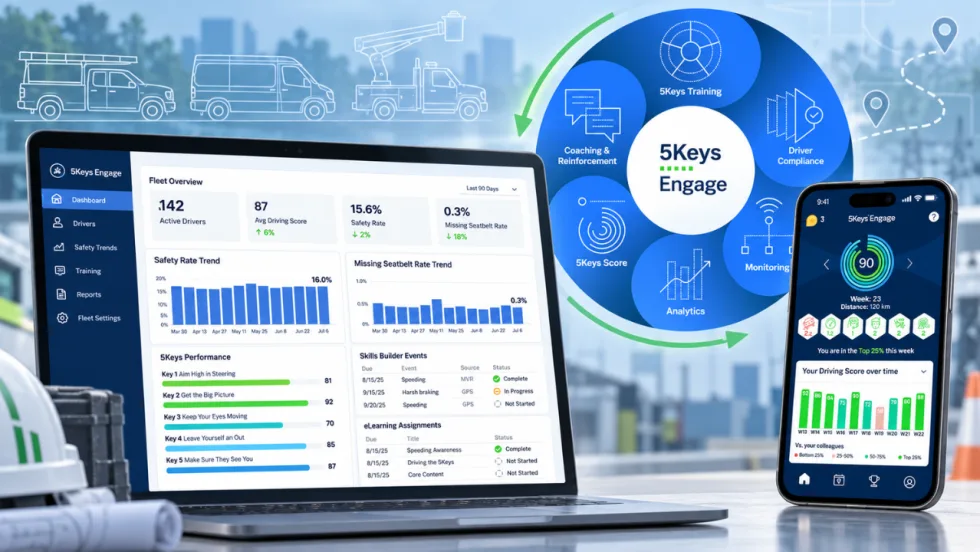
Smith System Wants Work Truck Fleets to Look Beyond the Driver Alert
Smith System’s new Driver Risk Management program is built to help mixed work truck fleets turn telematics alerts and observations into specific behaviors, coaching actions, and measurable follow-up.
Read More →
Ford Pro Software Updates: August 26
Check out the latest Ford Pro software updates, including Google Maps integration, Remote Vehicle Alarm integration, Motor Pool for easier management of shared pool vehicles, and more.
Read More →
Where AI Is Actually Saving Fleet Managers Time
AI is moving past the buzzword stage and into the daily fleet workflow. Fleetio’s Brianna Perry Lang breaks down where fleets are seeing real time savings, from maintenance and data entry to repair decisions, safety, and compliance
Read More →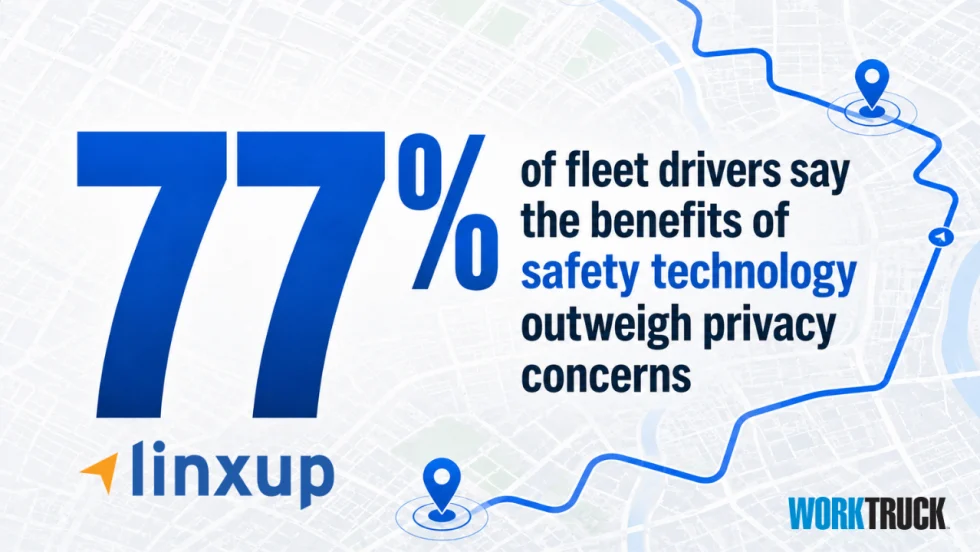
Are Work Truck Drivers Warming Up to Dash Cams and GPS Tracking?
A new survey finds field-service drivers may be more comfortable with dash cams and GPS tracking than fleet managers think, especially when the technology helps protect them after a crash.
Read More →