




Rightsizing for Regulatory Purposes
Any fleet that operates vehicles rated above 10,000-pounds GVWR is being impacted by regulatory compliance concerns. As always, fleet managers are finding creative ways to make it all work.

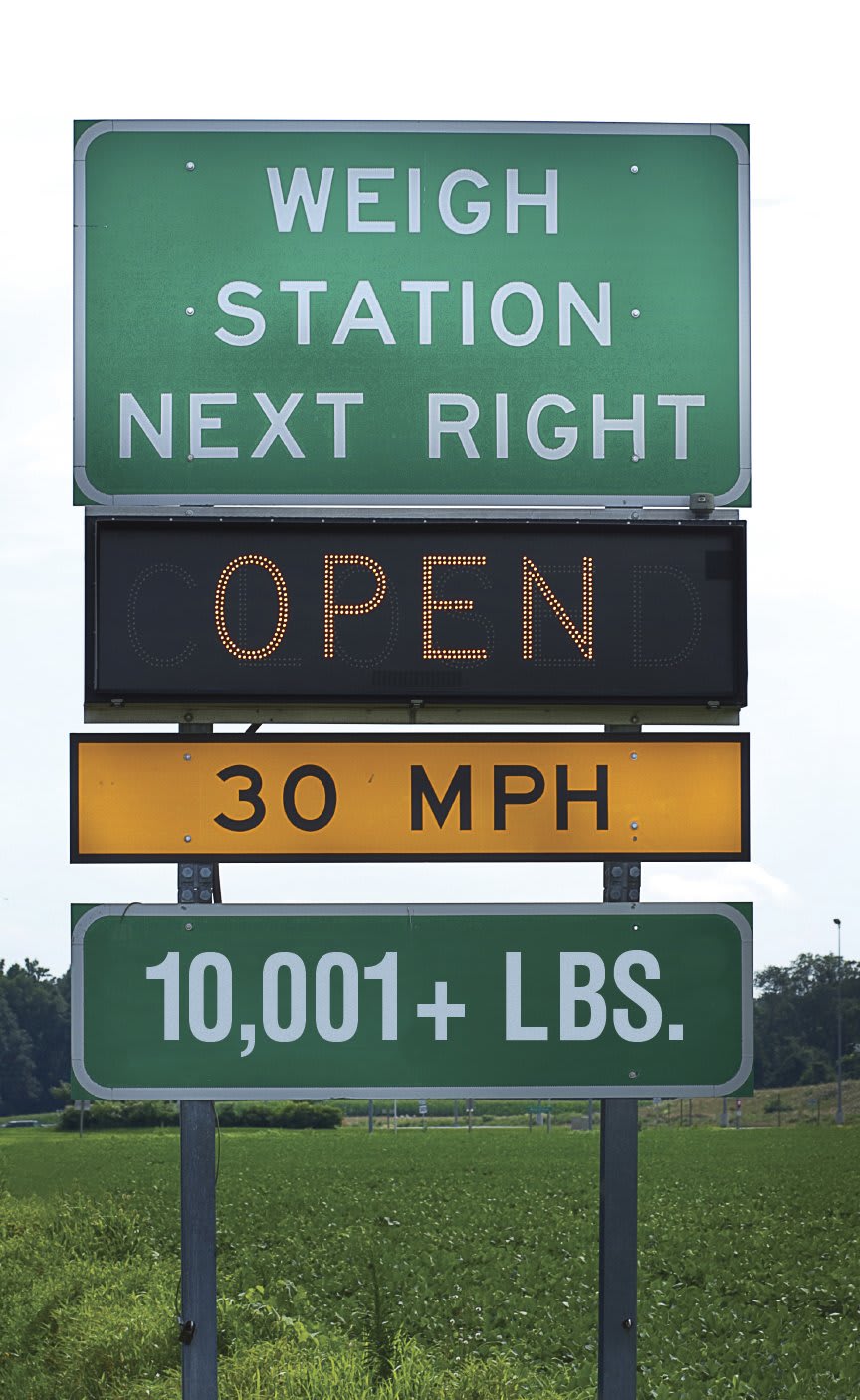
Always looking for ways to “do more with less,” fleet managers have been turning to rightsizing for the past few years. This approach has allowed fleets to reduce overall fuel consumption and save on expenses by reducing vehicle acquisition costs.
In general, fleet managers turn to rightsizing to help a fleet become more sustainable and save money.
But, according to the subject-matter experts at GE Capital Fleet Services (GECFS), rightsizing isn’t just a way to become more efficient, it’s a way to meet federal transportation regulations. The recent successes in the oil and gas industry has dramatically expanded their vehicle fleets and maintaining regulatory compliance continues to be a priority. All fleets can learn some lessons from their experiences.
Detailing the Problem
U.S. Department of Transportation (DOT) regulations and compliance requirements have moved from mainly impacting heavy-duty, over-the-road truck fleets, to now include fleets operating vehicles of 10,001 pounds GVWR or more, which is bringing light- and medium-duty trucks into the fold.
“This can really impact drivers who need to travel greater distances or in rough country where progress is slow, the number of hours versus distance traveled don’t match up very well,” noted Ken Gillies, manager of truck ordering and engineering for GECFS.
Gillies explained that, particularly in the oil and gas service industry, there is a need for the driver, who is also the technical service person, to be on-site for an extended amount of time when making repairs.
“They bring a part and perform the work, and then they are frequently required to remain on site to verify the repair and proper operation.” Gillies noted. “The amount of time varies and it can be some number of hours where the technician must remain on site. If that driver is subject to hours-of-service regulations, they are logging all of that [non-driving] time as well. When they run out of hours, the driver must go off-duty and cannot continue with work, which includes driving or performing repairs.”
Instead of being able to do the work with one technician and vehicle, this results in the need to double up on drivers or technicians to get the same amount of work done, increasing overall fleet costs.
“Further, fleet managers must consider the amount of time that is involved in simply the first technician driving to a site, performing any work, and returning back to base to stay within their hours of service. Then, still needing to send a second technician out to ensure proper coverage on the job site,” Gillies said.
Understanding the Challenges
Overall, many impacted light- and medium-duty fleets could be dealing with far more paperwork, extended driver downtime and unproductive hours, increased vehicle mileage, and possibly an increase in the number of vehicles required to perform typical jobs.
“An additional concern is cost,” according to Gillies. “And, it’s not just the added vehicle cost, which you will have to consider, but any upfitting costs to get vehicles ready for service, multiple drivers that need to be part of the company’s payroll, etc. The cost picture can grow exponentially when you consider doubling, or perhaps even requiring a third vehicle in some areas to perform required services.”
Many of the fleets being newly impacted by these regulations are not used to them, according to Greg Wilson, truck services product manager for GE Capital Fleet Services.
“A lot of what they are being asked to do was typically reserved for over-the-road fleets and long haul, such as tractor-trailers. Now you have fleets who aren’t accustomed to this type of work having to adhere to these new regulations,” Wilson noted.
Finding Hidden Benefits
However, fleet managers are an innovative and resourceful group, and, when coming up with solutions to new problems, are known for finding hidden benefits.
To handle these new concerns and potential pitfalls, some fleets are turning to their fleet management companies for help, while others have turned to that tried-and-true way usually used to increase efficiency and save money, rightsizing their truck fleets under the 10,001-pound GVWR threshold.
One challenge with rightsizing is that fleets do still need to locate a smaller vehicle that has the power and the strength of the larger vehicles.
“This 10,001-pound GVWR breakpoint is creating a lot of change in the industry, both from the OEMs, who build the vehicles, as well as having a significant impact on the upfit space,” Gillies noted. “The OEMs are responding with changes to the vehicle content and are making efforts to become more competitive with each other in the 10,001-pound and under GVW class.”
On the upfitter side, according to Gillies, increased vehicle costs has put additional pressure on the upfitters to minimize their costs.
“The regulations have caused changes to the upfit process, which, in the end, are benefiting the end-user. A lot of work has been done from an engineering perspective in designing upfits that enable the trucks to follow the OEM ship-thru programs, which results in a cost and productivity gain for the end user,” Gillies said. “Overall, this is causing quite a few changes in the industry.”
For fleets that turn to an increased number of vehicles rather than rightsizing, some fleet managers have also turned to telematics to manage the larger vehicle count. While this is an added expense in itself, there are some advantages that can end up saving a fleet money over time.
“It’s no longer simply the case of a fleet manager needing to know where their fleet vehicles are, but if there is any problem that is impacting the driver,” Gillies noted.
While the use of telematics devices can provide the traditional benefits for light- and medium-duty truck fleets — such as monitoring reckless driving, reducing jackrabbit starts and stops, and helping to enforce good driving behaviors, the use of advanced telematics can also have a big safety benefit.
“If the driver is, for whatever reason, incapacitated, and they could be the only technician on site, modern telematics systems can inform the fleet manager and work to get emergency personnel on site,” Gillies explained. “Tragically, it has happened where lives have been lost, but the newer technology advances can provide a lot of safety information on drivers and technicians themselves.”
Overall, according to Gillies, fleets that have turned to telematics have also seen gains in fuel efficiency and reduced accidents.
As shown, this may be yet another hurdle that fleet managers of vehicles of 10,001-pounds GVWR and heavier must manage, but a dose of creativity can turn these challenges into potential savings.
More Operations

Family Ties Inside the Fleet Families Building Careers Across Generations
Three fleet families share what it really takes to work together, learn across generations, and keep business from following them home.
Read More →
Shades of Fleet Call for Voices: Fleet's Hidden Heroes
Fleet’s hidden heroes are often the ones keeping everything moving behind the scenes. September’s Shades of Fleet is looking for dispatchers, coordinators, parts specialists, and other support pros to share their stories.
Read More →
Truck Centers, Inc. Celebrates National Truck Driver Appreciation Week with $1,000 Fuel Card Giveaways
During National Truck Driver Appreciation Week, Truck Centers, Inc. is offering customers a chance to fuel up for free. Customers at all Truck Centers locations can enter to win one of four $1,000 fuel cards from Sept. 14 - 18.
Read More →
Fleet Guides, AI Time-Savers, Truck Tariffs & Fuel Strategy Lead the News
This week’s Truck Chat Cheat Sheet covers new fleet vehicle guides, practical AI use cases, U.S.-Canada truck production, mixed-energy strategy, and more.
Read More →
What Fleet Employers Are Missing When Hiring Veterans
What if some of the strongest candidates for fleet are already out there, but their experience is written in a language our industry does not always recognize?
Read More →
Automotive Fleet Opens 2026 Personal Use Survey for Commercial Fleet Managers
Less than two weeks left! Commercial and corporate fleet managers are invited to share how their organizations handle company vehicle personal-use policies, charges, and driver eligibility.
Read More →
What Resilient Fleets Do Differently When Conditions Change
Fleet resilience is about more than reacting to disruption. Lauren Fletcher talks with AP Fleet’s Alex Coveney about flexibility, planning, scaling, and what helps fleets adapt when business conditions shift.
Read More →
If We Want the Next Generation in Automotive, We Have to Give Them a Reason to Care
The automotive industry talks constantly about its workforce shortage. But before we can recruit the next generation, we may need to do a better job giving kids a reason to care about automotive in the first place.
Read More →
Ram ProMaster City Under $40K, Truck Tariffs, and AI Maintenance Lead the News
A sub-$40K commercial van, tariff questions, AI-powered maintenance, and a new EV production strategy headline this week’s Truck Chat Cheat Sheet.
Read More →
Bob Adamsky Shares the Fleet Lessons You Usually Learn the Hard Way
After more than 30 years in fleet, Arrow International’s Bob Adamsky has learned that the job is about far more than vehicles. He shares the lessons he wishes every fleet manager could learn a little earlier.
Read More →