




Ramifications of a 67 MPH Top Speed
This cross-country service fleet uses engine calibration technology to control each van’s top speed — improving driver safety and fuel usage.

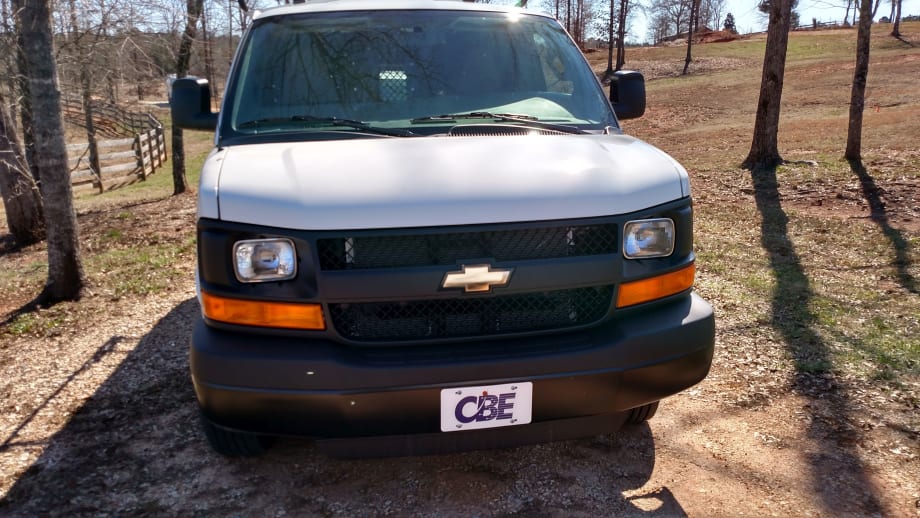
Using Derive’s technology, Loring White, CEO of CBE Inc., was able to set the maximum speed limit on each van to 67 miles per hour. Photo courtesy of CBE.
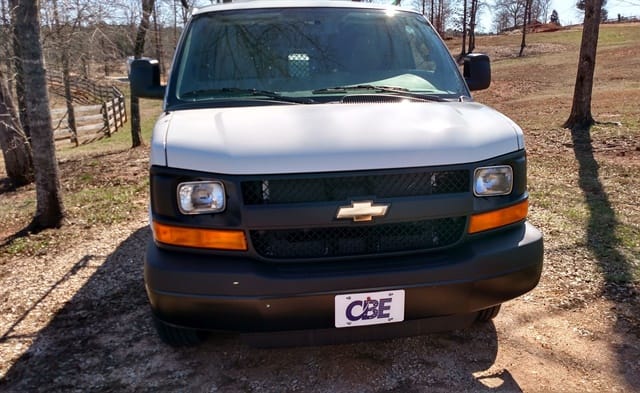
Using Derive’s technology, Loring White, CEO of CBE Inc., was able to set the maximum speed limit on each van to 67 miles per hour. Photo courtesy of CBE.
In addition to using telematics to track his drivers, Loring White wanted to set a maximum speed limit for each of his fleet vans. After looking at a few options, he went with Derive Efficiency’s engine calibration technology.
“We use Derive’s technology to limit how fast each van can go,” says White, CEO of CBE Inc., a cross-country service fleet that sells and services point-of-sale solutions and security products. “We wanted to save on fuel. The faster you drive, the more fuel you use. And in my opinion, we are protecting our drivers from speeding and potentially getting tickets.”
By installing Derive’s engine calibration technology into each of his vans, White is able to program the vehicle before it goes out into the field.
“We set the software [that controls the engine] to maximum economy efficiency so we can get the best gas mileage,” says White.
Based in Montgomery, Ala., CBE’s fleet is made up of 150 Chevrolet Express 2500 vans, according to White. Currently, the company has technicians in 40 U.S. states, mainly in the Midwest and East.
How It Works
Using Derive’s technology, White was able to set the maximum speed limit on each van to 67 miles per hour. To White, maintaining a lower speed better controls gas mileage and reduces wear and tear on each van.
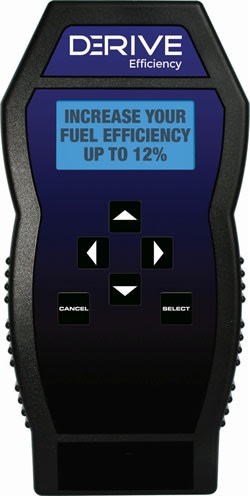
Derive's engine calibration technology can reduce fuel usage by lowering a vehicle's speed and decreasing idling time. Photo courtesy of Derive.
“We have been using Derive Systems for about a year and have already seen a decrease in fuel use,” says White.
White feels more at ease knowing that his drivers can’t go above 67 mph in his vehicles.
“We get complaints from our drivers about the set driving speed,” says White. “But most of them don’t realize the speed limit is for their own good. I don’t want my technicians speeding and getting speeding tickets. I want them to keep a clean driving record and want them to be safe.”
Additionally, the software provides a setting for idle RPM reduction. White says he sets each of his vans to maximum for idle reduction, which helps reduce fuel consumption during idling events when vehicles are stopped.
According to Derive, its engine calibration technology can reduce fuel usage by 10% while decreasing carbon emissions by 16%.
A technician installs the Derive software through a vehicle’s OBD-II port to recalibrate the on-board computer, according to Charlie Mahoney, Derive’s business development manager. Mahoney compares it to updating the software on your cellphone.
“We sent Derive devices to Loring and they can make changes to the vehicle’s top speeds, shifting parameters, and idling,” says Mahoney. “It takes about 17 minutes to plug the device into a vehicle and program it.”
Once the recalibration is complete, the device is removed. The software license is good for that vehicle until you sell it, says Mahoney.
Service Vans
Because White tries to sell his vans between 75,000 and 85,000 miles, he needed a service that would allow him to reset the vehicle’s calibrations before he resold it. Derive’s product allows him to do this.
“With Derive, we can reprogram the vans back to factory default when we get ready to resell them,” says White. “You could buy a similar product through General Motors, but once you change the settings on the vehicle, you can’t reset them. We went with Derive because we resell all of our vans ourselves.”
CBE technicians service and install point-of-sales systems and security camera systems at 25,000 to 27,000 petroleum convenience store locations nationwide, including Circle K.
Each van is outfitted the same with shelving, a ladder and rack, as well as an aluminum bin package by Masterack.
“We carry about $25,000 worth of electronic inventory in each van,” says White. “Each piece of equipment is numbered and assigned to a bin number.”
More Small Fleet


Developing Budget-Friendly Driver Safety Programs
From driver training and safety meetings to one-on-one coaching and incentive programs, several small fleets share how they have developed a safety culture with their drivers using low- to no-cost resources.
Read More →
Boosting Last-Mile Fleet Uptime, Safety, and Value with AI Vehicle Inspections
AI-powered inspections are transforming last-mile fleets by replacing manual checks with highly accurate automated scans that detect defects in seconds. By giving fleet operations visibility into the daily condition of their vehicles, you can identify trends over the vehicle’s lifecycle that enable improved procurement decisions, route management, driver training and accountability.
Read More →
Five Ways Seat Belts Help Prevent Injuries
There are five ways seat belts protect occupants from injuries, according to the Tennessee Department of Safety and Homeland Security.
Read More →
It’s here: The 2026 Fleet Technology Trends Report
What does AI mean for fleets? Get the answer — and learn other top tech trends.
Read More →
Small Fleets, Big Impact: How Independent Drivers Power Wreaths Across America
Check out how small fleets and independent drivers power Wreaths Across America each December and why their impact matters more than ever.
Read More →
VMS Survey Finds 65% of Small Fleet Managers Run Operations Alone
A new VMS survey shows small fleet managers are stretched thin, with most handling operations solo and eager to adopt digital tools for relief.
Read More →
Tips for Driving Safely on Halloween Night
This video features a reminder from the Connecticut Department of Transportation (DOT) and the Connecticut Police Chiefs Association, urging drivers to prioritize safety this Halloween.
Read More →
AI, Access, and Uptime: VMS’s Next Chapter with David Prusinski
VMS’s new Co-CEO, David Prusinski, shares how an AI-first approach will give small fleets and repair shops the tools to compete like big players.
Read More →
Fleet Managers Share Winter Prep Tips: It's Never Too Early!
Three fleets share best practices to prep vehicles for winter and prevent downtime when the cold sets in.
Read More →