




Q&A: Mercedes-Benz Vans Fleet Operations
Mercedes-Benz will shift production of its Sprinter van to South Carolina from Germany later this year. Andrew Lawson, the general manager of fleet operations for van and chassis, sat down with Automotive Fleet to discuss what it means for fleets.

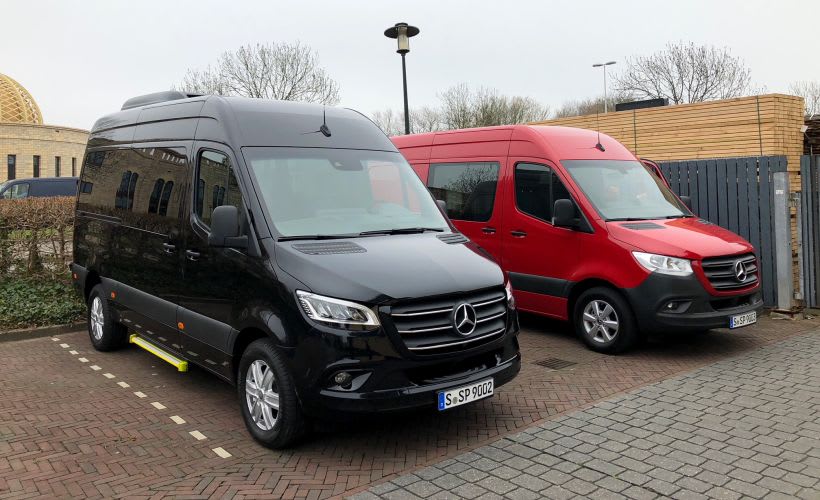
Mercedes-Benz is shifting production of its 2019 Sprinter vans to South Carolina from Germany.
Photo by Paul Clinton.
Mercedes-Benz USA (MBUSA) will shift production of its third-generation 2019 Sprinter van to a new $500 million assembly plant in North Charleston, S.C. later this year to expand its production footprint of the full-size van for the North American market.
The plant will also simplify a complex assembly process that involves the vans being built in Dusseldorf, Germany; shipped to the U.S. in kits; and reassembled in South Carolina.
Andrew Lawson, the general manager of fleet operations for van and chassis, sat down with Automotive Fleet to discuss what it means for fleets when the factory starts producing the vans later this year.
Automotive Fleet: Please give us an update on the new Sprinter assembly plant. When do you expect it to start producing vehicles?
Andrew Lawson: It is an extremely exciting time for Mercedes-Benz Vans due to the fact that our flagship commercial van, the Sprinter cargo van will be fully produced as a complete vehicle in Charleston, which results in us becoming a U.S. commercial van manufacturer for the first time. We are also heavily investing in employment in South Carolina and will have a workforce of over 1,200 people operating in the facility. The up-fitter process is also a key part of the supply chain for fleets, and we are fortunate to have some of our partners supporting our aspirations by investing in facilities near the production plant.

Andrew Lawson, general manager of fleet operations
AF: The Mercedes-Benz fleet operations team has seen some restructuring in recent months and investment from Stuttgart. Could you give us a few details?
Lawson: I see a sizable growth opportunity for fleet in the U.S. and the NAFTA region, and we have and are heavily investing in structuring the fleet sales team to ensure that we have the capability to credibly develop relationships with both our existing and prospective customers. We are now equipped to be able to manage not only the larger fleets and up-fitter customers but also the small medium enterprises where we see a huge opportunity for MBUSA and our dealer partners.
We also identified the need to support customers with their uptime and — in addition to enhancing the sales side of the business — we have heavily invested in customer services. We now have an established team in the field and at our headquarters that will support customers with aftersales and technical topics.
AF: The 2019 Sprinter will enter its third generation with an array of upgrades, including a gasoline engine option, and the company has expanded its Metris lineup. How does this help the company better compete with vans from the Detroit Three?
Lawson: Despite the current Sprinter diesel offering's total-cost-of-ownership figures, we have listened to feedback from customers that there is a sizable requirement for customers to operate a gas engine derivative.
We will also offer the first B2B connectivity solution in the U.S. market. Mercedes Pro will improve navigation, service, communication, fleet management, driving style, vehicle control, and the overall documentation of vehicle information. This will lead to a simplification for our customers’ daily routines.
We are also pleased with the progress with the Metris, which is now becoming an established product in the U.S. The Metris is now competing in both the small and medium van segment, and we have many fleets interested and purchasing the product due its versatility.
AF: The Mercedes-Benz fleet strategy is based on industry segmentation. How does that help the marketing efforts?
Lawson: The industry segmentation approach has and is enabling us to operate at a more strategic level with customers. Many of our competitors are very price-led in their offerings; however, we are extremely focused on being a holistic partner to our customers. We are already extremely established in various industry segments on a global basis and we will work with customers to not only offer a financially viable proposition, we will work in partnership with them to understand their needs and requirements throughout the vehicle life.
We have proven that we can compete financially with the added benefit we offer a more consultative approach. This has yielded positive results and helped to expand relationships with our customers.
AF: Your aftersales initiative has seen some updates with dealers that are investing in new locations. How many dealers now offer Mercedes-Benz vans? We've also hear dealers are offering mobile service. Could you tell us more about that?
Lawson: We have a professional network of 290 Mercedes-Benz and Freightliner dealers actively selling vans in the U.S. The investment is ongoing in facilities in new locations and many dealers are investing in mobile service solutions that provide our dealers the capability to maintain vehicles on a customer's premises.
AF: How has the relationship with Daimler AG progressed? Can you now provide mixed fleets solutions to meet their needs for trucks, vans, or passenger cars? How does Freightliner fit into this?
Lawson: The van business unit sits nicely between two very established successful U.S. business units. We have the capability to offer fleets the choice of the Mercedes-Benz or Freightliner Sprinter. Each offers its own unique approach to the fleet business.
Many of our customers are requesting an aligned approach across the Daimler business units, and this has resulted in us being able to leverage the relationships already in place.
AF: You have dedicated teams for the fleet management companies. Anything new to report?
Lawson: In the past, we were very reliant on our existing customers. As we have embarked upon an aggressive growth strategy, our approach has now evolved, and we are more strategic in our outreach and partnership efforts. The feedback on the increased focus has been positive. The fleet management companies are also supported on a local level and the fleet team is actively meeting and presenting the benefits of operating our product to their team and their customers.
AF: Mercedes-Benz USA has introduced a remarketing team. How does this fit into the fleet sales cycle?
We see many fleets operating their vehicles for a sizable period, and we experience this more with our products due to the reliability of our products. Our main goal is to promote a best-in-class total cost of ownership, and the residual value plays a major part. We see sizable opportunities in working with customers to shorten the life-cycles of their fleets.
By having a dedicated remarketing team, we are able to work collaboratively with the price positioning of the product, and we are also now able to support fleet customers with the disposal of their fleets.
Related: 2019 Mercedes-Benz Sprinter (driving notes)
Originally posted on Automotive Fleet
More Vehicle Research
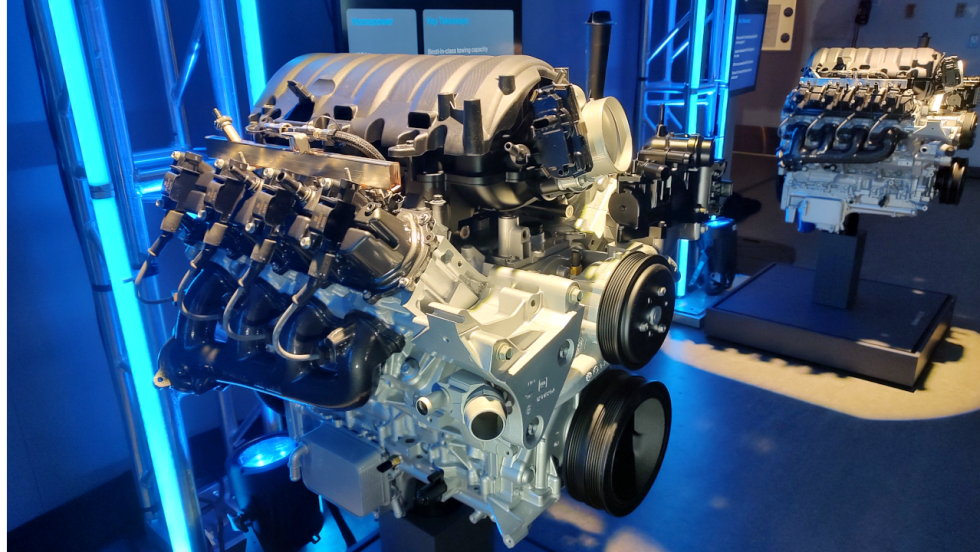
GM Unveils New Sixth-Generation Small Block Engines for 2027 Light-Duty Pickups
General Motors unveiled two new small-block engines, backed by extensive real-world validation and more than 70 years of small-block V8 manufacturing experience, as part of the engine portfolio for the 2027 Chevrolet Silverado 1500 and GMC Sierra 1500.
Read More →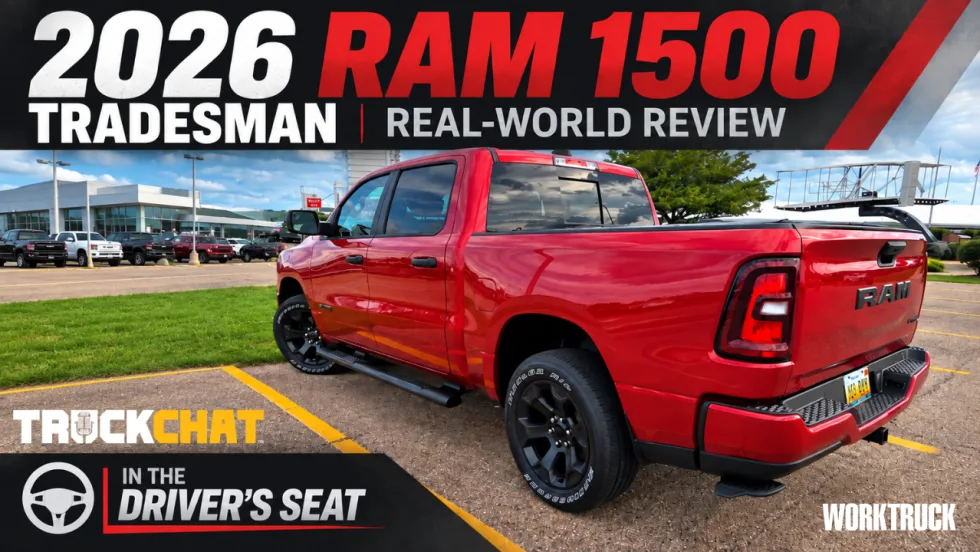
2026 Ram 1500 Tradesman Put to a Real-World Fleet Test
A few days behind the wheel of a 2026 Ram 1500 Tradesman turned into a test of visibility, parking, work-ready features, and even severe-weather driving.
Read More →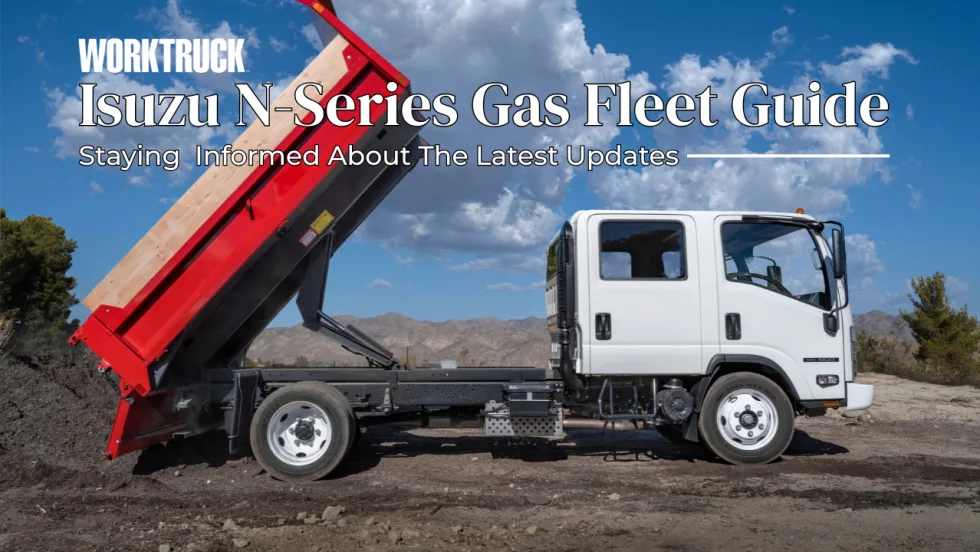
Isuzu N-Series Gas Fleet Guide: Specs, Capability and 2027 Model-Year Updates
Explore Isuzu Truck North America’s N-Series Gas fleet specs, engine performance, GVWR and payload capability, configurations, chassis dimensions, work-focused features, and 2027 model-year information.
Read More →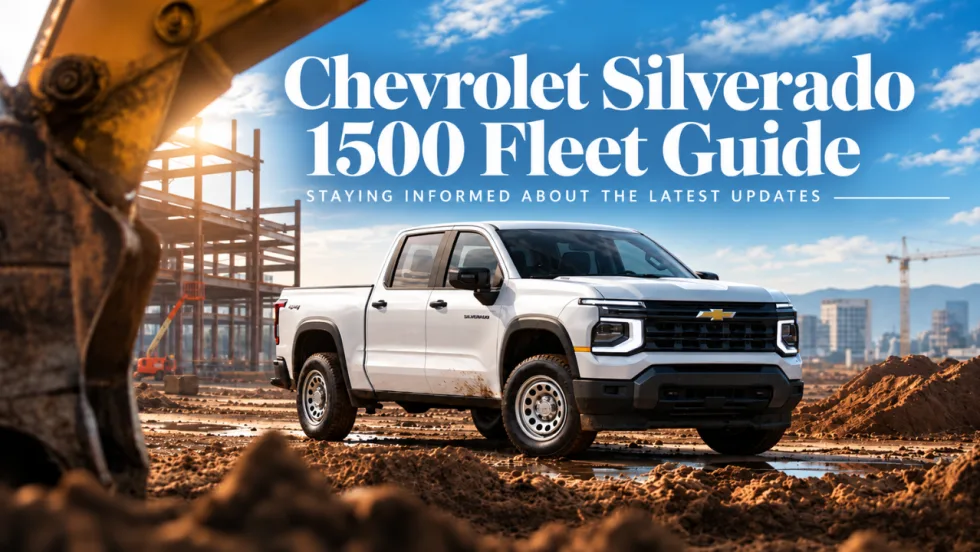
Chevrolet Silverado 1500 Fleet Guide Specs Capability and 2027 Model-Year Updates
The next-generation 2027 Chevrolet Silverado 1500 brings new V-8 engines, updated technology, expanded safety features, and a fleet-focused Work Truck. Here’s what commercial fleets need to know so far.
Read More →
Ram ProMaster City Fleet Guide Specs Cargo Capacity and 2027 Updates
Work Truck’s Ram ProMaster City Fleet Guide tracks the latest specifications, cargo capability, configurations, fleet technology, pricing, and model-year updates for Ram’s mid-size commercial van.
Read More →
Ford F-150 Fleet Guide Specs Capability and 2026 Model-Year Updates
Explore 2026 Ford F-150 fleet specs, engines, towing and payload capability, configurations, work features, technology, and model-year updates.
Read More →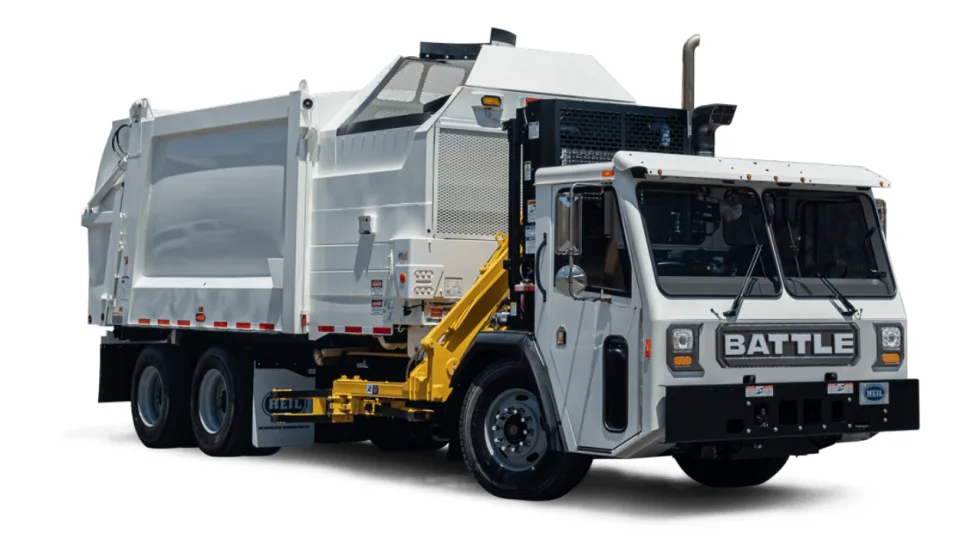
TCI Now Sells & Supports Battle Motors’ Vocational Trucks
Midwest truck dealer Truck Centers, Inc. (TCI) has expanded its transportation solutions with sales and service support for Battle Motors’ heavy-duty vocational trucks at locations in locations in Indiana, Illinois, and Missouri
Read More →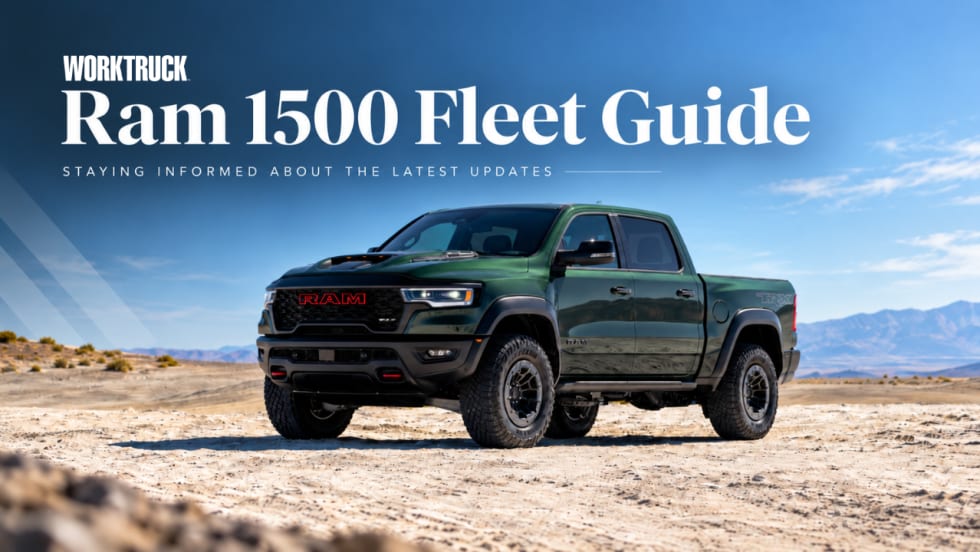
Ram 1500 Fleet Guide Specs, Capability and 2027 Model-Year Updates
Explore always up-to-date Ram 1500 fleet specs, engines, towing and payload capability, configurations, technology, pricing updates, and model-year changes.
Read More →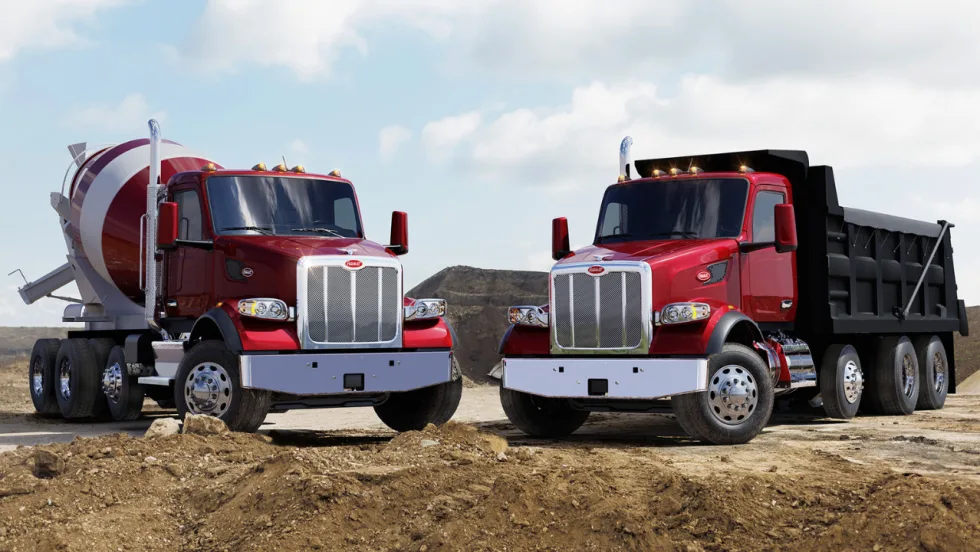
Peterbilt Trucks Equipped with Paccar TX-18 Pro Boost Efficiency for Maryland Fleet
Patuxent Companies is replacing aging trucks with the Peterbilt Model 567 and Model 589, specified with the Paccar TX-18 Pro 18-speed automated transmissions, and is reporting an 8% to 10% improvement in fuel economy.
Read More →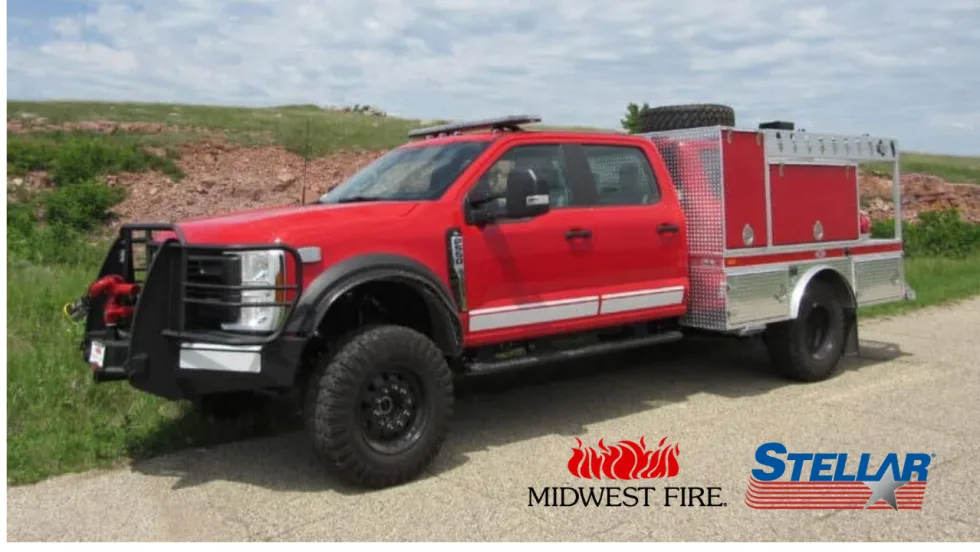
Stellar Expands into Fire Apparatus Market with Acquisition of Midwest Fire
Stellar Industries has acquired Midwest Fire, a custom fire apparatus manufacturer headquartered in Luverne, Minnesota, with nearly four decades of specialized apparatus experience.
Read More →