





Dig Deeper: The Death of the Small Compact Van
Pricing Your Van and Figuring Out the Costs
Options include cash purchases, long or short-term leasing and traditional financing.
April 22, 2021

The ultimate final price you pay will be decided by your choice of financing. Options include cash purchases, long or short-term leasing and traditional financing.
Photo: Ford
3 min to read
Setting a Budget
Once you have decided upon the perfect van for purchase, it is time to set a budget that factors in your personalized specifications. A realistic budget for vans is $32,000 to $55,000 based upon the manufacturer and the specific model chosen. Minivans made by Nissan and Honda have suggested retail prices of $32,000 and up while the Mercedes-Benz base models begin at $36,400 and can reach $50,000 or more depending upon the wheelbase, height, and length.
The ultimate final price you pay will be decided by your choice of financing. Options include cash purchases, long or short-term leasing and traditional financing. Be sure to factor in the additional costs associated with financing your van.
In addition, you will have other unavoidable costs that might include taxes, licensing and shipping fees.
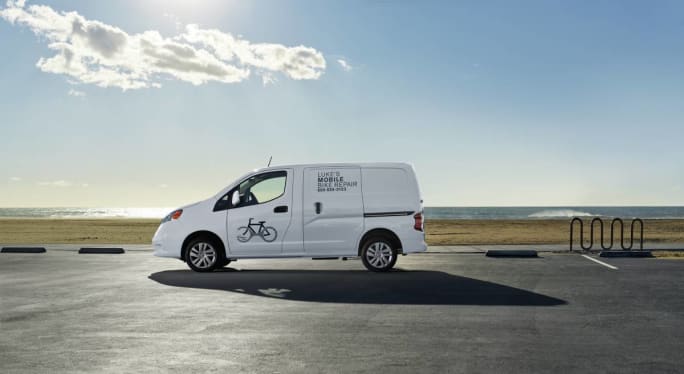
Dealerships are provided with volume bonuses from manufacturers for meeting quotas for sales of vehicles included in fleet programs.
Photo: Nissan
Fleet Sales Pricing
The fleet sale price is typically between $250 and $1000 above the dealer invoice cost. When working with a fleet salesperson, quotes or prices are frequently discussed based on the dealership cost and may include such lingo such as, “$700 over.” This term means you will be paying $700 over the actual dealership cost. If the dealership paid $35,000 for a vehicle, the fleet price is $35,700.
You might wonder why a dealership would want to sell a vehicle for a profit of $700. Dealerships are provided with volume bonuses from manufacturers for meeting quotas for sales of vehicles included in fleet programs. These bonuses can range from hundreds of thousands of dollars in a year to several million dollars. The manufacturers value having their brand used in the workforce. Truth be told, the “invoice price” is usually not a true representation of what the dealership really pays for the vehicle.
There are a few important things you should know before beginning the purchasing process. Know the manufacturer’s suggested retail price (MSRP) and the dealer invoice price. There are many online vehicle pricing tools that provide this information. Most manufacturers offer specific fleet information on their websites, although you must be a registered user and meet certain qualifications to gain access.
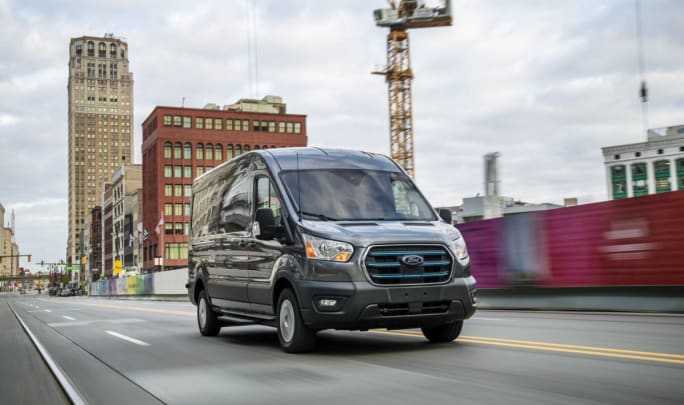
Are you eligible for fleet pricing? It depends upon the manufacturer you select. The most common number among manufacturer fleet programs is 5.
Photo: Ford
What You Really Want to Know: Are you eligible for fleet pricing? It depends upon the manufacturer you select. The most common number among manufacturer fleet programs is 5. How the number 5 is applied can vary between brands, with some requiring that you operate a fleet of five or more of any type of vehicle while others require the purchase of five new vehicles per year. Nissan, for example, requires a new van to be registered in the name of a company and become part of a minimum two-vehicle fleet. There are a few other legal compliances.
This cost calculator tool can help you figure out your fleet finances: AF/Vincentric Vehicle Research channel/cost calculator: https://www.automotive-fleet.com/vehicle-research
Subscribe to Our Newsletter
More Small Fleet


Developing Budget-Friendly Driver Safety Programs
From driver training and safety meetings to one-on-one coaching and incentive programs, several small fleets share how they have developed a safety culture with their drivers using low- to no-cost resources.
Read More →
Sponsored•March 9, 2026
Boosting Last-Mile Fleet Uptime, Safety, and Value with AI Vehicle Inspections
AI-powered inspections are transforming last-mile fleets by replacing manual checks with highly accurate automated scans that detect defects in seconds. By giving fleet operations visibility into the daily condition of their vehicles, you can identify trends over the vehicle’s lifecycle that enable improved procurement decisions, route management, driver training and accountability.
Read More →
Five Ways Seat Belts Help Prevent Injuries
There are five ways seat belts protect occupants from injuries, according to the Tennessee Department of Safety and Homeland Security.
Read More →
Sponsored•January 14, 2026
It’s here: The 2026 Fleet Technology Trends Report
What does AI mean for fleets? Get the answer — and learn other top tech trends.
Read More →
Small Fleets, Big Impact: How Independent Drivers Power Wreaths Across America
Check out how small fleets and independent drivers power Wreaths Across America each December and why their impact matters more than ever.
Read More →
VMS Survey Finds 65% of Small Fleet Managers Run Operations Alone
A new VMS survey shows small fleet managers are stretched thin, with most handling operations solo and eager to adopt digital tools for relief.
Read More →
Tips for Driving Safely on Halloween Night
This video features a reminder from the Connecticut Department of Transportation (DOT) and the Connecticut Police Chiefs Association, urging drivers to prioritize safety this Halloween.
Read More →
AI, Access, and Uptime: VMS’s Next Chapter with David Prusinski
VMS’s new Co-CEO, David Prusinski, shares how an AI-first approach will give small fleets and repair shops the tools to compete like big players.
Read More →
Fleet Managers Share Winter Prep Tips: It's Never Too Early!
Three fleets share best practices to prep vehicles for winter and prevent downtime when the cold sets in.
Read More →