




Prepping Your Fleet Vehicles for Resale
When it's time to dispose of retired units, which vehicle prep strategies can improve resale value? Following industry basics can have a significant impact on resale prices.
by Dave Funston and Lauren Fletcher
November 8, 2024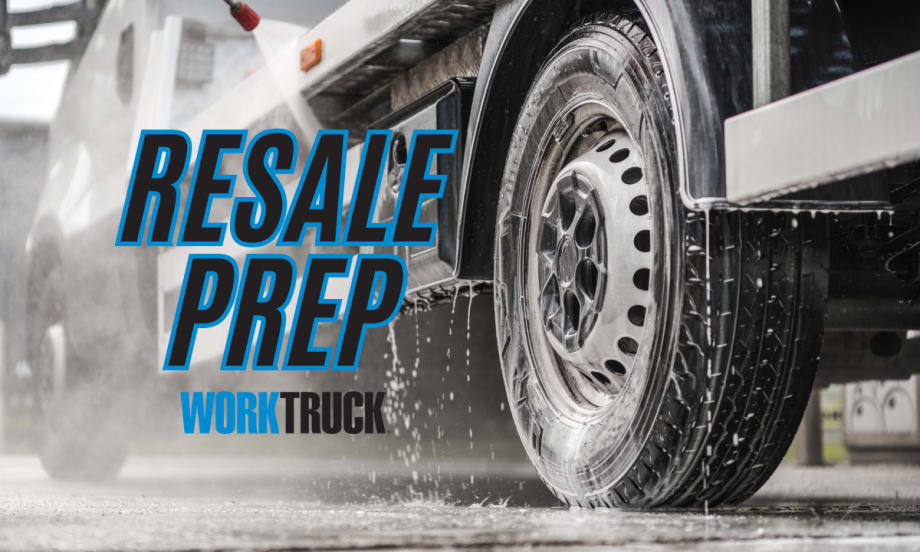
A clean and well-maintained exterior is a buyer's first impression of your fleet vehicle. Simple steps like professional detailing and minor bumper repairs can significantly boost resale value.
Photo: Work Truck
3 min to read
Maximizing resale value for retired fleet vehicles starts with strategic preparation. By focusing on key areas like curb appeal, maintenance, and documentation, you can command higher prices and avoid pitfalls that may diminish value.
Check out a few steps that will not only help you sell faster but also achieve the highest possible return on investment (ROI).
Boosting First Impressions: Exterior Detailing Tips
Just like in real estate, a buyer's first impression matters. A clean, polished exterior signals a well-cared-for vehicle and sets the stage for higher offers.
Detailing the Exterior: A professional exterior detail—including washing, polishing, and waxing—can cost around $100 but often returns $300–$500 in added value. Ensure painted surfaces are smooth, wheels are clean, and tires are dressed.
Quick Tip: Partner with a local car wash or mobile detailer to streamline the process for multiple vehicles.
Repair vs. Replace: Bumpers, Dents, and Rust
Some minor repairs can significantly boost resale value, while others may not justify the cost.
Bumper Repairs: Fixing scuffs, faded paint, or minor damage costs $200–$300. It avoids buyer skepticism about hidden damage and is a worthwhile investment.
Paintless Dent Repair (PDR): Small dents with intact paint can be repaired for $50–$75 per panel, drastically improving appearance.
Rust and Major Body Damage: Obtain estimates for repairs but weigh costs carefully. For instance, a $2,000 repair on a high-mileage truck may not yield ROI. Showing buyers a repair estimate can help justify pricing and foster transparency.
Focusing on Interior Repairs for Maximum ROI
The interior matters as much as the exterior. A detailed interior improves resale appeal while modest repairs like replacing seat covers can yield significant returns.
Detailing the Interior: Shampoo carpets and clean dashboards and trim. Cost: ~$100–$150. Potential ROI: $300–$400.
Addressing Worn Seats: Replace worn driver’s seat panels and cushions. This investment (~$200) makes an outsized impression on buyers.
Under the Hood: Mechanical and Engine Tips
Buyers often inspect a vehicle’s mechanical condition, making this a crucial area for preparation.
Fluids and Leaks: Ensure all fluid levels are correct and there are no visible leaks.
Battery: Replace weak batteries immediately (~$150). A dead battery erodes buyer confidence.
Engine Detailing: Clean the engine bay (~$50–$75). A spotless compartment impresses buyers and aids inspection of belts and hoses.
Strategic Tire Replacement
Worn or mismatched tires are red flags. Replace tires with less than 1/16-inch tread depth. Costs vary from $400–$600, but mismatched tires or poor alignment can reduce perceived value significantly.
Fleet Policies and Record Keeping
Good policies make end-of-term preparation easier and more effective.
Service Records: Documentation of maintenance and repairs supports your pricing and reassures buyers.
Registration and Title: Ensure tags are current and provide a title copy to build trust.
Smoking Policies: Discourage smoking in vehicles to avoid lingering odors and interior damage.
Actions That May Not Pay Off
Not all repairs yield ROI. Avoid these pitfalls:
Replacing a transmission on a high-mileage vehicle.
Spending heavily on aesthetic repairs for severely damaged vehicles.
Repairing windshields on non-drivable units.
Conclusion: Ready for Resale
By following these preparation strategies, you’ll ensure your fleet vehicles sell faster and for top dollar. A little effort now pays off when it’s time to sell. Start with a professional inspection and detail, and build a process to streamline future vehicle sales.
Editor's Note: This article was originally published in January of 2008 and has been updated for continued relevancy.
Subscribe to Our Newsletter
More Small Fleet


Developing Budget-Friendly Driver Safety Programs
From driver training and safety meetings to one-on-one coaching and incentive programs, several small fleets share how they have developed a safety culture with their drivers using low- to no-cost resources.
Read More →
Sponsored•March 9, 2026
Boosting Last-Mile Fleet Uptime, Safety, and Value with AI Vehicle Inspections
AI-powered inspections are transforming last-mile fleets by replacing manual checks with highly accurate automated scans that detect defects in seconds. By giving fleet operations visibility into the daily condition of their vehicles, you can identify trends over the vehicle’s lifecycle that enable improved procurement decisions, route management, driver training and accountability.
Read More →
Five Ways Seat Belts Help Prevent Injuries
There are five ways seat belts protect occupants from injuries, according to the Tennessee Department of Safety and Homeland Security.
Read More →
Sponsored•January 14, 2026
It’s here: The 2026 Fleet Technology Trends Report
What does AI mean for fleets? Get the answer — and learn other top tech trends.
Read More →
Small Fleets, Big Impact: How Independent Drivers Power Wreaths Across America
Check out how small fleets and independent drivers power Wreaths Across America each December and why their impact matters more than ever.
Read More →
VMS Survey Finds 65% of Small Fleet Managers Run Operations Alone
A new VMS survey shows small fleet managers are stretched thin, with most handling operations solo and eager to adopt digital tools for relief.
Read More →
Tips for Driving Safely on Halloween Night
This video features a reminder from the Connecticut Department of Transportation (DOT) and the Connecticut Police Chiefs Association, urging drivers to prioritize safety this Halloween.
Read More →
AI, Access, and Uptime: VMS’s Next Chapter with David Prusinski
VMS’s new Co-CEO, David Prusinski, shares how an AI-first approach will give small fleets and repair shops the tools to compete like big players.
Read More →
Fleet Managers Share Winter Prep Tips: It's Never Too Early!
Three fleets share best practices to prep vehicles for winter and prevent downtime when the cold sets in.
Read More →