




NPL Construction Company Focuses on Idle Reduction
Through a focus on reducing the fleet’s idling, the pipeline construction company has reduced its CO2 footprint by more than 690,000 pounds in just six months.

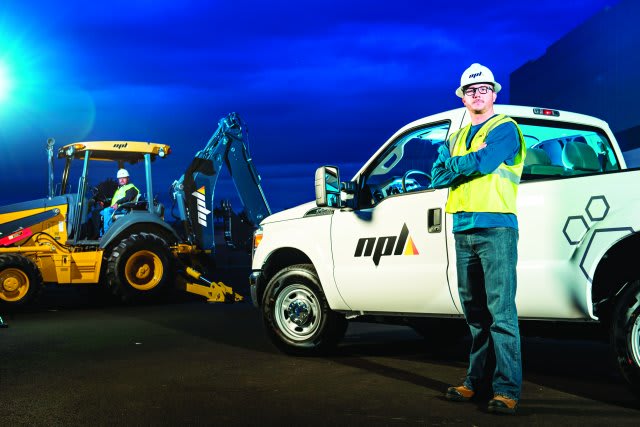
Through idle-reduction, NPL Construction saved more than $180,000 in fuel costs in six months. (PHOTO: NPL Construction)
For more than 40 years, NPL Construction Company has been a major player in the natural gas pipeline industry. The industry has changed during those years, and so, too, has NPL. Since its inception, the company has added electric, fiber, telecom, cable TV, and other utilities to its lineup, offering a full line of distribution infrastructure services in markets throughout the U.S.
With its rapid growth, NPL’s fleet is comprised of more than 2,400 vehicles nationwide, traveling more than 32 million miles annually.
To put that into perspective, that is 60 miles a minute, every hour, every day of the year.
Creating a Campaign
But, there is a price associated with all those miles both in dollars at the pump and in the impact emissions have on the environment. While NPL must operate vehicles to conduct business, one area the company saw as an opportunity for improvement was reducing the amount of fuel consumed when idling.
“Through the use of telematics we identified that our vehicles were consuming an excessive amount of fuel while idling,” said Chad Fay, NPL’s director of fleet operations. “Recognizing and coaching this behavior presents not only an opportunity for cost savings, but also an opportunity to reduce our impact on the environment, and increase vehicle life expectancy.”
Beginning April 2014, NPL and its fleet management department, which includes six regional fleet managers dispersed across the nation and two fleet analysts, created a grassroots, company-wide idle reduction campaign, setting a goal to reduce and ultimately eliminate unproductive engine idle time.
“The pathway to success in reaching this goal was to raise awareness across all our locations focusing on the impact idling has on fuel spend, vehicle maintenance, and the environment,” said regional fleet manager Bill Ursic, who was appointed co-chairman of the campaign. “All of our vehicles are equipped with telematics, which makes it easy to track unnecessary idling. Our department then provides each company location with monthly progress reports, newsletters, and bi-weekly educational pieces (signs and posters) to keep the awareness up throughout the campaign.”
After six months, NPL has reduced its CO2 footprint by 1,088,765 pounds and calculated a fuel savings of more than $187,298.
“The results have been fantastic,” added Neil Holladay, NPL’s Chicago-based regional fleet manager, who has assisted with managing the campaign. “Quite simply, the company goal is to eliminate unnecessary vehicle idle time. The word is out and our drivers are making it happen. NPL’s ‘Culture of Personal Responsibility’ has been vital to our progress towards reaching this goal, and we look forward to building on our initial success.”
More Green Fleet

Fleet Forward Conference Introduces One-Day Passes for 2026
New one-day registration gives fleet professionals the flexibility to attend Tuesday, Wednesday, or Thursday, with passes available for $199 through Sept. 18.
Read More →
CALSTART Rebrands as Catalyst Mobility, Will Combine with Forth in 2027
CALSTART has rebranded as Catalyst Mobility and will combine with Forth at the start of 2027. The new organization said it is poised to become one of the world's largest, strongest, and most impactful clean transportation nonprofits.
Read More →
Electric Truck and Charging Programs to Boost Sustainability at NY & NJ Ports
Together, the Port Authority of New York and New Jersey and CALSTART will electrify drayage and terminal operations serving the East Coast’s busiest container port. A pair of incentive programs totaling $45 million has launched to accelerate adoption of zero-emission drayage trucks and terminal tractors.
Read More →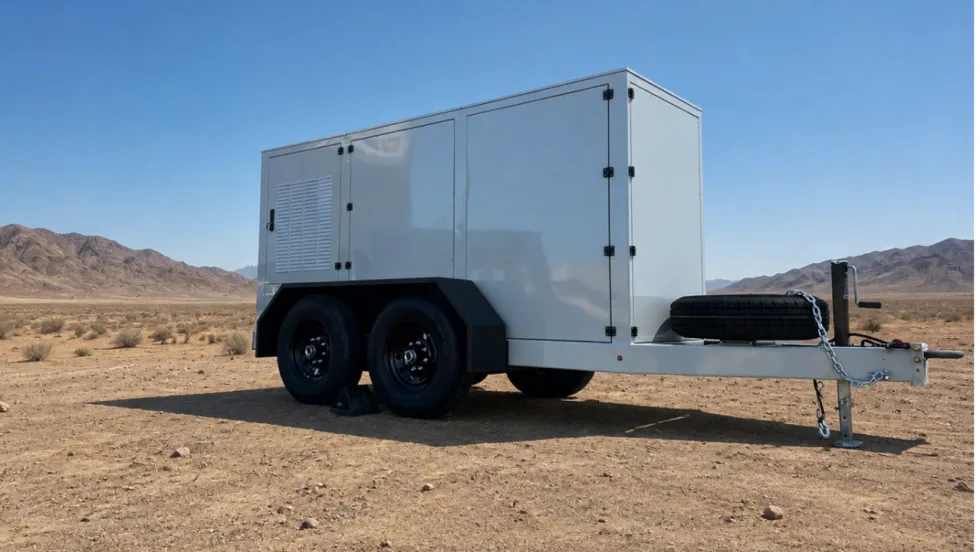
Xos Hub Surpasses One Gigawatt-Hour of Energy Delivered in the Field
A single Xos Hub has surpassed one gigawatt-hour of energy across more than 33,600 charging sessions in the field, demonstrating performance that supports Xos' expansion across new products and markets.
Read More →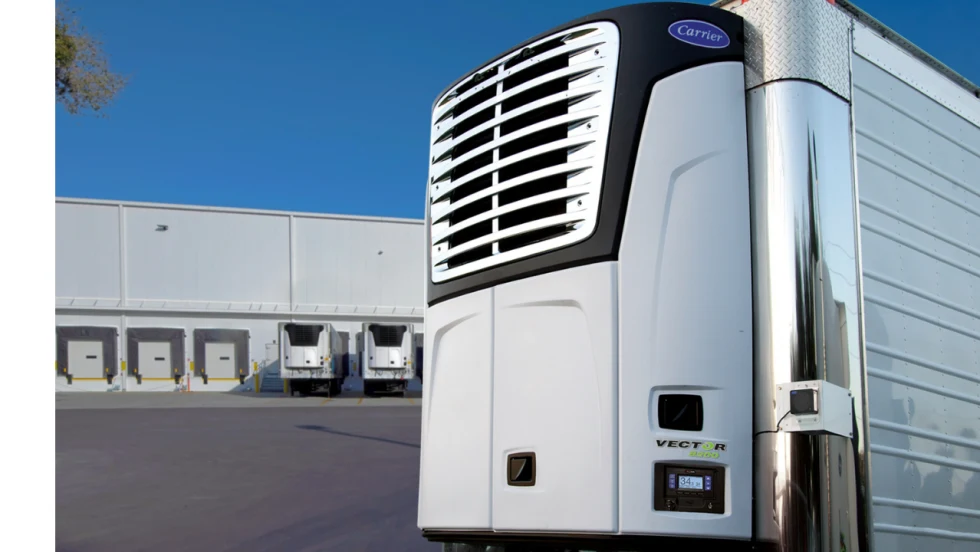
Carrier Transicold Launches All-Electric Vector 8200 TRU for Diesel-Free On-Site Cold Storage
Carrier Transicold’s first engineless multi-temperature TRU helps fresh- and frozen-food fleets add supplemental cold storage capacity during seasonal peaks.
Read More →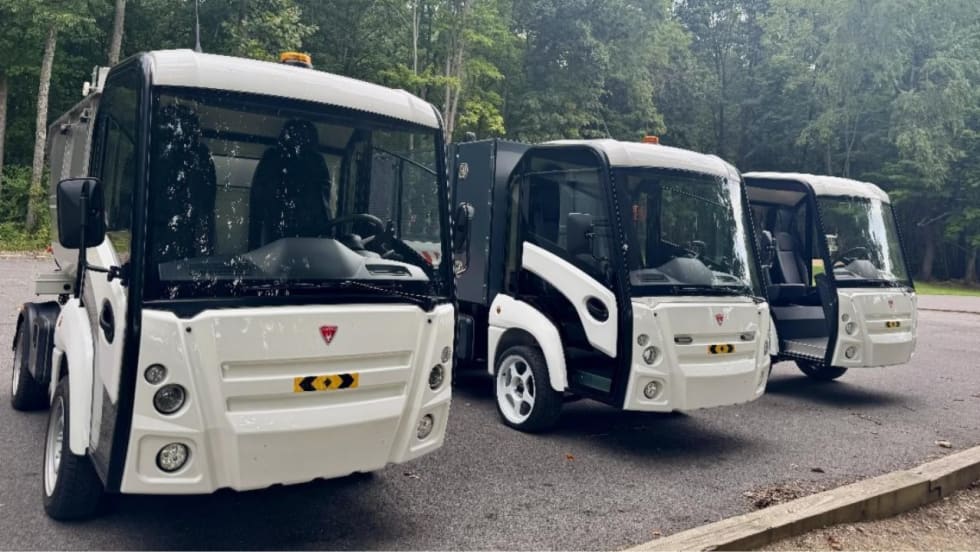
Narro Trucks Introduces Electric Utility Vehicle
Narro Trucks officially launched its operations on Aug. 20 and hosted a ride and drive to showcase its electric truck, which will be produced in Virginia.
Read More →
Samsung SDI Takes Full Control of GM Battery JV as Indiana Plant Pivots to Energy Storage
Samsung SDI is taking full control of its Indiana battery plant with GM, marking a major shift from the EV-focused joint venture Charged Fleet first covered in 2023.
Read More →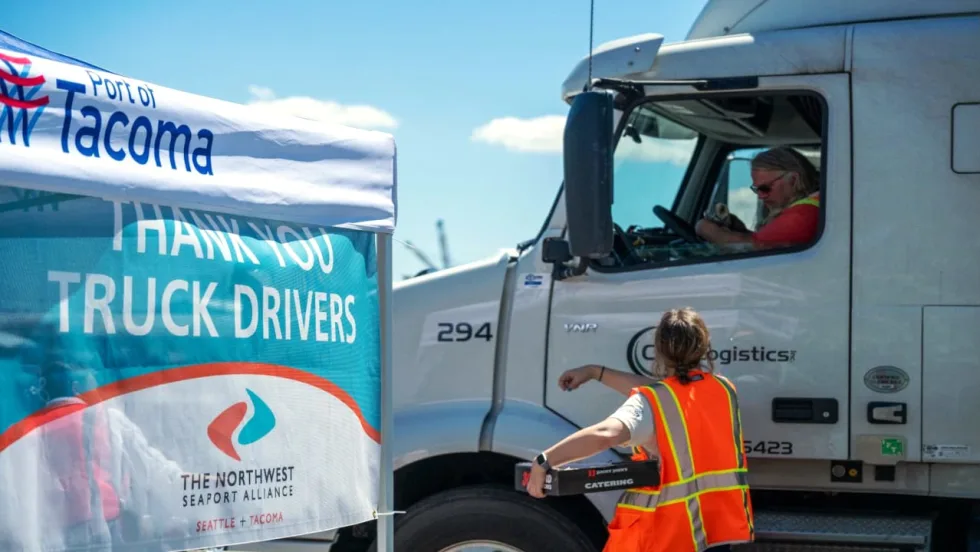
NWSA Taps CALSTART to Administer Zero-Emission Drayage Assistance Program
CALSTART will provide free technical assistance services to drayage fleets serving the Ports of Seattle and Tacoma and looking to transition to cleaner technologies and help decarbonize freight hubs.
Read More →
EV Fleet Reality Check: What Operators Wish They Knew Before Electrifying Their Work Vans
Electric work truck upfits bring new compatibility questions. Learn how parts availability, OEM guidance, power demands, and route planning can affect fleet performance.
Read More →
Peterbilt Expands Sourcewell Partnership with Electric Vehicle Lineup
Peterbilt Motors Company’s cooperative purchasing agreement with Sourcewell and its Canadian partner, Canoe Procurement Group, now includes including Peterbilt's battery-electric vehicle lineup.
Read More →