




Navigating the Executive Fleet Landscape
Fleet Professionals have to not only be able to please executives, but also adhere to the company's bottom line when managing an executive fleet.

There is no one way to describe an executive fleet. There is also no specific guidelines to manage one, since executive vehicles and the executives who drive them have different requirements than the rest of the fleet. What may be a priority for the fleet manager at one company could be considered a minor concern at another. But, when speaking to fleet professionals serving fleets in vastly different industries, there are landmarks that can be navigated to help fleet managers steer away from the rocky shoals of career suicide.
Reviewing Program Options
When biotechnology company Genentech merged with the Roche Group in 2009, the fleet department had to allot for differences in how the two companies ran their businesses. One of the biggest difference was being a lack of any type of executive fleet program. Kristen Collins, Genentech’s associate procurement manager, G&A Procurement – Corporate Vehicles, provides her team of C-level executives with a car allowance, which, at times, does not offer the same amount of visibility as providing a fleet vehicle.
“A fleet vehicle program makes it a lot easier for reporting purpose and for overall transparency of the program, and it would give us more control overall,” Collins said, who explained the company does a considerable amount sustainability reporting and could use the data from the executive vehicles to aid in supporting its initiatives.
“It could also help us rein in the company image. We have to be conscious of what our executives are driving considering the industry we are in,” Collins explained.
Genentech current provides a car allowance for approximately 1,500 executives, but the program may change. Collins and her team are currently putting together a fleet vehicle proposal for the company’s commercial leadership committee.
“We’re trying to drive our employees to the company car program, because, when executives are in the program, it shows
everyone is doing our due diligence,” Collins added.
Allowing for Other Options
The type of executive vehicle program is not the only option fleet managers need to be aware of when providing executives with a vehicle or some form of allowance amount. As the manager of fleet and employee services for General Mills, the 125 vehicles that Shawn Dusosky oversees can differ substantially from the types of options offered to non-executive employee drivers. This includes even the types of vehicles executives have access to.
“We see every kind of vehicle in our executive fleet, from minivans to Porsche sports cars. The variety is very unique,” Dusosky said.
With such a wide range of vehicle selections, Dusosky’s department puts a cap on how much the company will allow an executive to spend on a company vehicle. Executives are given an allowance number and if they want to purchase something over that amount, they pay the difference.
“They buy an equity stake in the vehicle. So, if they’re given a $50,000 limit and the vehicle is $100,000, they would cut a check to our FMC for the remainder. The company is really leasing the original $50,000,” Dusosky explained. “When we sell the vehicle, we would then credit the executive back the percentage of the amount they put into that vehicle.”
Executives are also treated to a “white glove” type service, since all but two of General Mills’ executives in the U.S. are located at its headquarters. To provide executive-level service, Dusosky employs two full-time employees who fuel and wash the executive fleet on-site and perform all the maintenance.
Handling Non-Vehicle Challenges
Sometimes, the challenges involved with running an executive fleet have nothing to do with the vehicle itself. There are times when geography can create its own type of challenges. For Nancy Greb, fleet specialist for chemical company BASF Corporation, challenges can be as simple as having the executive understand how fleet operates in the U.S.
“The U.S. is different than the rest of the world,” Greb said, adding that other challenges could include trying to communicate with a busy and exacting executive when attempting to obtain a vehicle that meets the executive’s criteria. “Or, sometimes it’s having an overreaching executive that wants a vehicle that is out of their set allowance.”
Overall, Greb sees the biggest difference between executive and general fleets in the urgency to meet the needs of executives while having the responsibility of representing the fleet department to this group.
“You never want to drop the ball with an executive,” Greb said.
In some cases, FMCs can take some weight off a fleet manager’s shoulders by offering concierge programs to help schedule preventive maintenance services or answer simple questions.
“A concierge program is excellent and takes a lot of the day-to-day pressure off my desk,” Greb added.
Looking into the Future
Although fleet numbers have fluctuated over the years, executive fleet vehicles are still a valuable added benefit that many companies use during the hiring process to attract sought after executives to their ranks. For some companies, the option is something that is constantly being examined. Some fleet managers see the that there is a possibility that executive fleets could be cut, but they are preparing to defend them. Over the past few years, General Mills’ board of directors have reached out to Dusosky to find out if they should consider whether it might be worth ending the company’s executive fleet service.
“It’s one of the unforeseen challenges I’ve had to deal with,” Dusosky explained. “I think it’s a perception issue because it’s a line item on our annual report, and, for shareholders, it’s perceived as an expensive or unneeded benefit. But, in reality, when asked what the Board would do if they took it away, their answer was that they would give the executive drivers some sort of salary bump to help offset that, which, as you do the analysis over time, would end up costing the company more money.”
The challenge, according to Dusosky, is providing the true cost of the program, which can be perceived as higher than it actually is, since the vehicles generally offer a higher resale value.
“Once you start factoring in resale data, with these vehicles holding 60-percent residuals over a four-year period, it really does bring their total operating cost down quite a bit,” Dusosky explained. “You’re putting out a lot more miles on the cars with a general fleet and therefore turning them a lot quicker, which brings down that resale credit and raises the TCO. It’s not really an apples-to-apples comparison, but, since the majority of the executive vehicles are driven so few miles, it really does exaggerate that resale credit that you get at the end.”
For others, like BASF’s Greb, the future is going to be robust, since the company continues to have a need that the executive fleet program fills.
“We have executives moving about the planet and some on a rotation — changing positions every three or so years — so we have a lot of movement within the segment,” Greb said.
Originally posted on Automotive Fleet
More Vehicle Research
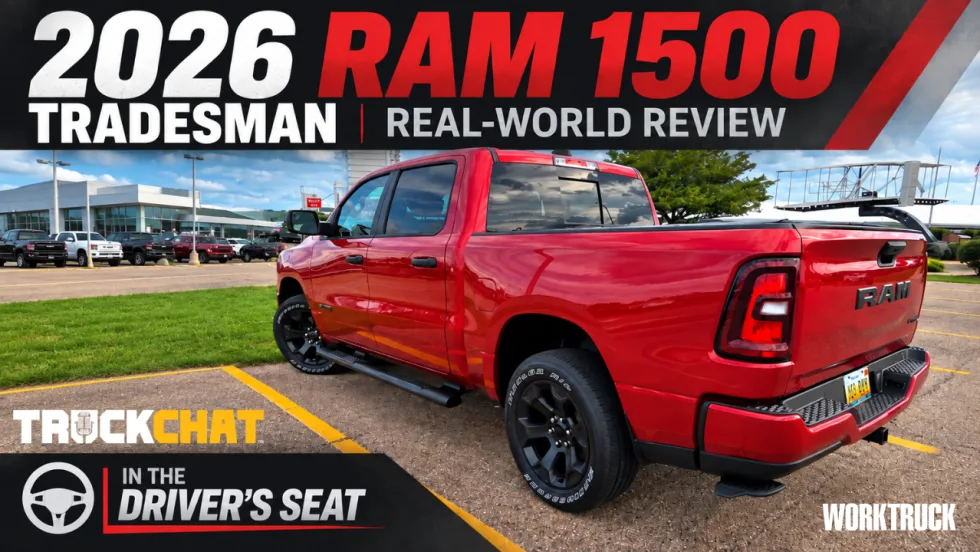
2026 Ram 1500 Tradesman Put to a Real-World Fleet Test
A few days behind the wheel of a 2026 Ram 1500 Tradesman turned into a test of visibility, parking, work-ready features, and even severe-weather driving.
Read More →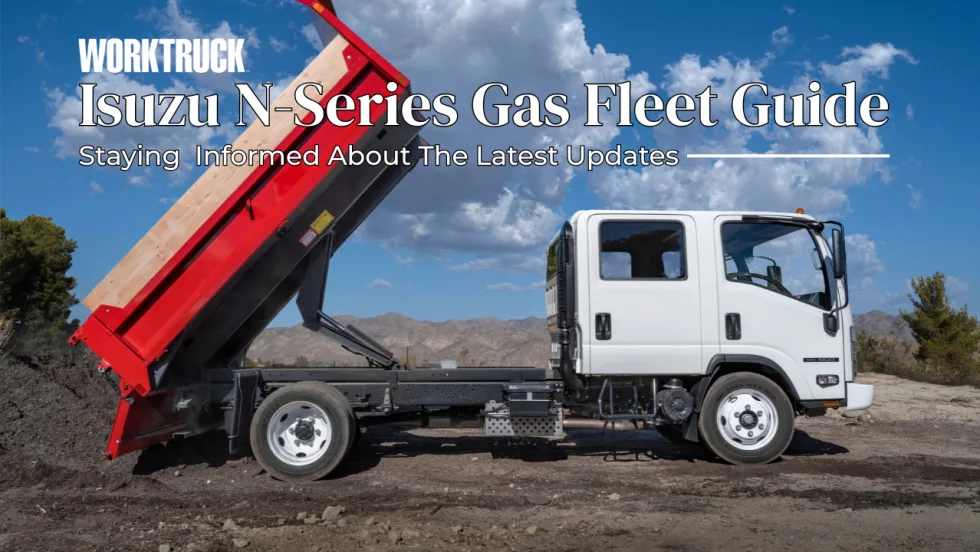
Isuzu N-Series Gas Fleet Guide: Specs, Capability and 2027 Model-Year Updates
Explore Isuzu Truck North America’s N-Series Gas fleet specs, engine performance, GVWR and payload capability, configurations, chassis dimensions, work-focused features, and 2027 model-year information.
Read More →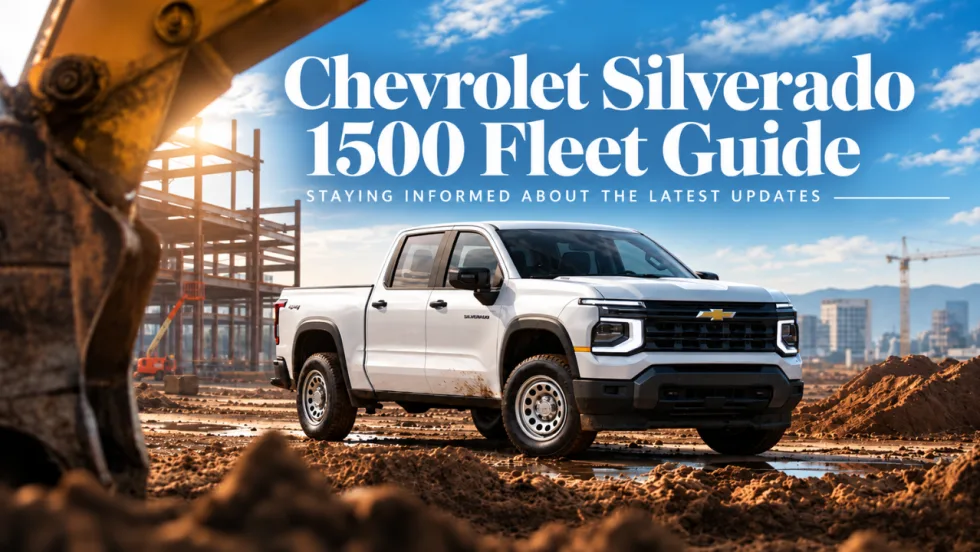
Chevrolet Silverado 1500 Fleet Guide Specs Capability and 2027 Model-Year Updates
The next-generation 2027 Chevrolet Silverado 1500 brings new V-8 engines, updated technology, expanded safety features, and a fleet-focused Work Truck. Here’s what commercial fleets need to know so far.
Read More →
Ram ProMaster City Fleet Guide Specs Cargo Capacity and 2027 Updates
Work Truck’s Ram ProMaster City Fleet Guide tracks the latest specifications, cargo capability, configurations, fleet technology, pricing, and model-year updates for Ram’s mid-size commercial van.
Read More →
Ford F-150 Fleet Guide Specs Capability and 2026 Model-Year Updates
Explore 2026 Ford F-150 fleet specs, engines, towing and payload capability, configurations, work features, technology, and model-year updates.
Read More →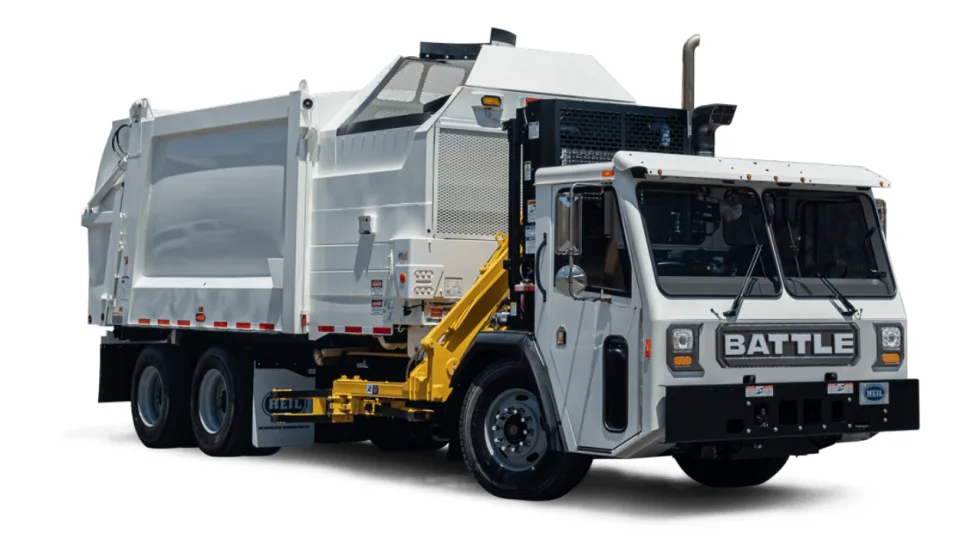
TCI Now Sells & Supports Battle Motors’ Vocational Trucks
Midwest truck dealer Truck Centers, Inc. (TCI) has expanded its transportation solutions with sales and service support for Battle Motors’ heavy-duty vocational trucks at locations in locations in Indiana, Illinois, and Missouri
Read More →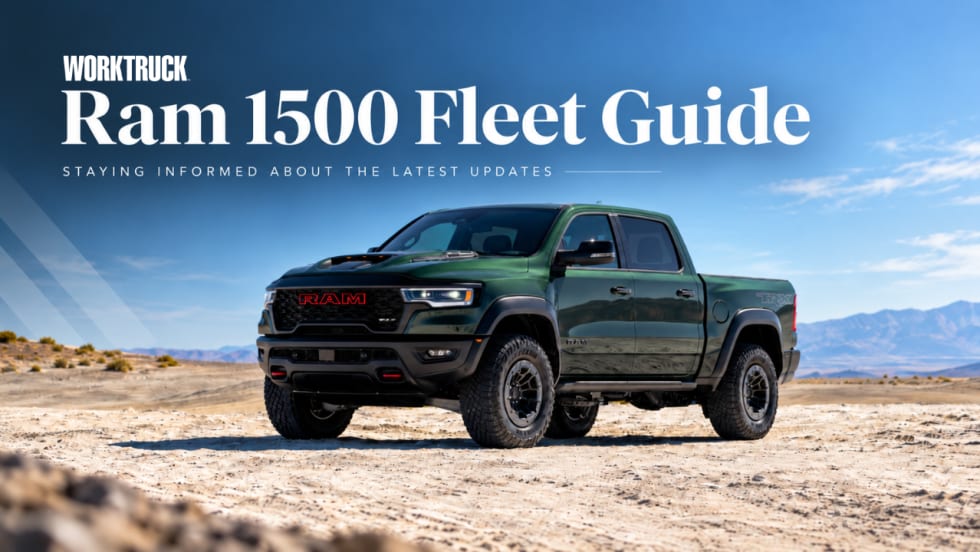
Ram 1500 Fleet Guide Specs, Capability and 2027 Model-Year Updates
Explore always up-to-date Ram 1500 fleet specs, engines, towing and payload capability, configurations, technology, pricing updates, and model-year changes.
Read More →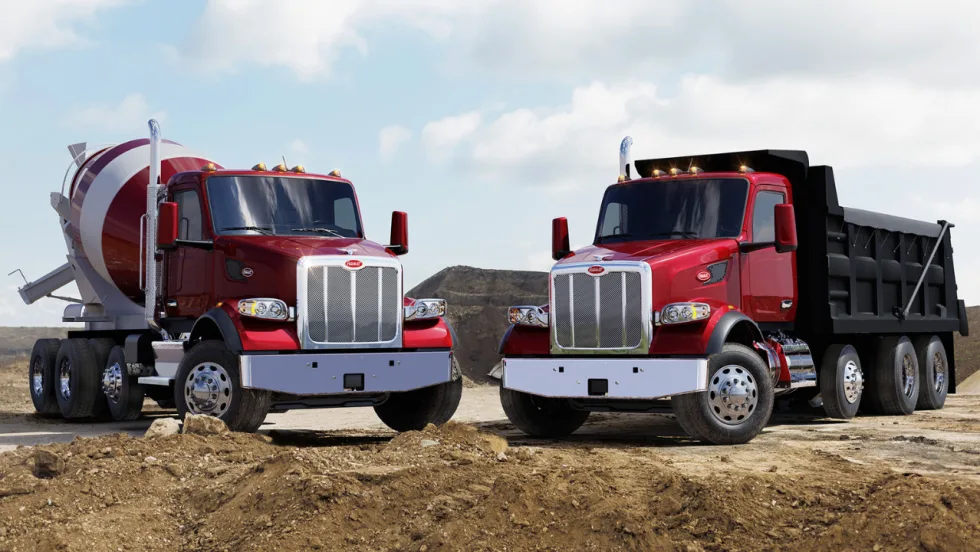
Peterbilt Trucks Equipped with Paccar TX-18 Pro Boost Efficiency for Maryland Fleet
Patuxent Companies is replacing aging trucks with the Peterbilt Model 567 and Model 589, specified with the Paccar TX-18 Pro 18-speed automated transmissions, and is reporting an 8% to 10% improvement in fuel economy.
Read More →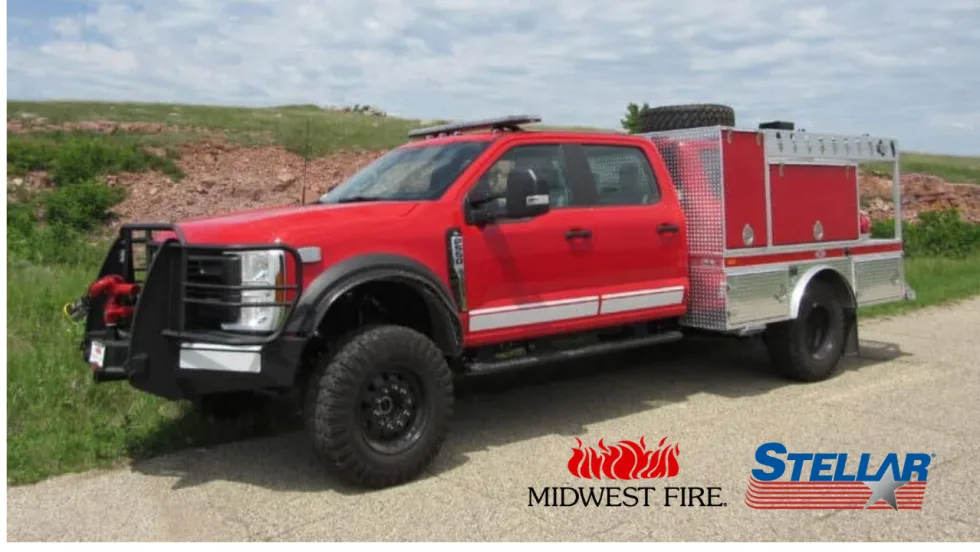
Stellar Expands into Fire Apparatus Market with Acquisition of Midwest Fire
Stellar Industries has acquired Midwest Fire, a custom fire apparatus manufacturer headquartered in Luverne, Minnesota, with nearly four decades of specialized apparatus experience.
Read More →
Recalls You Need to Know About in August 2026
If you have Altec, Chrysler, Ford, Heil, General Motors, International, Mack Trucks, Paccar, Rivian, Royal Truck, Toyota, US Truck Body, or Volvo Trucks vehicles in your fleet, you should check these important recalls issued by the National Highway Safety Administration.
Read More →