




Mixed 2008 OTD Performance: Some Models Up, Some Down
This was an interesting order-to-delivery year. A protracted UAW strike and flooding in the Midwest delayed some models, while others posted improved OTD due to reduced retail sales, which expedited fleet production.

Order-to-delivery (OTD) times for fleet vehicles ordered during the 2008 model-year increased for some models, while others saw improvements of one to two weeks.
Many models experienced increased OTD due to the United Auto Workers (UAW) strike against American Axle, a Tier I supplier.
"Although there were a number of factors that resulted in delivery delays, the most notable was the UAW strike against American Axle, a key supplier for General Motors," said Jan Freund, director of manufacturer relations for Wheels Inc. "The three-month-long strike forced 30 General Motors parts and assembly plants to cease production either partially or completely. The affected assembly plants were primarily those that build full-size pickups, SUVs, and vans. However, as the strike continued, GM was forced to cease production at some of its car assembly plants, including the plant that builds the Impala sedan."
Another factor that impacted 2008-MY OTD was the substantial floods that occurred last summer in the Midwest. "The summer flood waters in the Midwest had a direct impact on the rail lines, which slowed deliveries," said Tim Martin, vice president, operations for LeasePlan USA. "As a result, all of the major manufacturers were proactive in immediately addressing and redirecting vehicles utilizing alternative rail lines. The manufacturers continually communicated their position relating to these issues, which allowed fleet management companies to effectively relay updates to our client base."
However, the decrease in retail sales volume has resulted in faster production of fleet vehicles and greater availability of truck and rail transport, which helped expedite some fleet deliveries.
These were among some of the revelations from Automotive Fleet’s ninth annual OTD survey. Six fleet management companies provided data for this year’s study:
Automotive Resources International (ARI).
Donlen.
GE Capital Solutions Fleet Services.
LeasePlan USA.
PHH Arval.
Wheels Inc.
The study tracked new-vehicle deliveries for 216,306 models during the 2008 model-year, representing 91 models. The models selected were those with more than 1,000 units registered to commercial fleets in the 2008 model-year; however, there were exceptions to this criterion.
OTD time for cars was calculated from the day an order was placed with a factory to vehicle delivery to a dealer (not driver pickup). Truck OTD was calculated from order placement to delivery to an upfitter or, if no upfitting was required, to a dealer. The days spent at an upfitter were not included in truck OTD times. An industry average was calculated for each model tracked based on the information provided by participating fleet management companies.
[PAGEBREAK]
The participating fleet management companies reported mixed results in 2008 OTD for fleet units.
"It was an interesting year from an OTD perspective, in that there were increases of one to two weeks on certain popular fleet vehicles, and an improvement of one to two weeks on others," said Linda Tiberi, manager of motor company relations for PHH Arval.
Tim Delaney, manager, new vehicle delivery – license & title for Automotive Resources International (ARI), reported similar results.
"Average order-to-delivery decreased from 65 days to 62 days — a 4.6 percent decrease," said Delaney. "Unfortunately, some of the plant closings dramatically affected costs when ship-through and ship-to conditions arose. Delays in final production tended to cause issues when budgets depended on timely deliveries. The end of the year seems to be stabilizing and fleet orders have taken priority with most manufacturers," said Delaney of ARI.
Martin of LeasePlan USA likewise reported mixed results.
"Overall, we saw a slight improvement in order-to-delivery times for MY 2008, with a few exceptions. These exceptions were caused by the General Motors/American Axle strike and the delay associated with hybrid model vehicles due to low supply and high demand," said Martin.
Since most fleet orders are concentrated among a handful of models, some of these high-volume units experienced improved OTD, which helped increase the overall average, depending on the mix of models comprising a lessor’s portfolio.
"Across our entire portfolio, order-to-delivery times for production, shipping, and dealer delivery decreased by 12 days. Largely responsible for this decrease was noticeable improvement in several high-volume models. We experienced great improvement in order-to-delivery times in the Fusion, Taurus, Ranger, Silverado, HHR, and Dakota models," said Dave Pellinger, manager of manufacturer and dealer relations, GE Capital Solutions Fleet Services.
Several fleet management companies reported increases in OTD times. "Overall, the average OTD for car and truck models increased for MY-08," said Freund of Wheels.
Rick Shick, vice president of purchasing for Donlen Corporation, also reported an average increase in OTD. "In general, order-to-delivery times increased for the 2008 model-year," said Shick.
The 2008 model-year witnessed a wide variety of factors that impacted the timely delivery of new fleet vehicles.
"The Detroit manufacturers struggled with other UAW strikes, vehicle quality holds, scheduled plant downtimes, supplier bankruptcies, and haul-away carriers going out of business, all of which contributed to delivery delays," said Freund of Wheels.
Shick likewise cited a number of factors that impacted OTD for 2008 models. "The impact of fuel costs, the shift to more fuel-efficient vehicles, the soft retail market as a result of the economic downturn, the GM supplier strike, combined with associated plant closings and downtime, all influenced OTD performance during the 2008 model-year. The flooding in the Midwest not only affected vehicles delivered in the Midwest, but also impacted transportation that passed through the region," said Shick.
ARI’s Delaney agreed. "Any of the routes through Missouri and Kansas had significant delays. The Chicago rail hub backed up, which caused the logjam of shipping from these areas. There were also delays caused by hail damage and inspection delays," said Delaney.
In addition, the nature of the commercial fleet business is that deliveries are concentrated in a small number of high-volume fleet vehicles. "GM’s trucks, vans, and Impalas are high volume commercial fleet models, so when delivery delays extended upwards of four months, it impacted the average OTD," added Freund.
Tiberi of PHH agreed. "Certainly the GM strike was a major factor that caused an increase in OTD performance, as well as the storms and flooding in the Midwest," said Tiberi.
What tempered these calamities and helped reduce OTD for some models was the dramatic decrease in new-vehicle retail sales.
"The reduction in retail demand from the 17 million units per-year rate and a relative lack of true new-model introductions reduced overall order-to-delivery times," said Pellinger of GE Fleet Services. "We believe the reduced retail demand enabled orders to be moved further ahead in the production schedule relative to time of order. We also experienced fewer quality holds as the result of a smaller number of new-model introductions."
Delivery delays were also the result of component constraints. "A single option can cause a delay, such as an engine or type of tire. In the case of the Dodge Charger, it was the AWD model that experienced longer than normal production timing," said Freund.
Another reason for delivery delays to fleets was caused by strong retail demand that competed for the availability of certain models. "Hybrid vehicles, in general, had longer OTD times due to low supply and high demand," said Martin of LeasePlan USA. Delaney of ARI cited the Ford Escape Hybrid as an example. "The Ford Escape Hybrid recorded a 50-percent increase in OTD." Other times, an unanticipated increase in fleet demand resulted in delivery delays. "Volvo experienced extended production lead times when fleet demand for the S60 and S80 exceeded expectations," said Freund.
[PAGEBREAK]
All participating fleet management companies reported a decrease in the number of quality holds for 2008 new-model deliveries.
"New-model quality holds did not significantly impact 2008 model-year OTD. However, there were some delays on new-model introductions. The continuing OEM focus on quality is positive. As expected, quality delays will continue as new models are introduced. Most customers will tolerate reasonable delays, providing they receive quality," said Shick.
Martin of LeasePlan USA also reported delays due to quality holds were minimal. "We did not experience an influx of new-model quality holds for the 2008 model-year. The manufacturers made a concerted effort to control this area, which allowed LeasePlan to have a smooth ordering season."
Tiberi of PHH concurred. "Quality holds were not a major factor that impacted OTD for the 2008 model-year."
"One reason for the decrease in quality holds was the limited number of new-model introductions in MY-2008," said Pellinger of GE Fleet Services.
However, the model-year was not entirely free of quality holds. "A quality hold was placed on several thousand Taurus orders at the same time the plant started production of the all-new Lincoln MKS. This, coupled with a servicing carrier who went out of business, resulted in delivery delays and increased OTD timing," said Freund.
A perennial issue affecting fleet OTD has been the shortage of rail cars to transport vehicles from the factory to marshalling yards.
"With the decline in vehicle retail demand and general goods and services, railcars and engines are available. Even special rail cars and haul-aways used for full-size trucks and vans appear to be more accessible," said Freund of Wheels.
Although there were sufficient rail cars this model-year, sometimes the tracks to move the rail cars were not available. "During the months of June and July, the severe flooding in the Midwest caused delivery delays due to the fact that, even if rail cars were available, the rail lines were underwater and therefore not usable," said Martin.
Despite the weather-related delays, rail car transport has improved. "Aside from some weather disturbances that impacted rail transportation, rail car shortages were not an issue this year," said Tiberi of PHH.
Shick foresees improved rail car availability continuing into the future. "Rail cars were available in sufficient supply to transport new models to market. This is expected to continue until the current economic environment and new-vehicle sales improve. However, transportation via carrier may become more challenging as a result of fuel costs and competition."
The slowdown in retail sales, especially if it continues for a protracted period, could potentially impact OTD for 2009 fleet deliveries.
"As a result of declining consumer sales, manufacturers are shutting down production at certain plants for extended periods of time. Advance notification of those shutdowns is critical to a fleet’s order timing to avoid being caught by unexpected delays," said Freund.
This is particularly the case for truck orders being upfitted. "When a truck plant is shut down, vehicles can get stuck at the body upfitter. For various reasons, some manufacturers are unable to get the trucks picked up from upfitters and put back into their transportation system. These vehicles are critical work tools. The manufacturers need to be ready with a contingency plan to get those vehicles picked up, shipped, and delivered," added Freund.
A recurrent suggestion from fleet management companies is the need for increased communication between them and the manufacturers.
"There needs to be a more proactive response by manufacturers and upfitters to identify exceptions and communicate effectively to fleet management companies and clients," said Delaney of ARI.
Pellinger of GE Fleet Services seconds this opinion. "We would like to see better communication of constraints, especially those determined after orders are placed, more adherence to a first-in, first-out scheduling when production is stopped, and improved status of vehicles arriving at dealerships through systems data interchange. Some manufacturers still do not report dealership arrival dates through automated feeds," said Pellinger.
Tiberi cites the need for greater access to OEM transportation systems. "In addition to maintaining an emphasis on current initiatives, a continuing effort must be made to allow fleet management companies access to transportation systems. There is a definite need for manufacturers to obtain actual delivery-to-dealer information on a timely basis and share that with us," said Tiberi.
Martin of LeasePlan USA agrees. "Manufacturers, transportation companies, and upfit suppliers continue to do a good job of identifying opportunities for improving order-to-delivery times. Although, a continued focus needs to be placed on the transportation segment that would improve all fleet management companies’ order-to-delivery times now and in the future," said Martin.
With the decline in retail truck sales, one area of concern is the impact of plant closures on new-truck deliveries.
"The challenge for the 2009 model-year will be predicting and adjusting lead-times, particularly on trucks, for all the announced and yet-to-be-announced plant downtime resulting from the economic situation and the slow retail market," said Shick. "Additionally, valid concerns exist relative to trucks being upfitted via ship-thru. When the plants are closed, how do these vehicles get back into the manufacturer’s transportation system? The manufacturers will need to have contingency plans in place to address these concerns. Planning on the fleet manager’s part will be even more critical than in the past. The fleet management companies will need to work closely with fleet customers, OEMs, and upfitters to coordinate orders working backward from the customers’ desired delivery date." Martin also expressed concern about potential delays with 2009-model truck orders.
"We anticipate our clients with service-type fleets that utilize trucks may experience delays in order-to-delivery times. We are anticipating manufacturer plants to transition production of certain models due to a market focus on smaller fleet vehicles and hybrids," said Martin.
Delaney agreed. "We anticipate plant slowdowns and closures will obviously have a negative effect on OTD."
Tiberi advocates early planning to help avoid potential issues with 2009 truck orders. "Potential impacts could include fleet allocation issues, transportation challenges, and overall longer lead times. Earlier planning and ordering will be a definite must to receive vehicles when needed," said Tiberi.
However, the outlook is for OTD to increase for trucks and SUVs in 2009. "I think overall lead times, particularly on trucks and larger SUVs, will suffer. Delayed production startups, idled plants, shift reductions, plant production shifts, and unexpected plant downtime will be prevalent throughout the 2009 model-year. It is critical manufacturers openly communicate these changes in as timely a manner as possible so we can all work together with a primary focus on doing everything possible to meet customers’ needs," said Shick.
In addition, the shift to smaller and more fuel-efficient vehicles could also impact lead-time if orders exceed production capacity.
"Many manufacturers are addressing this, but may not be able to make the necessary adjustments fast enough in every case," said Shick.
"Customers will continue to look for alternatives to improve fuel efficiency and meet their companies’ green initiatives. The manufacturers need to be positioned to support those needs and secure the necessary vehicle allocation for four-cylinder and hybrid fleet orders," said Freund of Wheels.
However, reduced retail sales for the 2009 model-year poses several unknown variables as to the impact on fleet deliveries.
"We are still trying to assess what the reduction in manufacturing capacity as a result of the reduced demand in the overall market will mean for fleet order-to-delivery times. In some scenarios, capacity reduction will help improve order-to-delivery times, while other scenarios predict it will hurt. We are still analyzing what will be in store for model-year 2009," said Pellinger of GE Fleet Services.
Originally posted on Automotive Fleet
More Vehicle Research
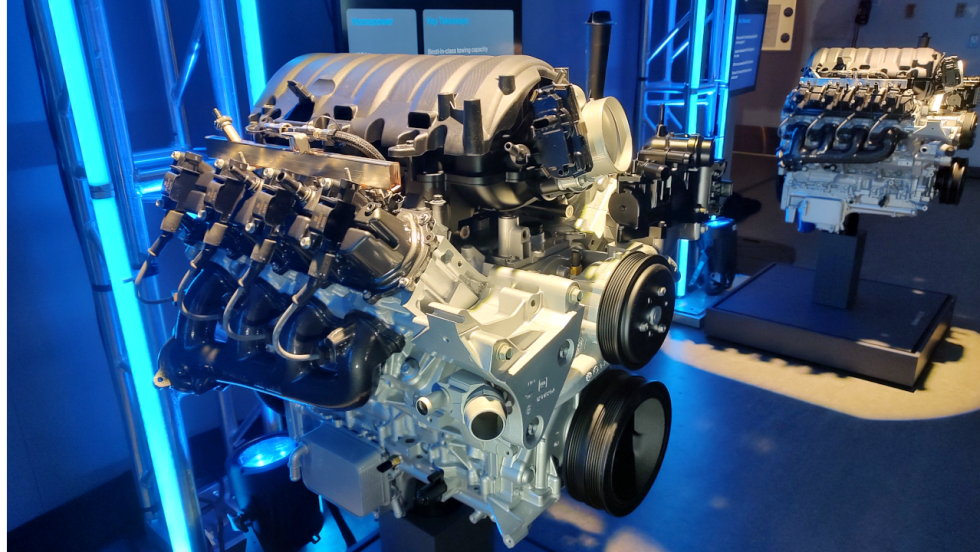
GM Unveils New Sixth-Generation Small Block Engines for 2027 Light-Duty Pickups
General Motors unveiled two new small-block engines, backed by extensive real-world validation and more than 70 years of small-block V8 manufacturing experience, as part of the engine portfolio for the 2027 Chevrolet Silverado 1500 and GMC Sierra 1500.
Read More →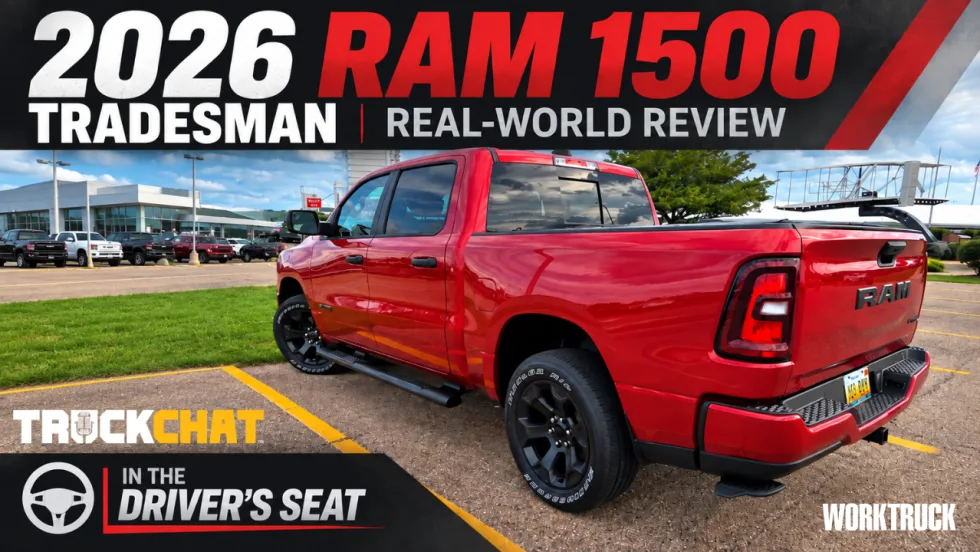
2026 Ram 1500 Tradesman Put to a Real-World Fleet Test
A few days behind the wheel of a 2026 Ram 1500 Tradesman turned into a test of visibility, parking, work-ready features, and even severe-weather driving.
Read More →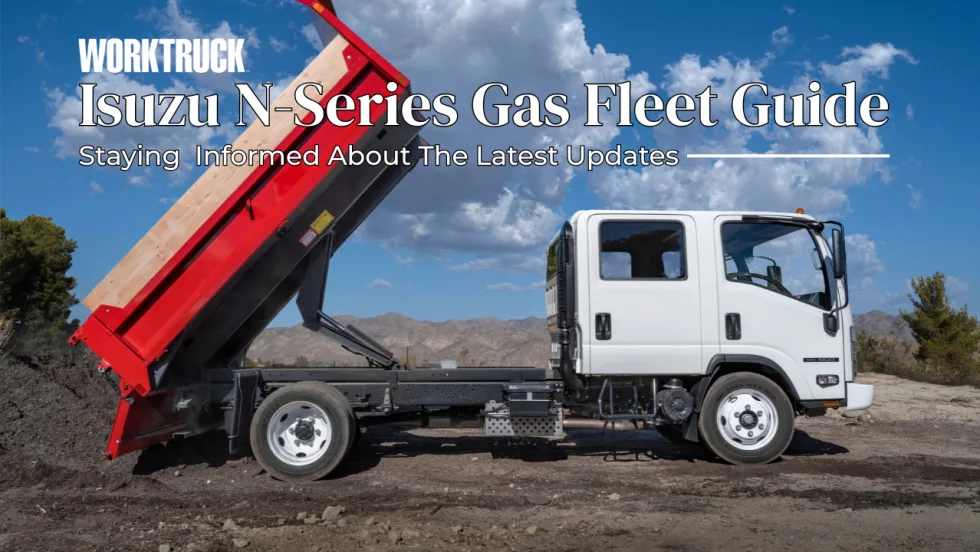
Isuzu N-Series Gas Fleet Guide: Specs, Capability and 2027 Model-Year Updates
Explore Isuzu Truck North America’s N-Series Gas fleet specs, engine performance, GVWR and payload capability, configurations, chassis dimensions, work-focused features, and 2027 model-year information.
Read More →
Chevrolet Silverado 1500 Fleet Guide Specs Capability and 2027 Model-Year Updates
The next-generation 2027 Chevrolet Silverado 1500 brings new V-8 engines, updated technology, expanded safety features, and a fleet-focused Work Truck. Here’s what commercial fleets need to know so far.
Read More →
Ram ProMaster City Fleet Guide Specs Cargo Capacity and 2027 Updates
Work Truck’s Ram ProMaster City Fleet Guide tracks the latest specifications, cargo capability, configurations, fleet technology, pricing, and model-year updates for Ram’s mid-size commercial van.
Read More →
Ford F-150 Fleet Guide Specs Capability and 2026 Model-Year Updates
Explore 2026 Ford F-150 fleet specs, engines, towing and payload capability, configurations, work features, technology, and model-year updates.
Read More →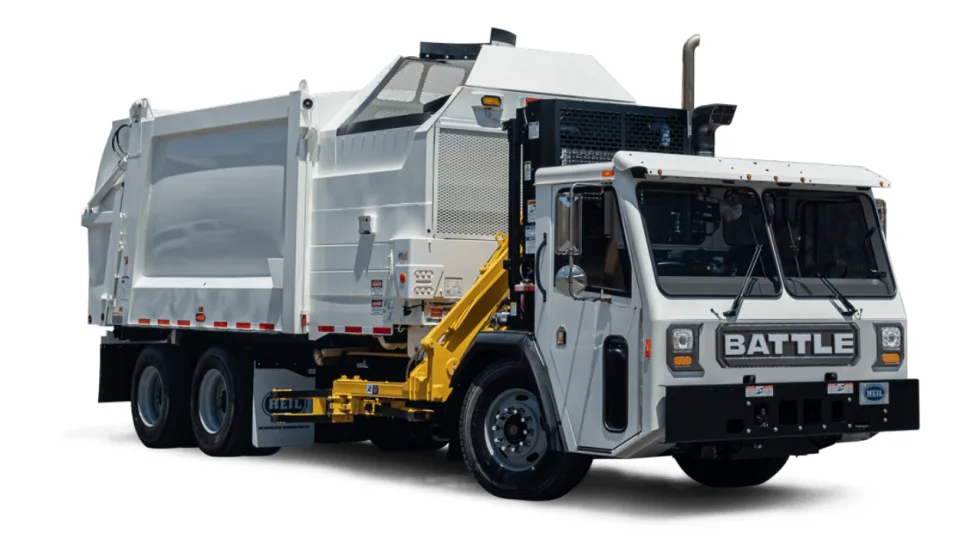
TCI Now Sells & Supports Battle Motors’ Vocational Trucks
Midwest truck dealer Truck Centers, Inc. (TCI) has expanded its transportation solutions with sales and service support for Battle Motors’ heavy-duty vocational trucks at locations in locations in Indiana, Illinois, and Missouri
Read More →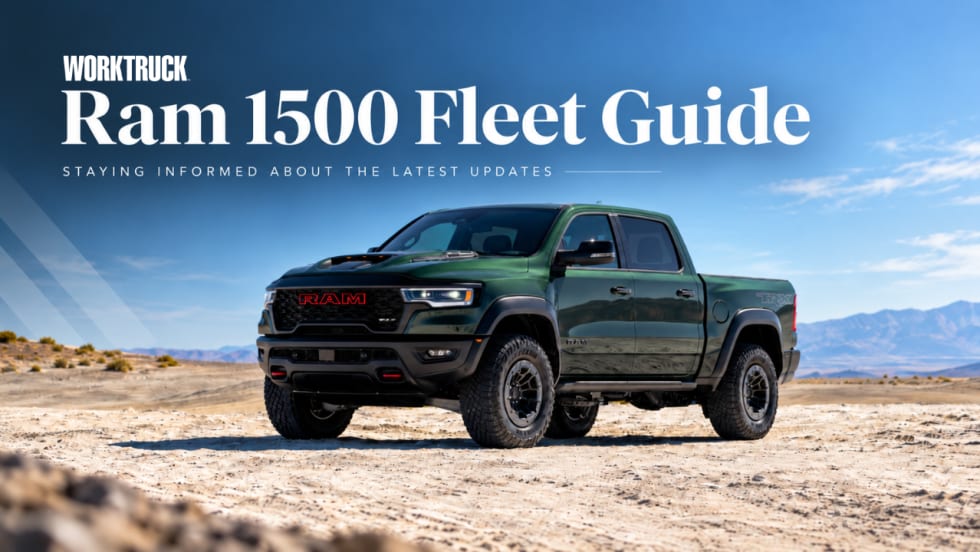
Ram 1500 Fleet Guide Specs, Capability and 2027 Model-Year Updates
Explore always up-to-date Ram 1500 fleet specs, engines, towing and payload capability, configurations, technology, pricing updates, and model-year changes.
Read More →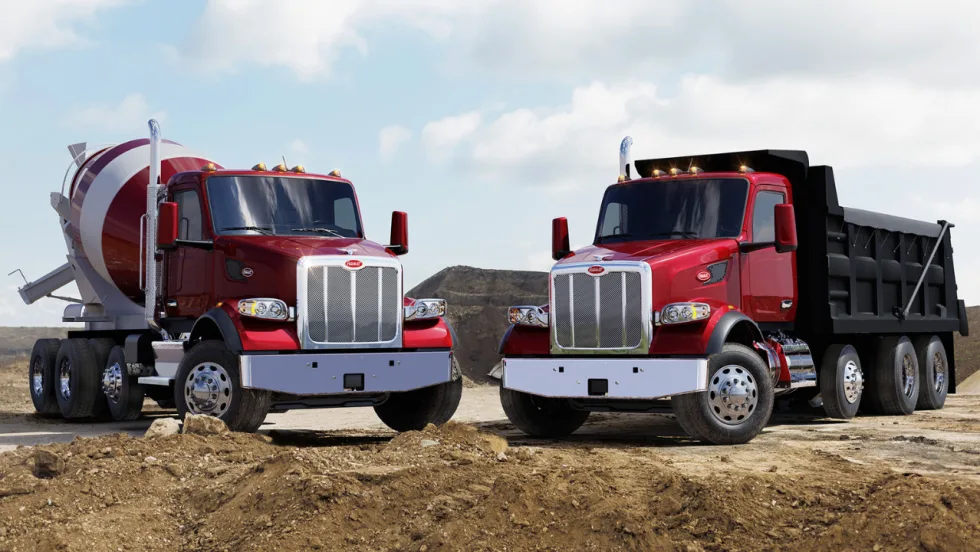
Peterbilt Trucks Equipped with Paccar TX-18 Pro Boost Efficiency for Maryland Fleet
Patuxent Companies is replacing aging trucks with the Peterbilt Model 567 and Model 589, specified with the Paccar TX-18 Pro 18-speed automated transmissions, and is reporting an 8% to 10% improvement in fuel economy.
Read More →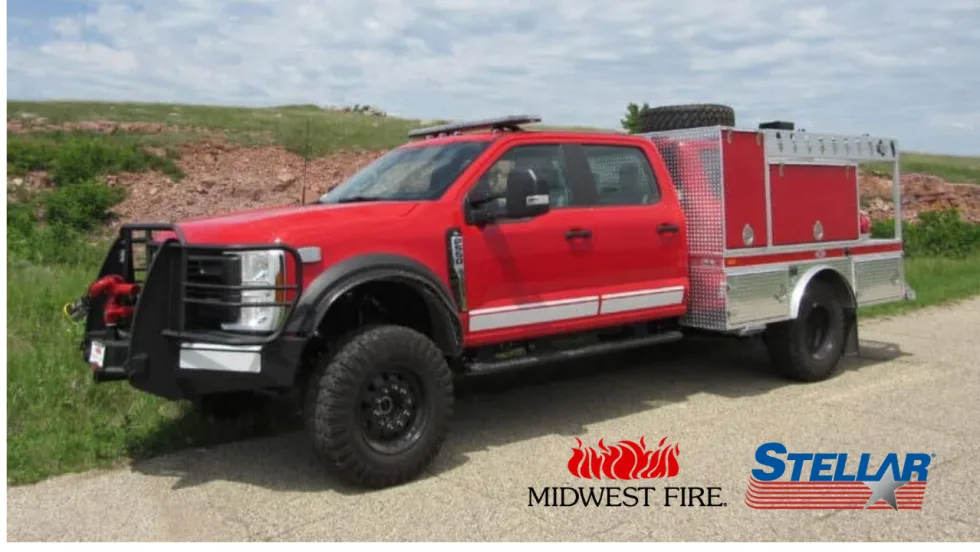
Stellar Expands into Fire Apparatus Market with Acquisition of Midwest Fire
Stellar Industries has acquired Midwest Fire, a custom fire apparatus manufacturer headquartered in Luverne, Minnesota, with nearly four decades of specialized apparatus experience.
Read More →