




Medium-Duty Truck Operating Costs Flat in 2004 Calendar year
Continued use of recapped tires and lengthened PM intervals have kept medium-duty truck operating costs relatively flat for utility/railroad, delivery, and service fleets in 2004.

Photo: Bobit
Despite skyrocketing fuel prices, medium-duty truck operating costs for utility/railroad, delivery, and service company fleets were relatively flat in the 2004 calendar-year, according to an annual operating costs survey conducted by Automotive Fleet and survey partner GE Commercial Finance Fleet Services, a fleet management company based in Eden Prairie, Minn.
Key reasons for this stability include the continued use of recapped tires and lengthened preventive maintenance (PM) intervals.
The average vehicle lifecycle for utility/railroad is 95 months/101,000 miles; delivery fleets is 90 months/186,000 miles; and service fleets is 109 months/101,000 miles.
The study tracked operating cost data for 35,000 medium-duty trucks from January through December 2004. Costs were broken out in 40,000-mile intervals up to 240,000-plus miles and analyzed by industry segment. Operating cost data in the accompanying charts does not include expenses associated with upfitted auxiliary or hydraulic equipment.
“The data is restricted to cab and chassis expenses involving preventive maintenance, tires, vehicle repairs, and fuel,” said Mark Lueck, customer data analyst for GE Commercial Finance Fleet Services, who developed the program to track the expenses for this survey. Expenses were tracked by mileage instead of engine hours.
Recapping Trend Continues
“Fleet managers are paying closer attention to tire prices and reviewing whether to stay in the same midline price or step down from a price standpoint as they get closer to tire replacement,” said Dan Kratz, truck operations manager, GE Commercial Finance Fleet Services.
In addition, more fleets are using recapped tires, which provide favorable mileage and wear.
Over the past 12-18 months, tire manufacturers have become more active in providing information to customers regarding the reasons truck tires fail, for instance, insufficient tread life. Technical reports generated by manufacturers have helped fleets manage tire expenses.
Fleets Lengthen PM Intervals
“As mileage increased, costs decreased in some areas due, in part, to fleets deferring larger expenses and taking the vehicle off the road. The current trend is to simplify and extend PM expenses,” said Dave Mellon, lead customer solutions advisor, GE Commercial Finance Fleet Services.
“Fleet managers are closely managing repairs to ensure they are necessary and properly budgeted. Fleet managers are leveraging tools such as our Maintenance Alerts feature to select from a menu of repair options for a vehicle in the shop. For example, if the repairs total $2,000, they may only select the repairs to keep the vehicle safe and defer the rest of the maintenance. This is particularly important for those vehicles that are scheduled to be replaced,” said Kratz.
“We are seeing more fleets evaluating the use of vendors that offer set pricing nationally for PMs, even though this could increase downtime by limiting the locations available for service,” said Tim Derochie, maintenance product manager, GE Commercial Finance Fleet Services.
“Another trend for fleets with vehicles approaching the 10,001 lbs. GVW commercial truck rating, is to write specifications with lighter duty components that keep their units out of the commercial vehicle category. By doing this, they lower the price of the truck, increase the pool of available drivers, and avoid certain Department of Transportation (DOT) compliance regulations,” said Kratz.
2007 Diesel Engine Regulations Change Purchasing Trends
The upcoming 2007 diesel engine regulations have changed customers’ purchasing plans.
“The emission requirements for 2007 diesel engines call for the new engines to have particulate filters to control emissions. Fleets may be reluctant to go into first-year engines, particularly these engines because they’re going to be changed so drastically,” said Kratz. “As a result, fleets are shortening the lifecycle of the units currently in their fleet and buying more of the 2006 models to push out their transition to engines that have higher emissions controls.”
“The Environmental Protection Agency (EPA) Clean Diesel Campaign requires the use of ultra-low sulfur diesel fuels for highway-use vehicles, starting in 2006. The additional cost to fleets, for these new blends, is estimated by the EPA to be 4.5 to 5 cents per gallon of diesel fuel,” said Kratz. “Also, look for repairs and maintenance costs to increase due to additional training of technicians and new diagnostic equipment.”
Increasing Fuel Prices
Next to tires and PM, escalating fuel prices are a significant factor in customers' efforts to reduce operating expenses.
Fuel prices have also resulted in surcharges for roadside service calls by vendors covering their increased fuel expenses.
Originally posted on Automotive Fleet
More Vehicle Research
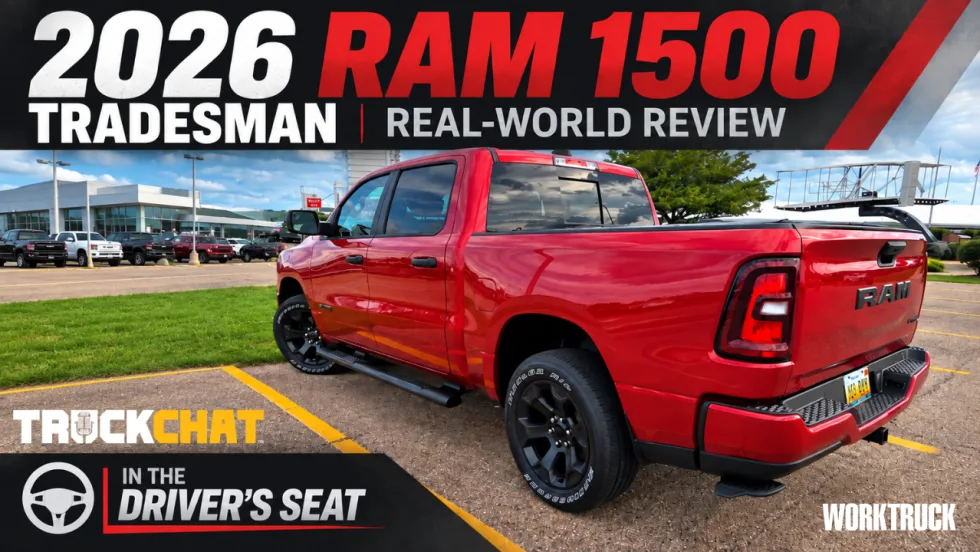
2026 Ram 1500 Tradesman Put to a Real-World Fleet Test
A few days behind the wheel of a 2026 Ram 1500 Tradesman turned into a test of visibility, parking, work-ready features, and even severe-weather driving.
Read More →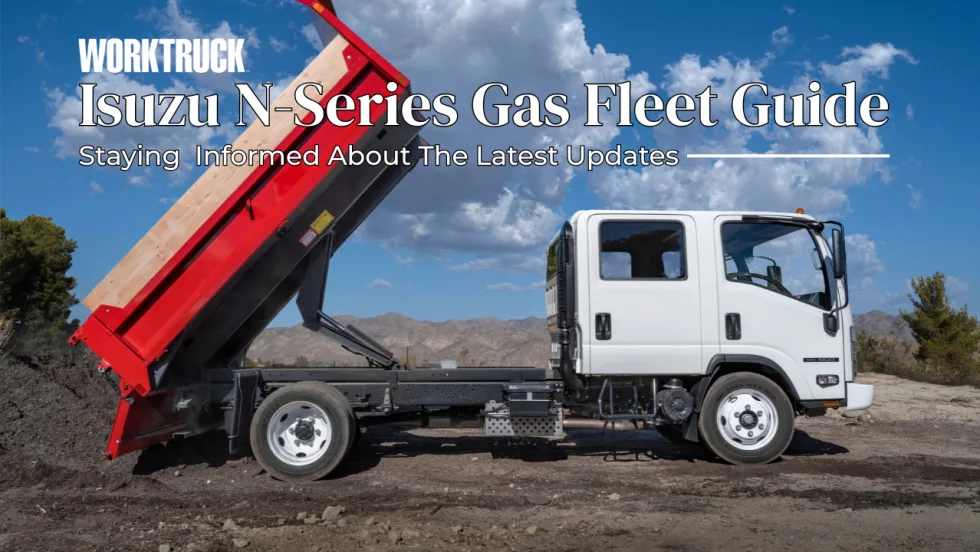
Isuzu N-Series Gas Fleet Guide: Specs, Capability and 2027 Model-Year Updates
Explore Isuzu Truck North America’s N-Series Gas fleet specs, engine performance, GVWR and payload capability, configurations, chassis dimensions, work-focused features, and 2027 model-year information.
Read More →
Chevrolet Silverado 1500 Fleet Guide Specs Capability and 2027 Model-Year Updates
The next-generation 2027 Chevrolet Silverado 1500 brings new V-8 engines, updated technology, expanded safety features, and a fleet-focused Work Truck. Here’s what commercial fleets need to know so far.
Read More →
Ram ProMaster City Fleet Guide Specs Cargo Capacity and 2027 Updates
Work Truck’s Ram ProMaster City Fleet Guide tracks the latest specifications, cargo capability, configurations, fleet technology, pricing, and model-year updates for Ram’s mid-size commercial van.
Read More →
Ford F-150 Fleet Guide Specs Capability and 2026 Model-Year Updates
Explore 2026 Ford F-150 fleet specs, engines, towing and payload capability, configurations, work features, technology, and model-year updates.
Read More →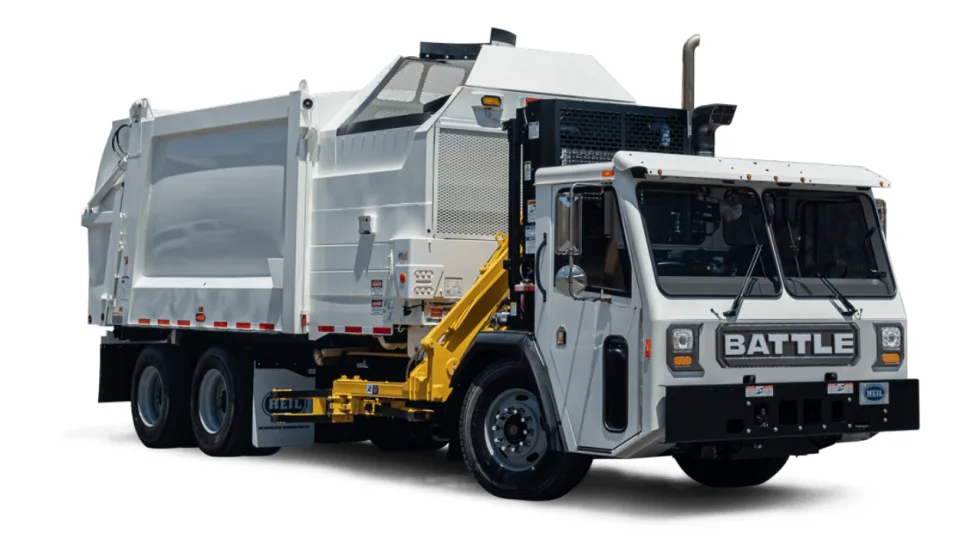
TCI Now Sells & Supports Battle Motors’ Vocational Trucks
Midwest truck dealer Truck Centers, Inc. (TCI) has expanded its transportation solutions with sales and service support for Battle Motors’ heavy-duty vocational trucks at locations in locations in Indiana, Illinois, and Missouri
Read More →
Ram 1500 Fleet Guide Specs, Capability and 2027 Model-Year Updates
Explore always up-to-date Ram 1500 fleet specs, engines, towing and payload capability, configurations, technology, pricing updates, and model-year changes.
Read More →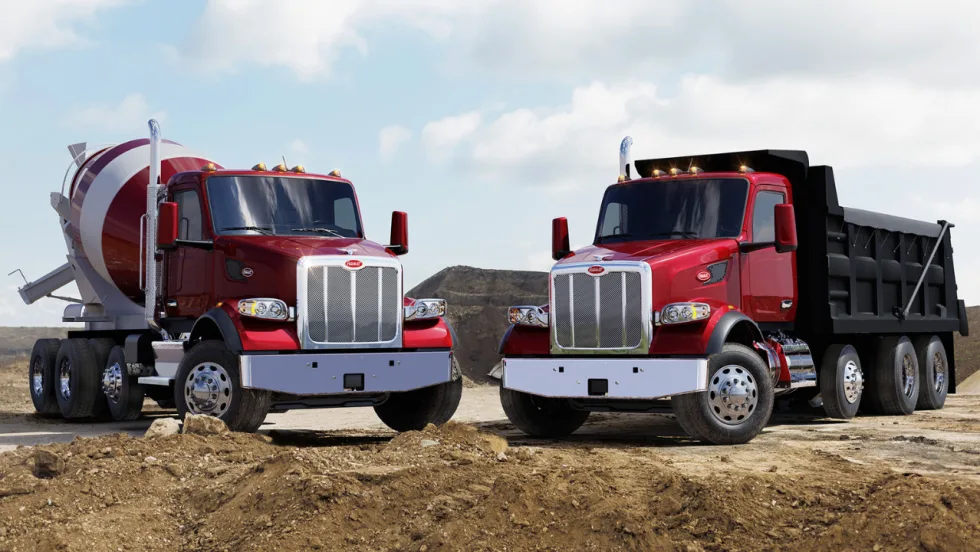
Peterbilt Trucks Equipped with Paccar TX-18 Pro Boost Efficiency for Maryland Fleet
Patuxent Companies is replacing aging trucks with the Peterbilt Model 567 and Model 589, specified with the Paccar TX-18 Pro 18-speed automated transmissions, and is reporting an 8% to 10% improvement in fuel economy.
Read More →
Stellar Expands into Fire Apparatus Market with Acquisition of Midwest Fire
Stellar Industries has acquired Midwest Fire, a custom fire apparatus manufacturer headquartered in Luverne, Minnesota, with nearly four decades of specialized apparatus experience.
Read More →
Recalls You Need to Know About in August 2026
If you have Altec, Chrysler, Ford, Heil, General Motors, International, Mack Trucks, Paccar, Rivian, Royal Truck, Toyota, US Truck Body, or Volvo Trucks vehicles in your fleet, you should check these important recalls issued by the National Highway Safety Administration.
Read More →