




Making the Hard Decisions: Right-Sizing Your Fleet
Smart companies recognize the value of company vehicles, whether they’re strictly utilitarian or compensatory. It is critical, however, not to let vehicle inventory get out of hand. Right-sizing is a difficult, but necessary task.

Fleet management requires the ability to deal with both tactical and strategic issues. Fleet managers must be able to think on their feet in making day-to-day decisions, while at the same time managing strategically.
While choosing the right vehicles, with the right equipment, and managing overall expense are strategic issues, one area that often gets short-shrift is managing inventory: making certain that every vehicle in the fleet is necessary, and that surplus vehicles (as well as those being driven, but shouldn’t be) are disposed of or otherwise used efficiently.
Once the decision has been made that the company will supply vehicles to employees, the next decision defines who qualifies. Fleet policy documents must carefully lay out the qualifications for company vehicle assignments. Here are the basic missions for which vehicles are typically provided:
Job function. Some functions require an employer to provide a vehicle. Service vehicles such as vans and trucks, delivery vehicles, or job- site vehicles that experience severe use all must be company-provided.
Sales. Sales or field marketing personnel carry people, as well as product and point-of-sale material. Providing a company vehicle ensures safe, dependable transportation.
Compensatory. The market for high-level, talented management is very competitive, and many companies provide vehicles to executives as part of a complete compensation package.
Clearly, compensatory vehicles are not subject to inventory management; it is rare to find a surplus executive car sitting in the parking lot. However, all other vehicles must be tracked carefully and the policy applied consistently.
The simplest method of qualifying a company vehicle assignment is economic. There is a cost to providing a company vehicle and a cost to reimburse the driver for using a personal vehicle for business purposes. Making a few assumptions can show how these costs can be compared.
Let’s assume it costs the company $500 per month to put an employee into a vehicle and personal mileage is reimbursed at 50 cents per mile. When the cost of reimbursement, based upon miles driven, meets or exceeds the cost of providing a car, it becomes more cost effective to provide it.
In this example, it is more cost efficient to provide a vehicle to an employee driving more than 1,000 miles per month on business; at $0.50 per mile, this totals $500.
The arithmetic is simple, and the break-even point can be calculated into the policy.
There are exceptional circumstances that should be considered. A driver in an urban environment might drive fewer than the break-even mileage. However, it is sometimes best to put such drivers into a vehicle anyway. The wear and tear on a personal vehicle might make it difficult to recruit and retain drivers.
It should be a simple matter, therefore, for a fleet manager to run regular reports applying the monthly driving mileage to the reimbursement rate to determine if drivers continue to qualify. A month or two of insufficient mileage should not cause the revocation of the vehicle; but if a driver consistently drives less than the break-even mileage and is not among the exceptions, right-sizing demands that the vehicle be taken away and the driver reimbursed. This is particularly true when field territories are restructured and the changes affect mileage.
[PAGEBREAK]
Surplus vehicles are often an issue. Not only do they exist, but the fleet manager is aware of them. Branch locations are known to hang on to a surplus vehicle for occasional driving and to "have around" in case it is needed.
Fleet managers should review inventory reports each month looking for:
Vehicles with no assigned driver.
Drivers with multiple vehicles assigned to them.
Vehicles assigned for pickup and sale that remain in inventory.
Vehicles designated as sold that remain in inventory.
It isn’t always the best idea to simply collect vehicles that become surplus and sell them outright. For example, if a driver has been terminated and the vehicle is relatively new, it should be kept and assigned to the driver’s replacement rather than sold and a new vehicle ordered.
Similarly, when a low-mileage vehicle becomes surplus, for reasons that do not include a replacement driver, it can be considered for transfer to a driver whose vehicle is scheduled for replacement. Say a driver has a vehicle with 65,000 miles on it, and the replacement mileage is 70,000. Before a new vehicle is ordered, the fleet manager can review the inventory list, and if a low-mileage surplus vehicle is available, it can be transferred to the driver whose vehicle is up for replacement. For this situation, set a consistent number, for example, less than one year’s worth of anticipated mileage.
Even then, it isn’t necessarily the best decision to simply sell vehicles taken out of service.
Another useful technique in making certain that your fleet is right-sized is to use surplus vehicles in lieu of replacement rentals. There are any number of occasions when employees and others require transportation, which the company either must or chooses to provide:
Company offices that host frequent, mid- to long-term visitors can be provided with surplus vehicles.
Surplus vehicles can be provided to employees whose jobs require long-term travel to company locations, such as auditors, industrial engineers, consultants, and trainers; a far less expensive option than rental vehicles.
New hires who qualify for a company vehicle can be temporarily provided a surplus vehicle rather than a rental until their order is delivered.
Vehicles are in the shop regularly for scheduled maintenance and mechanical and body repairs. In field locations with large numbers of vehicles, keeping a surplus vehicle in service for drivers whose vehicles are in the shop can save replacement rental costs and downtime.
Thus, surplus vehicles need not be surplus at all; if managed carefully, they can be used in lieu of rentals to further reduce fleet costs.
More often than not, reductions in fleet size occur as a result of decisions made at levels higher than fleet management. Sales departments experience cutbacks. Business units or product lines are sold or shut down. Installation and service operations are outsourced. Fleet managers are often not part of the decision-making process, but they are certainly part of implementing such decisions.
A fleet manager can contribute to the decision in a number of ways and then develop cost-effective plans for carrying it out. For service and delivery fleets, in which drivers use established, regular routes, mapping and route software packages can help determine not only the most efficient routes for the reorganized fleet, but better use of existing vehicles before any cutbacks are made.
[PAGEBREAK]
It isn’t unusual for a company to become complacent in the way vehicles have been used and how territories or routes are serviced. Applying routing software to map the most efficient routes often leads to discovering that service or delivery fleets can be reduced before the edict comes down to do so. Indeed, this proactive practice can help avoid more drastic cutbacks. Fleet managers are responsible to not only manage vehicles as efficiently as possible, but also to save the company money, even if it means reducing the fleet for which they are responsible.
For example, in a field office that currently runs 25 delivery vehicles, the same geographical area can be equally well served by 20 simply by rerouting drivers in a more efficient manner. This approach, whereby the fleet manager proactively recommends to management that the fleet be reduced will no doubt be appreciated by senior managers, and when cutbacks are mandated, may cause management to include the fleet function in the decision.
Keep in mind these cutbacks are often couched in very general terms: "All field offices must reduce headcount by 15 percent," with the details left to lower levels of responsibility. A fleet manager who has made recommendations to reduce fleet count will be looked upon far more kindly than one who is uncooperative or who waits to be told what to do.
Finally, when the reduction orders do come through, a prepared fleet manager can show that cutting 10 vehicles from a 20-vehicle office simply will not work or that more vehicles can be cut than the company requests, demonstrating solid management talent. Whatever the case, surplus vehicles can then be put to use in the manner described previously, as a substitute for both short- and long-term replacement rentals.
Thus, right-sizing doesn’t necessarily mean simply reducing the number of vehicles in a fleet. It is a long-term, routine process that helps reduce costs and keeps the fleet manager’s profile prominent in the organization.
Managing inventory: Know how many vehicles are out there, who is driving them, and keep close tabs on vehicles taken out of service.
Executing policy: Have a firm vehicle assignment policy. Know the company’s break-even point, between reimbursing employees for occasional travel and providing company vehicles.
Maximizing usage: Surplus vehicles are a fact of life in fleet management. Know how many vehicles are surplus and why (drivers terminated or otherwise leaving the company, vehicles awaiting sale, vehicles "inherited" via acquisition). Make sure that they are not needed and find ways they can be used to further reduce fleet and other company costs.
Manage fleet reductions: Make looking for ways to more efficiently carry out the fleet mission a part of the fleet manager’s regular duties. Use mapping or routing software to make certain existing vehicles are needed and be proactive in making reductions before required. Fleet management should be part of any strategy development in an overall company cost reduction goal.
Right-sizing the fleet isn’t simply a painful "trip to the dentist" process. It is an integral part of any fleet manager’s duties, and should be taken seriously. Both the fleet manager and the company will benefit.
Originally posted on Automotive Fleet
More Vehicle Research
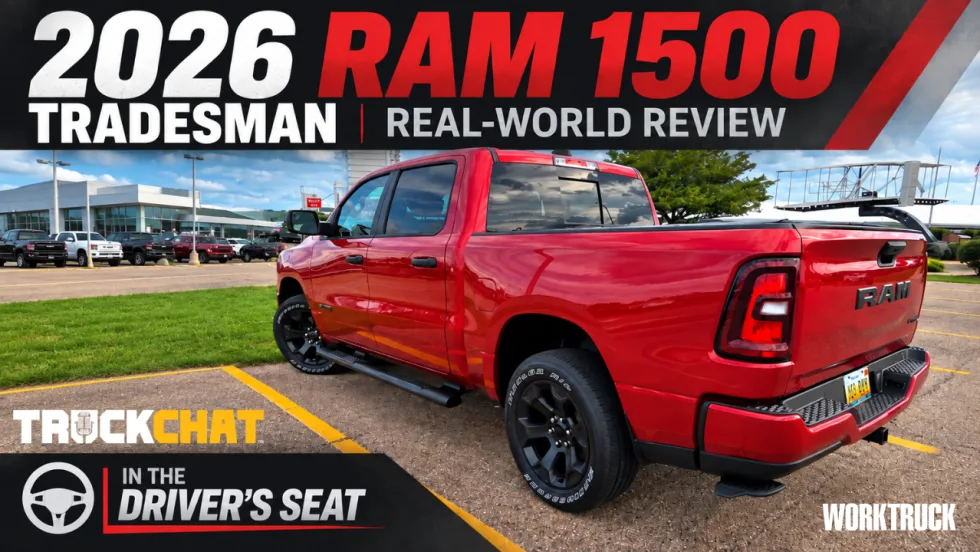
2026 Ram 1500 Tradesman Put to a Real-World Fleet Test
A few days behind the wheel of a 2026 Ram 1500 Tradesman turned into a test of visibility, parking, work-ready features, and even severe-weather driving.
Read More →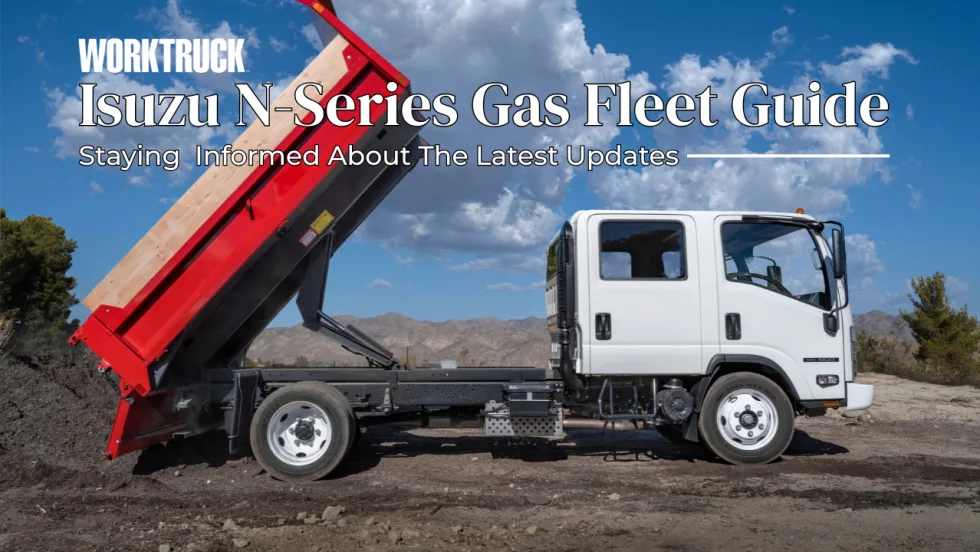
Isuzu N-Series Gas Fleet Guide: Specs, Capability and 2027 Model-Year Updates
Explore Isuzu Truck North America’s N-Series Gas fleet specs, engine performance, GVWR and payload capability, configurations, chassis dimensions, work-focused features, and 2027 model-year information.
Read More →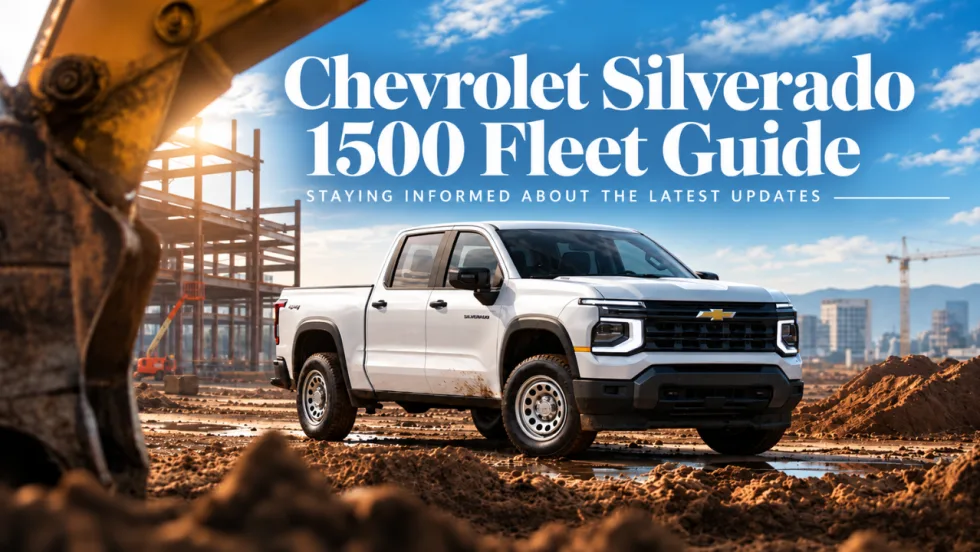
Chevrolet Silverado 1500 Fleet Guide Specs Capability and 2027 Model-Year Updates
The next-generation 2027 Chevrolet Silverado 1500 brings new V-8 engines, updated technology, expanded safety features, and a fleet-focused Work Truck. Here’s what commercial fleets need to know so far.
Read More →
Ram ProMaster City Fleet Guide Specs Cargo Capacity and 2027 Updates
Work Truck’s Ram ProMaster City Fleet Guide tracks the latest specifications, cargo capability, configurations, fleet technology, pricing, and model-year updates for Ram’s mid-size commercial van.
Read More →
Ford F-150 Fleet Guide Specs Capability and 2026 Model-Year Updates
Explore 2026 Ford F-150 fleet specs, engines, towing and payload capability, configurations, work features, technology, and model-year updates.
Read More →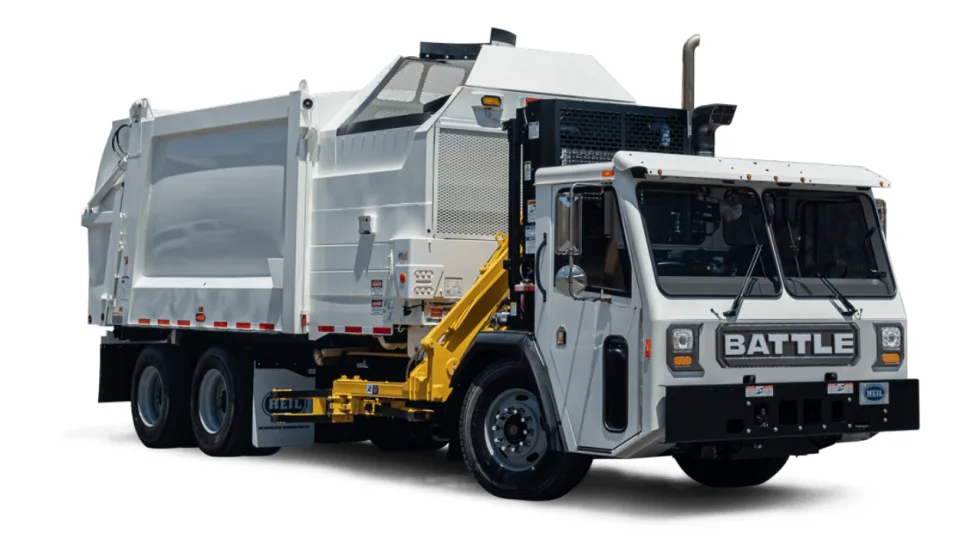
TCI Now Sells & Supports Battle Motors’ Vocational Trucks
Midwest truck dealer Truck Centers, Inc. (TCI) has expanded its transportation solutions with sales and service support for Battle Motors’ heavy-duty vocational trucks at locations in locations in Indiana, Illinois, and Missouri
Read More →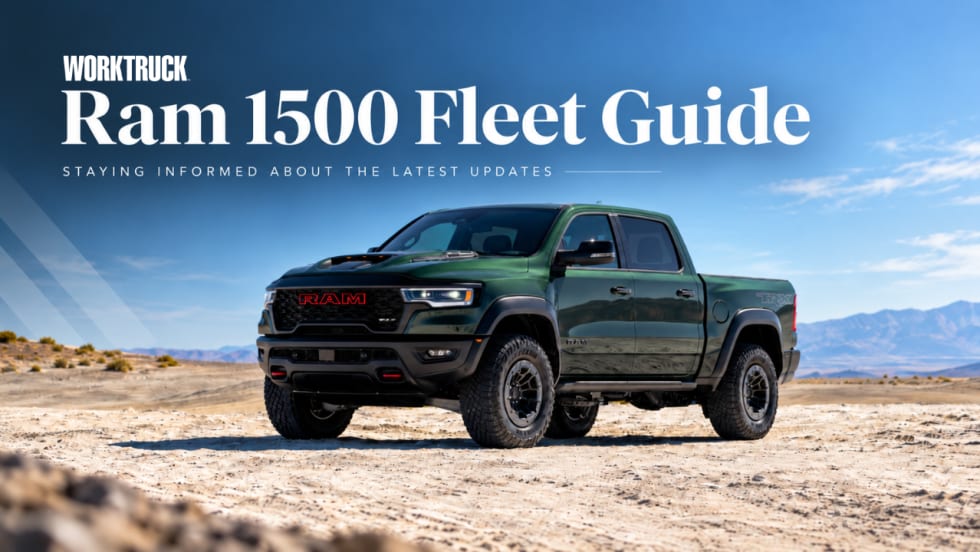
Ram 1500 Fleet Guide Specs, Capability and 2027 Model-Year Updates
Explore always up-to-date Ram 1500 fleet specs, engines, towing and payload capability, configurations, technology, pricing updates, and model-year changes.
Read More →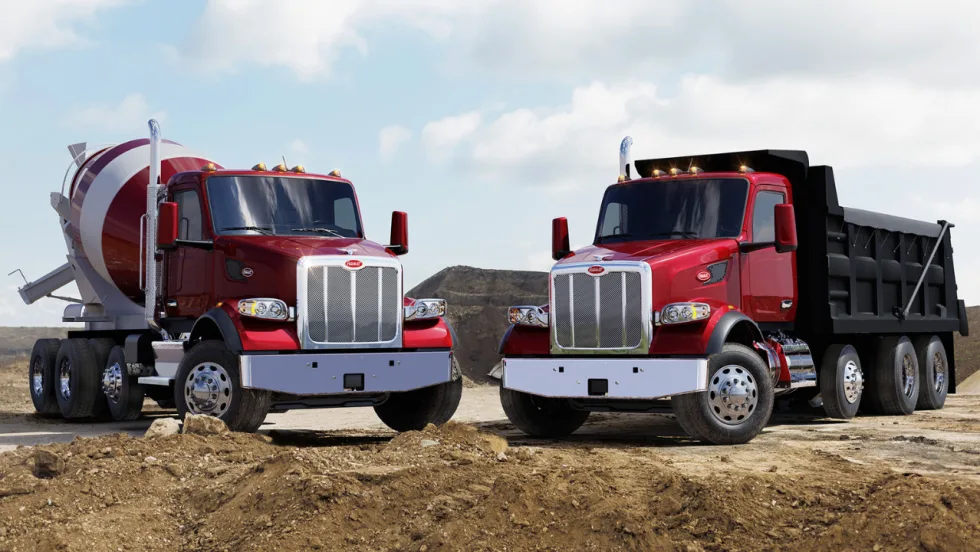
Peterbilt Trucks Equipped with Paccar TX-18 Pro Boost Efficiency for Maryland Fleet
Patuxent Companies is replacing aging trucks with the Peterbilt Model 567 and Model 589, specified with the Paccar TX-18 Pro 18-speed automated transmissions, and is reporting an 8% to 10% improvement in fuel economy.
Read More →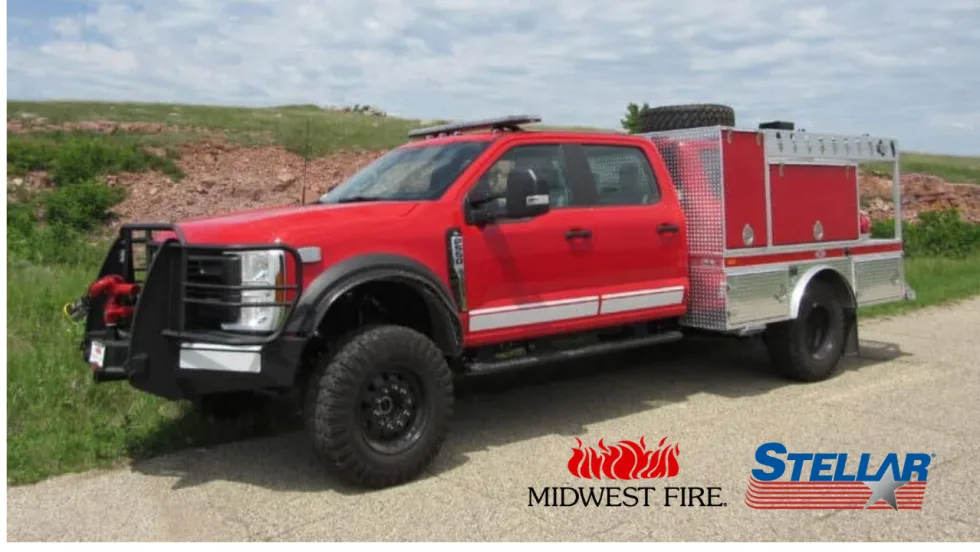
Stellar Expands into Fire Apparatus Market with Acquisition of Midwest Fire
Stellar Industries has acquired Midwest Fire, a custom fire apparatus manufacturer headquartered in Luverne, Minnesota, with nearly four decades of specialized apparatus experience.
Read More →
Recalls You Need to Know About in August 2026
If you have Altec, Chrysler, Ford, Heil, General Motors, International, Mack Trucks, Paccar, Rivian, Royal Truck, Toyota, US Truck Body, or Volvo Trucks vehicles in your fleet, you should check these important recalls issued by the National Highway Safety Administration.
Read More →