




Learning About Propane with Clean Cities
Pacific Northwest fleet managers were given a crash course focused on propane autogas trends, technology, and more.

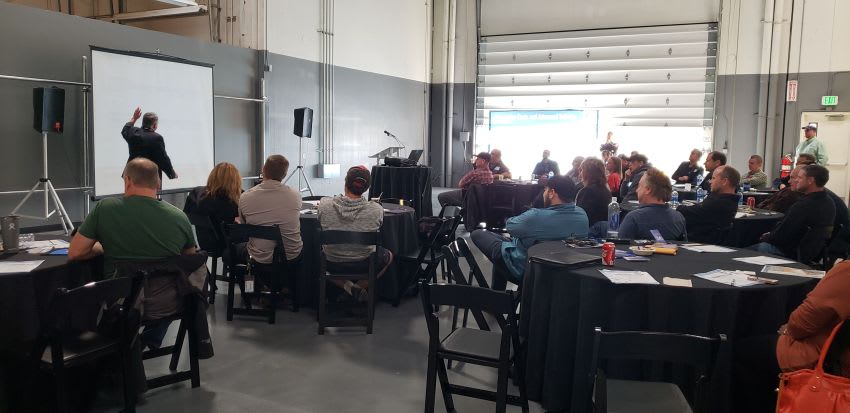
The Columbia-Willamette Clean Cities Coalition hosted around 40 people for its Propane Autogas Lunch & Learn in Wilsonville, Ore.
Photo courtesy of Lauren Fletcher
Columbia-Willamette Clean Cities Coalition held a propane autogas Lunch & Learn on Oct. 10 at the World of Speed Museum in Wilsonville, Ore.
Approximately 40 people attended the meeting with speakers from Columbia-Willamette Clean Cities Coalition, SambaSafety/Vigillo, the Propane Education Research Council (PERC), Advanced Transportation Technology Center, Icom/Wolff Specialties, ROUSH CleanTech, Blue Star Gas, Oregon DEQ, the City of Vancouver, Wash., and the City of Longview, Wash.
The meeting opened with a welcome and comments from Chris Galati, the president of the Columbia-Willamette Clean Cities Coalition. “We work hard to support Oregon and Washington fleets,” he noted.
Digging into CSA Updates
The first session of the day was from Steve Bryan, founder and president of Vigillo, a SambaSafety company, covering a CSA and Safety Update and discussing driver risk management.
“The CSA program is going to undergo a complete overhaul, including how truck safety is viewed moving forward,” he said. “The future of CSA is changing. The new FAST Act for CSA is coming in September of 2019.”
Bryan spent time explaining the current CSA system and some of its deficiencies, which are prompting change. He noted that the BASICs are sticking around, but all scores will be reduced to just one safety culture score.
Learning About Propane Autogas
Much has changed in the world of propane autogas in just the past decade, with many improvements and enhancements.
Attendees were educated about the current state of the propane industry, technology advancements, fueling options, and real-world fleet experiences.
Greg Zilberfarb, president and CEO of TSN Communications spoke on behalf of PERC, discussed the current state of the propane autogas market.
“Numbers are gradually increasing, mostly due to school bus sales. Of the 2017 sales, 32% were OEM, with 68% aftermarket. At the end of 2017 there were 14,744 propane autogas school buses in operation,” he said. “Blue Bird believes that next year, it will sell more propane autogas school buses than diesel buses for the first time ever.”
Next up was a discussion covering propane autogas conversions and maintenance. Bryan Schiedler with the Advanced Transportation Technology Center at Linn Benton College discussed efforts done in education on alternative fuels. Some conversions (propane autogas, compressed natural gas, and electric) are done at the facility, but its main focus is on alternative-fuel education.
Camryn Engle, Autogas coordinator of Blue Star Gas shared his insight on navigating the various system options. The company is family owned and operated since 1938 with a dedicated team of autogas specialists. The company has 65 public fueling sites and is an Alliance Autogas member.
“We ensure operators are kept up on their training, which is our No. 1 priority with safety,” Engle said. “Propane Autogas is a safer fuel as its closed pressurized system reduces spills and unintended release, in addition to its low-cost average of $1.65 per gallon, without the rebate amounts factored in.”
The day closed with a few real-world experiences from Keith Walling, fleet and facilities maintenance manager for the City of Longview, Wash., Walling was joined by Dan Zenger, equipment services superintendent for the City of Vancouver, Wash., previously with the Longview fleet. Longview experienced a fuel savings of more than $8,600 through 14 converted vehicles, with four more on the way.
At the meeting’s conclusion, attendees took time to test-drive two propane-autogas trucks and enjoy the exhibits at the World of Speed Museum.
More Green Fleet

Fleet Forward Conference Introduces One-Day Passes for 2026
New one-day registration gives fleet professionals the flexibility to attend Tuesday, Wednesday, or Thursday, with passes available for $199 through Sept. 18.
Read More →
CALSTART Rebrands as Catalyst Mobility, Will Combine with Forth in 2027
CALSTART has rebranded as Catalyst Mobility and will combine with Forth at the start of 2027. The new organization said it is poised to become one of the world's largest, strongest, and most impactful clean transportation nonprofits.
Read More →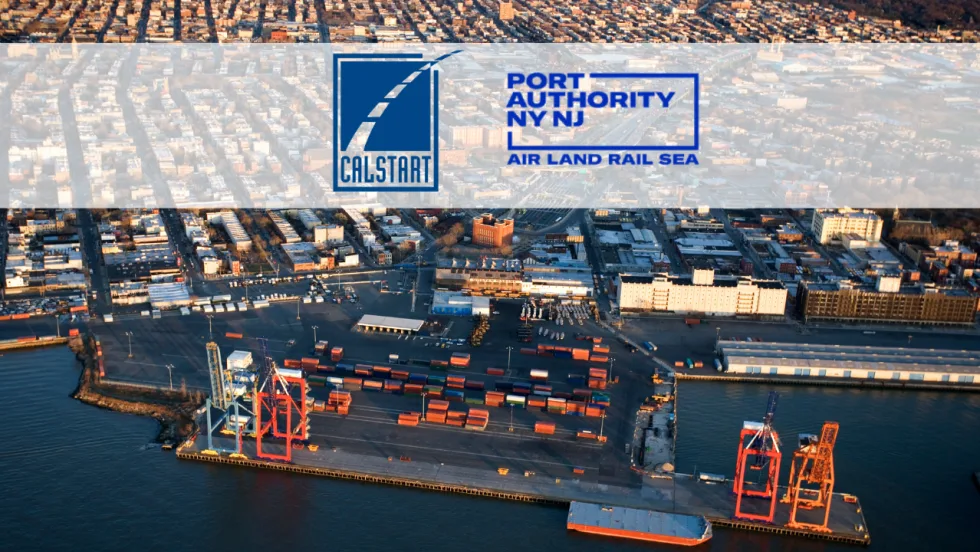
Electric Truck and Charging Programs to Boost Sustainability at NY & NJ Ports
Together, the Port Authority of New York and New Jersey and CALSTART will electrify drayage and terminal operations serving the East Coast’s busiest container port. A pair of incentive programs totaling $45 million has launched to accelerate adoption of zero-emission drayage trucks and terminal tractors.
Read More →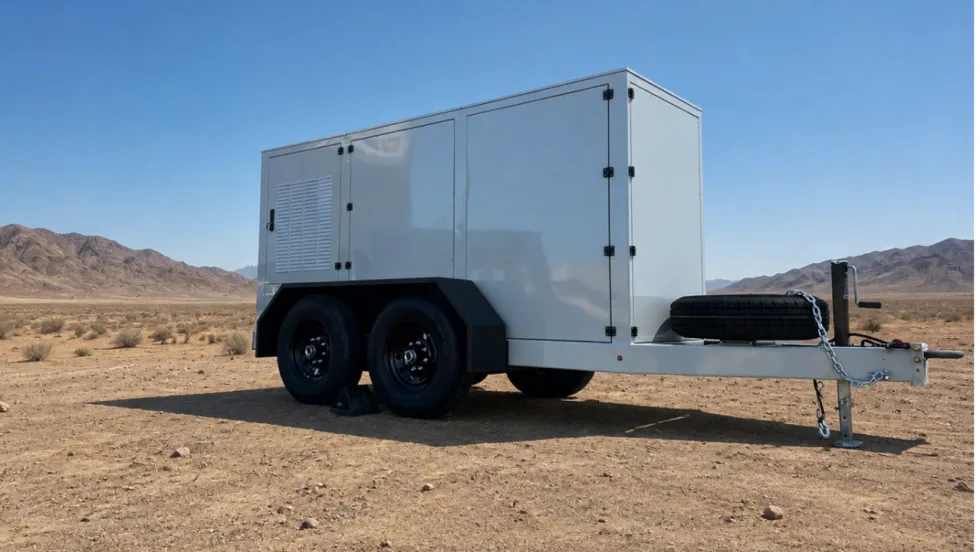
Xos Hub Surpasses One Gigawatt-Hour of Energy Delivered in the Field
A single Xos Hub has surpassed one gigawatt-hour of energy across more than 33,600 charging sessions in the field, demonstrating performance that supports Xos' expansion across new products and markets.
Read More →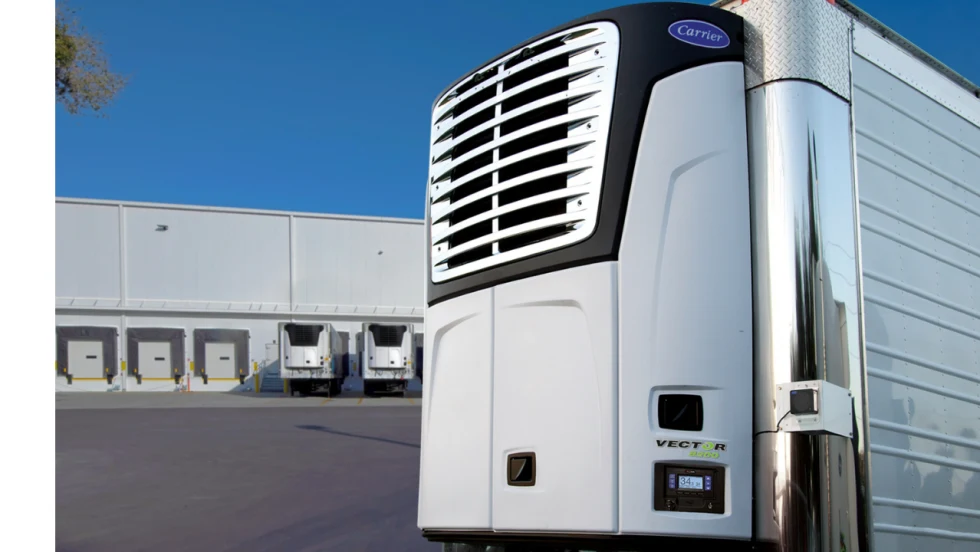
Carrier Transicold Launches All-Electric Vector 8200 TRU for Diesel-Free On-Site Cold Storage
Carrier Transicold’s first engineless multi-temperature TRU helps fresh- and frozen-food fleets add supplemental cold storage capacity during seasonal peaks.
Read More →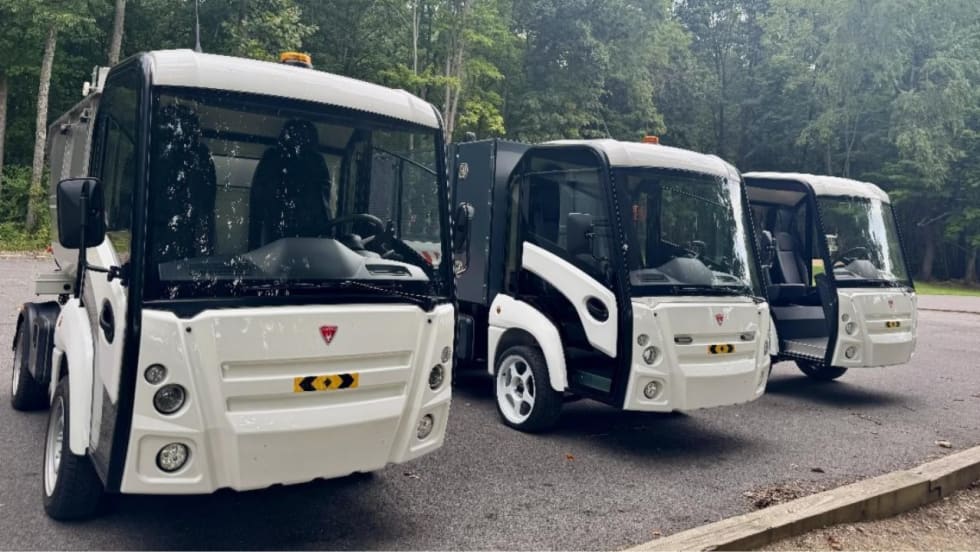
Narro Trucks Introduces Electric Utility Vehicle
Narro Trucks officially launched its operations on Aug. 20 and hosted a ride and drive to showcase its electric truck, which will be produced in Virginia.
Read More →
Samsung SDI Takes Full Control of GM Battery JV as Indiana Plant Pivots to Energy Storage
Samsung SDI is taking full control of its Indiana battery plant with GM, marking a major shift from the EV-focused joint venture Charged Fleet first covered in 2023.
Read More →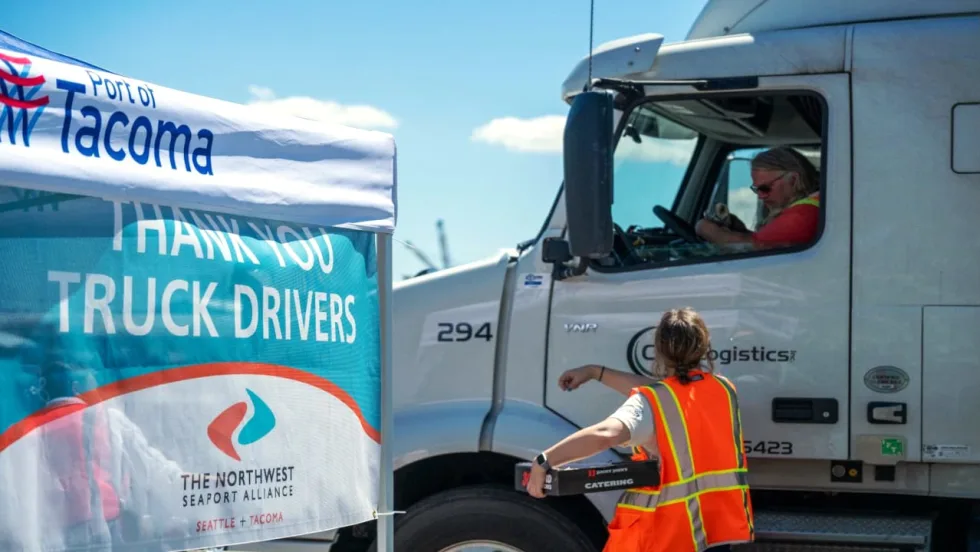
NWSA Taps CALSTART to Administer Zero-Emission Drayage Assistance Program
CALSTART will provide free technical assistance services to drayage fleets serving the Ports of Seattle and Tacoma and looking to transition to cleaner technologies and help decarbonize freight hubs.
Read More →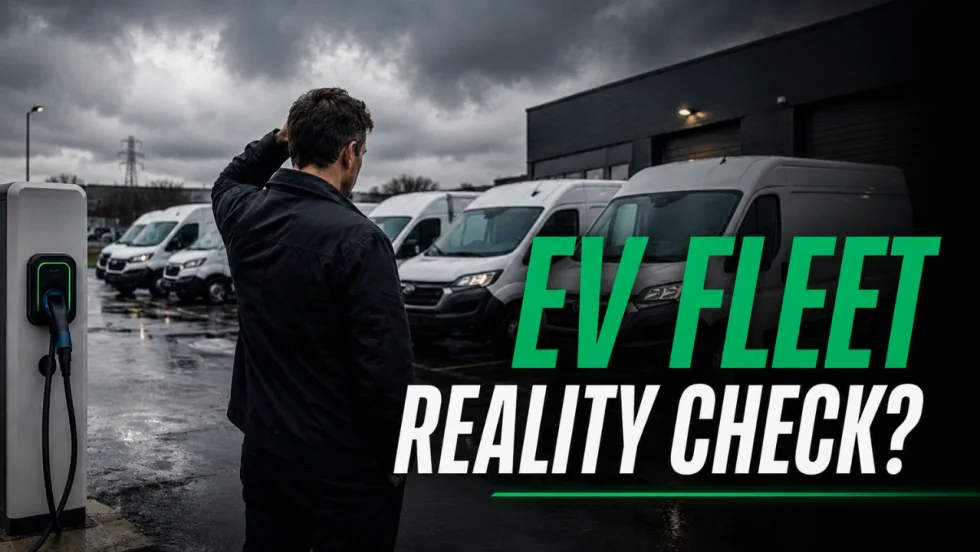
EV Fleet Reality Check: What Operators Wish They Knew Before Electrifying Their Work Vans
Electric work truck upfits bring new compatibility questions. Learn how parts availability, OEM guidance, power demands, and route planning can affect fleet performance.
Read More →
Peterbilt Expands Sourcewell Partnership with Electric Vehicle Lineup
Peterbilt Motors Company’s cooperative purchasing agreement with Sourcewell and its Canadian partner, Canoe Procurement Group, now includes including Peterbilt's battery-electric vehicle lineup.
Read More →