




GREEN FLEET: Real-World Strategies: A Blueprint for a Greener Future
As more regulations are put in place to reduce greenhouse gas emissions and the “going green” movement continues to expand, here are a few strategies fleets have used to green their operations.
Click here for PDF of full article.
It's time to make your fleet "green." Sure, that's easy to say, but let's face it, to quote Kermit the Frog, "It ain't easy being green!" In this struggling economy, developing and implementing environmentally responsible and fuel-trimming initiatives can appear too costly for already tightened budgets.
Or are they? While the initial costs of developing a green fleet may seem prohibitive, over the long-term, eco-friendly initiatives can result in savings. Additionally, some green-fleet tactics are simple to implement, requiring an investment of time and effort, not cash.
'Green' Vehicles vs. Regular Vehicles
Deploying green vehicles in a fleet reduces greenhouse gas (GHG) emissions and other pollutants, creating less smog. Implementing green vehicles, such as hybrids and/or electric vehicles, can also save fleets money in fuel consumption. But it must be noted fleet managers cannot simply jump the gun when purchasing these vehicles; rather, researching what vehicles would work best for a fleet is a must.
In 2005, as part of operational cost-saving measures, particularly fuel expense, PepsiCo began using hybrids, specifically the Toyota Prius. The company now operates the second-largest non-government hybrid fleet in the U.S., operating more than 1,250 hybrid vehicles, including the Ford Escape Hybrid.
And because the number of hybrid vehicles in PepsiCo's sales fleet has tripled since 2007, the company has seen a 10-12 percent decrease per vehicle in overall emissions.
Based on its green program's impact on the sales car fleet, the company will test electric delivery vans and use hybrid refrigerated delivery trucks in select divisions.
When the City of Yuma, Ariz., introduced hybrid vehicles in its fleet, the vehicles were placed in areas sure to provide the city the greatest return. Additionally, when Ford Escape Hybrids were placed in police patrol, the city saw a 50-percent increase in fuel mileage.
Illinois Fleet Central Management Services (IFCMS) Fleet Manager Barb Bonansinga suggests fleets consider coordinating a plug-in hybrid electric vehicle (PHEV) workgroup that reviews PHEVs and transportation. The workgroup should evaluate the feasibility of PHEVs as fleet vehicles.
West Palm Beach-based Florida Power & Light (FPL) first purchased medium-duty hybrids in 2005. Currently, the FPL fleet, comprising 2,900 road-licensed vehicles and 1,600 off-road vehicles, forklifts, and mechanized equipment for power plants, operates more than 60 Class 7 conventional and electric plug-in hybrids, including a gasoline-electric UPS-style, P-Series van and two PHEV trucks. Additionally, FPL aims to add more alternatively powered vehicles in the future. The utility estimated fuel savings can pay for the cost of the hybridization in four years, using $5 per gallon as a base comparison cost.
Conventionally powered vehicles can also be found on a green fleet selector, as Owens Corning, manufacturer of composite and building materials based in Toledo, Ohio, has found. In 2008, the company, which has a history of environmentally responsible actions, decided to involve employees in reducing the company's carbon footprint. In addition, with gasoline prices at the time hovering around the $4 per gallon range, management wanted to review its fleet vehicle options.
For guidance, the company signed up with the PHH GreenFleet Program and switched to the Ford Taurus X crossover and the Ford Escape. Though the company discussed using hybrid vehicles, the larger cargo space provided in the conventionally powered vehicles was needed. However, Owens Corning did see improvements in its GHG emissions, reduced 14.6 percent in the first year of the new vehicles' application. Further, the fleet's average mpg increased from 18.3 to 21.6.
[PAGEBREAK]
Stop Your Idling Ways
According to Hamilton County (Ohio) Environmental Services, every gallon of gasoline burned in powering a vehicle produces nearly 19 lbs. of carbon dioxide (CO2). Imagine how many pounds of CO2 an idling vehicle can create. Additionally, the International Center for Technology Assessment (ICTA) reported that people inside vehicles - especially when sitting in traffic or in a lineup of idling vehicles - are much more likely to be affected by auto pollutants, including volatile organic compounds (VOCs) and carbon monoxide, as opposed to individuals at the road side.
Idling wastes fuel as well. A typical truck fleet can burn a half-gallon of fuel for every hour a truck idles, per the International Truck & Engine Corp.
However, anti-idling programs are available to not only cut fuel consumption, but also help the environment.
Many drivers believe starting and stopping an engine uses more gas and harms the vehicle and that a vehicle needs to warm up before it can be driven. But today's advanced engine and vehicle technology refute those common misconceptions. It is important for fleet managers to educate drivers regarding eco-friendly vehicle operation.
Vehicles idling more than 30 seconds should be turned off. Rather than letting the vehicle run on idle, the best way to warm up a vehicle's transmission, tires, suspension, etc., is to slowly begin driving.
GPS tracking systems are a cost-effective tool that can help eliminate excessive idling. For example, Polk County, Fla.'s fleet management director, Bob Stanton, has implemented a GPS system to track the county's 2,000 vehicles and pieces of equipment. Stanton e-mails an idle history report to each division director on a monthly basis. By monitoring idling history, Stanton and his team can investigate the cause of idling and make required adjustments.
Verizon, Inc. has also used GPS tracking to reduce idling. Company research discovered unnecessary idling cost Verizon about $20 million dollars annually. For 2008, the company targeted a vehicle idling reduction goal of 3 percent of the 53 million total gallons of fuel used by the company's light- and medium-duty trucks. The company installed GPS tracking devices in 25 percent of its fleet vehicles. However, Verizon realized that simply installing a device would not eliminate unnecessary idling. In addition, the company educated employees in ways to reduce idling.
To reduce costly idling, the City of Thornton, Colo., installed hydraulic system heaters in vehicles exposed to cold temperatures. The systems, which use a timer, heat the engine with diesel fuel from the vehicle tanks.
Automatic/pre-programmed engine shut-off can be a useful tool as well. Depending on a fleet's vehicle idling limit, a computer will automatically shut down an engine if operators do not turn off the engine within the prescribed time limit. The City of Fort Wayne applied this technique for 80 trucks in its 1,652-unit fleet and saved $86,873 in diesel fuel costs.
[PAGEBREAK]
Consider the Alternatives
Alternative-fuel use is another green fleet tactic. The City of Las Vegas operates a 90-percent green fleet powered by alternative fuels. Most of the fleet's vehicles are either hybrids or run on reformulated gasoline (10 percent by weight) that also meets California specifications for cleaner-burning gasoline; biodiesel (B-20); compressed natural gas (CNG); hydrogen; and hydrogen-enriched CNG.
More than half of the City of Santa Monica, Calif.'s 450-vehicle fleet runs on natural gas. Drivers report less vibration in vehicles operating on biodiesel, propane, and hydrogen.
After networking with the City of Santa Monica, the City of Austin, Texas, also began applying an alt-fuel approach to its fleet. In February 2008, the city signed a six-year $138 million contract with Sun Coast Resources Inc. of Houston, under which Sun Coast provides the city an estimated 3.2 million gallons of E-10 gasoline and 3.2 million gallons of biodiesel fuel. Additionally, fleet officials in Austin plan to convert several fuel sites in the city into alt-fuel stations.
Alt-fuel is also cost-effective. The City of Jacksonville, Fla., noticed considerable cost savings when it made the switch. In 2006, the city began building a biodiesel plant with the capacity to produce 2,000 gallons of fuel each week. In its first year, the homemade biodiesel blend saved about $150,000 and continues to do so annually.
The Village of Algonquin, Ill., also cut fuel costs - more than $7,000 in its first two years - when it switched from biodiesel to processed vegetable oil to operate its fleet.
Tricks of the Trade
For Infinity Insurance Company, based in Birmingham, Ala., improving driving practices was an additional way for drivers to reduce emissions and increase fuel economy. PepsiCo also has signed an agreement with GreenDriver to begin training sales and delivery drivers on fuel-efficient driving techniques.
Stephen DeCarlo, fleet and equipment maintenance supervisor for the Township of Lower Merion, Pa., said his fleet started using fully synthetic engine lubricant in all its light-duty vehicles (less than 12,000 lbs. GVWR). He said the change contributes to natural resource conservation, reduction in overall pollution, and extension of oil drain intervals, reducing waste lubricant generation while maximizing specific component life and cutting overall waste stream product generation.
Other eco-conscious steps can be applied to other areas of a fleet's operation. Rockville, Md.'s Division of Fleet Management trimmed its use of aerosol products and substituted "green" products in place of more hazardous products. Additionally, fleet management began recycling fluorescent light tubes, waste oil, antifreeze, batteries, cores, scrap metal, and tires. The team also implemented an environmental sustainability program and policy, and a car-share program.
Originally posted on Automotive Fleet
More Vehicle Research
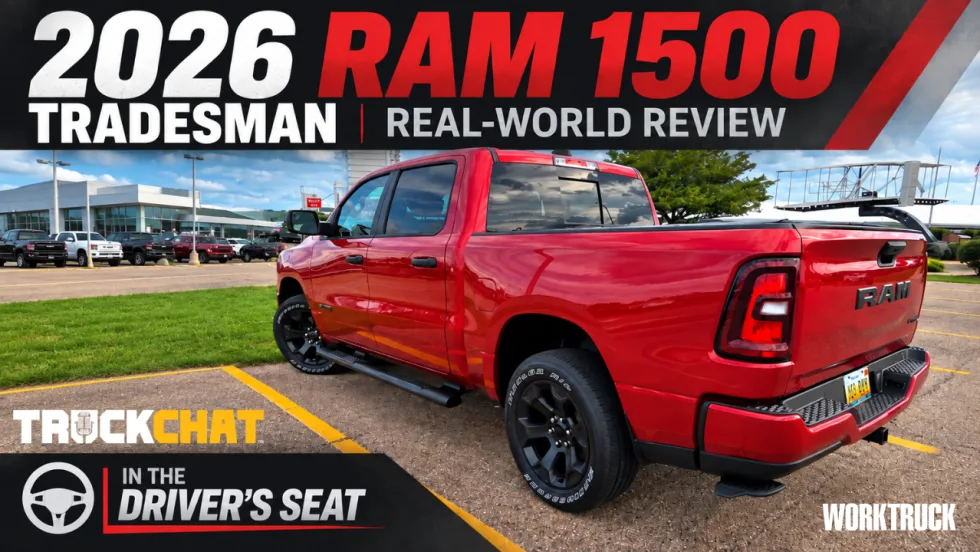
2026 Ram 1500 Tradesman Put to a Real-World Fleet Test
A few days behind the wheel of a 2026 Ram 1500 Tradesman turned into a test of visibility, parking, work-ready features, and even severe-weather driving.
Read More →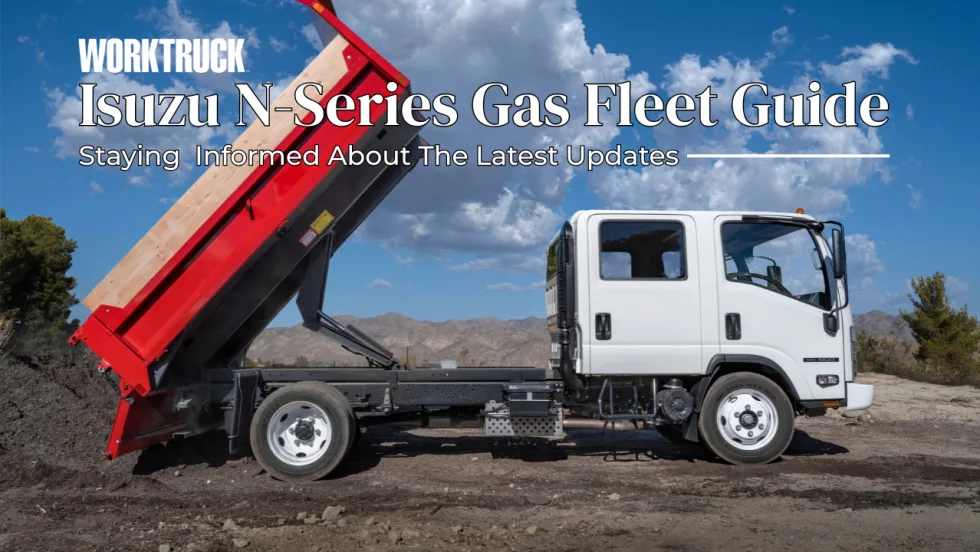
Isuzu N-Series Gas Fleet Guide: Specs, Capability and 2027 Model-Year Updates
Explore Isuzu Truck North America’s N-Series Gas fleet specs, engine performance, GVWR and payload capability, configurations, chassis dimensions, work-focused features, and 2027 model-year information.
Read More →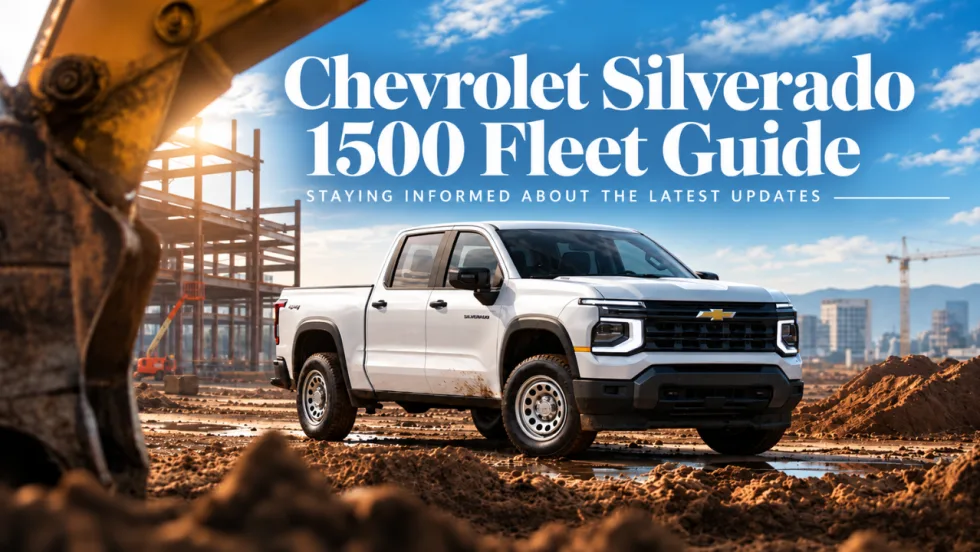
Chevrolet Silverado 1500 Fleet Guide Specs Capability and 2027 Model-Year Updates
The next-generation 2027 Chevrolet Silverado 1500 brings new V-8 engines, updated technology, expanded safety features, and a fleet-focused Work Truck. Here’s what commercial fleets need to know so far.
Read More →
Ram ProMaster City Fleet Guide Specs Cargo Capacity and 2027 Updates
Work Truck’s Ram ProMaster City Fleet Guide tracks the latest specifications, cargo capability, configurations, fleet technology, pricing, and model-year updates for Ram’s mid-size commercial van.
Read More →
Ford F-150 Fleet Guide Specs Capability and 2026 Model-Year Updates
Explore 2026 Ford F-150 fleet specs, engines, towing and payload capability, configurations, work features, technology, and model-year updates.
Read More →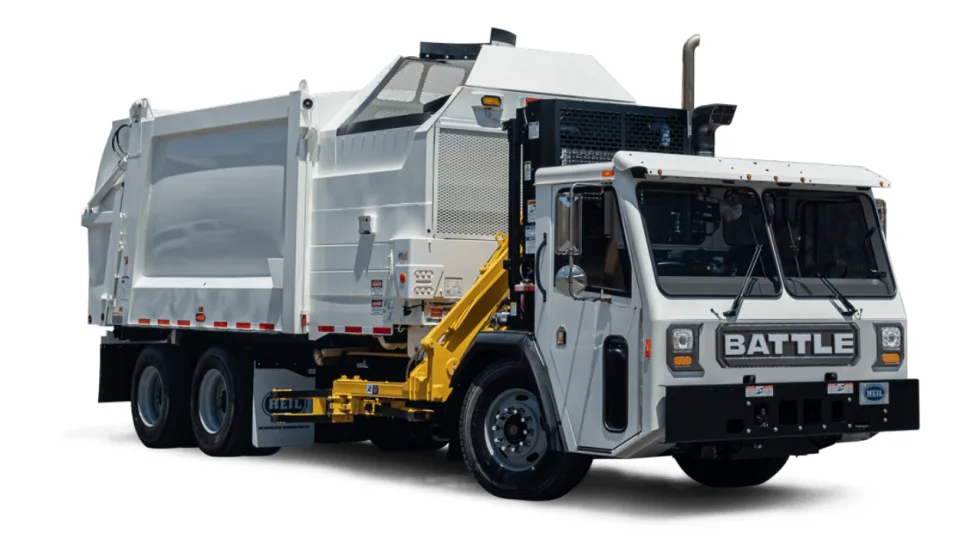
TCI Now Sells & Supports Battle Motors’ Vocational Trucks
Midwest truck dealer Truck Centers, Inc. (TCI) has expanded its transportation solutions with sales and service support for Battle Motors’ heavy-duty vocational trucks at locations in locations in Indiana, Illinois, and Missouri
Read More →
Ram 1500 Fleet Guide Specs, Capability and 2027 Model-Year Updates
Explore always up-to-date Ram 1500 fleet specs, engines, towing and payload capability, configurations, technology, pricing updates, and model-year changes.
Read More →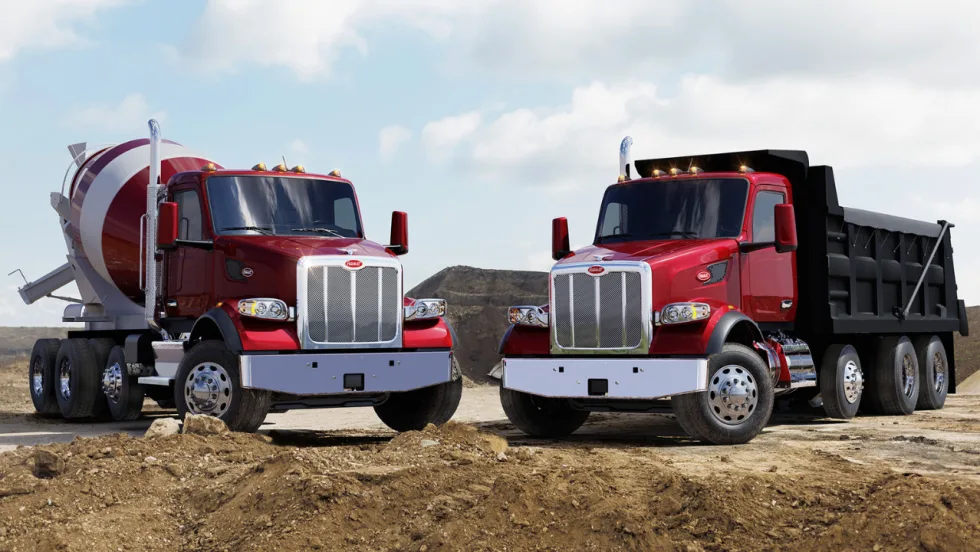
Peterbilt Trucks Equipped with Paccar TX-18 Pro Boost Efficiency for Maryland Fleet
Patuxent Companies is replacing aging trucks with the Peterbilt Model 567 and Model 589, specified with the Paccar TX-18 Pro 18-speed automated transmissions, and is reporting an 8% to 10% improvement in fuel economy.
Read More →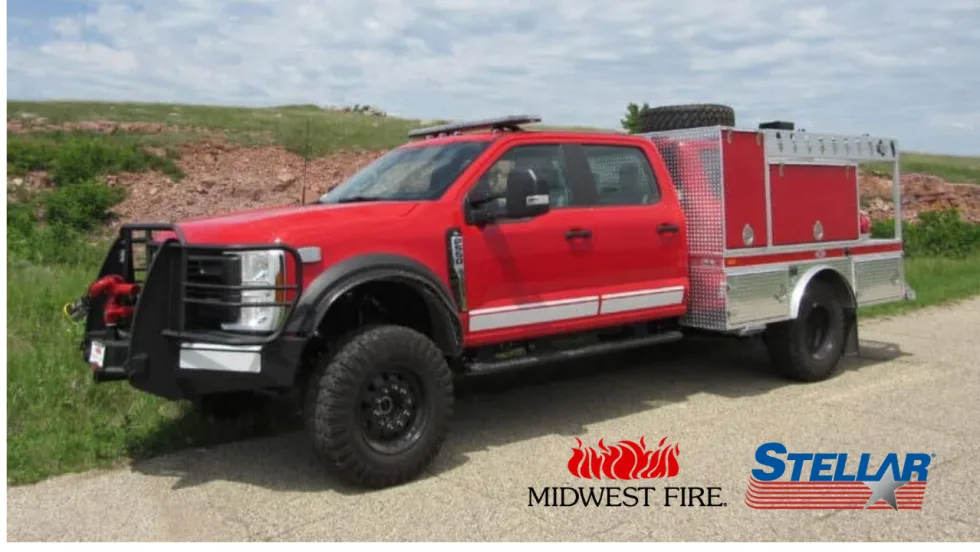
Stellar Expands into Fire Apparatus Market with Acquisition of Midwest Fire
Stellar Industries has acquired Midwest Fire, a custom fire apparatus manufacturer headquartered in Luverne, Minnesota, with nearly four decades of specialized apparatus experience.
Read More →
Recalls You Need to Know About in August 2026
If you have Altec, Chrysler, Ford, Heil, General Motors, International, Mack Trucks, Paccar, Rivian, Royal Truck, Toyota, US Truck Body, or Volvo Trucks vehicles in your fleet, you should check these important recalls issued by the National Highway Safety Administration.
Read More →