




Green Fleet: Florida Power & Light Goes Heavy on Hybrids
The West Palm Beach-based utility fleet operates more than 60 Class 7 conventional and electric plug-in hybrids and will add more in the future.

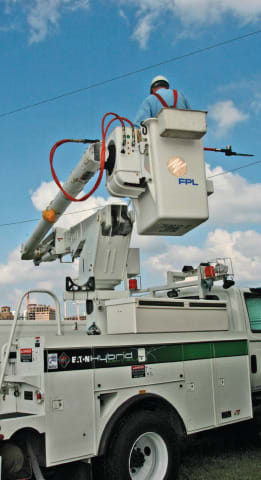
Size matters in a commercial truck's fuel consumption and emissions output. The bigger and heavier the truck, the more horsepower required to push it around, the more fuel it consumes, and the more pollution it creates.
Recognizing that fact has provided a major impetus for West Palm Beach-based Florida Power & Light (FPL) to switch to diesel-electric hybrids.
George Survant, director, FPL Fleet Services, points out hybrid trucks have proven a "superb means" in helping the utility achieve its core strategy of cutting fuel consumption and emissions, and stabilizing the volatile effects of fuel prices.
Happy with Hybrid Trucks
With one of the largest utility fleets in the country (2,900 road-licensed vehicles and 1,600 off-road vehicles, fork lifts, and mechanized equipment for powerplants), FPL has also been a leader in adopting hybrids for commercial use.
In 2001, the agency was the first purchaser of hybrid cars for commercial use, and in 2005, took delivery of its first medium-duty hybrids, after volunteering to lead a working group for WestStart-CALSTART to develop such trucks for the utility industry, says Survant.
FPL's fleet of Class 7 (primarily 27,000-lb. GVWR) conventional and electric plug-in hybrids has grown to more than 60 units. Though economic conditions have forced the utility to delay its normal replacement cycle by a year, hybrids will continue to play a key role in future purchases.
The FPL hybrid fleet includes a gasoline-electric, UPS-style, P-Series van produced by Azure Dynamics on a Ford chassis. The fleet also includes two plug-in hybrid diesel-electric (PHEV) trucks. The 42-foot, 27,000-lb. GVWR International trucks feature an Eaton hybrid driveline and a 55-foot bucket truck with a tandem rear axle, built on an International chassis and powerplant with a Dueco and Odyne hybrid package.
The remaining hybrid vehicles - conventional diesel-electric models - combine Eaton's driveline, including hybrid technology, Altec lift equipment, and International's cab and chassis and powerplant.
Survant notes the large, complex devi- ces require significant systems integration. "This is a new departure in energy storage and management. Many people don't understand that a hybrid is really an energy management device, allowing you to store energy on board and use it without running the main powerplant."
All FPL units are equipped with power take-off (PTO).
On a utility truck, the boom is the primary PTO operation, but PTO devices are ubiquitous in the vocational truck business. For example, Survant points out, the hybrid technology benefits a roofing contractor who uses a truck to lift big packages of shingles or tiles at a jobsite or a liftgate truck that runs the main powerplant to help workers unload heavy cargo.
Big diesel powerplants consume enormous amounts of fuel while parked and idling to operate a boom or other lift equipment. A hybrid, running that equipment from its stored energy/battery, can cut fuel consumption in half.
Survant notes his conventional Class 7 hybrids can operate 1-2 hours with the powertrain off. When sensors detect low battery power, the truck's engine automatically self-starts, without interrupting the operator's work. The powerplant runs for just four minutes to recharge the batteries.
PHEV models have range-extending batteries allowing longer periods of boom operation before the powerplant kicks in. The boom operates about 4-5 hours, for example, before requiring 15 minutes of powerplant operation as the batteries recharge - an automatic, seamless transition requiring no work stoppage.
Survant notes several hybrid upfitters and other hybrid applications are currently available. One popular application uses the hybrid's energy storage only for the PTO. Launch assist is not available while the truck is running in traffic. The purpose is to obtain PTO fuel savings without the extra expense of full hybridization conversion.
"Fully hybridized" models offer a feature called launch assist, which provides fuel savings in heavy traffic and low-speed operation, or when the boom is engaged by enabling the truck to run off its powerplant or hybrid system/batteries energy, or a combination of both.
[PAGEBREAK]
Savings Vary
FPL discovered fuel savings vary widely, depending on the truck application and workload. FPL's Azure/Ford conventional delivery vehicle, for example, may achieve a 30-percent reduction in fuel use; typically, its savings are 22-25 percent.
That figure must be weighed against the hybrid's lower cost versus a PTO-equipped model. The delivery vehicle's chassis and powertrain cost about $60,000. Azure's PHEV system typically adds about half the price of the hybrid system used on FPL bucket trucks, says Survant.
By comparison, the hybrid system on FPL's most recent batch of PTO-equipped conventional hybrids cost $51,000-$52,000. PHEV models add another $35,000, says Survant. Similar costs continue to deter high-volume purchases of the trucks. However, conventional hybrids that see a considerable amount of PTO usage can save nearly 50 percent of normal fuel consumption.
Fuel savings can pay for the cost of hybridization in four years if diesel costs $5 per gallon, as it did last year - ultimately "providing a net gain" over a vehicle's service life, in FPL's case, an 11-year vehicle replacement cycle. At $2.50 per gallon, hybridization would pay for itself in eight years - still providing a net gain in the last three years of the vehicle's life.
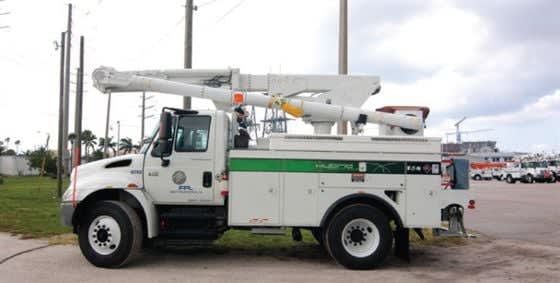
The math is based on a medium-duty PTO-equipped model that burns about 20 gallons of fuel daily. It is also based on FPL trucks typically working considerable overtime during the week, enough to consider the vehicles "six-day-a-week" trucks.
In its cost calculations, FPL also factored a generous estimate of $30,000 for replacing the vehicle's hybrid system batteries after six years, though, Survant says, the utility has no idea how long the batteries will last.
"We have not seen any credible industry numbers (on battery replacement), and, as a measure of prudence, plugged in a fairly large amount of money for their replacement," Survant says.
The utility's conservative cost savings estimate also excluded potential savings on maintenance. Overall, the new technology has proven to be "very good trucks." Survant says one PHEV model has been "working in downtown Miami six days a week since last September and [is] operating flawlessly."
Ultimately, the diesel hybrids, all operating on biodiesel fuel, provide a "very clean environmental footprint, coupled with the additional benefit of a very quiet operation," says Survant.
Originally posted on Automotive Fleet
More Vehicle Research
2026 Ram 1500 Tradesman Put to a Real-World Fleet Test
A few days behind the wheel of a 2026 Ram 1500 Tradesman turned into a test of visibility, parking, work-ready features, and even severe-weather driving.
Read More →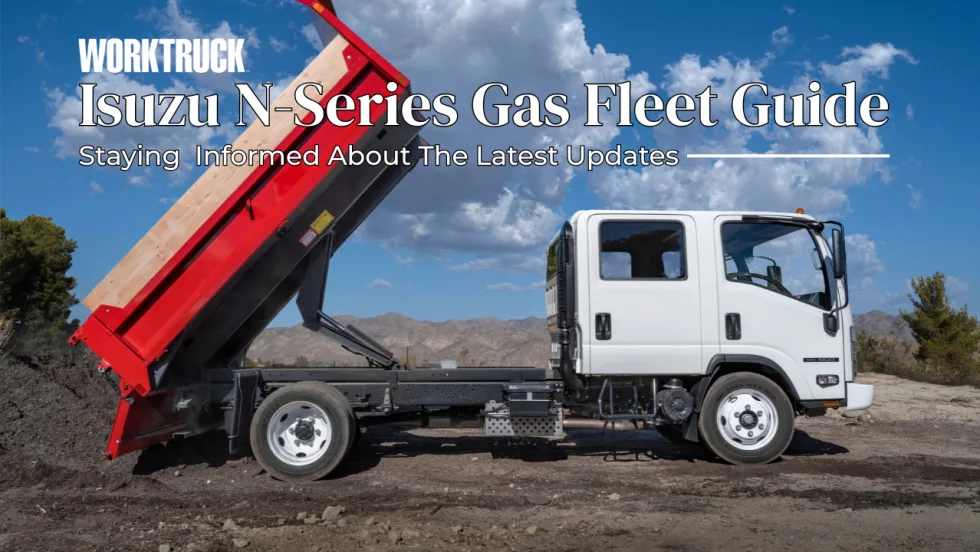
Isuzu N-Series Gas Fleet Guide: Specs, Capability and 2027 Model-Year Updates
Explore Isuzu Truck North America’s N-Series Gas fleet specs, engine performance, GVWR and payload capability, configurations, chassis dimensions, work-focused features, and 2027 model-year information.
Read More →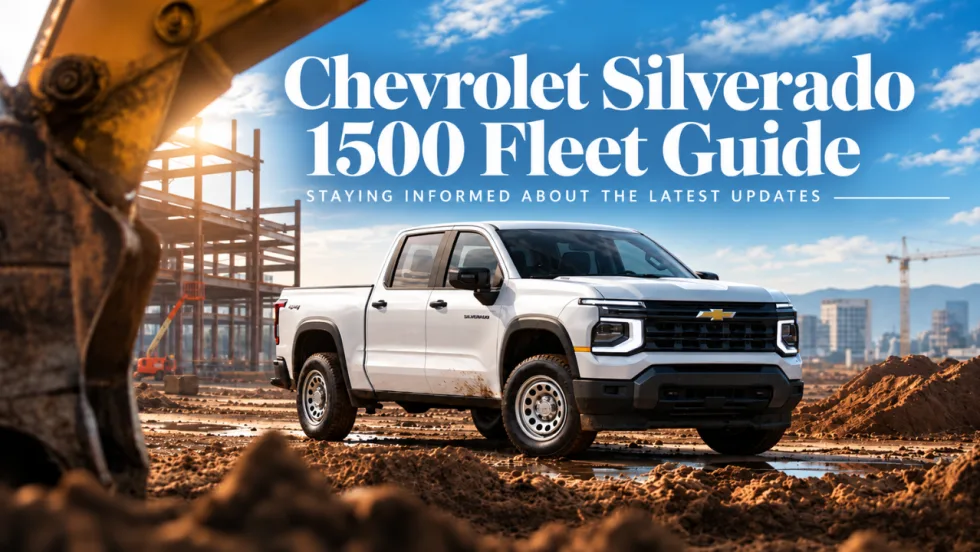
Chevrolet Silverado 1500 Fleet Guide Specs Capability and 2027 Model-Year Updates
The next-generation 2027 Chevrolet Silverado 1500 brings new V-8 engines, updated technology, expanded safety features, and a fleet-focused Work Truck. Here’s what commercial fleets need to know so far.
Read More →
Ram ProMaster City Fleet Guide Specs Cargo Capacity and 2027 Updates
Work Truck’s Ram ProMaster City Fleet Guide tracks the latest specifications, cargo capability, configurations, fleet technology, pricing, and model-year updates for Ram’s mid-size commercial van.
Read More →
Ford F-150 Fleet Guide Specs Capability and 2026 Model-Year Updates
Explore 2026 Ford F-150 fleet specs, engines, towing and payload capability, configurations, work features, technology, and model-year updates.
Read More →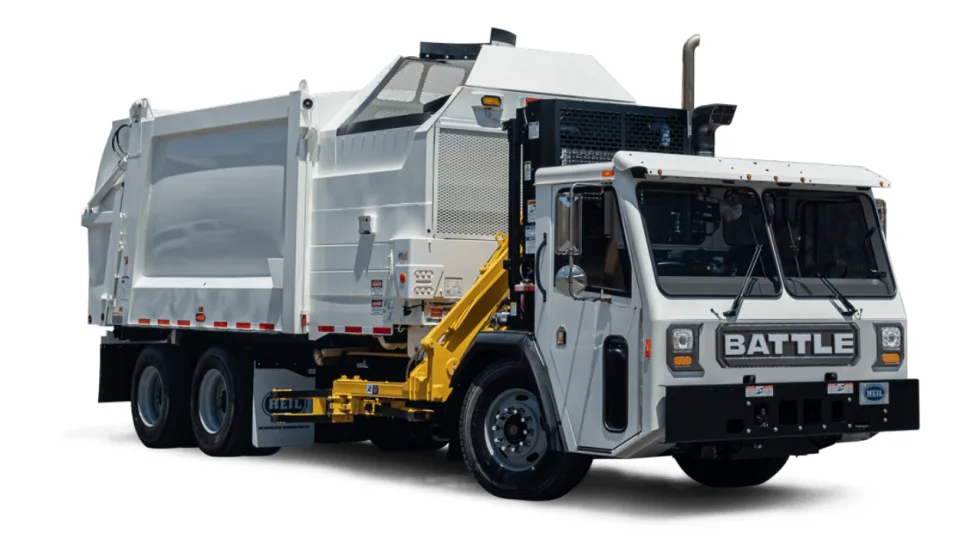
TCI Now Sells & Supports Battle Motors’ Vocational Trucks
Midwest truck dealer Truck Centers, Inc. (TCI) has expanded its transportation solutions with sales and service support for Battle Motors’ heavy-duty vocational trucks at locations in locations in Indiana, Illinois, and Missouri
Read More →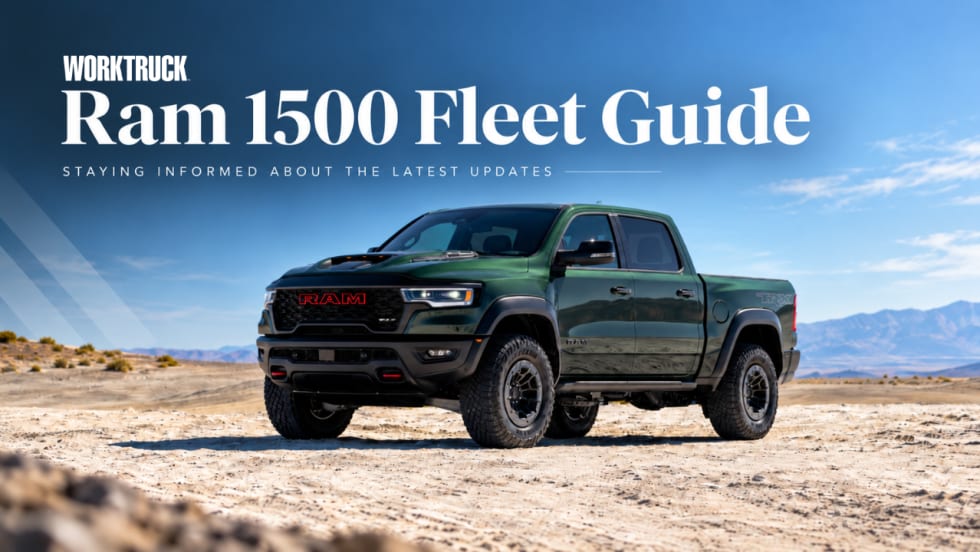
Ram 1500 Fleet Guide Specs, Capability and 2027 Model-Year Updates
Explore always up-to-date Ram 1500 fleet specs, engines, towing and payload capability, configurations, technology, pricing updates, and model-year changes.
Read More →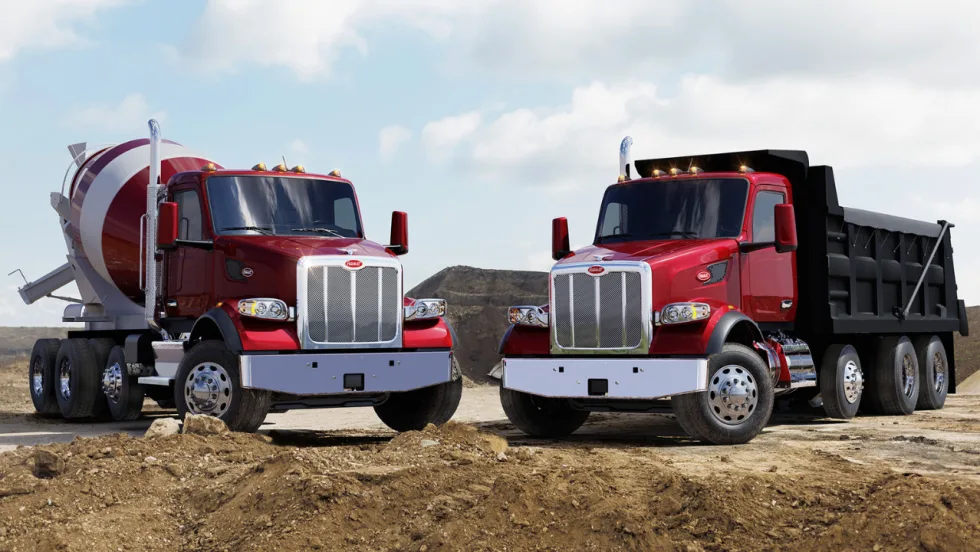
Peterbilt Trucks Equipped with Paccar TX-18 Pro Boost Efficiency for Maryland Fleet
Patuxent Companies is replacing aging trucks with the Peterbilt Model 567 and Model 589, specified with the Paccar TX-18 Pro 18-speed automated transmissions, and is reporting an 8% to 10% improvement in fuel economy.
Read More →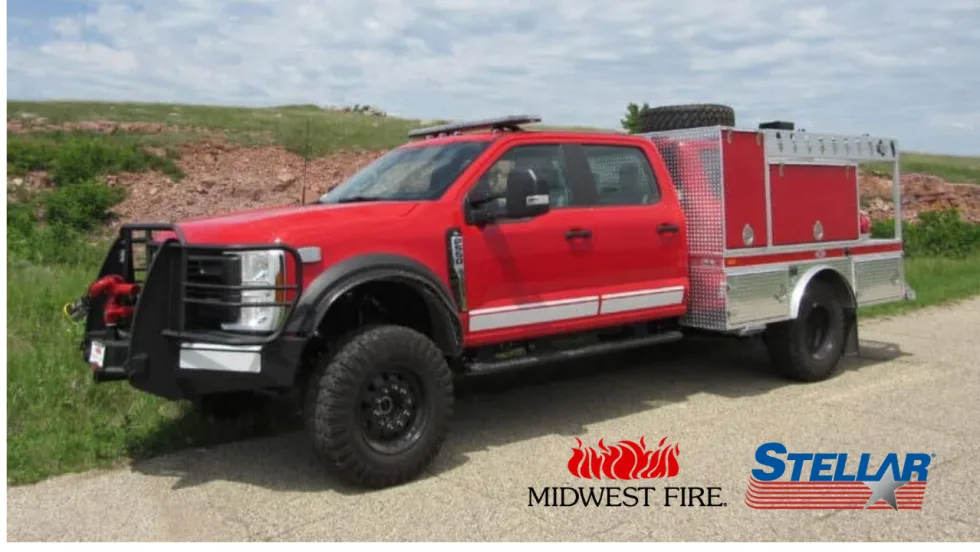
Stellar Expands into Fire Apparatus Market with Acquisition of Midwest Fire
Stellar Industries has acquired Midwest Fire, a custom fire apparatus manufacturer headquartered in Luverne, Minnesota, with nearly four decades of specialized apparatus experience.
Read More →
Recalls You Need to Know About in August 2026
If you have Altec, Chrysler, Ford, Heil, General Motors, International, Mack Trucks, Paccar, Rivian, Royal Truck, Toyota, US Truck Body, or Volvo Trucks vehicles in your fleet, you should check these important recalls issued by the National Highway Safety Administration.
Read More →