




GM Moves to Fill the Cutaway Gap
A new 14,200-lb. GVWR G-Van diesel cutaway chassis expands the platform’s capabilities in the commercial market. Potential uses include commercial trucks, ambulances, and shuttle buses.

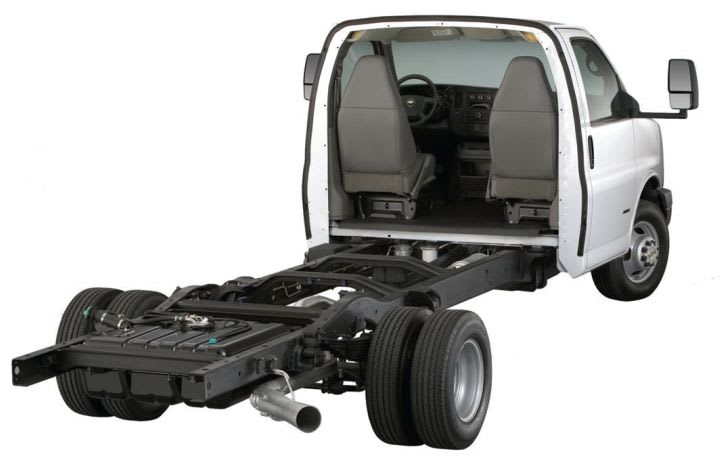
G-Van and 4500 Express/ Savana chassis changes include a reinforced frame assembly with re-valved rear shock absorbers (inset)
Photo: GM
General Motors has moved to fill a market gap with a new 159-inch wheelbase version of the G-Vans, the 4500 Chevrolet Express and GMC Savana, specially developed for the needs of this market. The new chassis will be launched as a 2009-model.
The cutaway van market consists of about 90,000 units, 40% of which fall into Class 4 with GVW ratings of 14,000-16,000 lbs. A little more than half the market is commercial vehicles used for emergency vehicles, airport/hotel shuttles, and student transportation/buses. Other commercial applications include those that require additional GVW and/or heavy duty performance specifications.
The new Class 4 GM cutaway vans provide a high payload capacity and GCW rating, a choice of gasoline or diesel power, and three commercial applications from one chassis, a robust cab design to handle the HD duty cycle, and a 5-year/100,000 mile powertrain warranty.
Most of these vehicles are marketed through specialty vehicle manufacturers (SVMs), who serve as the conduit between GM and end users. They are specially qualified to discuss product features, capabilities, and specifications, provide product comparisons, and recommend specifications.
Two Engines Available
Two engines are available for this chassis, the Duramax 6.6L V-8 diesel and the 6.0L Vortec gasoline engine.
The 6.6L Duramax diesel was updated for the 2007 model-year to meet new stringent federal emissions standards. The 6.0L Vortec includes variable valve timing and offers a 323 BHP output.
Greg Bilski, GM product manager for full-size vans, noted the transmission in the new 4500 cutaway chassis is a GM heavy-duty transmission, not an Allison. "The reason we can’t use the Allison is that it physically doesn’t fit in this application."
He added that for these uses, the chassis is fitted with a 57-gallon rear-mounted fuel tank, providing the range and weight distribution ambulance and shuttlebus markets need. Axle load ratings are 4,600 lbs. front and 9,450 lbs. rear, with dual rear wheels.
Chassis GVWR Increased
A number of chassis changes were required on the chassis to increase the GVWR from 12,300 lbs. to 14,200 lbs. These changes include:
Added frame assembly reinforcements.
A high-capacity rear spring assembly and upgraded rear spring hanger bolt attachments and front ball-joint material.
Retuned front shock absorbers and revalved rear shock absorbers.
Powertrain modifications included a higher-capacity engine cooling radiator, separate transmission fluid cooler, and the heavy-duty GM transmission. The rear axle was upgraded with reinforced housing, gears and tubes, stabilizer bar assembly, and upgraded parking brake system.
The body structure has been upgraded to meet the HD commercial cutaway duty cycle. Inner fender panels, the body outrigger, and the lower tie bar have been improved to meet the HD duty cycle.
This new 4500 Express and Savana will provide customers higher payload at a lower GVWR than the competition, said Bilski.
More Vehicle Research
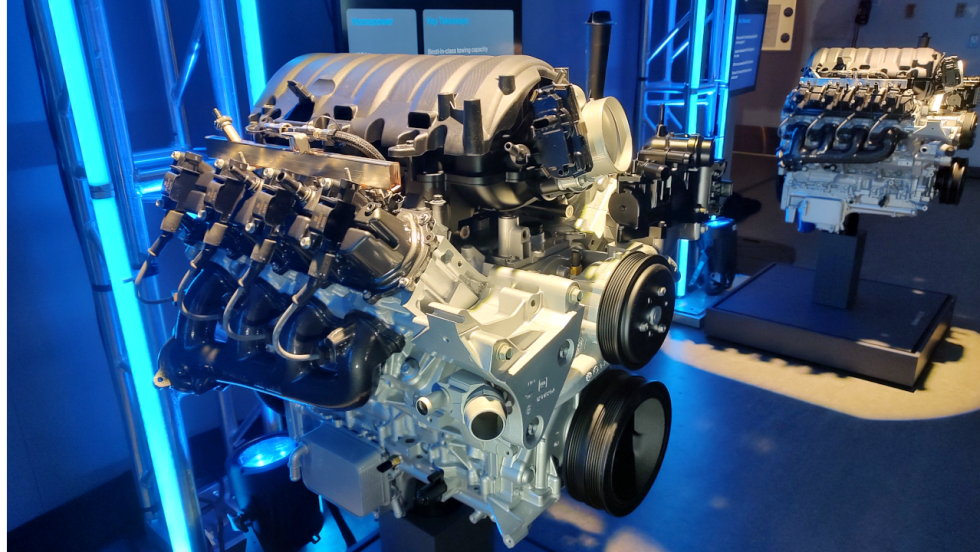
GM Unveils New Sixth-Generation Small Block Engines for 2027 Light-Duty Pickups
General Motors unveiled two new small-block engines, backed by extensive real-world validation and more than 70 years of small-block V8 manufacturing experience, as part of the engine portfolio for the 2027 Chevrolet Silverado 1500 and GMC Sierra 1500.
Read More →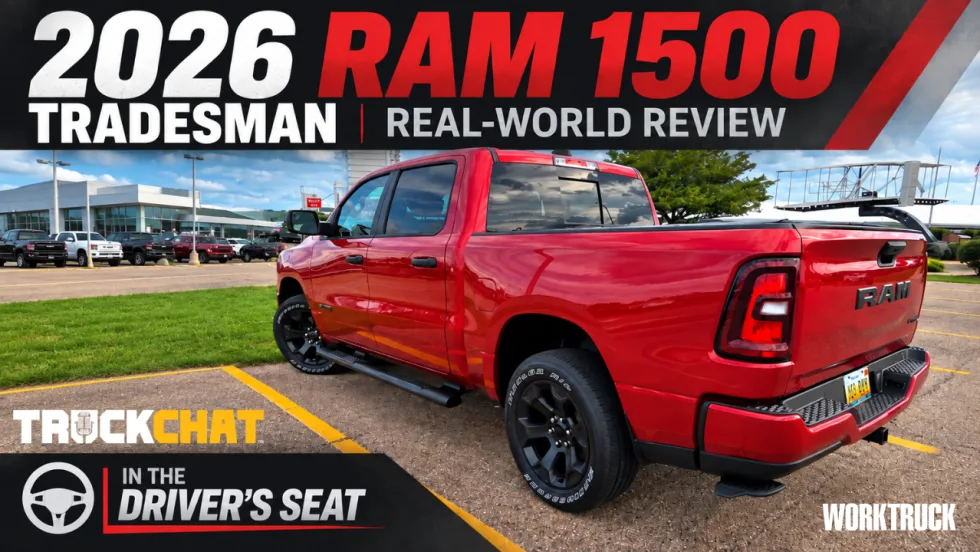
2026 Ram 1500 Tradesman Put to a Real-World Fleet Test
A few days behind the wheel of a 2026 Ram 1500 Tradesman turned into a test of visibility, parking, work-ready features, and even severe-weather driving.
Read More →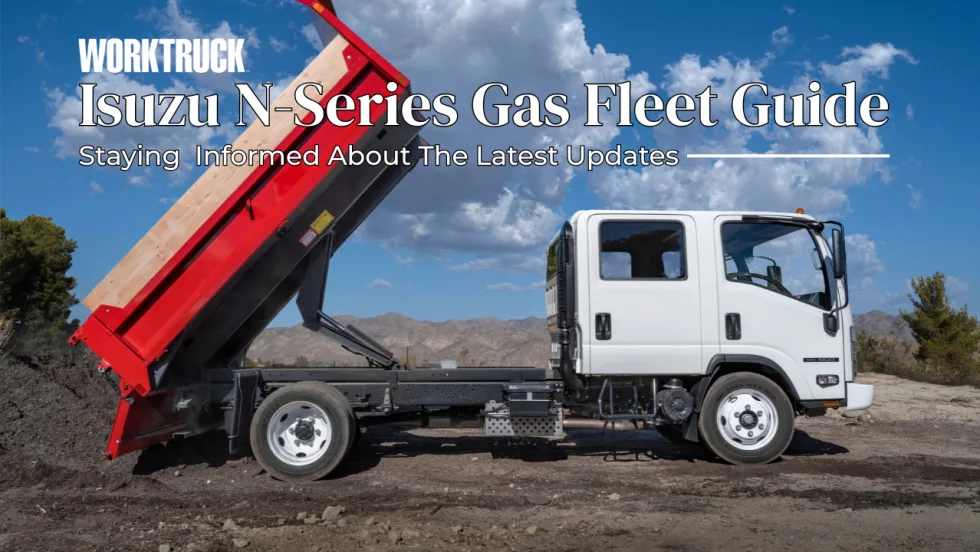
Isuzu N-Series Gas Fleet Guide: Specs, Capability and 2027 Model-Year Updates
Explore Isuzu Truck North America’s N-Series Gas fleet specs, engine performance, GVWR and payload capability, configurations, chassis dimensions, work-focused features, and 2027 model-year information.
Read More →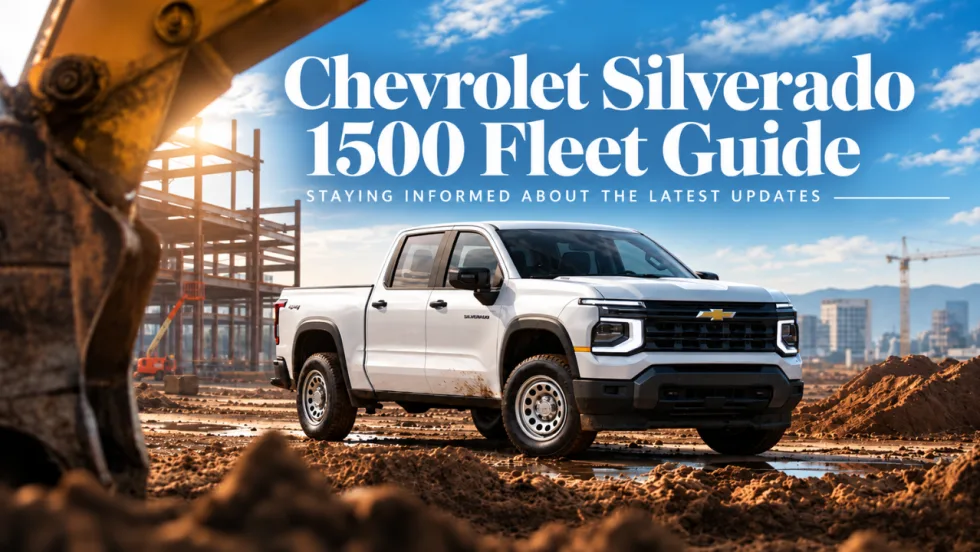
Chevrolet Silverado 1500 Fleet Guide Specs Capability and 2027 Model-Year Updates
The next-generation 2027 Chevrolet Silverado 1500 brings new V-8 engines, updated technology, expanded safety features, and a fleet-focused Work Truck. Here’s what commercial fleets need to know so far.
Read More →
Ram ProMaster City Fleet Guide Specs Cargo Capacity and 2027 Updates
Work Truck’s Ram ProMaster City Fleet Guide tracks the latest specifications, cargo capability, configurations, fleet technology, pricing, and model-year updates for Ram’s mid-size commercial van.
Read More →
Ford F-150 Fleet Guide Specs Capability and 2026 Model-Year Updates
Explore 2026 Ford F-150 fleet specs, engines, towing and payload capability, configurations, work features, technology, and model-year updates.
Read More →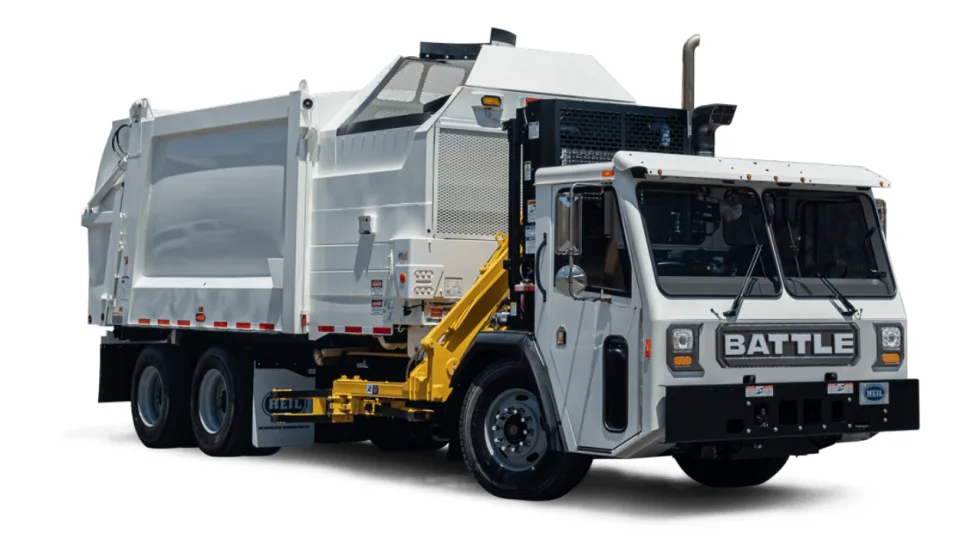
TCI Now Sells & Supports Battle Motors’ Vocational Trucks
Midwest truck dealer Truck Centers, Inc. (TCI) has expanded its transportation solutions with sales and service support for Battle Motors’ heavy-duty vocational trucks at locations in locations in Indiana, Illinois, and Missouri
Read More →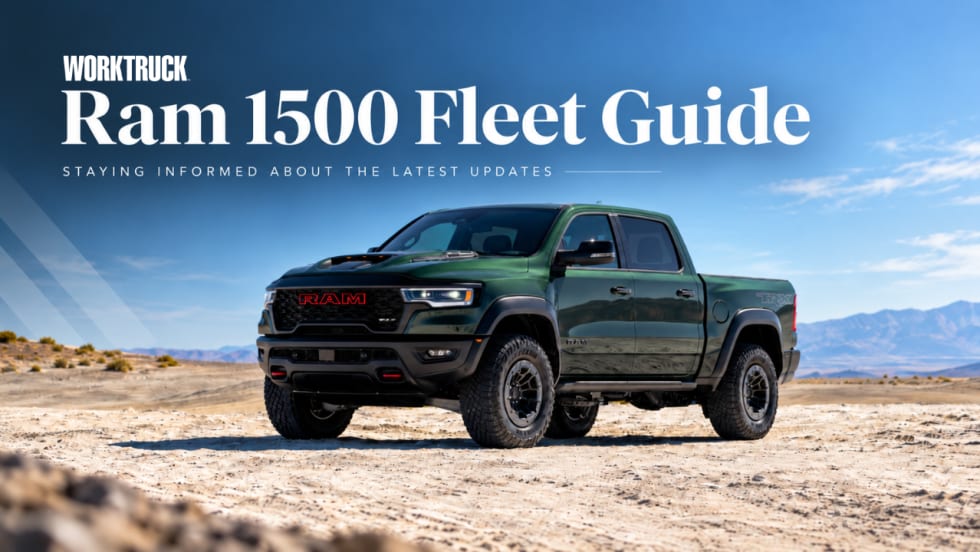
Ram 1500 Fleet Guide Specs, Capability and 2027 Model-Year Updates
Explore always up-to-date Ram 1500 fleet specs, engines, towing and payload capability, configurations, technology, pricing updates, and model-year changes.
Read More →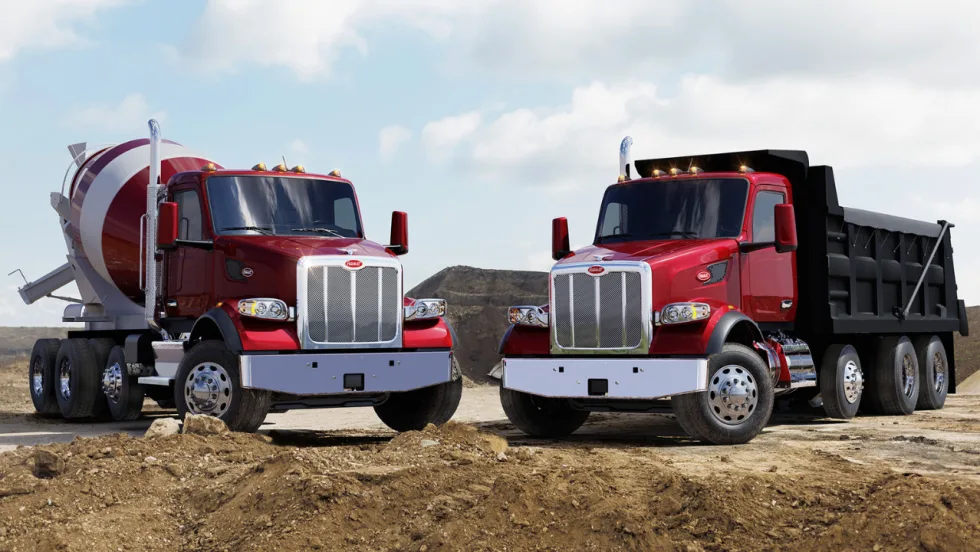
Peterbilt Trucks Equipped with Paccar TX-18 Pro Boost Efficiency for Maryland Fleet
Patuxent Companies is replacing aging trucks with the Peterbilt Model 567 and Model 589, specified with the Paccar TX-18 Pro 18-speed automated transmissions, and is reporting an 8% to 10% improvement in fuel economy.
Read More →
Stellar Expands into Fire Apparatus Market with Acquisition of Midwest Fire
Stellar Industries has acquired Midwest Fire, a custom fire apparatus manufacturer headquartered in Luverne, Minnesota, with nearly four decades of specialized apparatus experience.
Read More →