





Want More? Cedar Run Construction Replaces Telehandler Fleet with Self-Erecting Crane
Getting a Lift
When the job requires being up high or having to pick up a heavy item off the ground, lift trucks, crane trucks, and bucket trucks make it far easier and safer to get the work done without muscle strain or worse hazards.
September 1, 2007

For anything that requires an operator or a technician to get up high, a truck can be equipped with a crane or a lift to make the job easier and safer.
Photo: Heye Jensen/Unsplash
3 min to read
Not long ago, if a crew had to go out and string a cable on miles of poles, and even had to put the poles in the ground, it meant a lot of heavy-duty grunt work. Dig the holes, muscle the poles off the carrier, insert them in the holes, push them upright, then climb up to string the cables. This practice is uncomfortable at best, highly dangerous at worst.
Other types of “high-up” jobs were just as bad. Trimming the tops of trees to keep them from weighing on power or communication lines, hanging banners from street lights, repairing power lines, and building communication antennas all required climbing ability on the part of technicians who faced considerable danger of falling, electrocution, and other life-threatening issues.
Today, these types of jobs are much easier. In fact, for anything that requires an operator or a technician to get up high, a truck can be equipped with a crane or a lift to make the job easier and safer.
Two Equipment Types Available
Both lift and crane devices are self-contained machines and truck-mounted units. Self-contained units are carried to the job site on a truck, and once off-loaded can be motored slowly around the site to reach specific work locations. The lift devices, sometimes called bucket trucks, are units that lift people directly to where the work is done. Crane devices lift objects that need to be worked on. Whether truck-mounted or self-contained, the devices are similar, differing mainly in what is on the end of the lift boom — either a lifting tackle or a work platform.
Depending upon its size, a lifting device can be installed on almost any size truck from a pickup or van to a dedicated heavy-duty flatbed. The size of the carrying vehicle is determined by the length of reach of the boom and the amount of overall weight the boom will have to carry.
With devices designed for everything from six-foot to 150-foot extensions, many choices are made before settling on the lift device or crane right for the jobs you have to do.
The smallest units are designed to fit onto the rear of a service body on a pickup chassis or onto the rear of a fullsize van. They increase in size to units that require a tandem-axle or even triple-axle rig to carry them. In both crane and bucket types, units are categorized by the lift distance, extension distance, and the load that can be hung from the end of the boom.
An offshoot is the tire service truck, which has a small crane on a service body to allow technicians to hoist and move the heavy wheels and tires found on over-the-road trucks and construction machinery. These differ from others in that the crane does not have a high lift, and it is usually installed at the front of the service body rather than the rear.
Booms Do Actual Lifting
Several types of booms do the actual lifting. Most cranes and lifts have a straight boom mounted on a swivel base. However, some feature a jib, or articulated boom, that can be extended from the main boom to reach closer into the work area.
Booms can be raised and extended by hydraulic rams or electric motordriven cables. For use in hazardous environments, such as near high-voltage electrical lines, insulated units are available. Otherwise, manufacturers say that un-insulated booms should not be used within 30 feet of a high-voltage electrical source.
Subscribe to Our Newsletter
More Maintenance
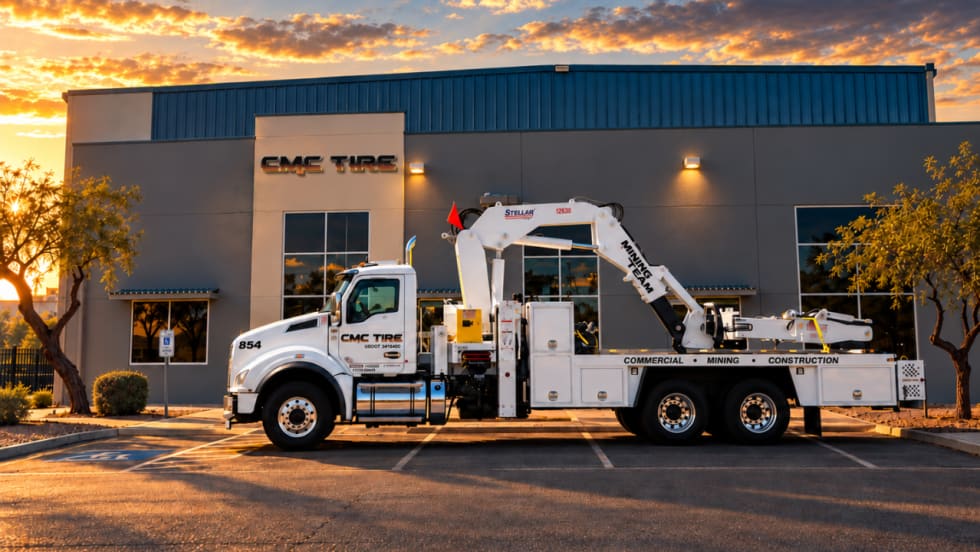
Les Schwab Expands Commercial Tire Footprint Into Arizona
Les Schwab Tires has expanded into Arizona with two commercial tire locations in Phoenix and Tucson, strengthening its fleet service footprint in the Southwest.
Read More →
Volvo Trucks’ 'Lock and Leave' Software Updates Go Live Across North America
Unattended over-the-air software updates are now available in Volvo trucks across the U.S. and Canada. The new capability lets trucks stay current with the latest software without interrupting operations or requiring a dealership visit.
Read More →
Why Technician Appreciation Can’t Be a Once-a-Year Thought
For fleets trying to keep skilled technicians, recognition cannot begin and end with Technician Appreciation Week. Learn what year-round appreciation really looks like and why the everyday technician experience matters just as much as pay when fleets are trying to keep good people.
Read More →
How Faster Driver Reporting Can Keep Small Truck Problems Small
When minor damage, warning lights, or equipment issues are reported late, small problems can quickly become bigger maintenance headaches. Conversational AI can help shorten the path from what a driver notices in the field to the person who can act on it.
Read More →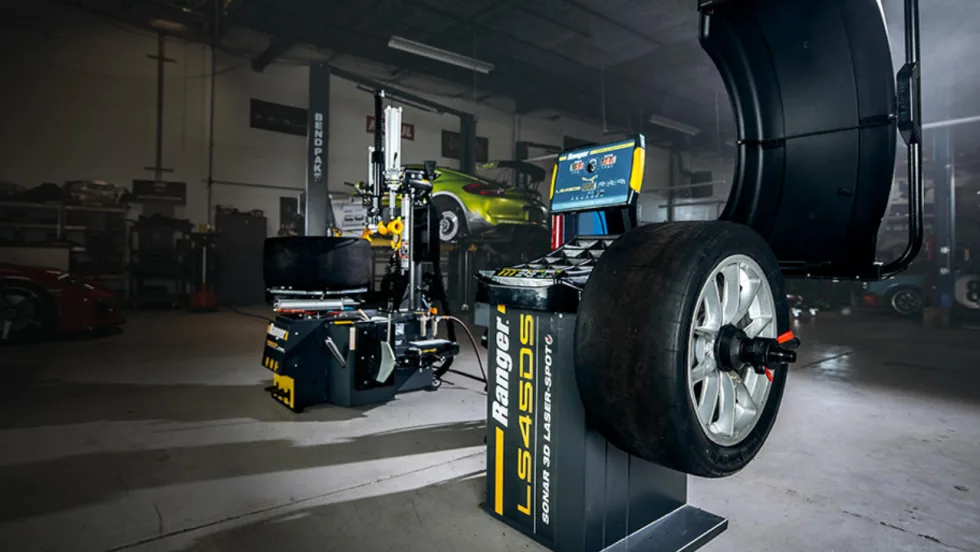
BendPak’s Ranger Wheel Service Equipment Achieves North American Safety Certification
BendPak’s full line of Ranger tire changers and wheel balancers has been ETL certified to UL and CSA standards to improve operator safety.
Read More →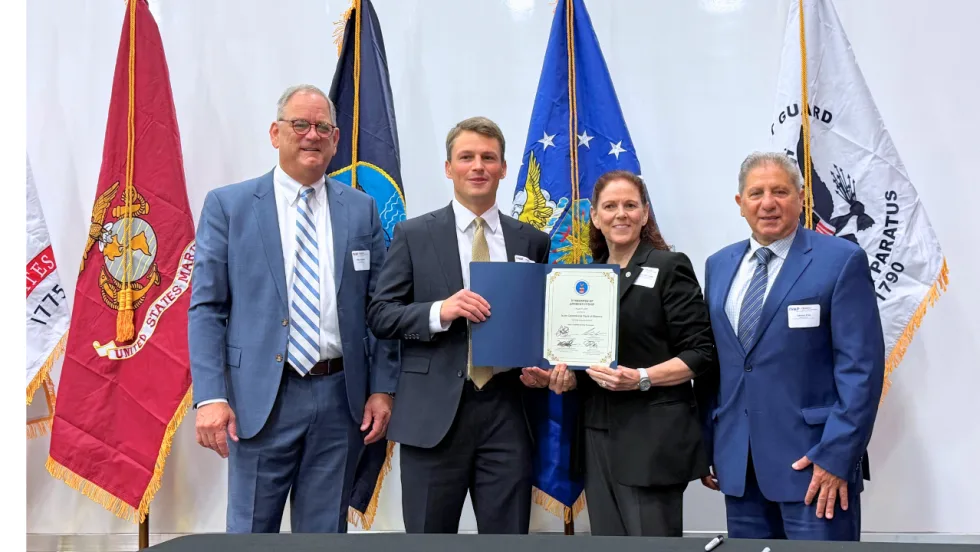
Isuzu & U.S. Department of Labor Celebrate Milestone for Veterans Apprenticeship Program
The Isuzu Veterans Apprenticeship Program (IVAP) signing ceremony highlighted Isuzu’s long-term commitment to veterans, Isuzu dealers, and the skilled workforce supporting its customers and the commercial transportation industry.
Read More →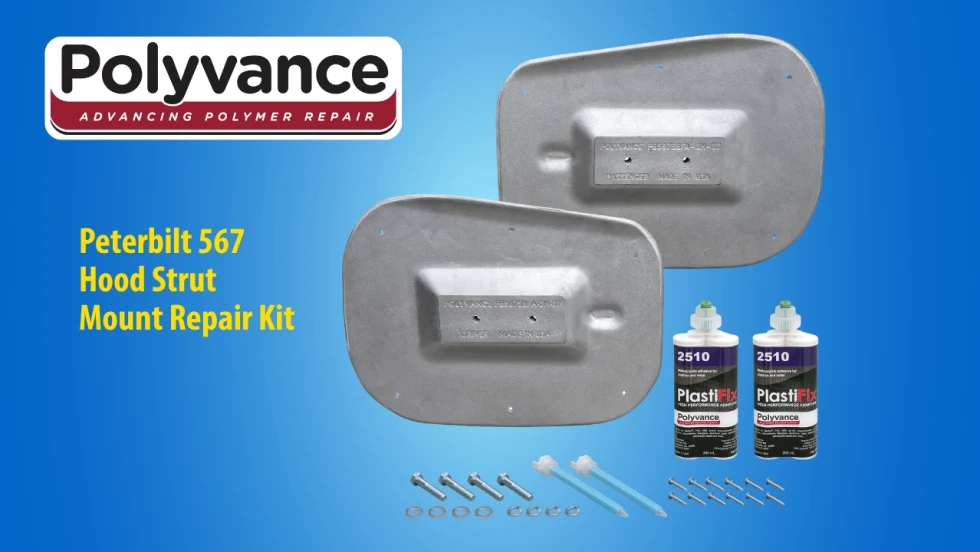
Polyvance Introduces New Peterbilt 567 Hood Strut Mount Repair Kit
Polyvance has launched a repair solution for Peterbilt 567 hood struts, helping truck owners and repair facilities avoid costly hood replacements.
Read More →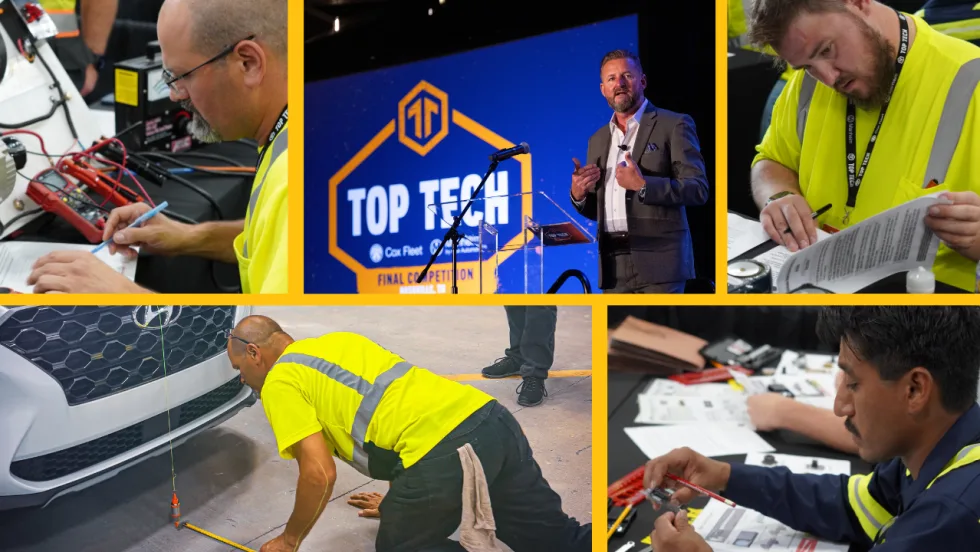
Cox Automotive Celebrates Technical Excellence at 2026 Top Tech Finals
The top technicians from Cox Fleet and Manheim tested their skills in Nashville, Tennessee, at Cox Automotive’s 2026 Top Tech Finals. The overall winners will advance to compete at the American Trucking Association’s TMC SuperTech competition.
Read More →
Grote Industries Appoints Vice President of North American Operations
Grote Industries has appointed Patrick Smith as vice president of North American operations as it celebrates 125 years of innovation and manufacturing excellence. He has more than 20 years of manufacturing leadership experience.
Read More →
Winter Fleet Prep: Expert Tips to Keep Vehicles Running Smoothly
Cold weather can expose weak batteries, tires, fuel systems, and maintenance gaps fast. Use this winter fleet checklist to prepare trucks and drivers before temperatures drop.
Read More →