




General vs. Specialty Selector: Pros & Cons
Specialty selectors — vehicles chosen and equipped to meet specific job or geographic needs — have been used for years. Some companies are moving away from them. Is it a good idea?

Vehicle selection is a core process in successful fleet management. Choosing the right vehicle and the right equipment for both the job and the terrain can ensure an efficiently operated and managed company fleet.
For a long time, fleet managers used an exception-based selector system for special applications. Unusual terrain or geography, carrying requirements, and other criteria led to variations in the overall fleet selector. However, some fleets have begun to move away from such exceptions to maintain a single selector. The reasons for such decisions can be debated and better decision-making can result.
Exceptional Situations Lead to Specialty Selectors
What are these "special" circumstances that often lead fleet managers to choose special selector applications? There are several:
Geography. In geographically spread fleets, not all vehicles operate in the same terrain. Even within a single state, there may be flatlands, mountains, open roads, and city driving. Each condition carries specific vehicle requirements and may be better served with vehicles and equipment chosen for the specific geography.
Weather Conditions. Driving in and around San Diego is very different from driving in the Rocky Mountains, which is different from driving in the Sonoran Desert. Extremes in temperature and weather can be better dealt with when specialty vehicles are used.
Load Capacity. Some vehicles carry only people, others carry only product and equipment, and still others carry both. Matching a vehicle to the mission is a tried-and-true method for fleet managers to maximize job performance.
Weather, extreme terrain, and load-carrying requirements — these and other exceptions include special, often unusual needs, and sometimes a fleet manager finds it necessary to approve specialty vehicle selections to meet those needs.
Two Types of Selectors Offer Flexibility
There are two major types of specialty vehicle selectors:
Within a standard selector, specialty vehicles can be added. The selector doesn’t change, but within a level or levels, specialty vehicles can be assigned.
A specialty selector entirely separate and apart from the general selector is created.
As an example of the first type, say a fleet has 500 vehicles and the selector is mostly homogenous. All are sales vehicles assigned to field sales personnel. Four-door sedans predominate in the general selector.
However, salespeople in mountainous areas of the Rockies and other rugged terrain must contend with severe winter conditions and steep, winding roads. When a supervisor submits a request within the general selector, the fleet manager might make available a 4WD vehicle that can handle such conditions.
Now consider that, rather than dealing with exceptions on a case-by-case basis, the fleet manager establishes a specialty selector, one which contains vehicles chosen for specific regions and conditions: a "mountain" selector or "winter" selector. Positions that choose from the specialty selector are pre-approved and do not require any specific authorization.
These are two scenarios in which a specialty selector can be useful. However, the question arises: why wouldn’t a fleet manager address such exceptional use? The answer lies in a sea change in how and where the company treats fleet management.
[PAGEBREAK]
Sourcing Influence Growing Over Fleet Acquisition Process
Over the past five years or so, the fleet industry has experienced a change in how fleet services, vehicles, and programs are approved and acquired. In the past, the fleet manager was the focal point of fleet decision-making. Today, a growing influence has been exerted by sourcing, purchasing, or procurement staff.
This new influence has changed, dramatically in some cases, how suppliers and product are chosen. The change has been manifested in vehicle selectors. A sourcing professional’s performance is judged primarily on pricing and the ability to leverage the company spend to reduce the prices of products and services. Unfortunately, a lack of specific fleet experience and expertise can result in unintended consequences.
Fleet managers know that matching the vehicle to the mission is the most critical component of efficiency. Operating costs and resale value are both direct results of choosing the right vehicle and equipment. Not all manufacturers have applications for every fleet needs. Such can be the case with specialty selectors.
Take the 500-unit sample fleet previously described. If 50 or so vehicles operate in severe conditions, the manufacturer of the four-door sedan that makes up the bulk of the fleet may not have a 4WD application suitable for drivers who need power and traction to deal with steep roads and heavy snow. Sourcing would not know (nor, unfortunately, might they care) of this need. Negotiating price with a manufacturer requires maximum volume to obtain full leverage. This preference for volume precludes the use of a specialty selector in either method outlined. Using a different vehicle manufacturer for specialty applications reduces price negotiation leverage.
Fleet managers are generally open to specialty selectors, or at least specialty vehicles provided on a case-by-case basis. They know including such vehicles in the fleet makes economic sense.
Projecting Costs Can Make the Case
What, then, are the costs if the fleet manager is overruled by sourcing when specialty vehicles are considered? Take, for example, the extreme winter/mountainous terrain scenario. The fleet manager might consider a larger, more powerful vehicle a more cost-efficient option than an underpowered, standard, four-door sedan selection. However, sourcing, disagrees, holding that fewer orders for the sedans reduces negotiated "rifle-shot" money.
If the projected new model-year order was 250 units, and a total of 50 qualify for the specialty selection (say a compact SUV), what kind of arithmetic would demonstrate the impact? A popular mid-sized four-door sedan used in many fleets has a combined EPA mileage of 20 mpg. To better handle snowy, mountainous terrain, the same manufacturer has an AWD wagon with a small eight-cylinder engine that pulls down a combined 18 mpg.
The fleet manager must determine what the reduction, if any, in fuel efficiency would be if the sedan were used, as well as how the unit would perform on a snowy road in the mountains. Clearly, there would be some effect, as the sedan’s six-cylinder engine labors on such steep roads. If the increase in fuel expense is greater than additional rifle-shot money that sticking with the general selector generates, the economics point to using the specialty vehicles.
The decision isn’t merely one of dollars and cents. Even if the increased fuel costs are absorbed by additional pricing leverage, putting a driver in an underpowered vehicle to navigate steep roads or snowy weather can reduce productivity and hurt driver morale, not to mention risking unsatisfied customers waiting for product or service.
The point is that although job titles and responsibilities may be the same, the mission may be different. Before any other fleet management task can even begin, the right vehicle for the mission must be chosen. When sourcing or purchasing is involved in the selection decision, this critical first step is often overlooked, as cost becomes paramount. What other commodity would the company buy without giving foremost consideration to the job to be done? There is nothing wrong with leveraging the company’s purchasing power to the maximum possible extent. However, buying what is needed to do the job within that goal is the right way to do it.
[PAGEBREAK]
No Single Answer to the Selection Question
As with most debates in the fleet industry, there may be no single answer to the question of whether a general or specialty selector is best. The answer depends upon the individual circumstances. Relatively few fleets are entirely homogenous, i.e., all sales sedans or all service vans. Even for those few homogenous organizations, the kinds of differences discussed previously may be present: different terrain, geography, or weather conditions. Each difference most often can be addressed best by making even subtle changes in the standard vehicle.
As in any fleet management function, fleet managers should develop a selector that provides the most cost-efficient result.
Research the full range of fleet vehicle missions. Know what vehicles will be tasked to accomplish, where, and under what conditions. Include management from all disciplines (sales, service, etc.) in that research. Time permitting, spend a few days in the field with drivers to better understand their job and how they must do it.
Review manufacturer options in light of research results. Determine which vehicles best accomplish what mission, in what area, and subjected to what kind of weather conditions.
Discuss selections with each manufacturer. Determine available fleet and rifle-shot incentives.
In other words, the question of whether specialty selections are useful and successful is simply a matter of going through the normal vehicle selection process.
When sourcing or purchasing is involved, it is critical to note in detail why selections must be made. Include the research described, such as why a smaller vehicle or drivetrain will actually result in costing the company more money, despite lower up-front costs, so that the "cost is king" point of view doesn’t prevail in the decision.
One final note: it is often useful not only for discovery purposes, but also to help keep relationships with other departments running smoothly, to at least test both vehicle options in the field. If, for example, the fleet manager believes drivers in mountainous regions require larger vehicles with more powerful drivetrains, but the sourcing department wants to maximize volume leverage with a four-door sedan, put some of both vehicles into service. Closely track maintenance and repair costs, fuel efficiency, and ultimately final lifecycle costs. The results will prove weighty evidence for one choice over the other.
Originally posted on Automotive Fleet
More Vehicle Research
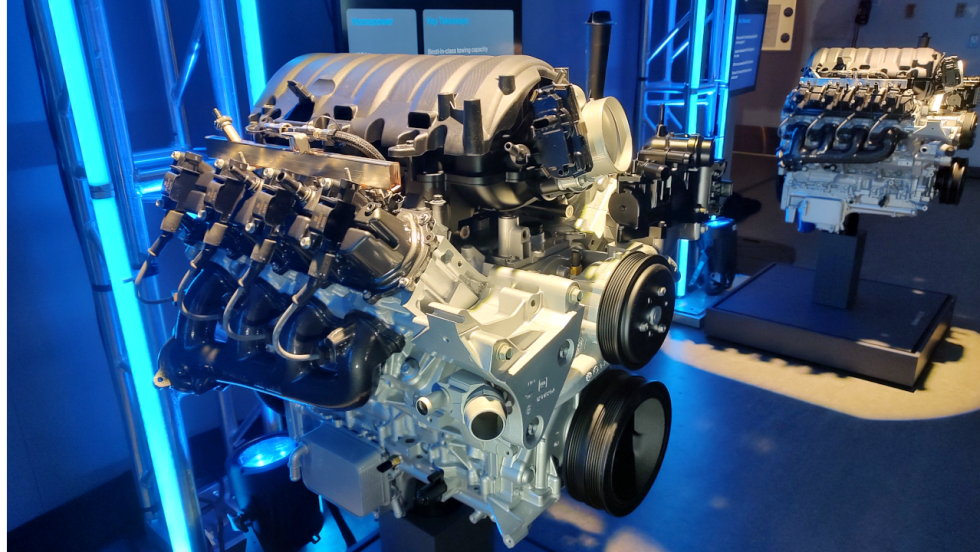
GM Unveils New Sixth-Generation Small Block Engines for 2027 Light-Duty Pickups
General Motors unveiled two new small-block engines, backed by extensive real-world validation and more than 70 years of small-block V8 manufacturing experience, as part of the engine portfolio for the 2027 Chevrolet Silverado 1500 and GMC Sierra 1500.
Read More →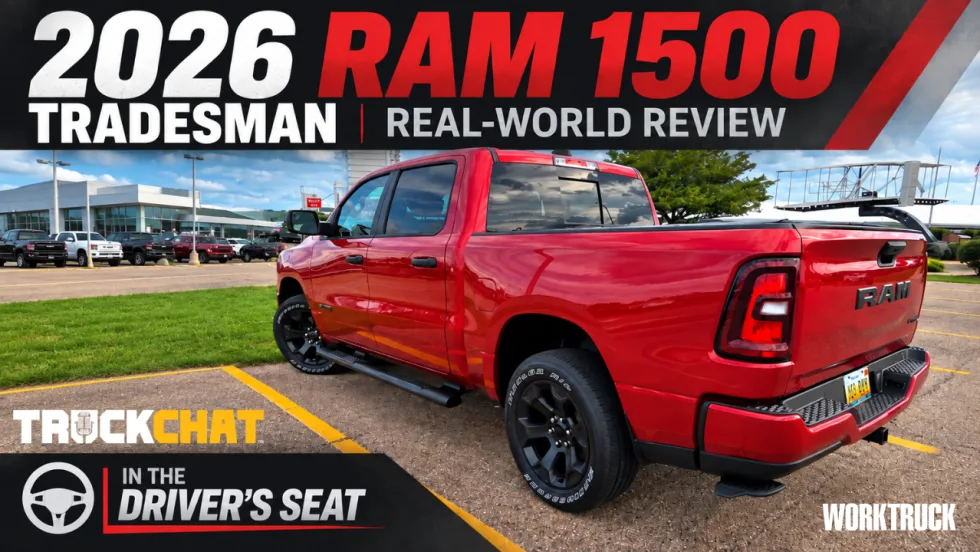
2026 Ram 1500 Tradesman Put to a Real-World Fleet Test
A few days behind the wheel of a 2026 Ram 1500 Tradesman turned into a test of visibility, parking, work-ready features, and even severe-weather driving.
Read More →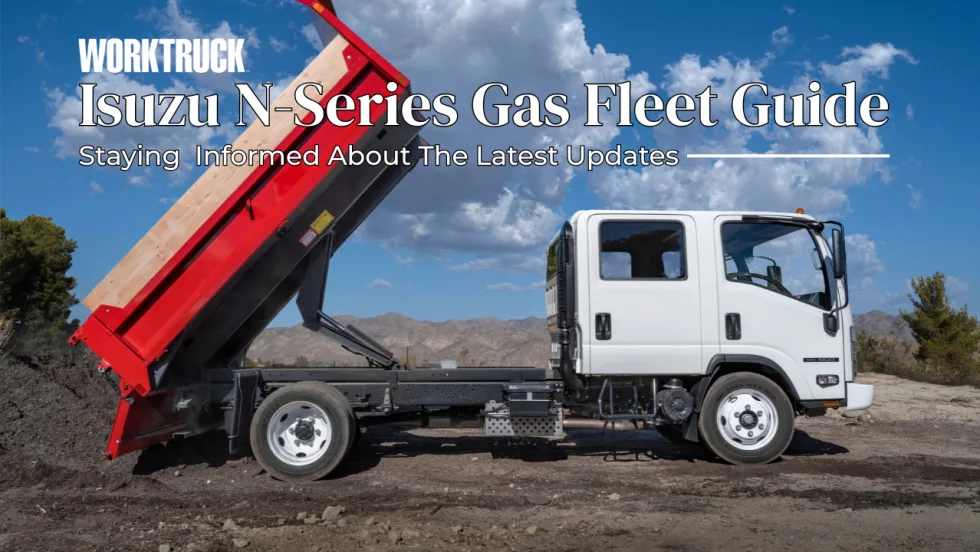
Isuzu N-Series Gas Fleet Guide: Specs, Capability and 2027 Model-Year Updates
Explore Isuzu Truck North America’s N-Series Gas fleet specs, engine performance, GVWR and payload capability, configurations, chassis dimensions, work-focused features, and 2027 model-year information.
Read More →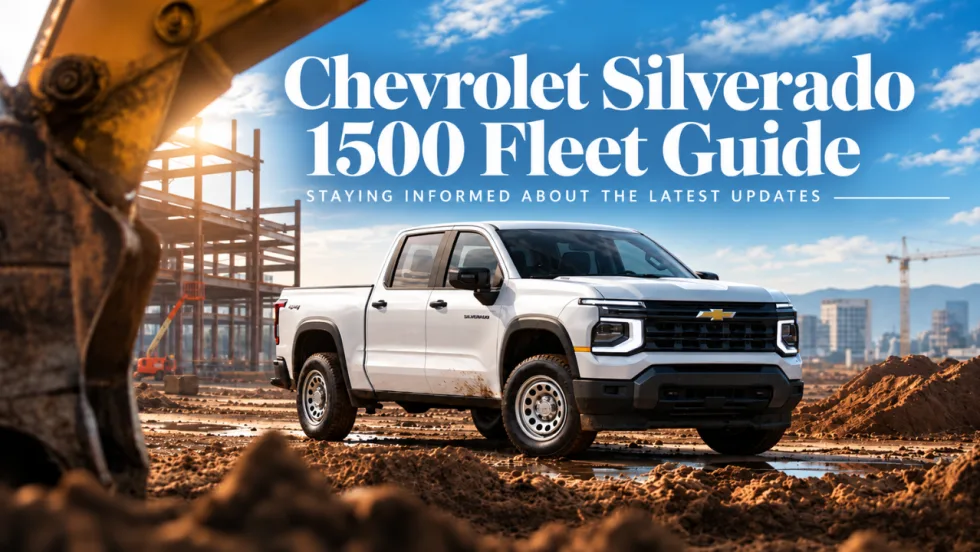
Chevrolet Silverado 1500 Fleet Guide Specs Capability and 2027 Model-Year Updates
The next-generation 2027 Chevrolet Silverado 1500 brings new V-8 engines, updated technology, expanded safety features, and a fleet-focused Work Truck. Here’s what commercial fleets need to know so far.
Read More →
Ram ProMaster City Fleet Guide Specs Cargo Capacity and 2027 Updates
Work Truck’s Ram ProMaster City Fleet Guide tracks the latest specifications, cargo capability, configurations, fleet technology, pricing, and model-year updates for Ram’s mid-size commercial van.
Read More →
Ford F-150 Fleet Guide Specs Capability and 2026 Model-Year Updates
Explore 2026 Ford F-150 fleet specs, engines, towing and payload capability, configurations, work features, technology, and model-year updates.
Read More →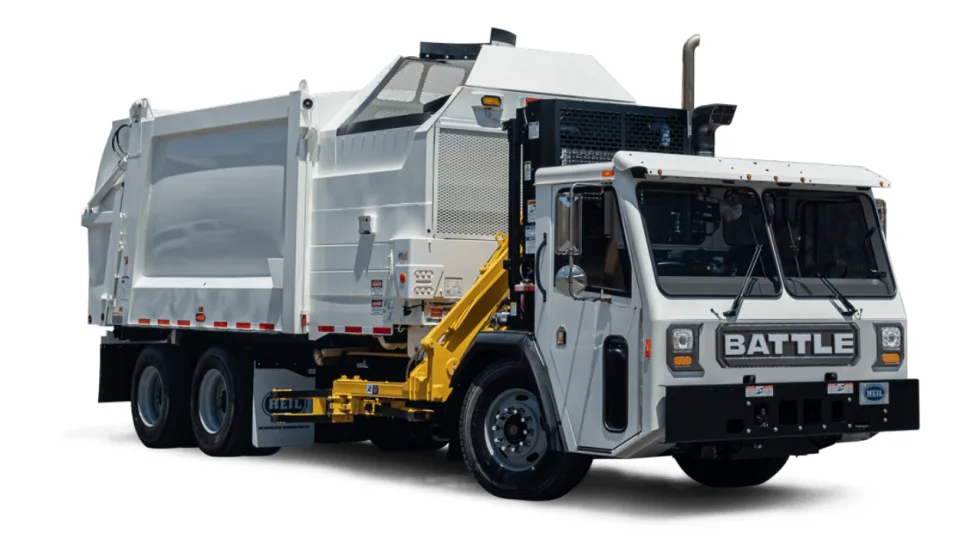
TCI Now Sells & Supports Battle Motors’ Vocational Trucks
Midwest truck dealer Truck Centers, Inc. (TCI) has expanded its transportation solutions with sales and service support for Battle Motors’ heavy-duty vocational trucks at locations in locations in Indiana, Illinois, and Missouri
Read More →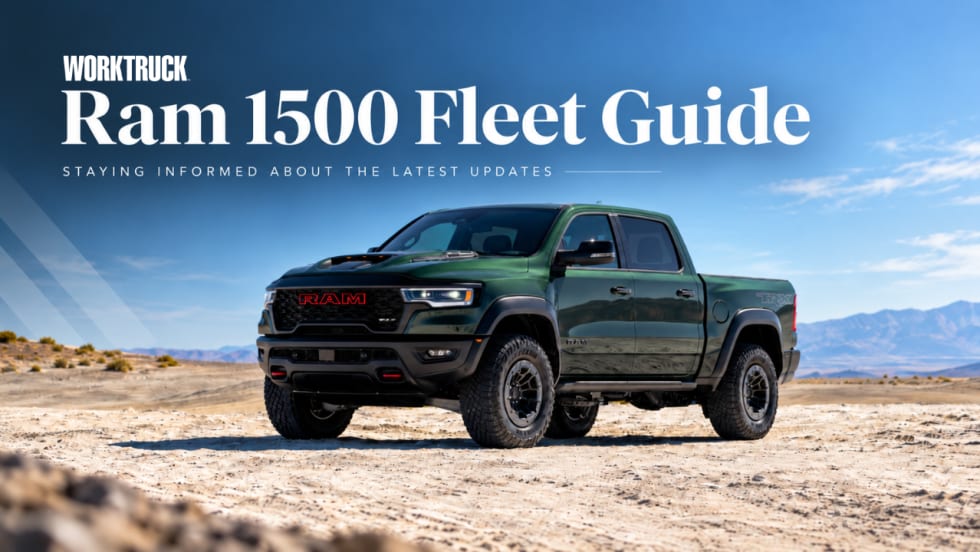
Ram 1500 Fleet Guide Specs, Capability and 2027 Model-Year Updates
Explore always up-to-date Ram 1500 fleet specs, engines, towing and payload capability, configurations, technology, pricing updates, and model-year changes.
Read More →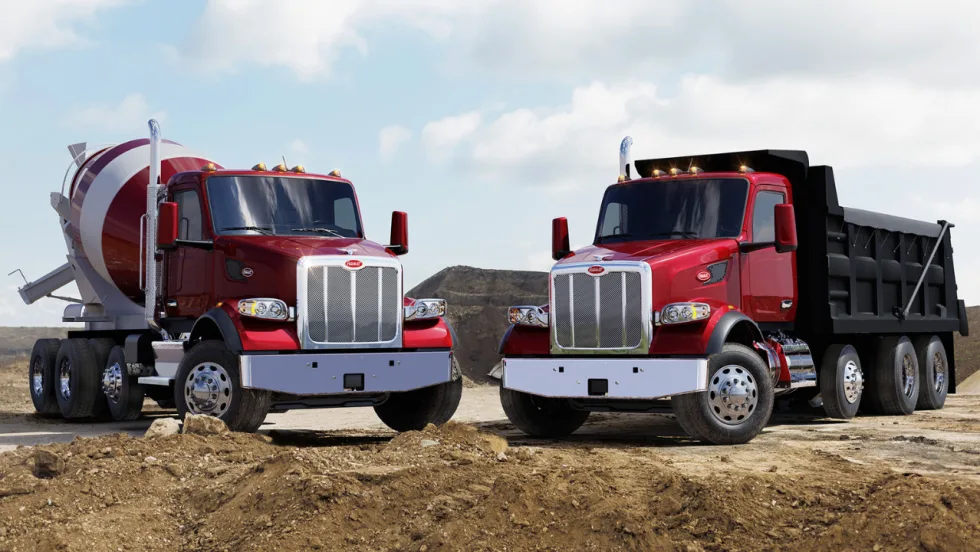
Peterbilt Trucks Equipped with Paccar TX-18 Pro Boost Efficiency for Maryland Fleet
Patuxent Companies is replacing aging trucks with the Peterbilt Model 567 and Model 589, specified with the Paccar TX-18 Pro 18-speed automated transmissions, and is reporting an 8% to 10% improvement in fuel economy.
Read More →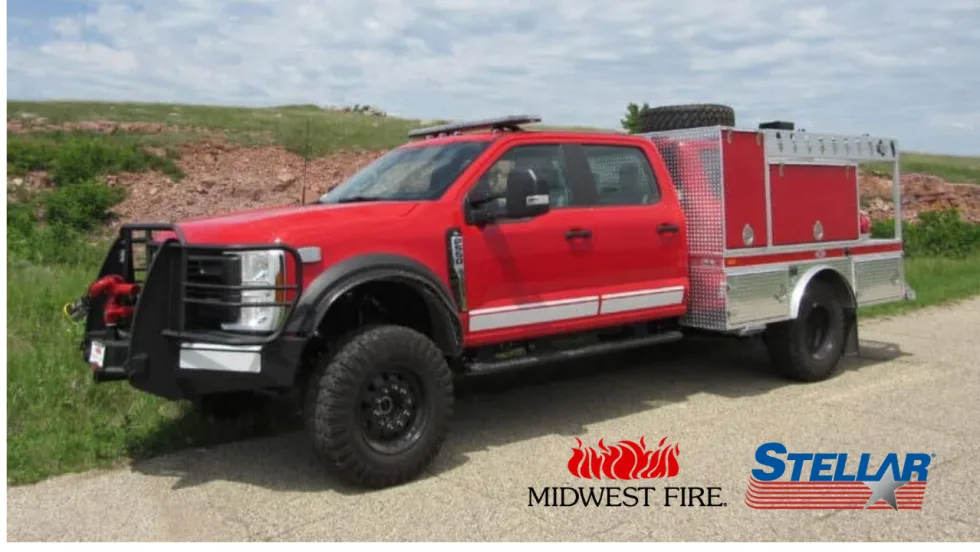
Stellar Expands into Fire Apparatus Market with Acquisition of Midwest Fire
Stellar Industries has acquired Midwest Fire, a custom fire apparatus manufacturer headquartered in Luverne, Minnesota, with nearly four decades of specialized apparatus experience.
Read More →