




Gas vs. Hybrids: Which is Better Suited for Your Fleet?
When considering the addition of hybrid vehicles to fleet, it’s important to make sure the financial aspects of these eco-friendly models meet your specific needs without going over budget.


Vincentric, a privately held automotive data compilation and analysis firm, performed a "fleet-centric" lifecycle cost analysis on hybrid models and their gasoline counterparts at three and five years. The company calculated 20,000 annual miles and gasoline prices as of May 2010. As this is strictly a cost calculation, hybrid availability for specific models is not taken into account.
Lowest Costs Per Mile
Hybrids beat out gasoline models when it comes to lowest cost per mile (cpm) over a longer time period, but just slightly.
Taking a top spot on the list after both three- and five-year periods, the Honda Insight EX, a dedicated hybrid vehicle, ties with the gasoline-powered Toyota Corolla LE to offer the lowest cpm at $0.28 after three years - and then passes up the Corolla after five years, dropping one penny to $0.27 cpm.
While not first place after five years, the Corolla still offers some competition for hybrids, coming in at $0.28 cpm along with the Honda Civic Hybrid and the Toyota Prius II. In addition to the Insight, these vehicles offer fleets the lowest cpm.
Luxury models appear to operate at a higher cost per mile, with cpm for the Lexus LS 600h L, a hybrid, totaling $1.11 after three years for the highest expense, and then retaining that spot after five years but dropping to $0.97. The Mercedes-Benz S550 follows at $0.94 cpm in the three-year period, and then increases to $0.97 after five years.
When comparing all models across the board with their hybrid counterparts, the majority of gasoline models were just a few cents less per mile after three years. After five years, hybrids became the more economical choice, but also by just a slight difference of 3 cents or less, with several matching up in costs. The largest difference between traditional and hybrid vehicles was by far the Lexus LS 460 L and the comparable LS 600h L, which was 23 cents more. None of the other models even reached a double-digit difference, with most no more than 4 cents higher.
Checking Fuel Economy
Overall, the Toyota Prius II is the most fuel-efficient vehicle, offering 51/48 mpg city/highway. The Ford Fusion Hybrid is the next overall most fuel-efficient vehicle at 41/36, but costs $0.10 more per mile after both three and five years than the Insight, Corolla, and Civic Hybrid - those offering the lowest cost per mile. The Honda Civic Hybrid comes in next at 40/45 mpg city/highway among these models.
Consider the Value
While hybrids often get a bad reputation for "hefty price tags," the results of Vincentric's analysis show costs per mile definitely provide a case for looking into these eco-friendly vehicles. Hybrids fall within a reasonable cpm range compared with traditional models, but often come with higher acquisition costs. Of all hybrids, the Toyota Prius is the least expensive choice - however, still nearly $7,000 more than the most economical of all, the Toyota Corolla LE, which is listed at $15,969.
From an environmental standpoint, going green is a great image to promote for your fleet and your company. The determining factor would be whether you can afford the upfront cost.
Click here for a complete PDF of this article, including the chart.
*Finance, opportunity cost, fees and taxes, and insurance figures are shown but not calculated as part of total cost per mile, as these figures vary greatly by individual fleet. Vincentric defines opportunity cost as the amount of interest that could have been earned if the cash used for owning and operating the vehicle had instead been invested in a certificate of deposit.
Originally posted on Automotive Fleet
More Vehicle Research
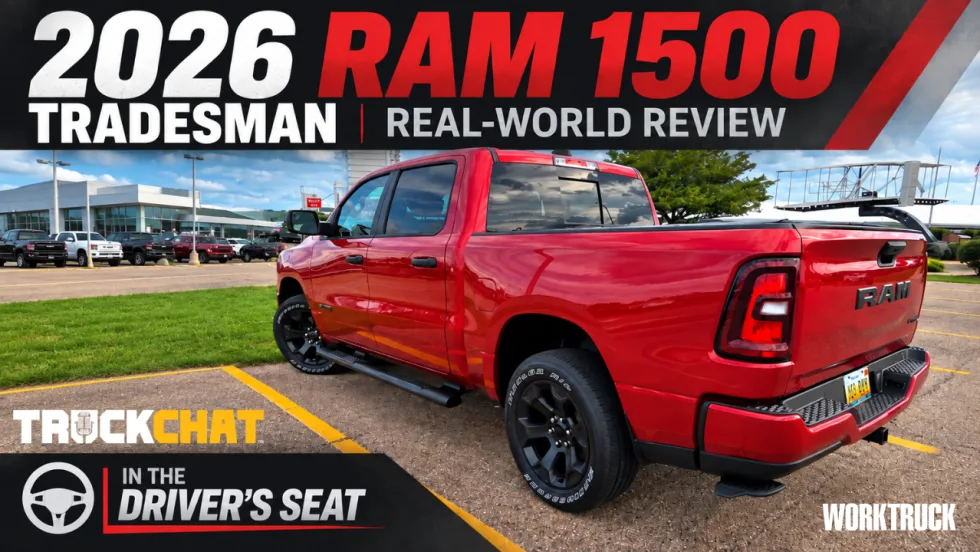
2026 Ram 1500 Tradesman Put to a Real-World Fleet Test
A few days behind the wheel of a 2026 Ram 1500 Tradesman turned into a test of visibility, parking, work-ready features, and even severe-weather driving.
Read More →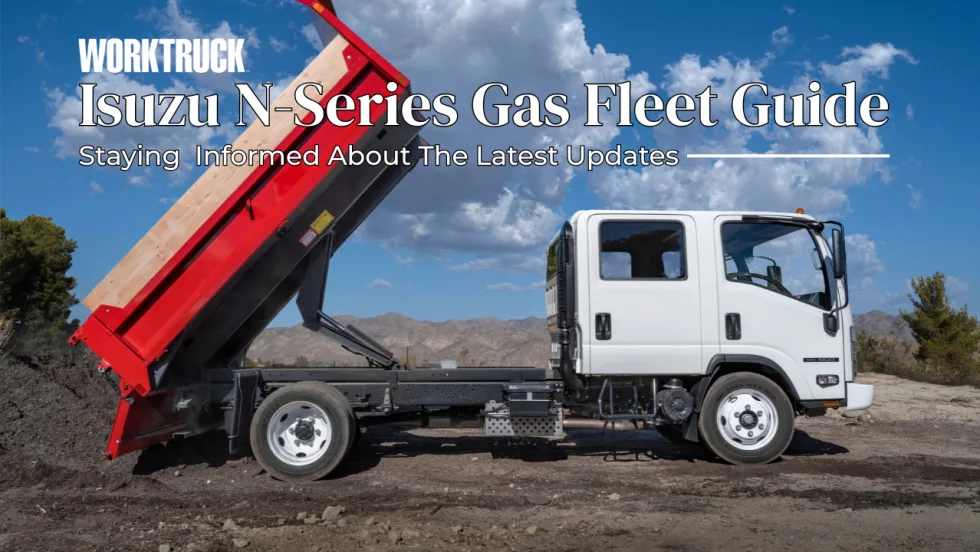
Isuzu N-Series Gas Fleet Guide: Specs, Capability and 2027 Model-Year Updates
Explore Isuzu Truck North America’s N-Series Gas fleet specs, engine performance, GVWR and payload capability, configurations, chassis dimensions, work-focused features, and 2027 model-year information.
Read More →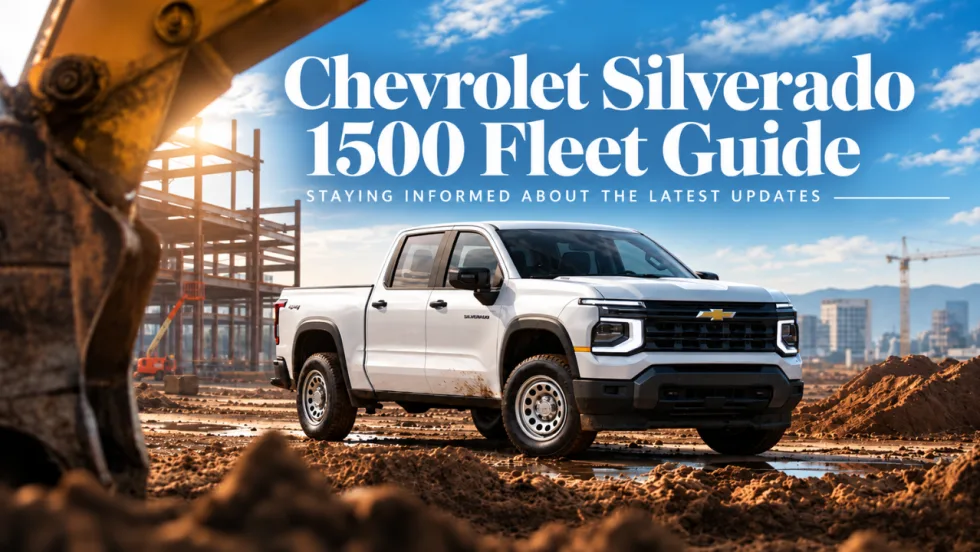
Chevrolet Silverado 1500 Fleet Guide Specs Capability and 2027 Model-Year Updates
The next-generation 2027 Chevrolet Silverado 1500 brings new V-8 engines, updated technology, expanded safety features, and a fleet-focused Work Truck. Here’s what commercial fleets need to know so far.
Read More →
Ram ProMaster City Fleet Guide Specs Cargo Capacity and 2027 Updates
Work Truck’s Ram ProMaster City Fleet Guide tracks the latest specifications, cargo capability, configurations, fleet technology, pricing, and model-year updates for Ram’s mid-size commercial van.
Read More →
Ford F-150 Fleet Guide Specs Capability and 2026 Model-Year Updates
Explore 2026 Ford F-150 fleet specs, engines, towing and payload capability, configurations, work features, technology, and model-year updates.
Read More →
TCI Now Sells & Supports Battle Motors’ Vocational Trucks
Midwest truck dealer Truck Centers, Inc. (TCI) has expanded its transportation solutions with sales and service support for Battle Motors’ heavy-duty vocational trucks at locations in locations in Indiana, Illinois, and Missouri
Read More →
Ram 1500 Fleet Guide Specs, Capability and 2027 Model-Year Updates
Explore always up-to-date Ram 1500 fleet specs, engines, towing and payload capability, configurations, technology, pricing updates, and model-year changes.
Read More →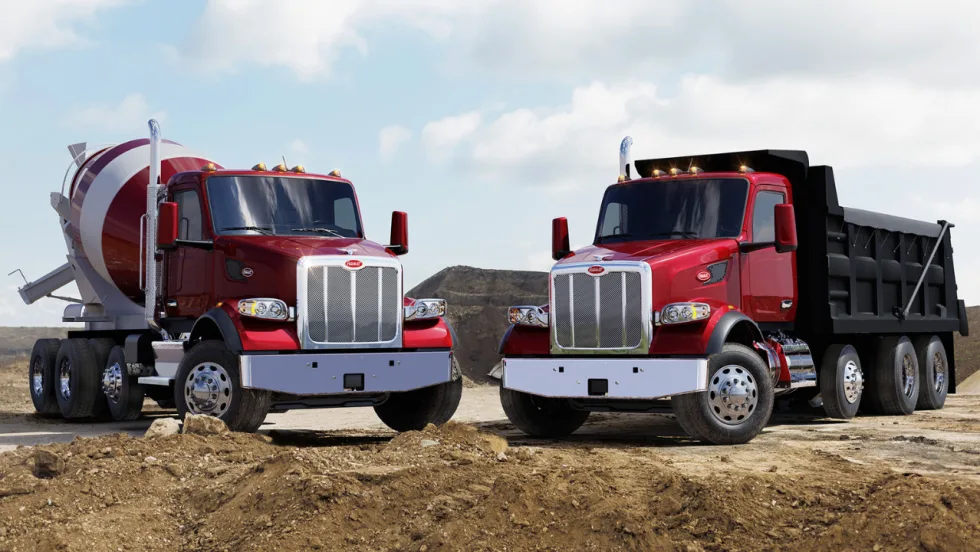
Peterbilt Trucks Equipped with Paccar TX-18 Pro Boost Efficiency for Maryland Fleet
Patuxent Companies is replacing aging trucks with the Peterbilt Model 567 and Model 589, specified with the Paccar TX-18 Pro 18-speed automated transmissions, and is reporting an 8% to 10% improvement in fuel economy.
Read More →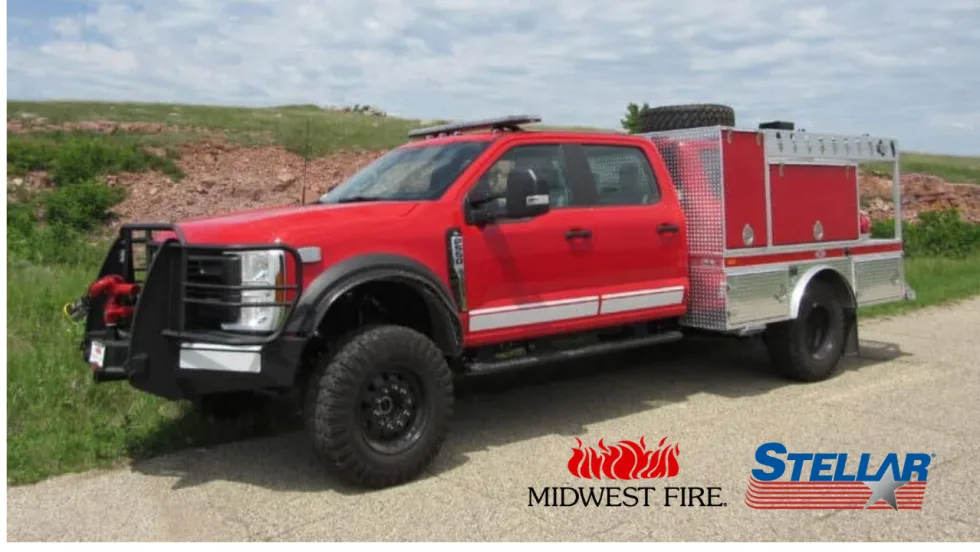
Stellar Expands into Fire Apparatus Market with Acquisition of Midwest Fire
Stellar Industries has acquired Midwest Fire, a custom fire apparatus manufacturer headquartered in Luverne, Minnesota, with nearly four decades of specialized apparatus experience.
Read More →
Recalls You Need to Know About in August 2026
If you have Altec, Chrysler, Ford, Heil, General Motors, International, Mack Trucks, Paccar, Rivian, Royal Truck, Toyota, US Truck Body, or Volvo Trucks vehicles in your fleet, you should check these important recalls issued by the National Highway Safety Administration.
Read More →