





Related: Ford Trucks Through the Years
Ford Discusses Vehicle Lineup Shift
Earlier this year, the automaker announced a major change to its vehicle portfolio, shifting to around 90% trucks, utilities, and commercial vehicles by 2020.
October 9, 2018
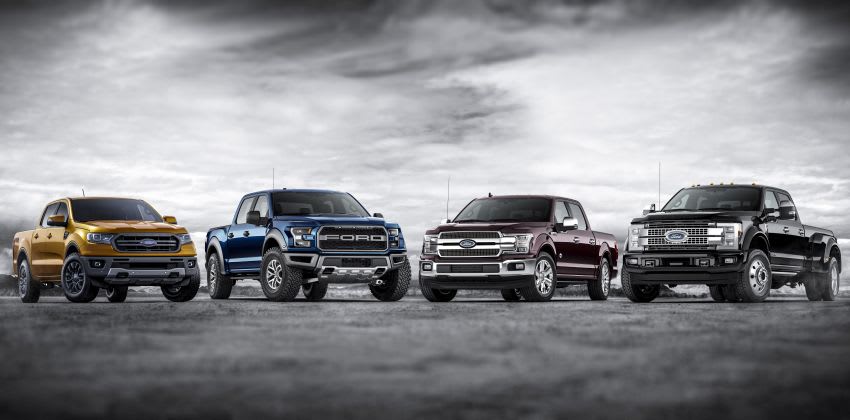
Ford will continue to manufacture its popular and growing truck lineup as it shifts its focus to what customers want more of: trucks and SUVs.
Photo courtesy of Ford Motor Co.
3 min to read
By 2020, almost 90% of the Ford product portfolio in North America will be trucks, utilities, and commercial vehicles — including their electrified versions.
Ford’s North America car portfolio will shift to just Mustang, although the company will continue to sell the Fiesta and Taurus through 2019 while Fusion, the most popular car nameplate with Ford fleet customers, will be available for the next few years.
“We are reinventing the car to match customer preferences. To respond to the needs of our customers and grow our business, we are significantly expanding our North America utility portfolio while also exploring new ‘white space’ vehicle silhouettes that combine the best attributes of cars and utilities, such as higher ride height, space and versatility,” said Michele Bartlett general manager, commercial vehicle sales & marketing, Ford Motor Company.
The impact of this change on fleet and commercial customers will be minimal.
“Cars made up less than 15% of all commercial and government fleet sales last year according to registration data, and that number has been declining annually. Ford will continue to offer the industry’s broadest range of the pickups, vans, SUVs, and work trucks that our fleet customers rely on to get their jobs done every day,” Bartlett added.
A Renewed, 'Laser' Focus
Ford has been and remains dedicated to the commercial vehicle market. It is the only full-line manufacturer to offer commercial vehicles in Class 1 through Class 7.
“Ford will be laser-focused more than ever to design, develop, engineer, test, and deliver products that will be in line with customer demand shifts. You’ll see some of those executions in the truck and van space soon. And, as always, we’ll be looking for process improvements to reduce order-to-delivery (OTD) and other elements of the customer experience,” Bartlett added.
And, while Ford is phasing out some nameplates, it is replacing more than 75% of its current portfolio in North America by 2020 and adding four new trucks and SUVs: Ranger, Bronco, a yet-to-be-named rugged small SUV, and a fully electric utility.
“We’re investing $11 billion in electrification by 2022 and expanding our global electrified vehicle lineup to 40 vehicles, including 16 full battery-electric vehicles by 2022,” Bartlett said.
Why the Change?
According to Bartlett, traditional sedans are facing declining customer demand, not just in the retail segment, but also among fleet buyers.
In 2014, cars made up 18.4% of commercial and government fleet new-vehicle registrations. By the end of 2017, that number dropped to 14.5% and dropped to 13.6% in May of 2018. Meanwhile, SUV registrations in the segment grew from 16.5% in 2014 to 20.2% through May 2018. Full-size pickup trucks continue to be the dominant fleet vehicle, with almost 30% of the market.
“Focusing on vehicles and markets where we know we can win by delivering the products our customers want — along with leveraging partnerships and alliances — will help us further improve our overall business,” she said. “Just like the readers of Work Truck magazine, we make decisions about our business after considering many factors, both internal and external, such as industry trends, product demand, and economic forecasting.”
The automaker will concentrate its efforts on vehicles customers prefer.
“Customer buying habits are shifting from small cars to small SUVs, in North America and around the world. Sales of large cars in the U.S. have declined by 34% in the past five years. We expect SUV growth to continue into the next decade, with the segment to hit 50% of the non-premium retail market by 2020. And, of course, America’s best-selling vehicle for the last 36 years has been a truck: Ford F-Series,” she said.
Ford is driven by a vision for the future of mobility.
“As Bill Ford said earlier this year, we want to create a better tomorrow for all of us,” Bartlett concluded.
Subscribe to Our Newsletter
More Vehicle Research
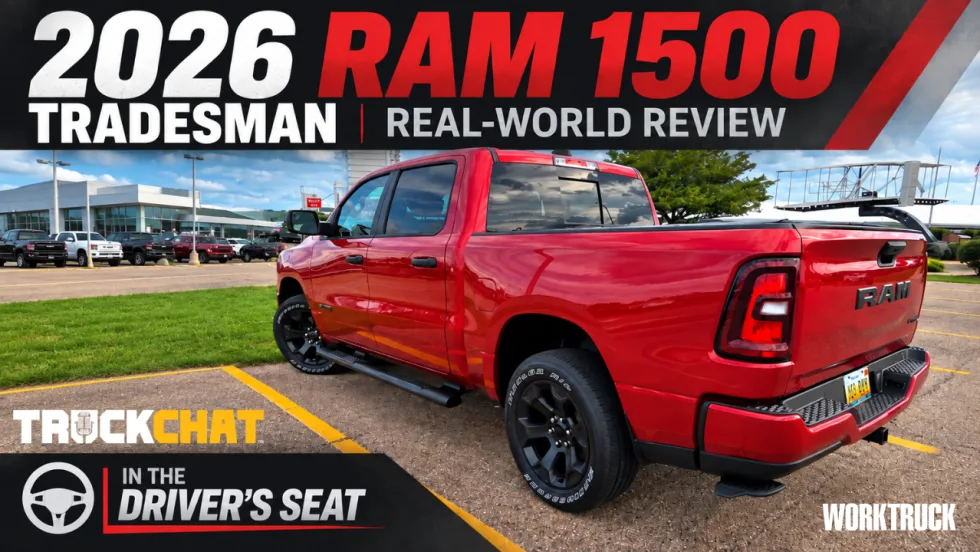
2026 Ram 1500 Tradesman Put to a Real-World Fleet Test
A few days behind the wheel of a 2026 Ram 1500 Tradesman turned into a test of visibility, parking, work-ready features, and even severe-weather driving.
Read More →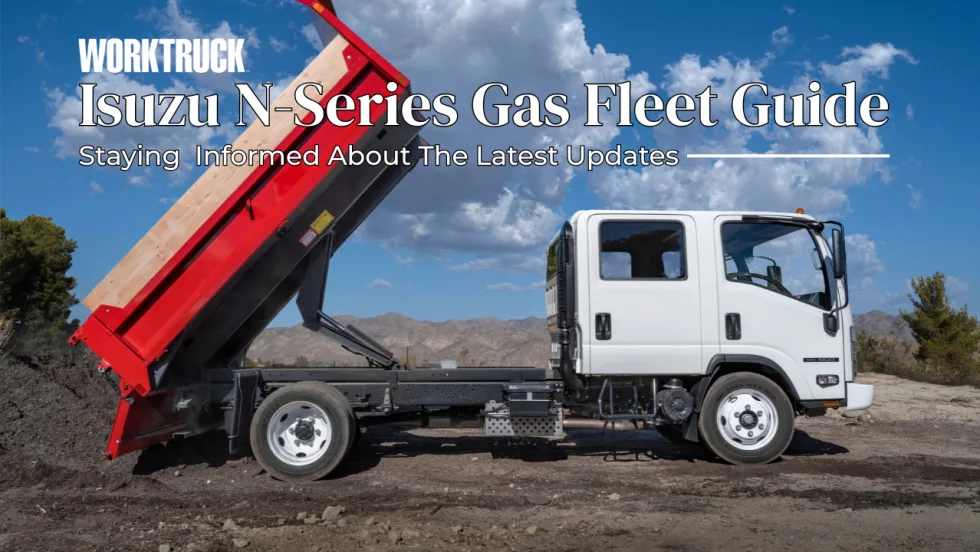
Isuzu N-Series Gas Fleet Guide: Specs, Capability and 2027 Model-Year Updates
Explore Isuzu Truck North America’s N-Series Gas fleet specs, engine performance, GVWR and payload capability, configurations, chassis dimensions, work-focused features, and 2027 model-year information.
Read More →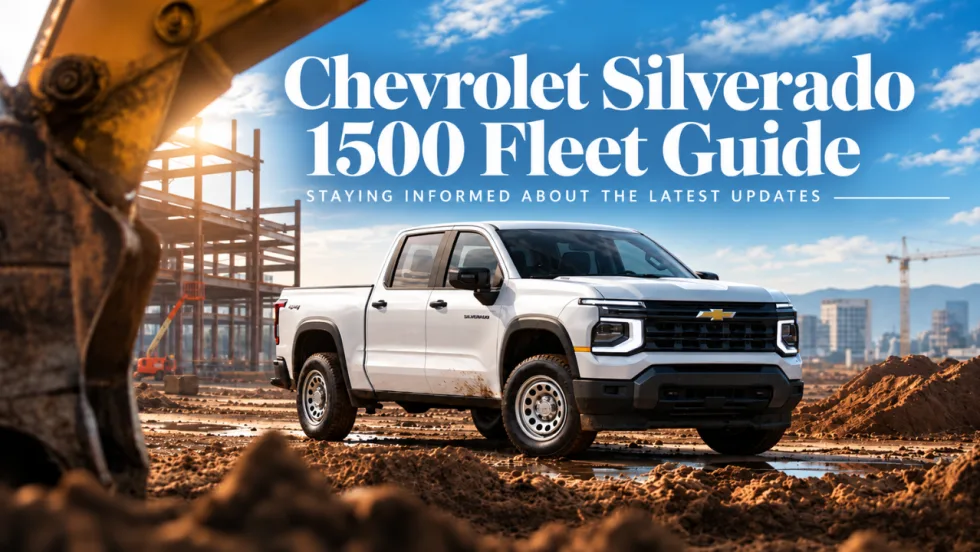
Chevrolet Silverado 1500 Fleet Guide Specs Capability and 2027 Model-Year Updates
The next-generation 2027 Chevrolet Silverado 1500 brings new V-8 engines, updated technology, expanded safety features, and a fleet-focused Work Truck. Here’s what commercial fleets need to know so far.
Read More →
Ram ProMaster City Fleet Guide Specs Cargo Capacity and 2027 Updates
Work Truck’s Ram ProMaster City Fleet Guide tracks the latest specifications, cargo capability, configurations, fleet technology, pricing, and model-year updates for Ram’s mid-size commercial van.
Read More →
Ford F-150 Fleet Guide Specs Capability and 2026 Model-Year Updates
Explore 2026 Ford F-150 fleet specs, engines, towing and payload capability, configurations, work features, technology, and model-year updates.
Read More →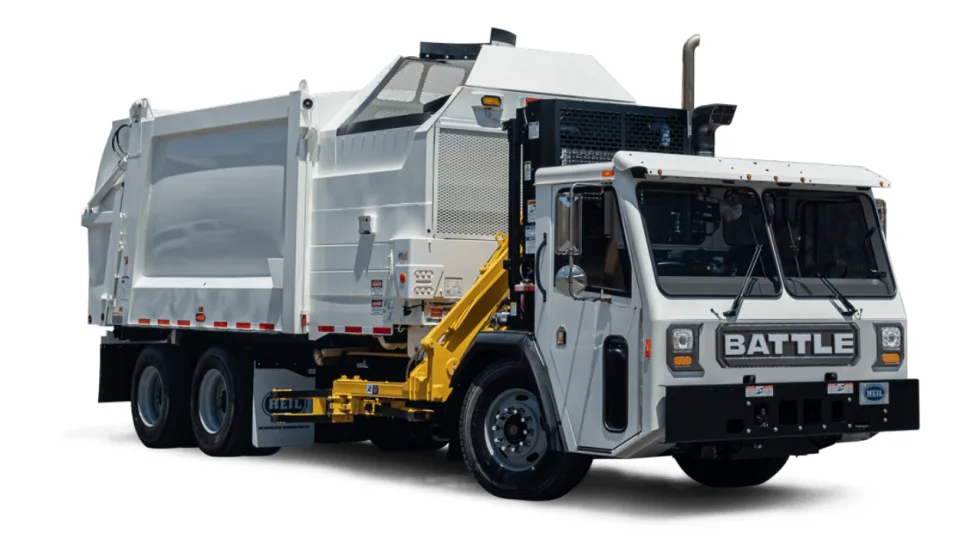
TCI Now Sells & Supports Battle Motors’ Vocational Trucks
Midwest truck dealer Truck Centers, Inc. (TCI) has expanded its transportation solutions with sales and service support for Battle Motors’ heavy-duty vocational trucks at locations in locations in Indiana, Illinois, and Missouri
Read More →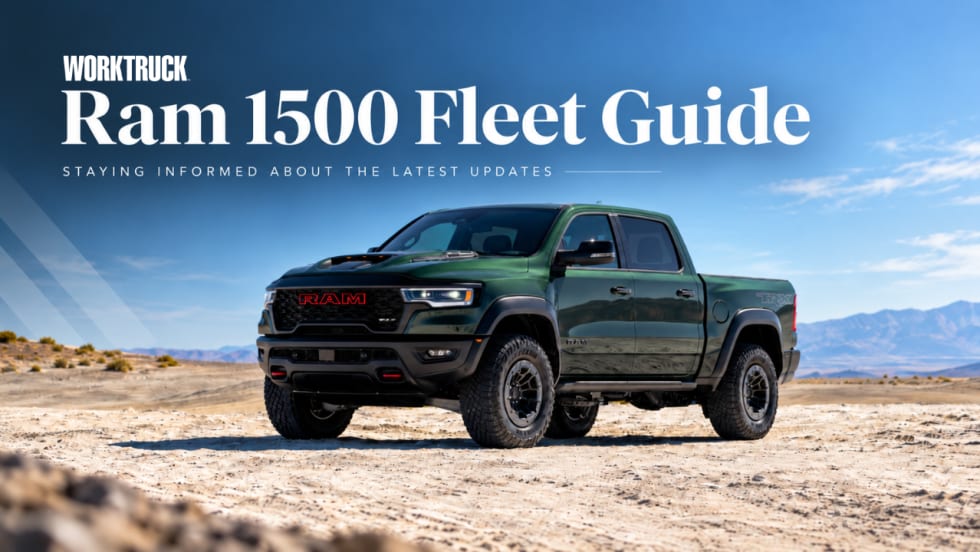
Ram 1500 Fleet Guide Specs, Capability and 2027 Model-Year Updates
Explore always up-to-date Ram 1500 fleet specs, engines, towing and payload capability, configurations, technology, pricing updates, and model-year changes.
Read More →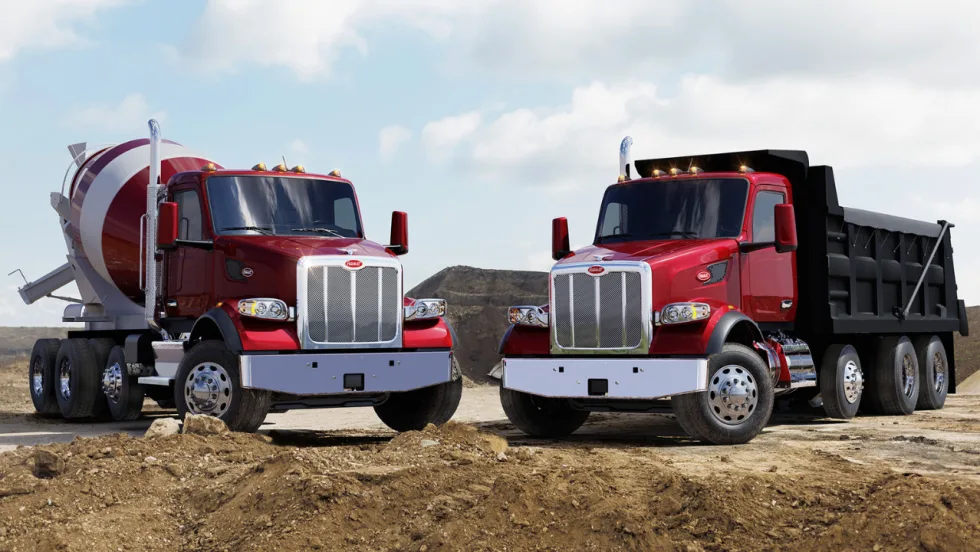
Peterbilt Trucks Equipped with Paccar TX-18 Pro Boost Efficiency for Maryland Fleet
Patuxent Companies is replacing aging trucks with the Peterbilt Model 567 and Model 589, specified with the Paccar TX-18 Pro 18-speed automated transmissions, and is reporting an 8% to 10% improvement in fuel economy.
Read More →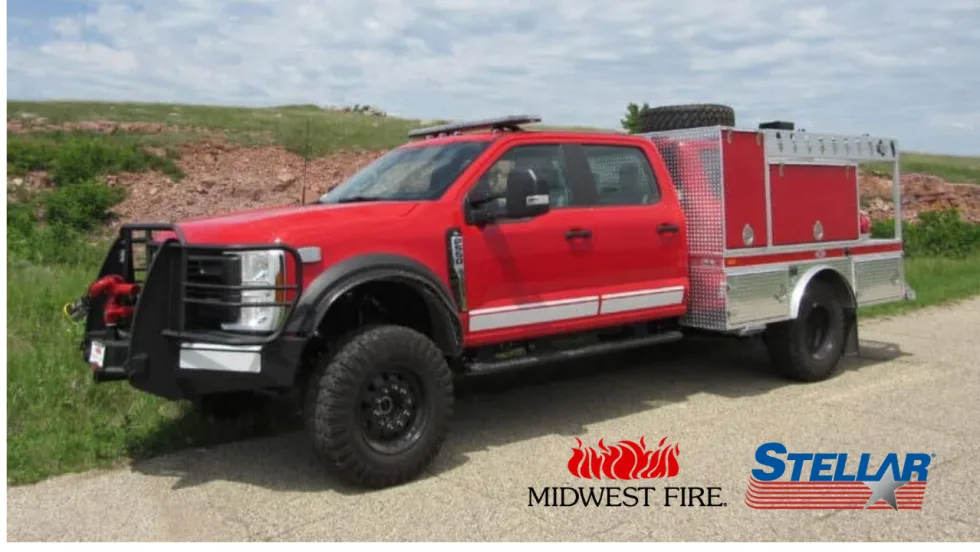
Stellar Expands into Fire Apparatus Market with Acquisition of Midwest Fire
Stellar Industries has acquired Midwest Fire, a custom fire apparatus manufacturer headquartered in Luverne, Minnesota, with nearly four decades of specialized apparatus experience.
Read More →
Recalls You Need to Know About in August 2026
If you have Altec, Chrysler, Ford, Heil, General Motors, International, Mack Trucks, Paccar, Rivian, Royal Truck, Toyota, US Truck Body, or Volvo Trucks vehicles in your fleet, you should check these important recalls issued by the National Highway Safety Administration.
Read More →