





Learn & Lead: Work Truck Exchange Gets a Legendary Twist and You're Invited!
Fleet Wisdom from the Inside with John Dmochowsky
John Dmochowsky shares how a passion for people and progress shaped a legendary fleet career.
June 17, 2025
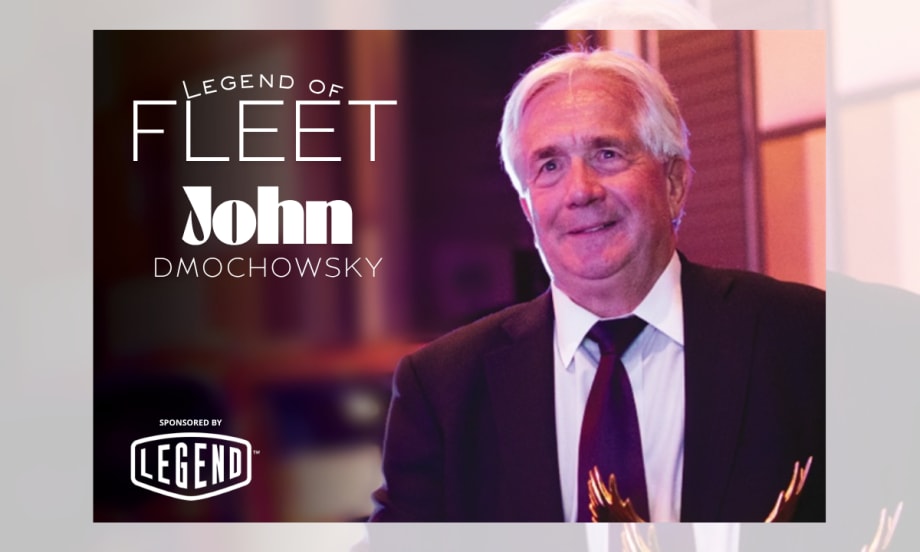
John Dmochowsky reflects on his global fleet leadership journey, rooted in culture, strategy, and a people-first mindset.
Photo: John Dmochowsky | Work Truck
4 min to read
There’s no one path into fleet, and no one knows that better than John Dmochowsky.
With a background in sales and an MBA in hand, Dmochowsky’s fleet journey began the way many great ones do: unexpectedly. “I got a call from corporate saying they wanted me in sales operations,” he said. “That included fleet. I said yes. The rest is history.”
And what a history it’s been. From Kraft Foods to Mondelēz, from North America to the global stage, he spent more than two decades building one of the most respected careers in fleet management. Along the way, he embraced technology, mentored future leaders, navigated a few global integrations, and led with something you don’t often see listed on a job description: heart.
I sat down with Dmochowsky for an episode of Legends of Fleet, a video series sponsored by Legend Fleet, dedicated to preserving fleet industry wisdom. We discussed how he built a global fleet, managed change effectively, and remained people-first throughout it all.
How Fleet Culture Sparked a Lifelong Career
Ask Dmochowsky what pulled him into fleet and he won’t say metrics or process, he’ll say culture.
“I became addicted to it,” he said. “The culture of fleet brought out my passion. I got to work cross-functionally, internally and externally, and I saw firsthand how the value chain works when everyone plays their part.”
That early exposure to the full scope of the industry, from OEMs and FMCs to legal and logistics, laid the foundation for a people-driven leadership style that would follow him through every project, every program, and every international pivot.
Leading Fleet Through Global Change and Innovation
When Dmochowsky stepped into fleet, digitalization was just gaining steam. Since then, he has watched data shift from “nice to have” to absolutely central.
“Data is now our most important asset,” he said. “It’s changing how we operate, innovate, and respond in real-time.”
That shift and the rise of EVs, global platforms, and mobility solutions kept his role (and mindset) constantly evolving.
But the biggest challenge? Scaling for different countries and cultures. “You can’t just copy-paste a North American strategy into Europe,” he said. “I learned that fast. Fleet might be global, but people, expectations, and regulations are still very local.”
Fleet Leadership Lessons from the Front Lines
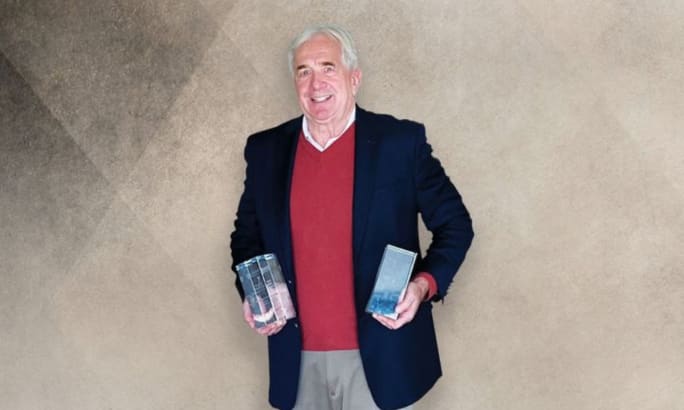
From unexpected beginnings to international impact — Dmochowsky’s fleet career proves that leading with heart drives long-term success.
Photo: John Dmochowsky
Fleet success didn’t come from having all the answers but from progress over perfection.
“That was the biggest shift for me,” Dmochowsky shared. “I came from sales where success is fast and tangible. In fleet, it takes longer. You have to be patient and keep moving the needle, even if things don’t go perfectly.”
That patience paid off. Under Dmochowsky’s leadership, his team tackled everything from supplier consolidation to CO₂ emissions policies, establishing strategies that delivered real impact across continents.
He focused on streamlining vehicle segments, embracing tech-driven safety tools, and implementing policies that allowed for regional flexibility while maintaining alignment under a global umbrella.
How People-First Fleet Management Builds Strong Teams
What makes a fleet legend? According to Dmochowsky, it’s all about who you bring with you.
He credits much of his success to the people around him, like team members Carla and Peggy, who helped run North America before the global expansion.
“I looked at their core competencies, not just their job descriptions,” he said. “We worked with HR to redefine roles and align everyone to what they were best at. I always led with the heart. If someone needed to leave early for a kid’s appointment or work from home, I made that happen. Because I wanted them to feel valued, just like the company made me feel valued.”
He also pushed for professional development, encouraging certifications, association involvement, and even conference stage time.
“I was proud to see my team step out of their comfort zones. One called me recently to say she had retired after managing a 5,000-unit fleet. That was a highlight,” he recalled.
Leadership Growth: Mistakes, Mindset Shifts, and Real Talk
Not every lesson came easily. “In the beginning, I let my passion get the better of me in leadership meetings,” he laughed. “I had to learn emotional balance. You can’t take it personally when your ideas are challenged. You’ve got to respond with facts, stay calm, and keep showing up.”
Want more insights from Dmochowsky? Watch the full video above. Craving more inspiration from fleet legends? Don’t miss our full video series, sponsored by Legend Fleet, featuring top minds who have been moving our industry forward for decades.
Subscribe to Our Newsletter
More Operations
Family Ties Inside the Fleet Families Building Careers Across Generations
Three fleet families share what it really takes to work together, learn across generations, and keep business from following them home.
Read More →
Shades of Fleet Call for Voices: Fleet's Hidden Heroes
Fleet’s hidden heroes are often the ones keeping everything moving behind the scenes. September’s Shades of Fleet is looking for dispatchers, coordinators, parts specialists, and other support pros to share their stories.
Read More →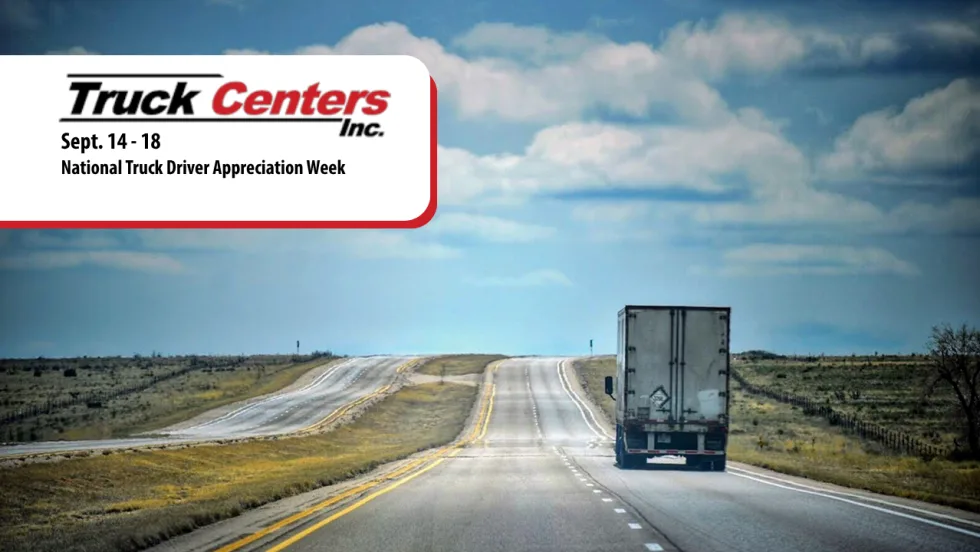
Truck Centers, Inc. Celebrates National Truck Driver Appreciation Week with $1,000 Fuel Card Giveaways
During National Truck Driver Appreciation Week, Truck Centers, Inc. is offering customers a chance to fuel up for free. Customers at all Truck Centers locations can enter to win one of four $1,000 fuel cards from Sept. 14 - 18.
Read More →
Fleet Guides, AI Time-Savers, Truck Tariffs & Fuel Strategy Lead the News
This week’s Truck Chat Cheat Sheet covers new fleet vehicle guides, practical AI use cases, U.S.-Canada truck production, mixed-energy strategy, and more.
Read More →
What Fleet Employers Are Missing When Hiring Veterans
What if some of the strongest candidates for fleet are already out there, but their experience is written in a language our industry does not always recognize?
Read More →
Automotive Fleet Opens 2026 Personal Use Survey for Commercial Fleet Managers
Less than two weeks left! Commercial and corporate fleet managers are invited to share how their organizations handle company vehicle personal-use policies, charges, and driver eligibility.
Read More →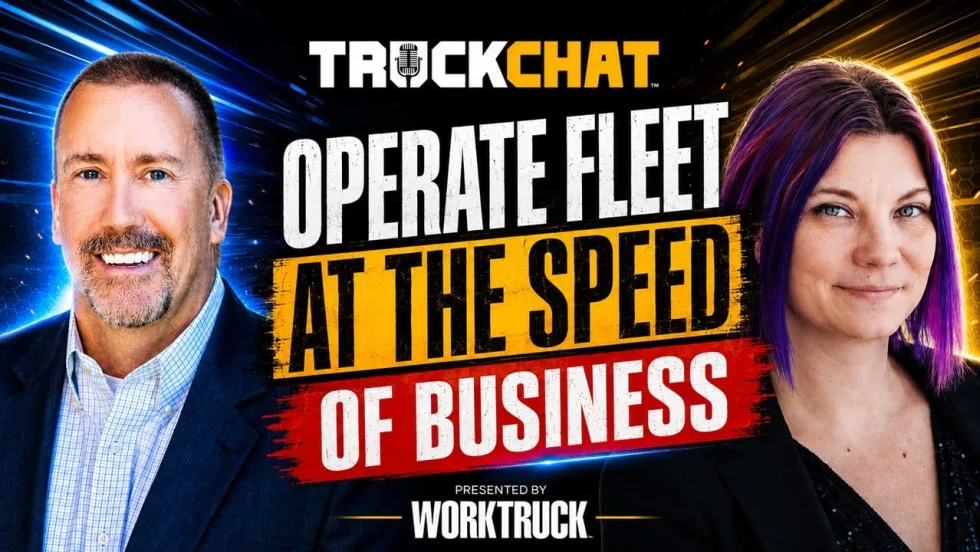
What Resilient Fleets Do Differently When Conditions Change
Fleet resilience is about more than reacting to disruption. Lauren Fletcher talks with AP Fleet’s Alex Coveney about flexibility, planning, scaling, and what helps fleets adapt when business conditions shift.
Read More →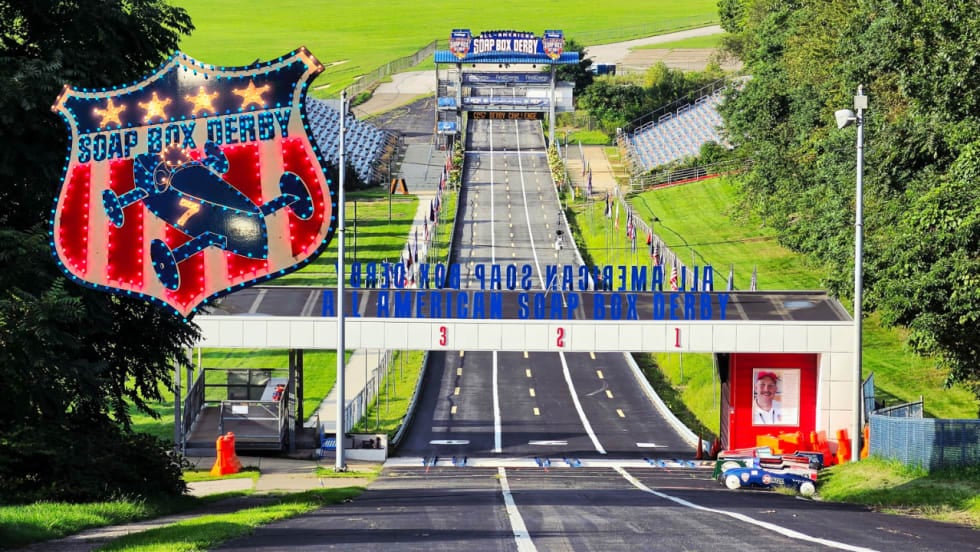
If We Want the Next Generation in Automotive, We Have to Give Them a Reason to Care
The automotive industry talks constantly about its workforce shortage. But before we can recruit the next generation, we may need to do a better job giving kids a reason to care about automotive in the first place.
Read More →
Ram ProMaster City Under $40K, Truck Tariffs, and AI Maintenance Lead the News
A sub-$40K commercial van, tariff questions, AI-powered maintenance, and a new EV production strategy headline this week’s Truck Chat Cheat Sheet.
Read More →
Bob Adamsky Shares the Fleet Lessons You Usually Learn the Hard Way
After more than 30 years in fleet, Arrow International’s Bob Adamsky has learned that the job is about far more than vehicles. He shares the lessons he wishes every fleet manager could learn a little earlier.
Read More →