




Fleet Vehicle Selection: Evolving With the Market
Although the basic process is the same, the criteria, options, and driver needs for the selection of fleet vehicles have evolved over the years. Where the industry was, is, and will be is an interesting story.


The foundation of any fleet operation lies in the vehicles it chooses. Vehicle selection impacts every aspect of vehicle cost, from license and title to depreciation to insurance. The ability of drivers to carry out their mission — to bring products and services to customers — and fleet managers to track and control expense are all ultimately functions of the vehicles a company chooses to place into service.
The overall process of vehicle selection hasn’t changed much over the years. Fleet managers determine what job vehicles do, what vehicles might qualify, how to equip them, what they can expect each potential vehicle’s costs to be, and, ultimately, which vehicles are to be used.
What has evolved, and dramatically so, are the vehicles themselves, the technology and equipment they offer, and even what drivers need to do their jobs. So, too, has the pressure on fleet managers to take full advantage of that technology and equipment.
Where We’ve Been
People often speak wistfully of “simpler times.” This nostalgia can also arise when veteran fleet managers get together; believing it was so much simpler back then, when there were only three domestic manufacturers to choose from, fewer models, and less equipment to consider. To some extent, this was true.
Forty years ago, there were, indeed, only three domestic manufacturers to choose from. Most fleets used full-sized eight-cylinder, four-door sedans. Most of even the basic equipment we take for granted today — power windows, door locks, air conditioning, even radios — were optional. It was not uncommon then for fleet managers to consult a map to decide which vehicles got air conditioning or didn’t. An automatic transmission wasn’t, well, automatic. There were, of course, a number of things that made the vehicle selection process simpler decades ago. The new model-year began in September (October at the latest), and ended in April or May. Build-out dates were firm, and there were no “1971½” models introduced mid-year.
That said, this simplicity didn’t make the ultimate goal any different. Fleet managers still had to decide what equipment was necessary, what wasn’t, and how to spec fleet vehicles. They were still responsible for selecting vehicles that would provide drivers with the safest, most cost-efficient transportation available. They had to consult pricing guides, which, by the way, took the form of thick spec books, not point-and-click online tools, and the use of adding machines (and sometimes primitive calculators) to conduct comparisons, sensitivity analyses, and total everything up. So, then, was it really easier in 1971? When all is said and done, it wasn’t. It was just different. The new technology of the ’70s was fuel injection and electronic ignition. It was vehicle-centric, more geared toward making vehicles more efficient, or powerful, or both. That has changed.
Where We Are Today
The auto industry has undergone some remarkable changes in the ensuing 40 years: two of the original “Big Three” have undergone managed bankruptcies (one of these having been previously acquired by a European automaker), Asian companies have made slow but steady inroads into the fleet market, and the emergence of a European presence is now being felt.
A number of makes and models have come and gone, with stalwart nameplates such as Oldsmobile, Pontiac, and Plymouth now a part of automotive history. Two “oil shocks” in the 1970s have brought fuel efficiency to the forefront of vehicle selection criteria. Alternative-fuel vehicles have proliferated, as technology continues its inexorable advance.
Today, fleet managers have a dizzying array of choices to review and analyze. Literally dozens of makes and models, equipment options, engine and drivetrain combinations make vehicle selection today both exciting and often confusing. “Domestic” has become a flexible term, as U.S.-based manufacturers source parts and assemblies overseas, and import automakers have plants dotting the country.
One of the more intriguing changes in the selection process, however, lies in those technological advances. While there are many such advances in vehicle technology, many still are driver related. It is these new technologies that have become a challenge for fleet managers. Whether convenience or safety related, the technology available today is well beyond the wildest dreams of fleet managers (and drivers) of years past:
Engine technology: There are new engine technologies that can boost fuel efficiency without sacrificing power.
Connectivity: Drivers are more connected with the outside world, via GPS, built-in Bluetooth capability, and other technology.
Materials: New, high-impact, lightweight materials make vehicles lighter and stronger.
Auto-parking: Drivers can avoid the activity that sends chills down the spines of high school students everywhere — parallel parking. New technology allows some cars to park themselves automatically.
Alternative fuels: From E-85 ethanol to liquefied natural gas (LNG) to electricity to hybrid systems, alternative-fuel and drive systems are powering more vehicles than ever.
These and many other new technologies can make vehicles and driving safer, more cost efficient, and more comfortable than ever before.
Though that sounds like it would make a fleet manager’s selection job simpler, it doesn’t. Keep in mind the basic criteria for selection:
Fits the mission.
Lifecycle costs (depreciation plus operating costs).
Availability (order-to-delivery).
The proliferation of technology, both driver and vehicle-centric, creates challenges for fleet managers today. Although all this new technology helps make both vehicles and drivers more productive, there are costs that must be considered.
Adding new features, especially high-tech features, will inevitably increase the original cost of the vehicle, half of the depreciation equation. Doing so, either as standard or optional equipment, requires that it has a positive effect on the ultimate resale value when the vehicle is sold (the other half of the depreciation equation).
The first part of the equation is predictable; the second isn’t. It is very difficult to project the resale value of new vehicle features, particularly in a world where technology advances so quickly. What is new and exciting today may be old news in two years when the vehicle is resold. This is much different than in the past, when resale values were far more predictable.
Next, there is the question of whether these new features will perform as advertised; it often takes more than one model-year to “get the bugs out” of new technology. Those same fleet managers from the 1970s can relate stories of then-new technology, such as transverse engine and front-wheel drive, which was rushed out to meet the 1979 gas shortages before they had been perfected.
Finally, there is also the question of whether any particular technology in consideration — if it is driver-centric — will act as a distraction. This is particularly true of two relatively recent developments in vehicle tech: Bluetooth and GPS. Fleet managers must try to balance the benefits — both can be substantial boons to productivity — against the safety and privacy issues that can arise. Will using built-in Bluetooth capability run contrary to a corporate policy banning the use of cell phones while driving? Will GPS, even with verbal instructions, cause drivers to be distracted from their primary activity, driving a ton of metal at highway speeds? What about drivers, and their managers, who press for such driver conveniences, rightfully seeing them as wonderful productivity tools?
These and other questions force fleet managers into a decision-making process that just wasn’t necessary in the not-too-distant past.
In the end, the selection process has evolved from a relatively simple decision (albeit made using tools that were primitive by today’s standards) to one that must take into consideration the remarkable technology available, its cost, and pressure from driver stakeholders to use it, and balance that with a cold economic policy and safety analysis that might not give drivers what they want.
[PAGEBREAK]
Where We May Be Going
Where, then, will the selection process be in five, 10, or 20 years? One crystal ball is as useful — or useless — as another. But, one thing is certain: The inexorable advance of technology will continue and accelerate with the result being that the vehicle selector process may either become even more complex or, perhaps, even simpler. Technology — whether vehicle- or driver-centric — always seems to be the “living end,” when it is introduced. And, more often than not, ends up quickly becoming obsolete.
Back in 1971, electronic ignition and torsion bar suspension were cutting-edge technology. Today, both are either commonplace or have been replaced by newer technology. That’s, of course, true for most of the engineering innovations in the pre-digital age, which gave way first to electronics then to computerization and, now, is moving quickly to the web and connectivity.
Vehicles may ultimately “drive themselves.” We can see the first hint of this in the automatic parking option being explored by today’s automotive visionaries. There are already advances being tested, which will provide “connectivity,” whereby vehicles will send and receive information to and from numerous sources, including fleet managers, drivers, and other vehicles. Sensors will track location and provide warnings to drivers when other vehicles are sensed, or, perhaps, actually brake or steer the vehicle automatically out of danger. This vehicle-to-vehicle (V2V) capability is already in testing with more than one manufacturer.
Connectivity may bring smart phone capabilities directly into the vehicle; drivers might have e-mail read aloud to them, or dictate messages that the vehicle will send. Imagine applications that enable a driver to dictate a sales presentation, replete with graphics, and then print it out right in the car before heading into a meeting. Or, perhaps, simply print a presentation that has already been completed. GPS technology, already in widespread use today, will one day provide drivers with real time traffic information, and guidance to the fastest route to a destination.
More and more alternative-fuel options will become widespread. Electric vehicle technology will advance, as range becomes greater and infrastructure proliferates. Various types of hybrid vehicles and full alternative-fuel systems will continue to be engineered. Lighter, stronger materials will make vehicles more fuel efficient, while at the same time safer, too. The possibilities seem practically endless, until one day not too far from now drivers may well become simply passengers, in a vehicle that, when instructed, drives to a destination without driver “interference,” eliminating the human factor from risk management.
And, where will that lead fleet managers, as they’re challenged to incorporate these advances into the selection process? Once again, answering such questions definitively is about as easy as picking winning lottery numbers. Fleet managers will have to continue to keep up with technology as it is developed and becomes available, and balance it against the basic tenets of the selection process:
What cost will it add to the price of a new vehicle?
What, if any, effect will it have on resale values?
Put simply, will it or does it work as intended? Does it bring the benefits as promised, and, if so, do those benefits justify any additional costs?
What is the effect on the driver? Will drivers (prior, of course, to “robot cars” that drive themselves) use them judiciously, or allow them to be distractions, compromising safety?
Will it make a vehicle a better fit for the mission, or is it simply “window dressing,” a shiny bauble, which adds little to the driver or the vehicle’s application to the job?
One thing fleet managers can be sure of: Drivers will latch on to any new technology that is driver-centric, and attempt to make the case that it is needed to do their jobs better.
Drivers seldom, if ever, have the same concerns about cost effectiveness of a fleet selection that fleet managers have.
The profession has come a long, long way very quickly in the selection process. The upside is that fleet managers have more choices than ever before, and this helps them better match the right vehicles to the job. The downside? Ironically, that same upside: Fleet managers have more choices than ever before with their drivers demanding more of them, and having to do more analysis than ever before.
If you told a fleet manager in 1971 that he or she could put an option in a vehicle that would tell drivers how to get where they’re going, they’d have latched onto it in a heartbeat. But, today’s fleet manager knows that with every innovation comes risk, and that proper selection demands that those risks be measured before decisions are made.
The High Cost of Maintenance
Today’s vehicles are undoubtedly more technologically advanced than their turn-of-the-20th-century ancestors. Dozens of electronic devices and features make the job of driving both more comfortable and efficient. It also can carry a heavy price tag if and when a gizmo breaks down.
Because of this, fleet managers should expect to pay more to maintain their technology-heavy fleets. “We expect repair and maintenance costs to rise at a rate slightly higher than inflation through 2012, as a result of increased costs associated with new technology,” said Tony Piscopo, director, fleet management for ARI.
Going hand-in-hand with maintenance costs, labor and parts are expected to rise by at least 2.1 percent in 2012, according to GE Capital Fleet Services.
Ironically, this additional content is making vehicles more expensive to run because today’s vehicles are nearly 10- to 20-percent heavier than they were just a few decades ago.
An Eye to Resale
Should cost-conscious fleet managers forego these content options and stick with a standard-equipped model? The short answer is, no.
While saving acquisition costs on the frontend might seem like a good idea, on the backend, at auction, this base model may bring far less than its fully equipped sibling, ironically, making the total cost of ownership higher.
When spec’ing a vehicle, the savvy fleet manager needs to look at the whole picture, carefully picking the right equipment with an eye to resale. For instance, an optional diesel engine might seem like an expensive luxury, but, depending on the vehicle, it can bring as much as 100 percent or more of its initial retail value at auction. However, optional equipment can be a two-edged sword. That same optional truck engine on a vehicle that’s oversaturated the diesel segment could lose money at auction.
Other upgrades, such as sunroofs, leather interiors, or third-row seating can net fleets hundreds or even thousands of dollars on the backend, but this first involves careful analysis on the frontend.
Originally posted on Automotive Fleet
More Vehicle Research
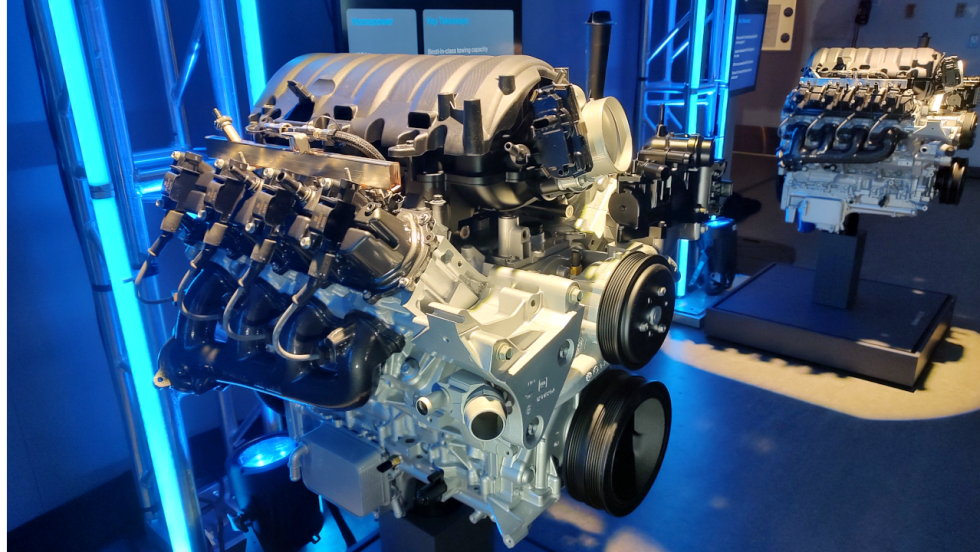
GM Unveils New Sixth-Generation Small Block Engines for 2027 Light-Duty Pickups
General Motors unveiled two new small-block engines, backed by extensive real-world validation and more than 70 years of small-block V8 manufacturing experience, as part of the engine portfolio for the 2027 Chevrolet Silverado 1500 and GMC Sierra 1500.
Read More →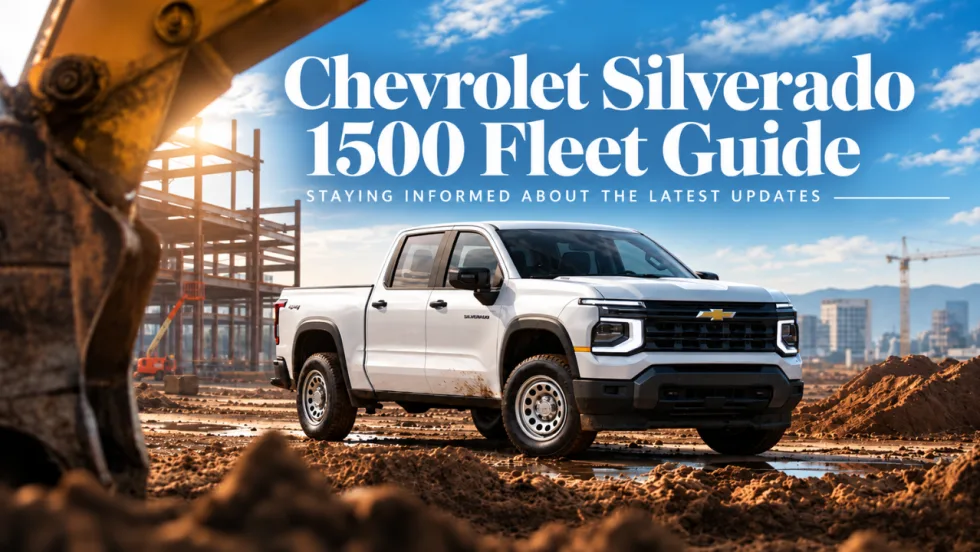
Chevrolet Silverado 1500 Fleet Guide Specs Capability and 2027 Model-Year Updates
The next-generation 2027 Chevrolet Silverado 1500 brings new V-8 engines, updated technology, expanded safety features, and a fleet-focused Work Truck. Here’s what commercial fleets need to know so far.
Read More →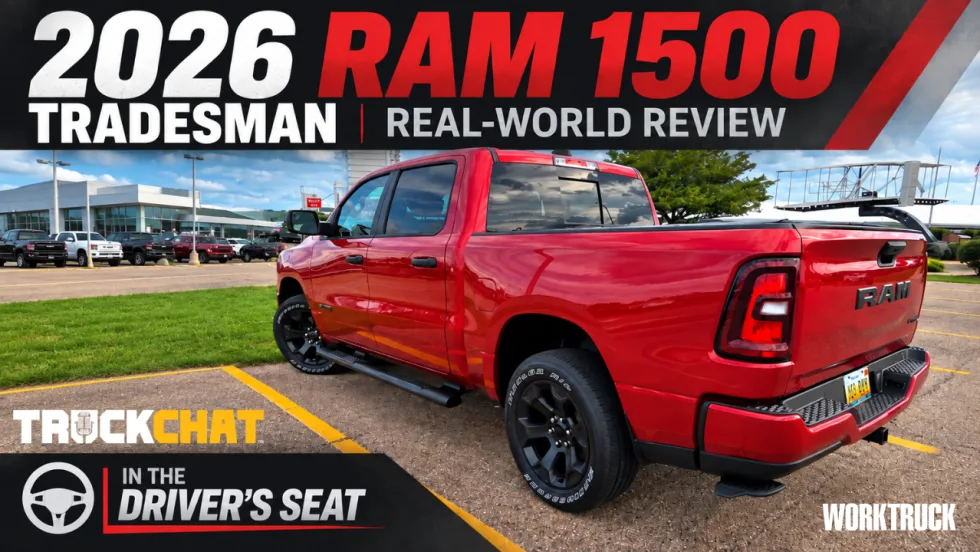
2026 Ram 1500 Tradesman Put to a Real-World Fleet Test
A few days behind the wheel of a 2026 Ram 1500 Tradesman turned into a test of visibility, parking, work-ready features, and even severe-weather driving.
Read More →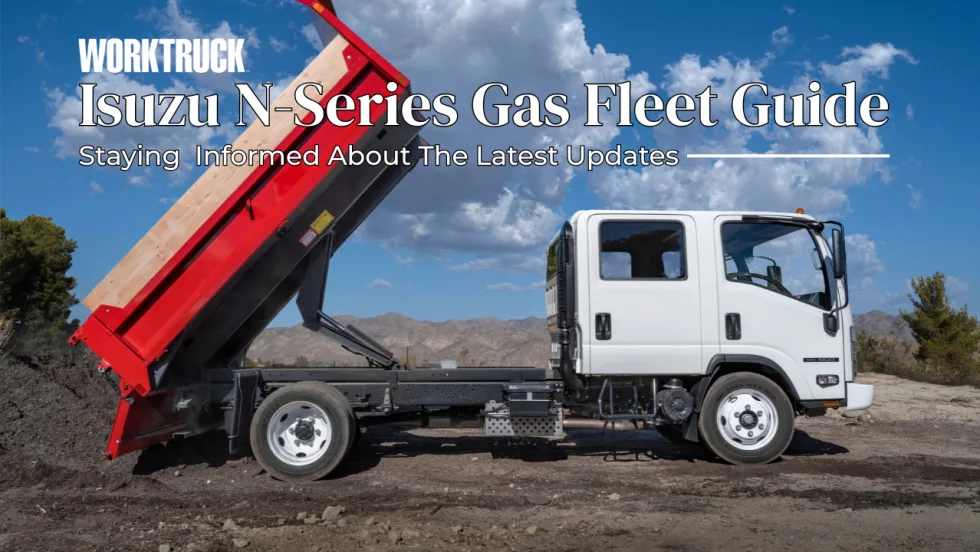
Isuzu N-Series Gas Fleet Guide: Specs, Capability and 2027 Model-Year Updates
Explore Isuzu Truck North America’s N-Series Gas fleet specs, engine performance, GVWR and payload capability, configurations, chassis dimensions, work-focused features, and 2027 model-year information.
Read More →
Ram ProMaster City Fleet Guide Specs Cargo Capacity and 2027 Updates
Work Truck’s Ram ProMaster City Fleet Guide tracks the latest specifications, cargo capability, configurations, fleet technology, pricing, and model-year updates for Ram’s mid-size commercial van.
Read More →
Ford F-150 Fleet Guide Specs Capability and 2026 Model-Year Updates
Explore 2026 Ford F-150 fleet specs, engines, towing and payload capability, configurations, work features, technology, and model-year updates.
Read More →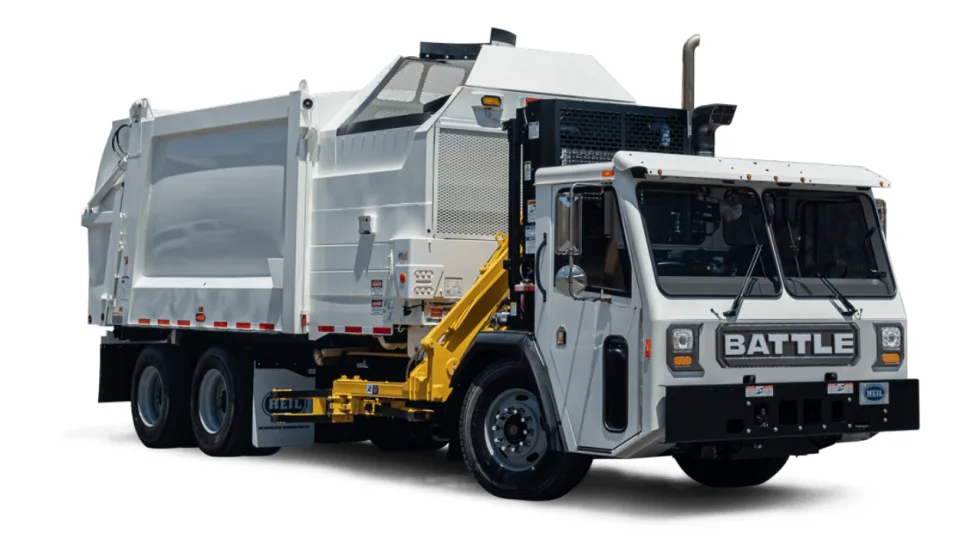
TCI Now Sells & Supports Battle Motors’ Vocational Trucks
Midwest truck dealer Truck Centers, Inc. (TCI) has expanded its transportation solutions with sales and service support for Battle Motors’ heavy-duty vocational trucks at locations in locations in Indiana, Illinois, and Missouri
Read More →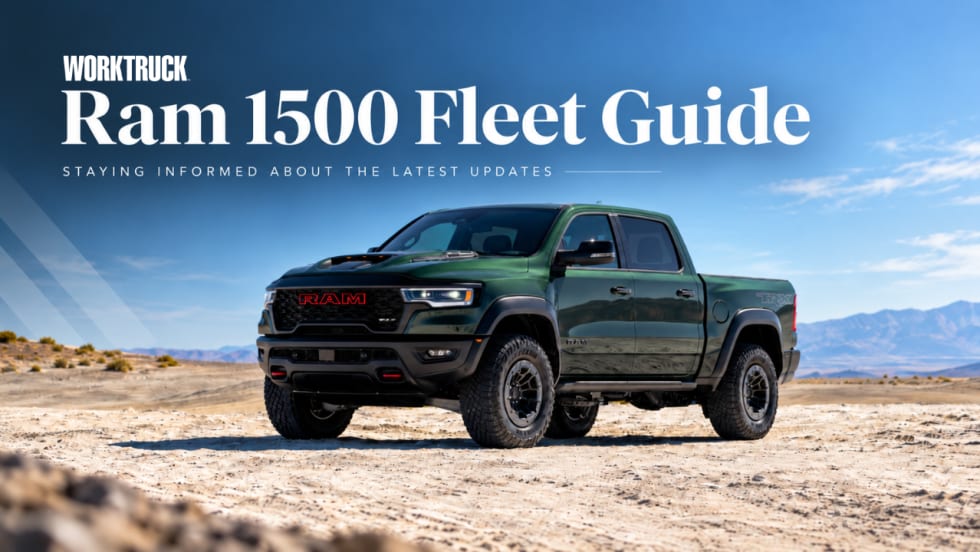
Ram 1500 Fleet Guide Specs, Capability and 2027 Model-Year Updates
Explore always up-to-date Ram 1500 fleet specs, engines, towing and payload capability, configurations, technology, pricing updates, and model-year changes.
Read More →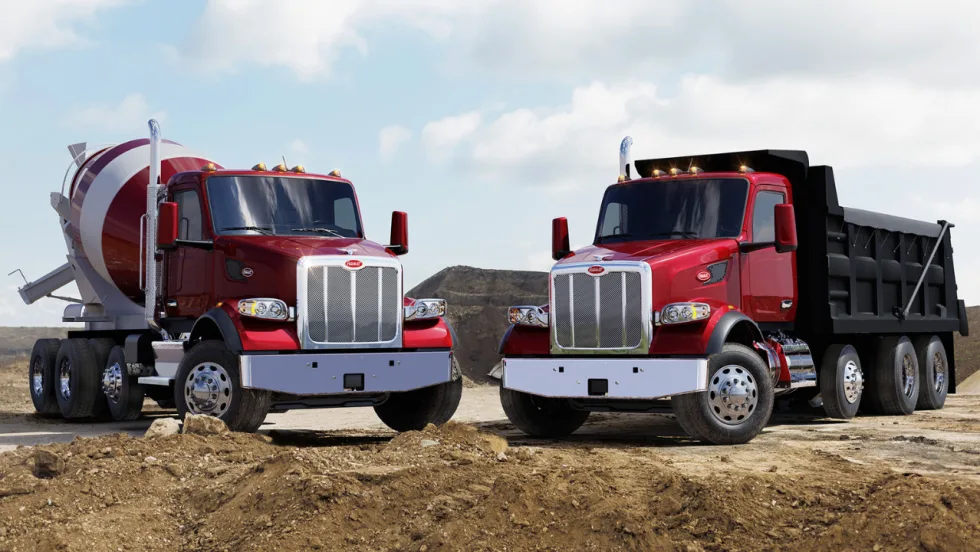
Peterbilt Trucks Equipped with Paccar TX-18 Pro Boost Efficiency for Maryland Fleet
Patuxent Companies is replacing aging trucks with the Peterbilt Model 567 and Model 589, specified with the Paccar TX-18 Pro 18-speed automated transmissions, and is reporting an 8% to 10% improvement in fuel economy.
Read More →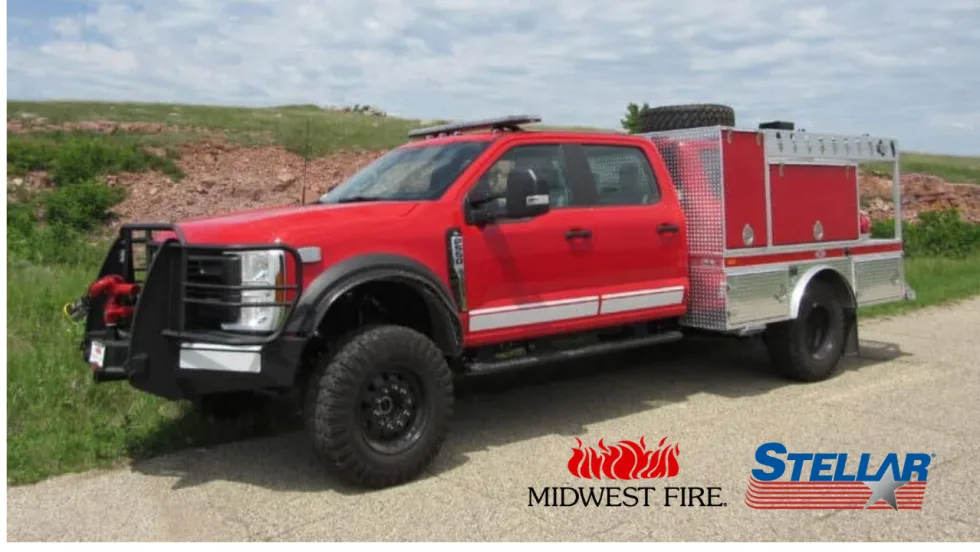
Stellar Expands into Fire Apparatus Market with Acquisition of Midwest Fire
Stellar Industries has acquired Midwest Fire, a custom fire apparatus manufacturer headquartered in Luverne, Minnesota, with nearly four decades of specialized apparatus experience.
Read More →