See Also:
Fleet Management 2025 Forecast: Productivity Tools
Fleet Management 2025 Forecast: Vehicle Maintenance
Fleet Management 2025 Forecast: Fleet Taxation
Fleet Management 2025 Forecast: Fleet License and Title Services
 MENU
MENU SEARCH
Government-mandated CAFE standards are exerting pressure on OEMs to develop smaller, more lightweight models and add more alt-fuel vehicles and hybrids to their lineups. Lower fuel costs will shift TCO focus to depreciation.
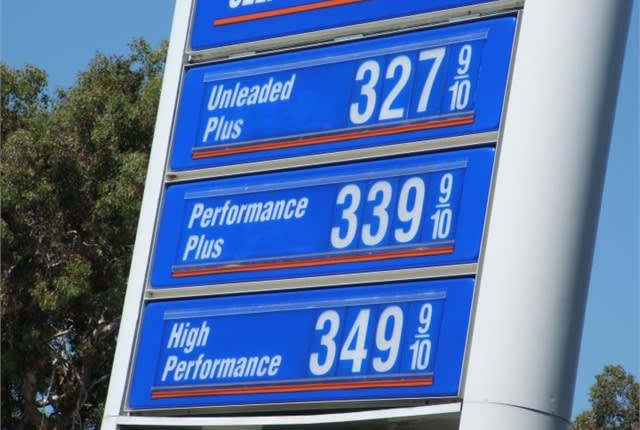
Photo via wikimedia

Photo via wikimedia
The No.1 factor impacting new-vehicle ordering in the next 10 to 15 years are the upcoming government-mandated CAFE requirements. This mandate will drive OEMs to provide more efficient vehicles with smaller engines, built of lightweight materials.
The second factor is the booming domestic oil industry, which is likely to continue to drive demand for large trucks across the country.
In the longer-term, as companies continue to look for ways to cut fleet expenses, the forecast is a shift away from driver-dedicated fleet vehicles to car sharing or comparable type services.
Below are predictions from industry subject-matter experts on key trends that will impact new-vehicle ordering and selection in the next 10 to 15 years:
1. Forecast on Fuel Prices
“The downward pressure on fuel costs is, of course, a relatively recent phenomenon — as measured in months, not years, so changing the TCO calculation at this time or anytime soon seems premature. While indeed, as shale/oil sands production continues to increase, it seems unlikely that prices will significantly contract to a point where adjusting TCO would be justified.
There are other major factors, too, such as the up-front acquisition costs, and other maintenance costs that probably would offset any decrease in fuel-cost component. At times, when fuel costs decrease, there is a less compelling reason to acquire fuel-efficient vehicles, so, at the end of the day, fuel economy is the key factor, not specifically the fuel cost itself.
And, of course, fuel cost doesn’t just reflect the cost of oil; there are other factors that affect fuel costs, such as distribution costs (e.g., pipeline vs. rail), as well as taxes, which could gain momentum given concerns about the need to rebuild/fix infrastructure. It’s important to consider the sustaining likelihood of recent trends, whether ‘good’ or ‘bad’, and determine the appropriate time to modify important measures such as TCO,” said Partha Ghosh, director, vehicle supply chain – North America at ARI.
2. Shift Away from Driver-Dedicated Vehicles
“As companies continue to look for ways to cut fleet expenses, expect to see a shift away from driver-dedicated fleet vehicles and a shift toward car sharing. Generational changes in the workforce will also affect the type of vehicles selected, with a greater number of alternative-fuel and possibly even self-driving vehicles being chosen for fleets,” said Elizabeth Kelly, director of operations, vehicle acquisition at LeasePlan USA.
3. Virtual Reality Tools Used to Make New-Vehicle Selections
“There will be an uptick in the adoption of virtual reality for new-vehicle selection and purchasing. This will allow fleet managers to browse and test-drive new vehicles from the comfort of their office using their computer,” said Ryan Gilbert, software developer for Element Fleet Management.
4. Out-of-Stock Purchases
“If demand outpaces supply (by proxy, capacity), it is clear that buying out-of-stock will be harder. This year is a good indication, as the auto industry appears to be on pace for a record year for annual unit sales, or at least consistent with pre-recession levels. The strong retail market is challenging the availability of certain models and options on the fleet side, and there are no evident signs that the industry is rushing to build new plants or dramatically increase capacity, and probably won’t until there is clear evidence that the demand increase is sustainable.
The market should react as it normally would, which means that, as confidence in the economy continues to build, the industry will increase capacity over time to better meet the growing demand if it remains strong. The auto industry is global, so manufacturers generally look at the issue across a broader scale. As OEMs increasingly build global platforms, they may be able to supply the market in ways they had not been able to do so previously. In the short term (over the next few years or more), stock purchases will likely be challenged, as long as the economy builds on its recent momentum.
The takeaway message is that clients should take these factors into consideration and plan for potentially longer lead times for both stock and factory orders and/or greater flexibility with specific models and/or features in order to minimize the impact on their business,” said Ghosh of ARI.
5. Lightweighting May Cause an Increase in Accident Costs
“The use of lighter materials in the construction of vehicles, as well as upfit bodies and components, will continue to improve fuel efficiency and manage overall vehicle capitalized cost, but the use of the lighter materials may increase the per incident accident repair cost,” said Tom Coffey, vice president sales and marketing at Merchants Fleet Management.
Originally posted on Automotive Fleet
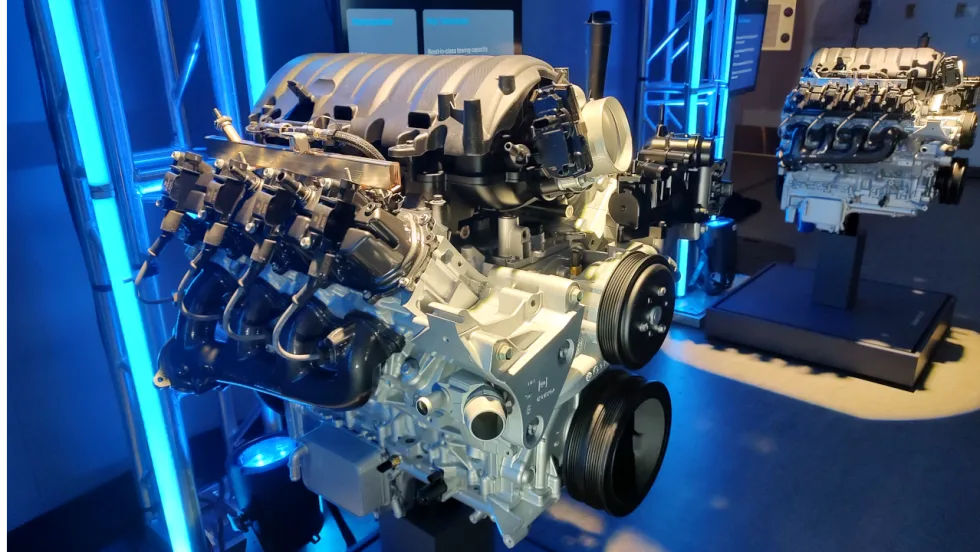
General Motors unveiled two new small-block engines, backed by extensive real-world validation and more than 70 years of small-block V8 manufacturing experience, as part of the engine portfolio for the 2027 Chevrolet Silverado 1500 and GMC Sierra 1500.
Read More →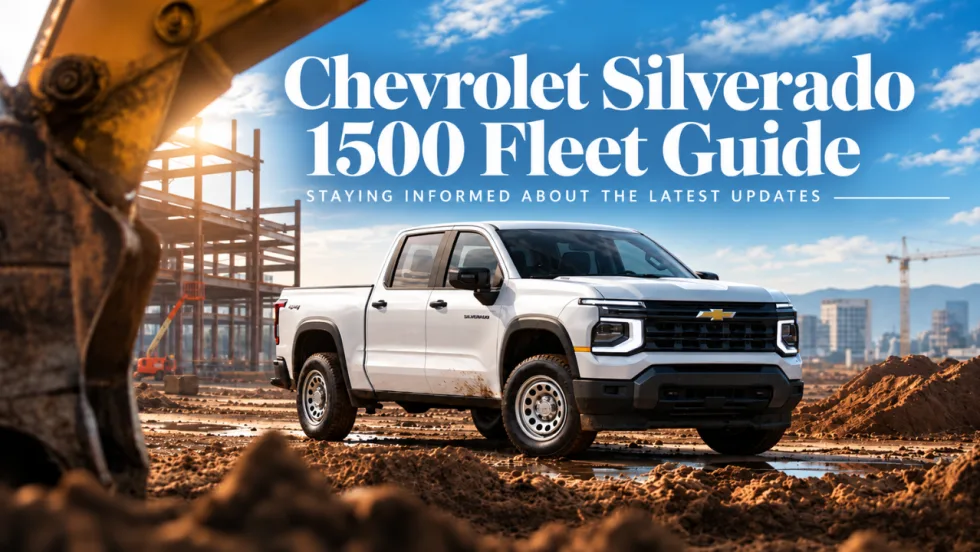
The next-generation 2027 Chevrolet Silverado 1500 brings new V-8 engines, updated technology, expanded safety features, and a fleet-focused Work Truck. Here’s what commercial fleets need to know so far.
Read More →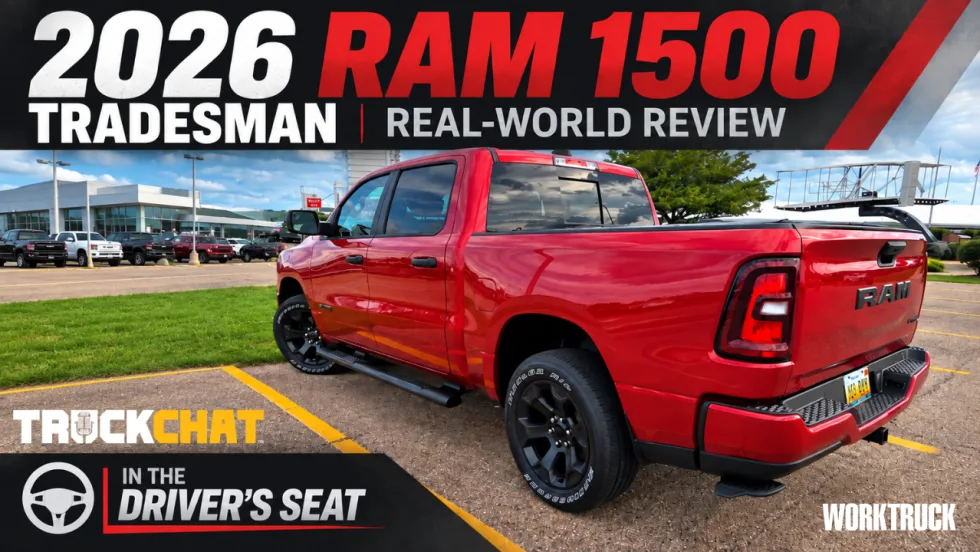
A few days behind the wheel of a 2026 Ram 1500 Tradesman turned into a test of visibility, parking, work-ready features, and even severe-weather driving.
Read More →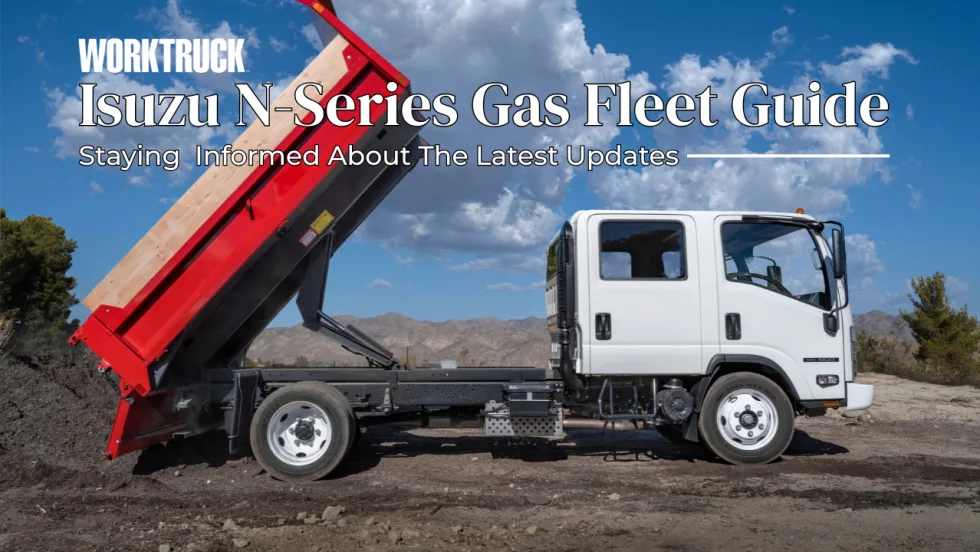
Explore Isuzu Truck North America’s N-Series Gas fleet specs, engine performance, GVWR and payload capability, configurations, chassis dimensions, work-focused features, and 2027 model-year information.
Read More →
Work Truck’s Ram ProMaster City Fleet Guide tracks the latest specifications, cargo capability, configurations, fleet technology, pricing, and model-year updates for Ram’s mid-size commercial van.
Read More →
Explore 2026 Ford F-150 fleet specs, engines, towing and payload capability, configurations, work features, technology, and model-year updates.
Read More →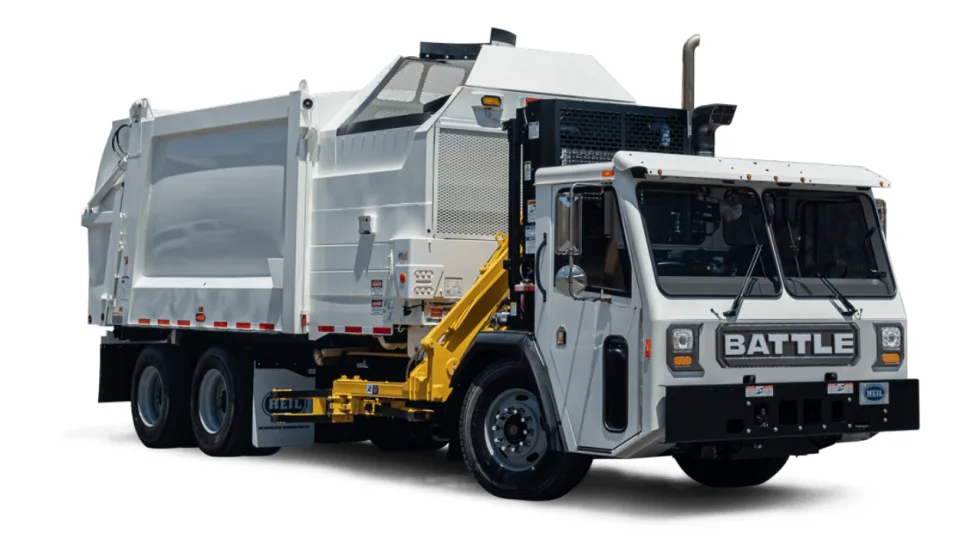
Midwest truck dealer Truck Centers, Inc. (TCI) has expanded its transportation solutions with sales and service support for Battle Motors’ heavy-duty vocational trucks at locations in locations in Indiana, Illinois, and Missouri
Read More →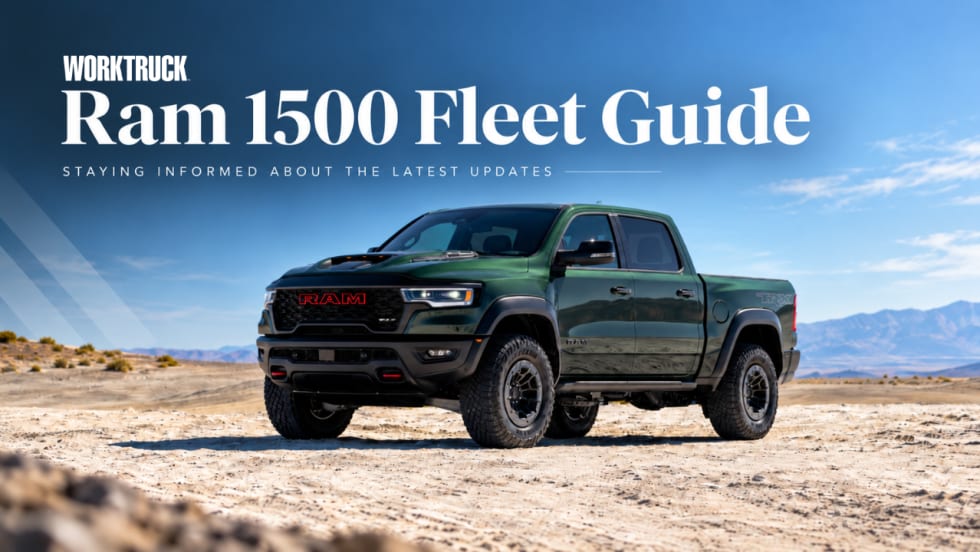
Explore always up-to-date Ram 1500 fleet specs, engines, towing and payload capability, configurations, technology, pricing updates, and model-year changes.
Read More →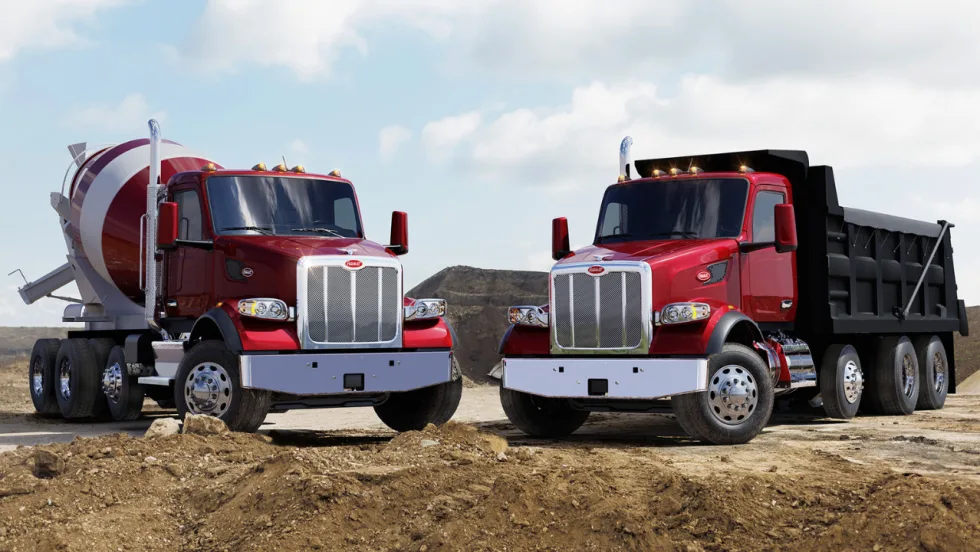
Patuxent Companies is replacing aging trucks with the Peterbilt Model 567 and Model 589, specified with the Paccar TX-18 Pro 18-speed automated transmissions, and is reporting an 8% to 10% improvement in fuel economy.
Read More →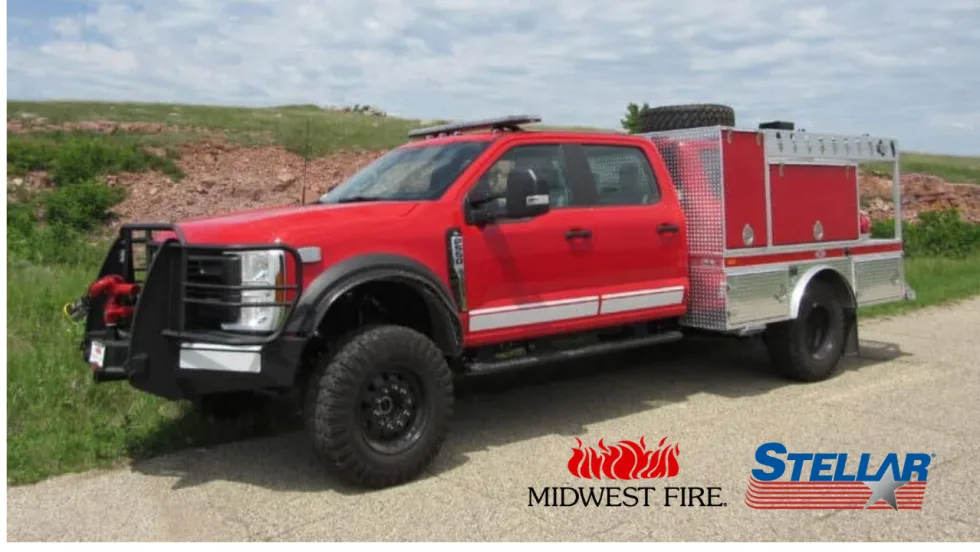
Stellar Industries has acquired Midwest Fire, a custom fire apparatus manufacturer headquartered in Luverne, Minnesota, with nearly four decades of specialized apparatus experience.
Read More →