




Fleet Interest in Environmental Issues Grows; Challenges Remain
PHH Arval conducts an annual environmental survey of public and private sector managers. Eighty percent of the surveyed fleet managers reported a growing interest in fleets’ environmental impact at their companies.
Fleet management company Arval recently conducted its annual survey of fleet managers on the subject of environmental issues. The following are some of the survey’s key results.
Eighty percent of surveyed fleet managers reported interest in their fleets’ environmental impact continues to grow at their organizations, up slightly from last year’s 77 percent. PHH’s experience has shown that for companies concerned about corporate environmental footprints, changes to manufacturing processes can be time-consuming and expensive; however, fleet can be a quick environmental win. Since most companies replace a percentage of their fleet vehicles each year, they can incorporate environmental factors into their selectors and quickly start to realize environmental benefits from the changes.
According to the survey, only 15 percent of private sector fleet managers said the environmental impact of their fleets is not a priority at their organization.
Although a number of fleet managers are still concerned about the cost of implementing an environmental program, many fleets are finding ways to reduce their environmental impact and save money. Almost 39 percent of public sector fleets and 36 percent of private sector fleets report they are finding ways to reduce costs as they reduce emissions. A small minority of private sector fleets, about 14 percent, are willing to pay extra for environmental savings. With continued economic uncertainty, it is doubtful that organizations will pay a premium for fleet emission reductions. However, as more and more companies demonstrate cost-effective ways to reduce emissions, costs should continue to decline as an obstacle.
When asked about the biggest barrier to taking additional emissions-reducing steps, cost was the top issue for public sector fleets, followed by lack of appropriate vehicles. For private sector fleets, lack of appropriate vehicles was the top constraint, followed by cost. Lack of environmental and financial data were issues for a small number of public and private fleets.
Only 28 percent of all survey respondents said they measured their fleet’s greenhouse gas (GHG) emissions PHH has found that “what gets measured, gets managed.” Measuring emissions is critical for companies developing environmentally responsible initiatives. By measuring and benchmarking, a company can be assured of factoring environmental criteria into fleet decision-making.
When setting goals, absolute GHG reduction goals are the gold standard. A GHG goal allows a company to track improvement in its fleet’s fuel efficiency, account for the impact of business changes on emissions, and assess the impact of driver behavior programs. Establishing a GHG goal also permits a company to include fleet emissions in larger corporate environmental reports. Only 25 percent of survey respondents have GHG goals for their fleets. Technology goals, the most common goal cited, do not provide insight into environmental performance. A hybrid or flex-fuel vehicle may have a better — or worse — impact on the environment than the traditional gasoline vehicle it replaces.
Most fleet managers reported they have started to educate drivers about their impact on the environment. Public sector fleet managers are way ahead of their private sector counterparts in communicating environment-friendly steps to drivers. Currently, 42 percent of all private sector fleet managers do not communicate with drivers about the role they play in fleet emissions.
The most common driver communications target driver behavior, focusing on reducing idling, excessive speeding, and jack rabbit starts — behaviors that significantly impact a vehicle’s fuel economy.
For fleets in which drivers choose their vehicles, the selections they make can have the most impact on reducing their individual emissions.
According to Karen Healey, director, product development for PHH Arval, “Green is a very hot topic these days, and more and more organizations are taking steps to reduce their carbon footprints. Two keys to successfully greening the fleet are measurement and education, and our survey shows that both of these areas still have plenty of room for growth. Organizations need to have a better understanding of the options available for reducing emissions without increasing costs and communicate with their drivers the importance of vehicle selection and behavior behind the wheel.”
Originally posted on Automotive Fleet
More Green Fleet

Fleet Forward Conference Introduces One-Day Passes for 2026
New one-day registration gives fleet professionals the flexibility to attend Tuesday, Wednesday, or Thursday, with passes available for $199 through Sept. 18.
Read More →
CALSTART Rebrands as Catalyst Mobility, Will Combine with Forth in 2027
CALSTART has rebranded as Catalyst Mobility and will combine with Forth at the start of 2027. The new organization said it is poised to become one of the world's largest, strongest, and most impactful clean transportation nonprofits.
Read More →
Electric Truck and Charging Programs to Boost Sustainability at NY & NJ Ports
Together, the Port Authority of New York and New Jersey and CALSTART will electrify drayage and terminal operations serving the East Coast’s busiest container port. A pair of incentive programs totaling $45 million has launched to accelerate adoption of zero-emission drayage trucks and terminal tractors.
Read More →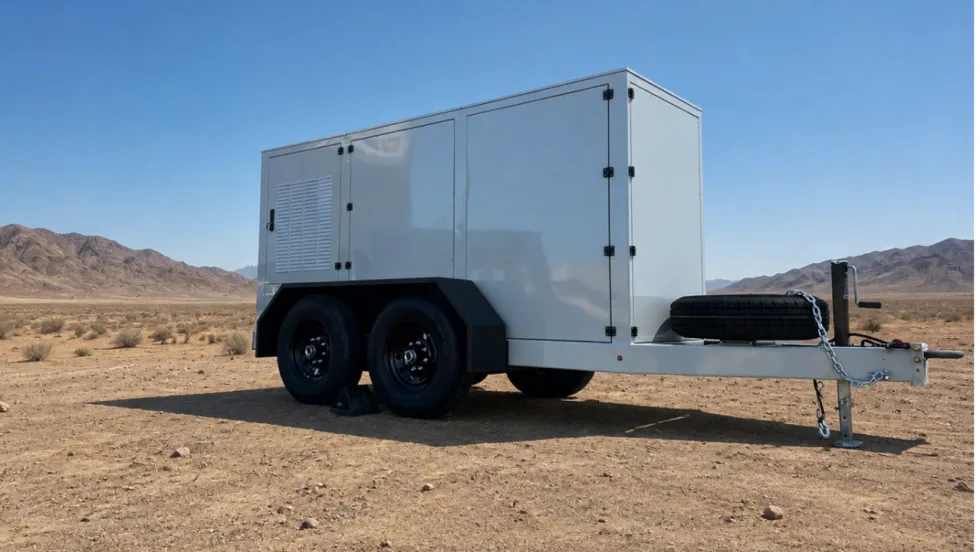
Xos Hub Surpasses One Gigawatt-Hour of Energy Delivered in the Field
A single Xos Hub has surpassed one gigawatt-hour of energy across more than 33,600 charging sessions in the field, demonstrating performance that supports Xos' expansion across new products and markets.
Read More →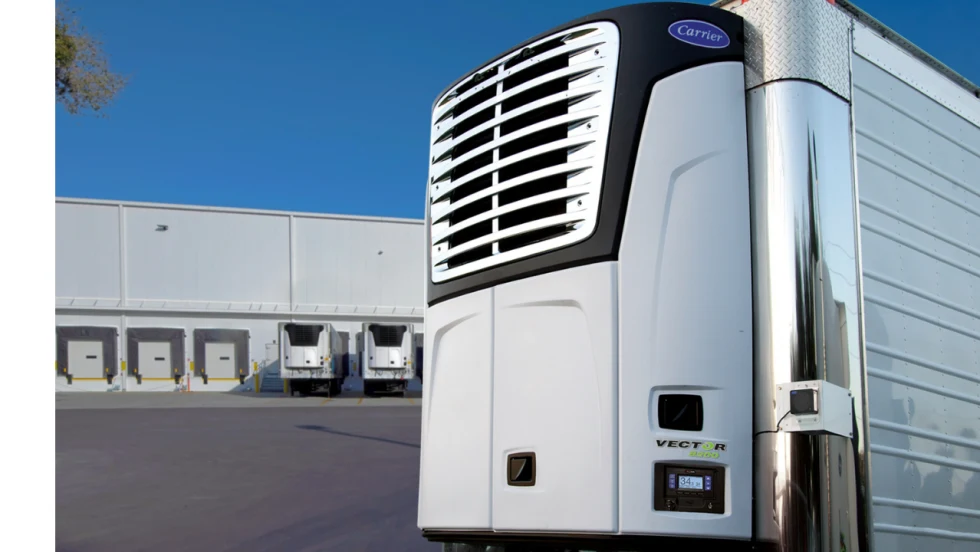
Carrier Transicold Launches All-Electric Vector 8200 TRU for Diesel-Free On-Site Cold Storage
Carrier Transicold’s first engineless multi-temperature TRU helps fresh- and frozen-food fleets add supplemental cold storage capacity during seasonal peaks.
Read More →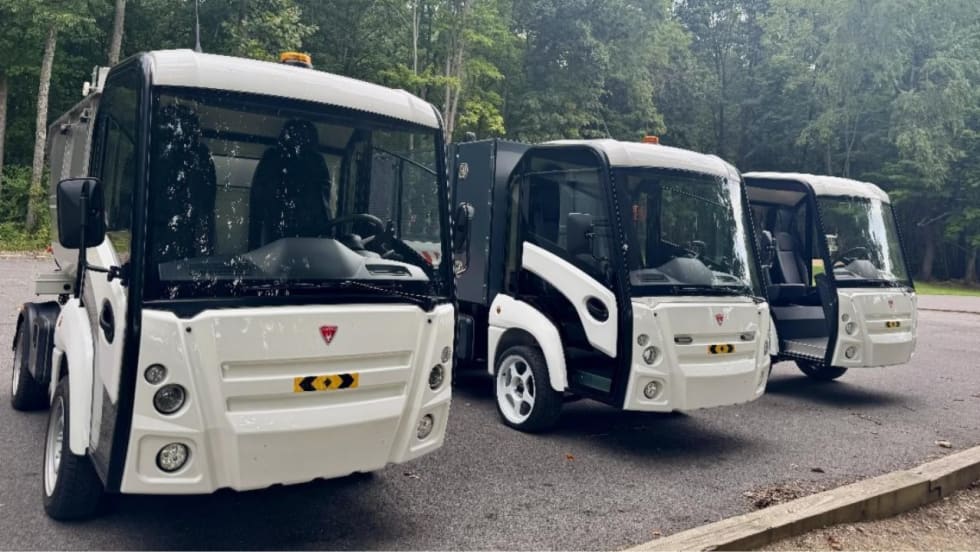
Narro Trucks Introduces Electric Utility Vehicle
Narro Trucks officially launched its operations on Aug. 20 and hosted a ride and drive to showcase its electric truck, which will be produced in Virginia.
Read More →
Samsung SDI Takes Full Control of GM Battery JV as Indiana Plant Pivots to Energy Storage
Samsung SDI is taking full control of its Indiana battery plant with GM, marking a major shift from the EV-focused joint venture Charged Fleet first covered in 2023.
Read More →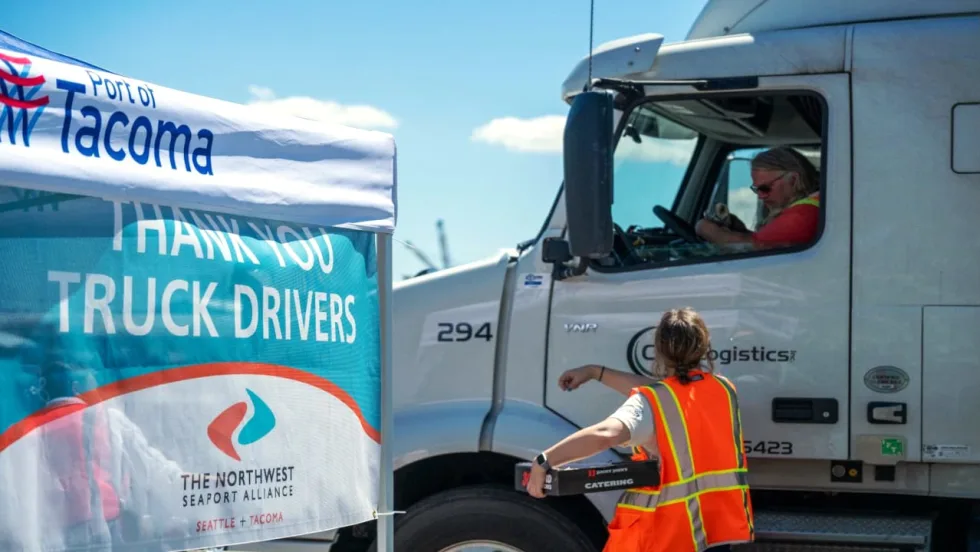
NWSA Taps CALSTART to Administer Zero-Emission Drayage Assistance Program
CALSTART will provide free technical assistance services to drayage fleets serving the Ports of Seattle and Tacoma and looking to transition to cleaner technologies and help decarbonize freight hubs.
Read More →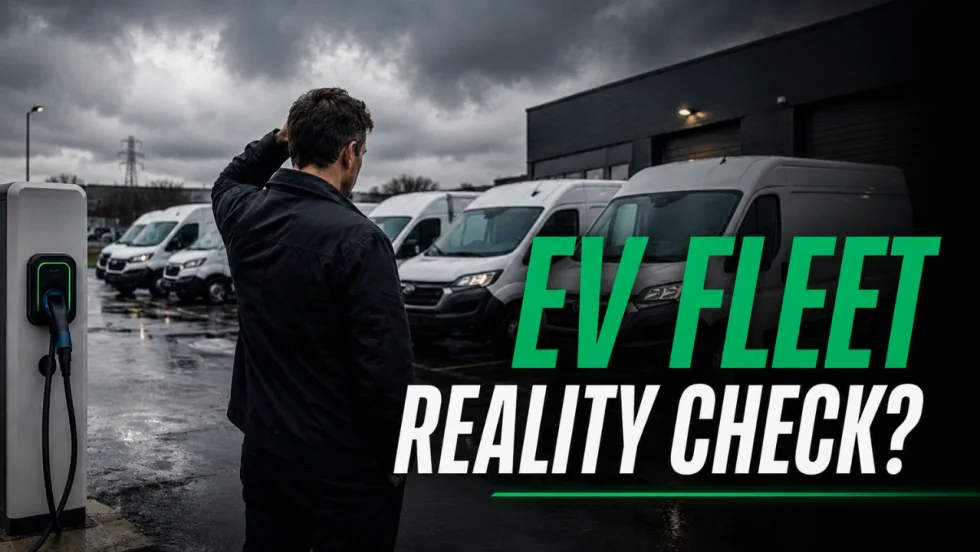
EV Fleet Reality Check: What Operators Wish They Knew Before Electrifying Their Work Vans
Electric work truck upfits bring new compatibility questions. Learn how parts availability, OEM guidance, power demands, and route planning can affect fleet performance.
Read More →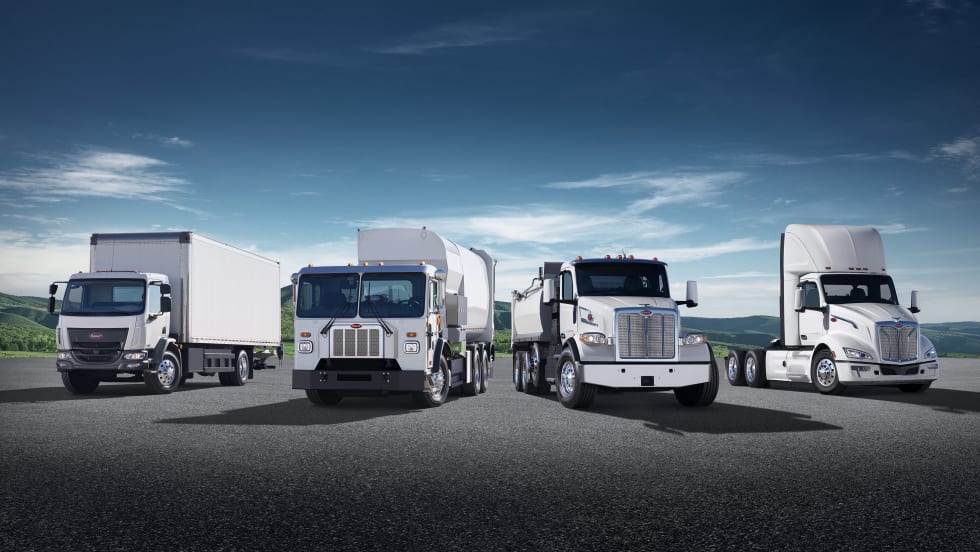
Peterbilt Expands Sourcewell Partnership with Electric Vehicle Lineup
Peterbilt Motors Company’s cooperative purchasing agreement with Sourcewell and its Canadian partner, Canoe Procurement Group, now includes including Peterbilt's battery-electric vehicle lineup.
Read More →