





Fleet 101: Transfer Cases in Work Trucks
Fleet 101: Regenerative Braking
Get to know the system used in hybrid-electric and fully-electric vehicles.
October 6, 2022
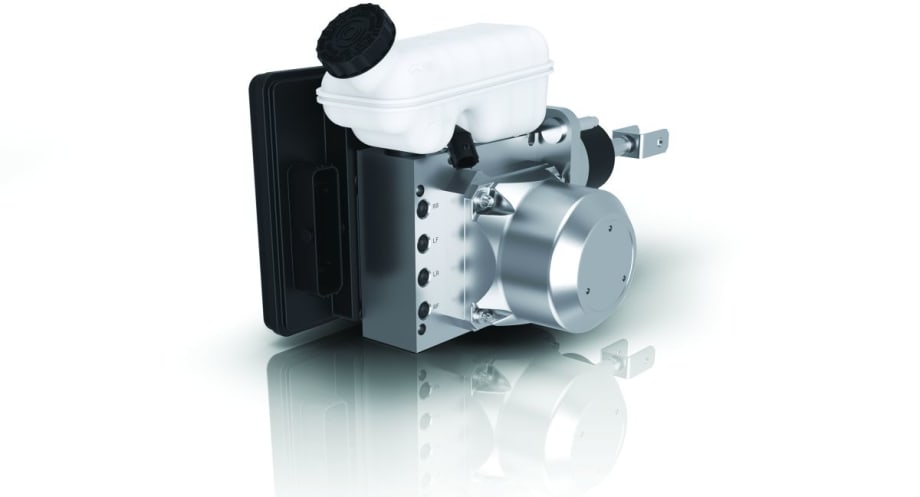
ZF’s integrated brake control system provides brake performance for automatic emergency braking and full energy recuperation for light truck segments.
Photo: ZF
6 min to read
If you’re still becoming familiar with the world of hybrid and hybrid-electric vehicles, then regenerative braking may not be in your everyday vocabulary.
Regenerative braking is essential to a hybrid- or fully-electric vehicle’s safety system. One that may not be well understood.
Are you new to regenerative braking? That’s OK. It’s time for education on regeneration.
Know Your Truck Brakes
Conventional braking and regenerative braking go together, but there’s one big difference between the two.
In conventional braking systems, the discs and brake pads create friction when the driver hits the brake pedal. The kinetic energy from the created friction goes back into the environment as heat.
Here is where the difference in regenerative braking comes in. According to J.D. Power, the change from conventional braking is that the system will recover the kinetic energy and convert it into electricity instead of heat.
Rich Nesbitt, head of product management for Chassis Systems Control, North America at Bosch, further explained this system. Bosch is a global supplier of technology and services. The company has hardware and software system solutions available on the braking and powertrain sub-systems.
“High-level, regenerative braking is deceleration (braking) performed by an electric motor/generator,” Nesbitt said. “There are various ways to implement regenerative braking, but all require some amount of electrification of the vehicle.”
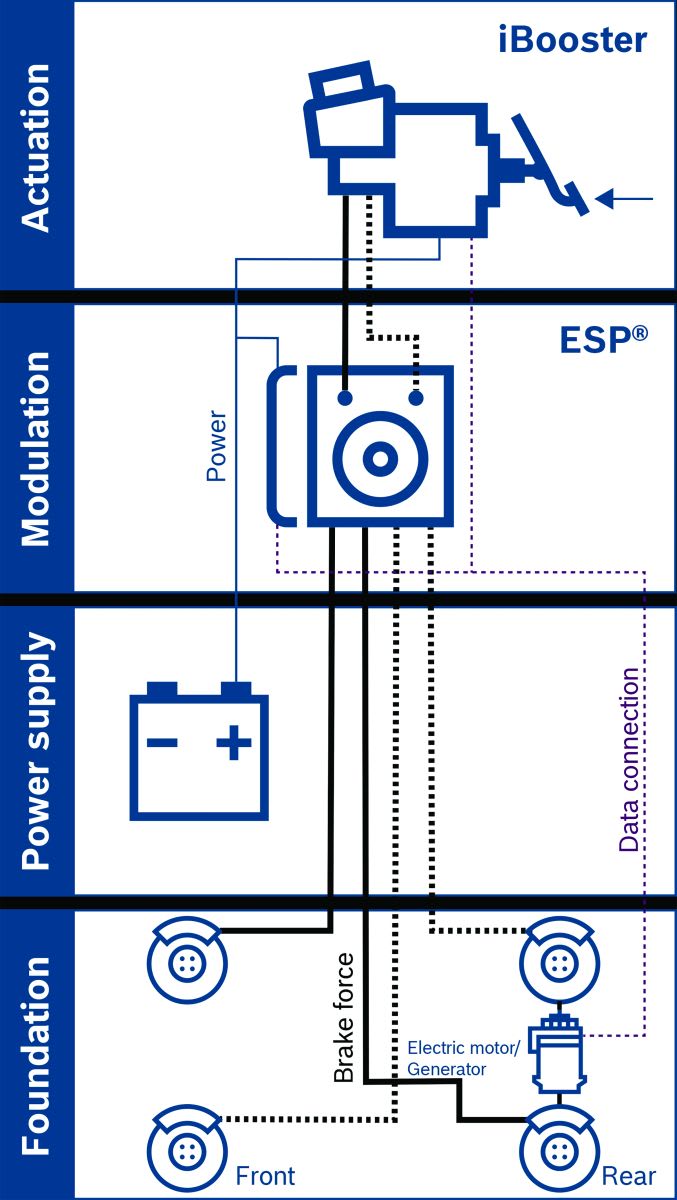
Regenerative braking converts the kinetic energy from braking into electric power, which will charge the vehicle’s battery.
Photo: Bosch
Nesbitt described three ways regenerative braking is implemented: coast regen, overlay regen, and blended regen.
Coast regen is regen braking that can be ramped in upon accelerator release to mimic or add to the normal deceleration that occurs when a vehicle is coasting.
Overlay regen is when the driver presses the brake pedal in a standard coupled system, regen is added onto or “overlays” the normal friction braking that the driver is performing.
Blended regen occurs in a decoupled or more sophisticated brake system. The driver’s command is taken as an input to the brake system. The brake system will balance friction and regen braking based on the driver’s input and availability of regen. The system will automatically blend between the two to maximize energy recovery.
Additionally, ZF offers integrated solutions for established vehicle manufacturers.
Dan Milot, senior vice president of braking engineering at ZF, broke down regeneration. In doing so, he mentioned an algorithm that decides what braking or amount of braking is necessary to slow down the vehicle.
“This algorithm will command the electric powertrain to go into a charging mode where the electric machine, as opposed to using energy, is creating energy to store in a battery,” Milot explained.
According to Milot, the electric machine is attached to the axle then gets slowed down based on the negative torque applied by the electric machine.
“The electric machine often cannot do all the braking,” Milot said. “It has to blend with some form of the hydraulic or pneumatic conventional braking system on the vehicle itself.”
Hold Your Brakes
Now that you have a better understanding of how regenerative braking works, let’s discuss the benefits and challenges of regenerative braking.
We’ll start with the challenges and end on a high note.
According to Milot of ZF, conventional braking and regenerative work in concert, but that can be a challenge.
“The biggest challenge is making the whole regeneration and conventional brake system seamless to the driver, ” Milot said.
Milot added that regenerative braking aims to make it feel like conventional braking and similar to a normal vehicle.
It’s also important to note regenerative braking does not replace friction braking, according to Nesbitt of Bosch.
“At high speeds, the motor/generator can generate high amounts of power that cannot be absorbed by the energy storage device (battery), so the amount of regen will be capped by these power limits and friction braking must be used to fulfill the driver’s deceleration request,” Nesbitt said.
Now, let’s look at the benefits, and it’s all about the electricity created.
“Regenerative braking recovers braking energy and returns it to the energy storage device (typically a battery), extending the vehicle’s electric range,” Nesbitt said. “This is energy normally lost to heat through the friction brakes.”
Milot echoed this benefit of regenerative braking, saying an electric machine generally means the vehicle has a sizable battery system.
“With that sizable battery system, you want to keep it charged as long as you can by using the kinetic energy of the vehicle when you’re stopping and taking that kinetic energy that allows you to extend the range of the battery usage during the drive cycle,” Milot said.
According to J.D. Power, the latest regenerative braking systems can recover up to 70% of the kinetic energy otherwise lost during braking.
Own Your Brakes
If there are still some hands up with questions on regenerative braking, we can guess what they may be.
Is there any maintenance required for this braking system?
According to ZF’s Milot, there’s nothing glaringly different on the maintenance side that an operator would see with conventional braking.
“On the electric motor side, you’re going to operate it as you would normally, and whatever the current maintenance schedule is for that type of system that gets maintained,” Milot said. “Regenerative braking doesn’t impact the maintenance side of things, but what it can do is potentially save you some extended wear on the pads.”
Regenerative braking doesn’t require the driver to use the pads at every stop. In return, this can prolong the life of the brake pads. However, the brake pads will still need to be changed.
Do drivers see any difference in utilizing a regenerative brake system?
From the operator’s perspective, it’s natural to wonder if there is an adjustment when using the regenerative braking system.
“The type of regenerative braking implementation determines if any operator adjustment is needed, but in all cases, the adjustment is intuitive,” Bosch’s Nesbitt explained.
For example, when the driver fully releases the accelerator pedal in high coast regen implementations, the vehicle will decelerate more than in a non-regen-equipped vehicle.
“A small adjustment to the rate of release or not fully releasing the accelerator provides the operator the ability to control the regen braking,” Nesbitt said.
The regenerative braking should be completely seamless to the operator and require no adjustment, according to Nesbitt. An example of this can be seen in a fully blended regen braking system. However, blended systems could also include various amounts of coast regen.
“There really shouldn’t be anything that the driver would have to learn or to adapt to,” said Milot of ZF. “The goal from the supply base and auto manufacturers is all about making those types of systems seamless.”
Taking a ‘Brake’
Regenerative braking is a system that’s still seeing advances. The evolution of this system continues as technology changes.
“Advances are occurring as manufacturers go from one electric machine to multiple electric machines,” concluded Milot of ZF. “Regenerating multiple axles independent from one another is the next arena of technology development. I wouldn’t say that that is a significant revolutionary change from what regenerative braking is today, but it is an evolution.”
Want to know more about electric vehicles? Tire designs for electric trucks will need to account for greater stresses from weight and torque — but they will need to remain interchangeable with existing tires and be retreadable. What will electrification mean for truck tires?
Subscribe to Our Newsletter
More Green Fleet

Fleet Forward Conference Introduces One-Day Passes for 2026
New one-day registration gives fleet professionals the flexibility to attend Tuesday, Wednesday, or Thursday, with passes available for $199 through Sept. 18.
Read More →
CALSTART Rebrands as Catalyst Mobility, Will Combine with Forth in 2027
CALSTART has rebranded as Catalyst Mobility and will combine with Forth at the start of 2027. The new organization said it is poised to become one of the world's largest, strongest, and most impactful clean transportation nonprofits.
Read More →
Electric Truck and Charging Programs to Boost Sustainability at NY & NJ Ports
Together, the Port Authority of New York and New Jersey and CALSTART will electrify drayage and terminal operations serving the East Coast’s busiest container port. A pair of incentive programs totaling $45 million has launched to accelerate adoption of zero-emission drayage trucks and terminal tractors.
Read More →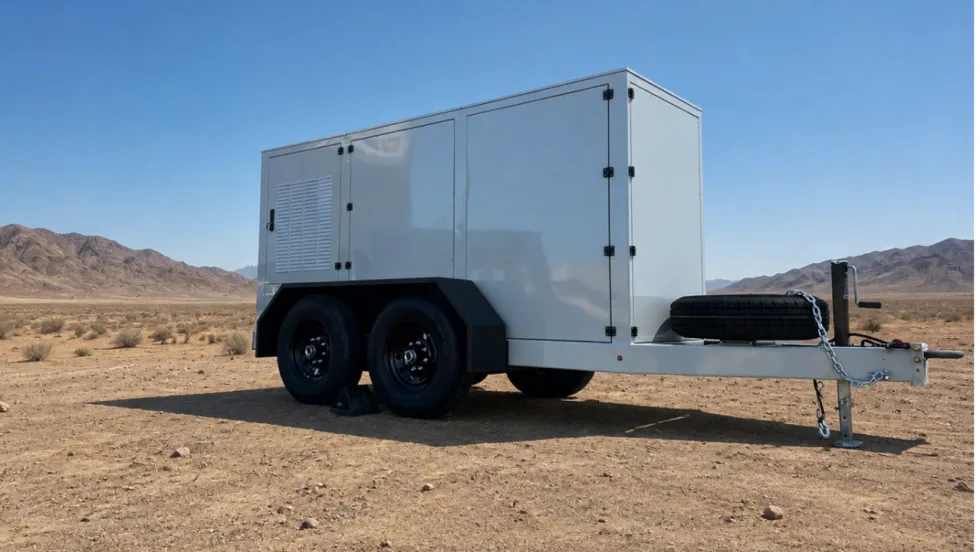
Xos Hub Surpasses One Gigawatt-Hour of Energy Delivered in the Field
A single Xos Hub has surpassed one gigawatt-hour of energy across more than 33,600 charging sessions in the field, demonstrating performance that supports Xos' expansion across new products and markets.
Read More →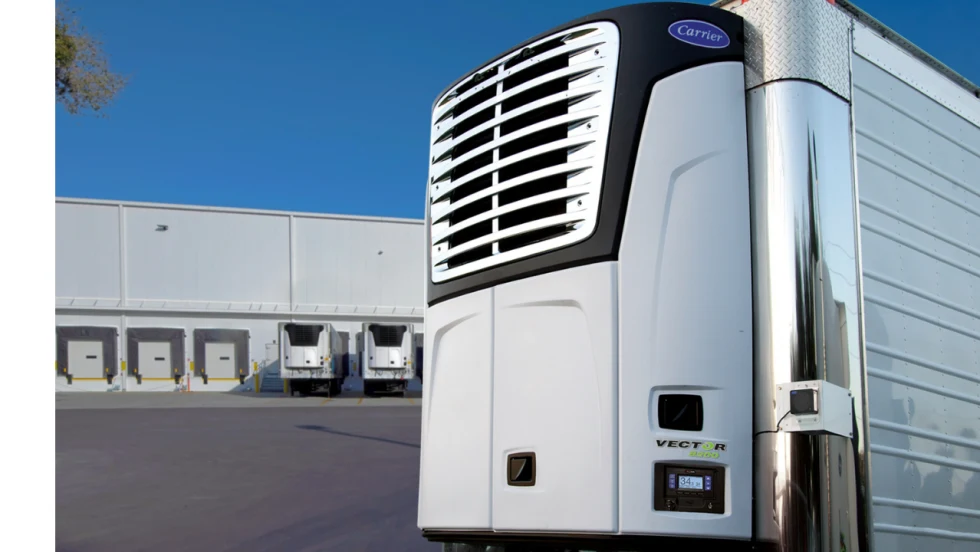
Carrier Transicold Launches All-Electric Vector 8200 TRU for Diesel-Free On-Site Cold Storage
Carrier Transicold’s first engineless multi-temperature TRU helps fresh- and frozen-food fleets add supplemental cold storage capacity during seasonal peaks.
Read More →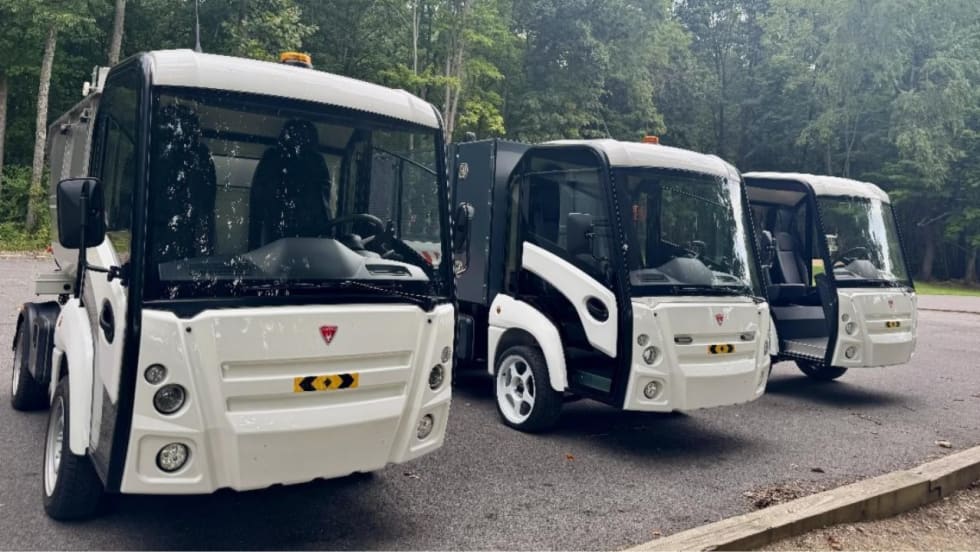
Narro Trucks Introduces Electric Utility Vehicle
Narro Trucks officially launched its operations on Aug. 20 and hosted a ride and drive to showcase its electric truck, which will be produced in Virginia.
Read More →
Samsung SDI Takes Full Control of GM Battery JV as Indiana Plant Pivots to Energy Storage
Samsung SDI is taking full control of its Indiana battery plant with GM, marking a major shift from the EV-focused joint venture Charged Fleet first covered in 2023.
Read More →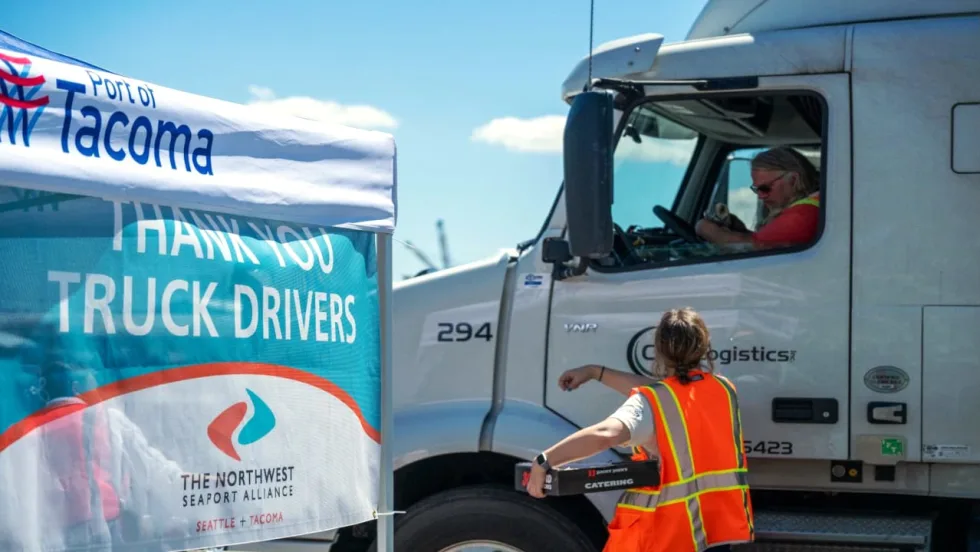
NWSA Taps CALSTART to Administer Zero-Emission Drayage Assistance Program
CALSTART will provide free technical assistance services to drayage fleets serving the Ports of Seattle and Tacoma and looking to transition to cleaner technologies and help decarbonize freight hubs.
Read More →
EV Fleet Reality Check: What Operators Wish They Knew Before Electrifying Their Work Vans
Electric work truck upfits bring new compatibility questions. Learn how parts availability, OEM guidance, power demands, and route planning can affect fleet performance.
Read More →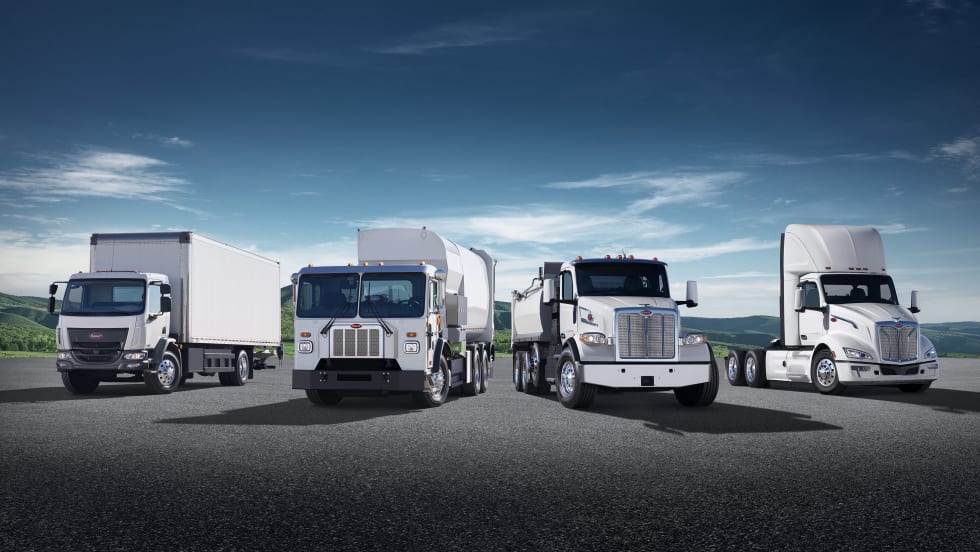
Peterbilt Expands Sourcewell Partnership with Electric Vehicle Lineup
Peterbilt Motors Company’s cooperative purchasing agreement with Sourcewell and its Canadian partner, Canoe Procurement Group, now includes including Peterbilt's battery-electric vehicle lineup.
Read More →