




Top 11 Tips for Spec’ing Equipment for Commercial Vehicle Fleets
Five Steps To Properly Spec'ing a Truck
Knowing the fundamentals of pickup selection and spec'ing can ensure you get the right truck for the job.
by Wayne Reynolds
January 1, 2003
Knowledge gained of application requirements and operational parameters can now be used to choose an appropriate chassis.
Photo: Work Truck
10 min to read
Small to mid-size fleet operations face many challenges in today's business environment. Individuals responsible for truck or equipment acquisition typically wear many hats in these organizations with varied and multiple responsibilities. In many cases, the business owner manages the vehicles. Few, however, have the necessary technical knowledge to properly spec trucks to meet specific job applications.
For those who try, the outcome - more likely than not - will be higher operating costs as a result of inefficiency, mechanical failures, downtime, or higher capitalized cost.
So what strategy should you, the owner or fleet manager, use? You could attend training, but that could take years and is not really a practical approach. Another way is to manage the process. This can be an effective method for small fleets but it requires an understanding of the fundamentals of vehicle spec'ing and upfit processes. Essentially, you need to learn what questions to ask.
Following is a five-step approach covering the basics of truck selection and spec'ing, along with a description of common mistakes made, what can happen as a result of these errors and explanations of how to avoid them.
Putting It In Perspective
Before describing the steps in spec'ing, we need to put a few aspects of the process in perspective.
- Trucks, from pickups through Class 8's are made to do work. They are spec'ed and designed to do a job. In this article "truck spec'ing" encompasses the chassis and body because body application and operational considerations are integral parts of truck/chassis spec'ing. This may be stating the obvious, but in the real world decisions are frequently made based on the wrong considerations. For example, a company may allow budget restraints or CDL requirements to drive GVW decisions. This is like trying to put the proverbial square peg in the round hole.
- There is not a single approach to truck acquisition and spec'ing. It is typically accomplished through the efforts of several organizations. This is true even if you use a single-source provider who oversees the process, bringing together the various components and suppliers. For example, a dealer supplying the chassis (note, dealers are not the sole source of truck chassis) may work in conjunction with an equipment distributor, body installer, fleet management company or all three! Along this line, I would caution against novice truck buyers trying to source all of the components themselves in an effort to save money. This can increase your liability. It is often better to add a level between you and the individual supplier. In addition, the relationship the single source provider has with his vendors frequently makes warranty or repair issues easier to deal with.
- The root of the problem in spec'ing for the average buyer is the complexity. There are thousands of possible truck configurations. Each one tailored to a specific job or application. To do it right requires detailed understanding of many different measurements and the relationship of multiple components.
Here are just some of the dimensions used.
- AF = Axle to End of Frame
- BA = Bumper to Axle
- BBC = Bumper to Back of Cab
- BL = Body Length
- CA = Cab to Axle
- CB = Cab to Body
- CE = Cab to End of Frame
- FH = Frame Height
- LA = Load to Axle
- OAL = Overall Length
- WB = Wheelbase
Actually, understanding the dimensions is relatively simple. It's the lack of technical knowledge that limits the novice, such as the relationship of horsepower to desired road speed or axle ratio or torque. Leave these calculations to the professional. Your job is to gather information by asking the right questions and communicate what you have learned to the vendor you have chosen to partner with.
In fact, that partner should be acting as a consultant, walking you through the process and working on your behalf. Identifying a good one is critical and probably one of the most important choices you will have to make.
Five-Step Approach To Spec'ing Trucks
- Understand the application requirements
- Understand the operating parameters
- Select the chassis
- Select the powertrain
- Select the body
Please note when you see text in bold italics, it's because it is critical to the process. How successful you are in acquiring the right vehicles is to a large extent dependent on how thoroughly you have researched these areas.
Step 1:Understand the application requirements
This along with the operating parameters is at the heart of the matter. You must have a clear understanding of what this vehicle is expected to do and how.
- Know your truck needs. Gather information from the field. Talk to the drivers or technicians and ask questions. If need be, schedule site visits to see firsthand what use the truck is being put to and to confirm what is really needed as opposed to what an operator may want.
- Determine the maximum payload weight requirements. Will the GVWR (gross vehicle weight rating) satisfy the payload requirements? If towing a trailer, is the GCWR (gross combined weight rating) adequate? It is surprising how many fleets don't actually know what their payload needs are. If necessary, have a fully loaded unit weighed. Ideally, you should add a reserve capacity of approximately 20 percent to the maximum payload.
- Determine the volume/size of payload. What are its dimensions? Will it be loaded on pallets? Can it be stacked, and if so, how high?
- Determine the type of payload. What is the nature of the product carried? Is refrigeration required? Is it palletized boxes or loose sand? This will dictate the truck/body combination you will need.
- Determine the loading requirements. Will it be loaded at a dock? What is the height? Will a forklift be used? If so, what door opening height is needed? Will a liftgate be required? Will a side door be needed for off-loading? What type?
Step 2: Understanding the operating parameters
This is the "how" portion of the heart of the matter and equally important.
- How will the truck be utilized? Will it be operated fully loaded or with a diminishing load?
- Understand the operating conditions. Where will the unit be utilized? Will it be in mountains or extreme weather?
- Define performance requirements. There are multiple factors under this heading including: desired cruising speed, desired startability, desired high gear gradeability and cruising speed and vehicle configuration. This is one of those areas where you can leverage off the experience and knowledge of your chassis provider to help make decisions as to what vehicle configuration best suits your needs.
- Determine maintenance requirements. Review maintenance records of an existing truck in the same application. Are they reasonable or can you identify problems? Most vehicles suffering repeat or related failures are under spec'ed. Again, talk to the drivers.
Step 3: Select the chassis
Knowledge gained of application requirements and operational parameters can now be used to choose an appropriate chassis. Below are listed some of the key considerations. This is another area where you will need to work closely with your chassis provider.
- Maximum payload, GVWR/GCWR (including reserve GVW).
- Gross axle weight rating (GAWR). GAWR is important because the certified GVWR is determined by the lowest rating of the load carrying components which include the frame, springs/suspension, axles and tires. Contrary to what most novice buyers believe, that's usually tires.
- Maintenance and warranty repair accessibility. Is there a shop in the area to handle repair or warranty work? It makes little sense to purchase a brand name with no support in the area in which the vehicle is operated.
- Regulatory requirements (federal and state). Besides the DOT regulations you must be aware of state and local statutes. Be sure to check if any have changed since your last truck was purchased. Listed here are some of those most frequently encountered.
- Weight/reporting regulations
- >10,000 lbs. requires DOT registration.
- >26,000 lbs. requires CDL licensing.
- <26,000 lbs. but with air brakes will still require an air brake endorsement. This one is frequently missed.
- >33,000 lbs. subjects you to 12% FET.
- HAZMAT laws. Determine if the cargo you are handling falls under one of the rules governing hazardous material. If so, make sure you are conforming to the law.
Step 4: Select the powertrain
The powertrain consists of the engine, transmission, driveline, rear axle, wheels and tires.
Again, refer to the application requirements and operating parameters. They will drive the choice of components. This is another area where your chassis provider will be indispensable. Some considerations are:
- Operating altitudes and temperatures. Will the unit be operated in the mountains or at extreme temperatures?
- Vehicle configuration, i.e., number of drive axles and tires.
- Performance criteria and speed. Includes desired cruising speed, startability, high gear gradeability and cruising speed. Speed ranks right behind payload in importance when spec'ing trucks. It affects horsepower requirements, guides engine and transmission selection, is a factor in axle ratio selection and the basis for many other powertrain specifications such as engine rpm and engine governors.
- Expected operating surfaces. Will the vehicle be operated on highway surfaces or off-road sites?
- How the truck will be used? Will it be operated in stop and go city traffic or open highways?
Step 5: Select the body
We're back to the pillars of truck spec'ing - application requirements and operating parameters and the last step in the process. You will need to work closely with your chassis provider and/or body company to be sure the end product meets your needs. Below are just some of the considerations.
- Payload type and volume: What is your cargo? Obviously the type, volume and weight of the product drive the body. Are there refrigeration requirements?
- Loading and unloading requirements and methods: Are you loading at a dock? If so, what is the height? Are there specific rear and/or side door requirements? Will you be using a fork lift? Is a liftgate or ramp needed?
- Cargo restraint system: How will you secure the load?
Common Mistakes to Avoid
Using what you have learned about the fundamentals of truck spec'ing in managing the process should help you avoid some of the most common errors. But just in case, here is alist of frequently made mistakes, the consequences associated with them and a strategy to avoid the problem.
1. Not understanding the application and/or upfit
This is the basis of most common errors. It will result in vehicles not optimally configured for the job; ultimately resulting in higher costs. As outlined previously, do the background work and talk to your people in the field. Consult with providers.
2. Underspec'ing
This is the most commonly made error. It is frequently a result of avoiding the 26,000-lb. CDL requirement or not considering additional equipment needs. It will increase maintenance costs and downtime while decreasing efficiency. It also increases your liability risk.
Know your application requirements - especially payload.
3. Overspec'ing
This does nothing but increase your capital cost.
Know your application requirements - again, especially payload.
4. Buying vehicles under 26,000 lb. GVWR but with air brakes/Driver does not have endorsement
Be aware of federal and state regulations. Avoid dealers who just want to sell you what they have in stock, rather than what you really need.
5. Chassis misapplied -- on-/off-road applications
Using a chassis for off-road use not properly spec'ed may cause warranty, liability or mechanical problems. Know your operating parameters. Consult with your providers.
6. Not understanding your finance options
This can result in higher capital costs or cash flow than necessary. Research applicable purchase/fleet rebates and incentives. This can save you thousands of dollars, and is well worth the time invested. Research the various lease options (open, closed, TRAC, buy-backs). Consult with your providers.
7. Ordering "the same truck as the last one"
Relying only on past specs puts you in jeopardy when things change. Consult with your field people. Verify that applicable local/federal regulations have not changed. Consult with your providers.
8. Lack of planning resulting in buying what is available rather than what you want or need
Not planning ahead can cost you a premium. Understand lead times for vehicle chassis and body building. Consult with your providers.
Concentrate on the Critical Elements
While all of the information presented here can be helpful at some time, it's unlikely you will remember everything covered. So concentrate on the most critical elements.
Know your application requirements and operating parameters -- especially maximum payload. Talk to your drivers and technicians to understand desired performance criteria -- especially speed.
Research provider options and settle on one willing to act as consultant and willing to leverage on their knowledge and experience. Doing these things should allow you to manage the process.
About the Author: Wayne Reynolds was a long-time employee of LeasePlan USA, retiring in 2021 after 26 years.
Subscribe to Our Newsletter
More Vehicle Insights

Truckers’ Strike Rumors, Electric Fleet Lessons, and GM’s New Duramax Lead This Week’s News
Truckers’ strike rumors, Republic Services’ electric fleet lessons, GM’s new 8.3L Duramax, van upfitting, Ford Pro used trucks, and more headline this week’s Truck Chat Cheat Sheet.
Read More →
Morgan Olson Launches North America’s Longest Working Step Van Challenge
Morgan Olson has launched North America’s Longest Working Step Van Challenge, a new customer campaign to find the longest-working qualifying Morgan Olson or Grumman step van actively delivering packages for an independent service provider contracted by FedEx.
Read More →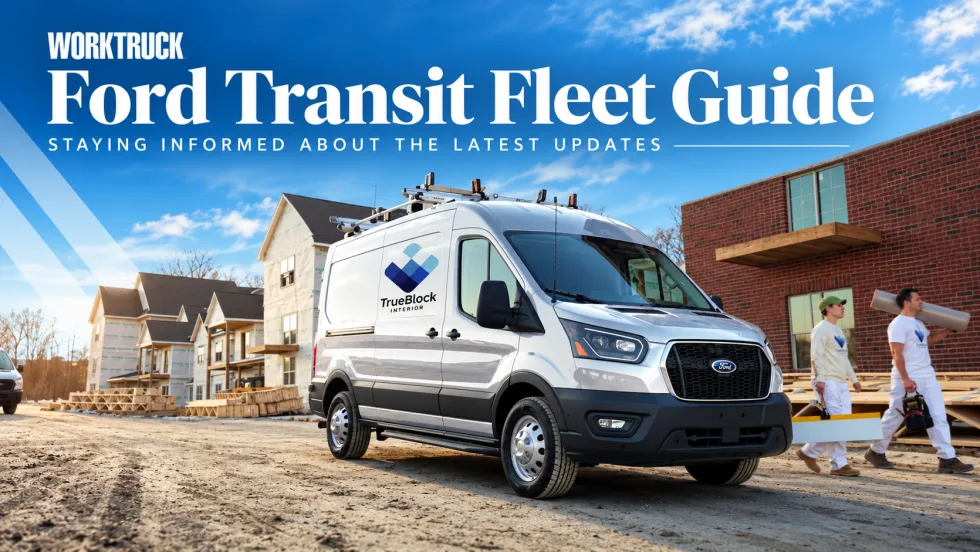
Ford Transit Fleet Guide Specs Capability and 2027 Model-Year Updates
Explore 2027 Ford Transit fleet specs, engines, payload and towing capability, cargo configurations, work features, technology, and model-year updates.
Read More →
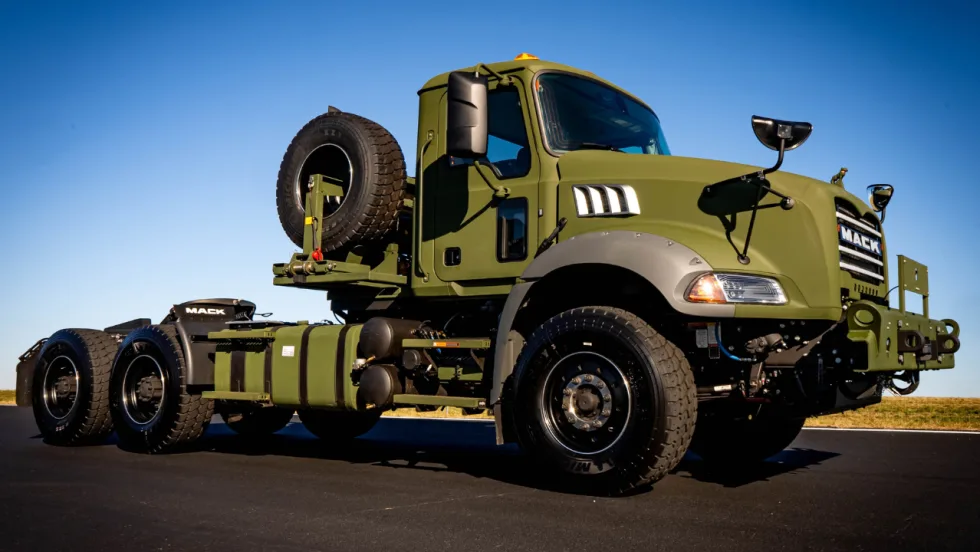
Mack Defense to Spotlight Common Tactical Truck Line Haul Hybrid Tractor During AUSA 2026
Mack Defense was awarded a contract to design, build, and deliver prototype vehicles for the U.S. Army’s Common Tactical Truck (CTT) program. It will show off its line-haul hybrid tractor prototype, based on the Mack Granite, at the 2026 United States Army (AUSA) Annual Meeting and Exposition.
Read More →
Advance Produces 20,000th Front-Discharge Mixer
Advance celebrated the production of its 20,000th front-discharge mixer, a Commander Series FD4000 mixer. Jack Willard first developed the original Rite-Way Truck in 1964, and then Advance was established in 1972.
Read More →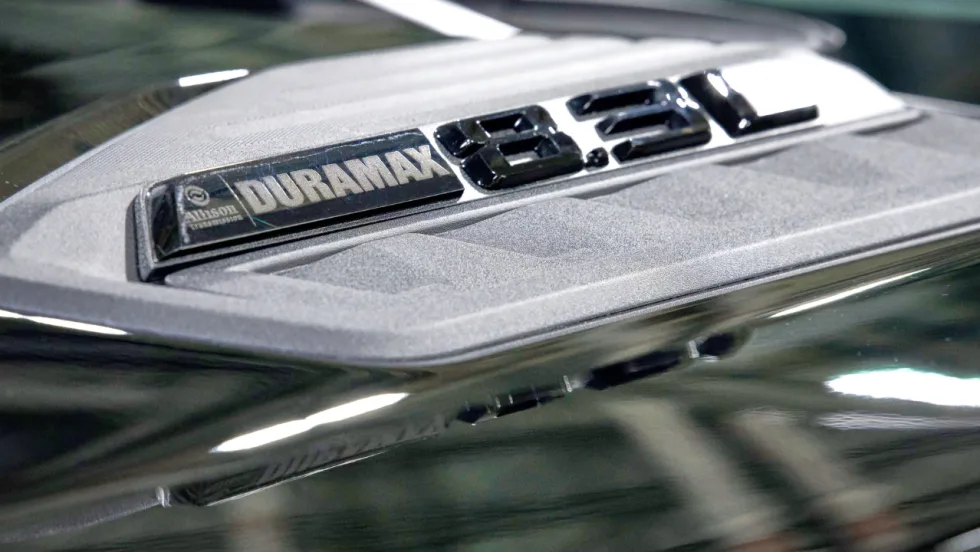
GM Launches Clean Sheet Duramax 8.3L Turbo-Diesel V8 for 2027 HD Pickups
General Motors previewed key updates for its 2027 HD pickup lineup, which will now include a new Duramax 8.3L Turbo-Diesel, electric power steering, and electronic brake boost.
Read More →
GMC Sierra 1500 Fleet Guide Specs Capability and 2027 Model-Year Updates
The next-generation 2027 GMC Sierra 1500 brings new V-8 engines, more standard safety technology, updated trailering tools, and a work-focused Pro trim. Here’s what fleets need to know.
Read More →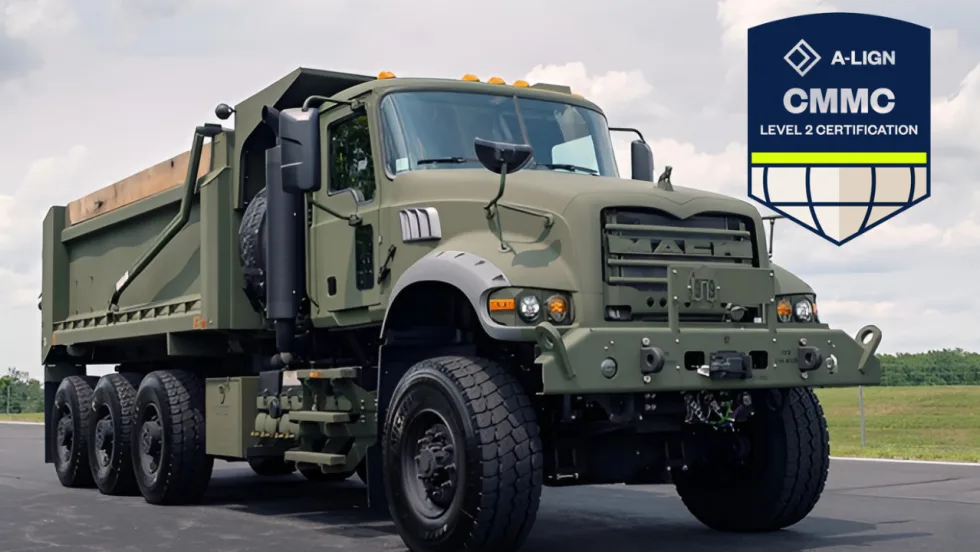
Mack Defense Achieves Cybersecurity Maturity Model Certification Level 2
After an assessment conducted by an authorized Certified Third-Party Assessment Organization (C3PAO), Mack Defense has achieved Cybersecurity Maturity Model Certification (CMMC) Level 2.
Read More →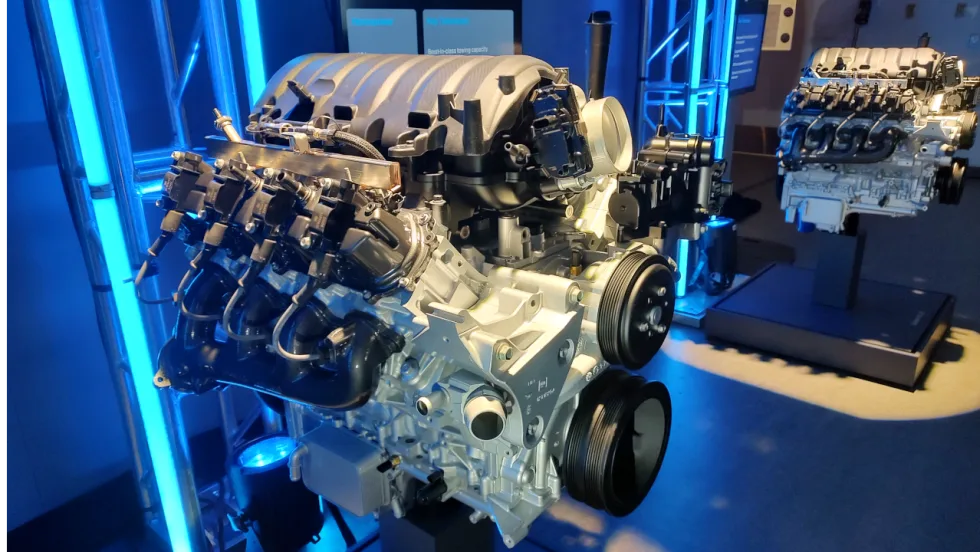
GM Unveils New Sixth-Generation Small Block Engines for 2027 Light-Duty Pickups
General Motors unveiled two new small-block engines, backed by extensive real-world validation and more than 70 years of small-block V8 manufacturing experience, as part of the engine portfolio for the 2027 Chevrolet Silverado 1500 and GMC Sierra 1500.
Read More →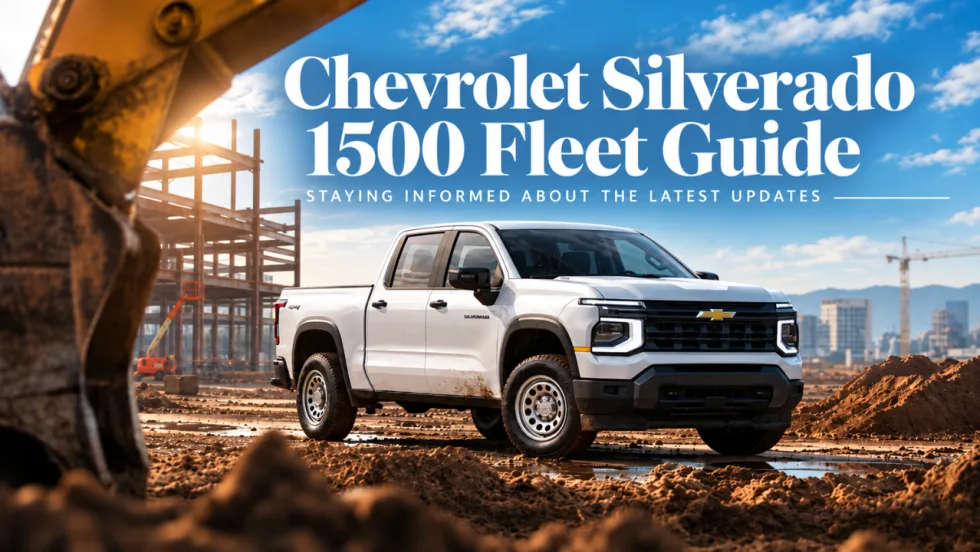
Chevrolet Silverado 1500 Fleet Guide Specs Capability and 2027 Model-Year Updates
The next-generation 2027 Chevrolet Silverado 1500 brings new V-8 engines, updated technology, expanded safety features, and a fleet-focused Work Truck. Here’s what commercial fleets need to know so far.
Read More →