




Exploring the True Value of Comvoy’s CEV Hub
The true value of the new Commercial Electric Vehicle Hub on Comvoy.com is the research and information it provides electric vehicle fleet buyers and dealership sales teams. Two of the key people behind the scenes at Work Truck Solutions share more about how it all works.

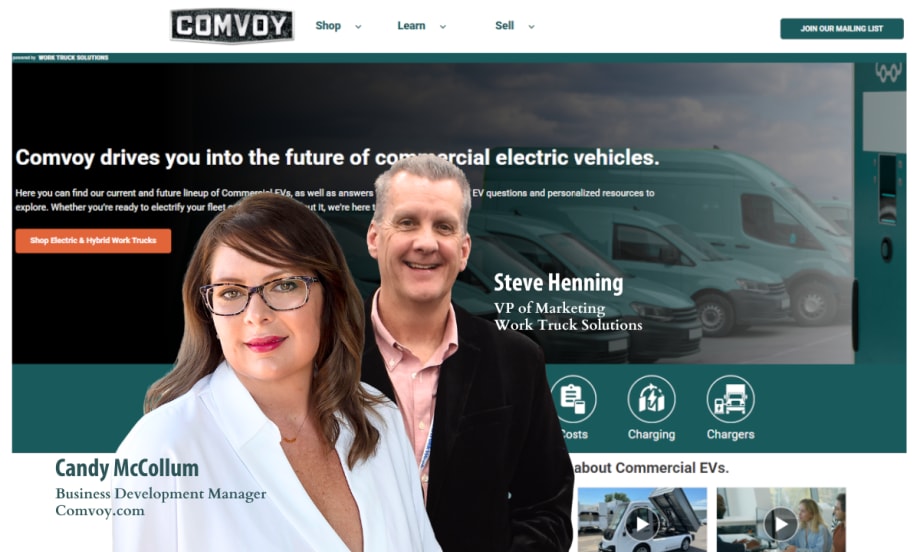
Candy McCollum, Comvoy's business development manager who helped lead CEV Hub to fruition, and Steve Henning, vice president of marketing at Work Truck Solutions, share insights about the new commercial EV research tool.
Photo: Work Truck Solutions/Work Truck
The Commercial Electric Vehicle Hub (CEV Hub) launched earlier this month on Comvoy.com as far more than just a place to browse or search for Commercial EVs for sale. That is just a small part of it. The true value is the research and learning opportunities it offers businesses wherever they may be in their EV journey.
Work Truck Solutions partnered with J.D. Power, a global leader in data analytics, to launch the CEV Hub on Comvoy as a “pioneering resource designed to support commercial fleets' electrification.”
Work Truck talked with Candy McCollum, Comvoy's business development manager who helped lead CEV Hub to fruition, and Steve Henning, vice president of marketing at Work Truck Solutions, to learn more about how CEV Hub helps fleets and commercial vehicle dealers.
Key research tools now available on CEV Hub include:
An interactive tax incentives tool
A Total Cost of Ownership (TCO) calculator
An interactive EV charging map
A charger catalog
Growing Interest in Commercial EVs
“Electric vehicles have always generated a lot of hype and a lot of public awareness, but in the commercial space, that space operates differently,” McCollum said. “As an example, as the electrification shift started happening, we noticed that business owners were prioritizing cost effectiveness.”
Commercial fleets consider more than equipment costs when selecting vehicles. As McCollum points out, fleets consider fuel costs, tax breaks, subsidies, grants, maintenance costs, downtime considerations, value to their brand, and more. She said those factors prompted the industry to come together and collaborate.
“If you just scan the news, you can see the partnerships that have come out of electrification to bring new products to market,” McCollum explained. “For us at Work Truck Solutions, that was also the common thread. The feedback was, ‘Where do we start?’ We needed a centralized starting point, especially for smaller fleets, to start that journey to electrification.”
One such partnership is the one created between J.D. Power and Work Truck Solutions to create the CEV Hub.
“When we engaged with J.D. Power, they were pretty cognizant of the fact that they had tools on the retail side for EVs, but there was nothing that spoke to, or related to, commercial vehicles specifically. They were pretty excited to work with us on a collaboration where together we can serve this part of the market,” Henning said. “It was not something that had been done before.”
EV Excitement Grew from Work Truck Week 2023
McCollum recalls two years ago, during NTEA Work Truck Week 2023, following Work Truck Solutions’ press conference, that many attendees stayed after to ask founder Kathryn Schifferle about electrification. Everyone was curious because there was not a lot of shared information available about how to start the commercial electrification journey back then.
McCullum shared that Work Truck Week 2023 was pivotal because more commercial electric vehicles than ever were showcased on the show floor.
“People had never even been inside of one. They hadn't put their hands on one,” she said.
McCollum continued that she thinks fleets have not generally been opposed to EVs; there just had not been enough available production. That year, Work Truck Week exposed many fleet leaders to the growing abundance of commercial EV options.
“When I walked away from Work Truck Week two years ago, people were talking about energy management. People were also talking about how vehicles can become smarter, that vehicles are going to over-the-air updates, and more,” she said.
Changing Metrics for Fleet Vehicle Selection
Historically, fleets ordered vehicles by speccing a certain transmission, wheelbase, cargo capacity, or any other number of attributes or capabilities. However, selecting commercial EVs is not that straightforward. And, every fleet’s journey toward electrification will be different.
Now, CEV Hub is offering just such a ‘journey’ resource for any fleet.
McCollum said CEV Hub has an excellent set of FAQs for commercial users to easily find answers to key questions about transitioning to EVs. Plus, the educational videos provide even more insight into ‘the why’ of CEVs and electrification for business operations.
Exploring Commercial EV Total Cost of Ownership
The Total Cost of Ownership Tool on CEV Hub lets a business pick a commercial electric vehicle model and compare one or more placed into their fleet to one or more of a comparable internal combustion engine (ICE) model. The tool also offers customization around annual miles, local fuel costs and other relevant adjustments.
Looking at TOC this way can be a very important first view for any fleet considering EVs.
McCollum uses the example of someone first exploring commercial EVs and, through the TCO tool, learning there could be $40,000 or $50,000 worth of savings in their specific scenario. This would pique interest, but the research would not end there.
The potential commercial EV buyer also sees a savings graph, details about a break- even point, and can use the comprehensive incentives match.
Now, these are not just general or ideal incentive offers. The CEV Hub tools find currently available incentives specific to the fleet’s location based on zip code, and can narrow down to the CEV model.
Tools also include an emissions tab, where a fleet can see in advance how an EV transition or partial fleet transaction would reduce its carbon footprint.
“For many businesses, that's important,” McCollum added. “For some businesses it might not be the cost that is the driving force. It could be who their customer base is, and emissions are important for them.”
But there is more. CEV Hub even provides cost details for the needed EV charging infrastructure and any corresponding funds or incentives related to getting that infrastructure.
Dealership EV Learning Tool
All that information can be valuable to a fleet manager wanting to consider EVs, but as McCollum points out, it is also a wealth of information for a dealership when working with customers. How do dealership sales teams specifically know what incentives they can tell a customer about? Simple. Use the tools found at CEV Hub.
Henning shared that, leading up to the launch of CEV Hub, he heard from dealers that they needed a good resource to help them work with commercial vehicle customers who wanted to explore adding EVs to their fleets.
For dealers and salespeople who wanted to jump in and get their feet wet in commercial EVs so they could help fleet customers, some didn’t know where to start. Up until now, they had no resources to help them achieve that.
When consumers buy an EV, they don’t have to plan to build out infrastructure at their home the same way a business does that needs to charge their fleet.
“Infrastructure is a large part of not knowing, and I think these tools, ultimately, at the end of the day, are a starting point,” McCollum said. “It helps dealers have better conversations with customers. It helps train them on things.”
All the EV research options available on CEV Hub also give the business customer the tools to communicate better with their commercial EV dealers. The best option is for fleet purchasers and commercial dealers both to be well-versed in EVs.
“If you just go to a dealership and say, ‘Hey, I want to convert to EV,’ and they're not properly educated, then I'm not going to be properly educated, and the answer is probably going to be a hard ‘No’,” McCollum explained.
Some Transitions Have Been Inevitable
Although the transition to EV can sometimes become politicized, McCollum points to another key transitional point in transportation history.
“If you look at horse to car, nobody made people do that. But, then the government built roads, making it more sensible to have a car,” she added. “Then there became a need to have it (a car).”
Know Fleet Needs When Trying CEV Hub
What information do you need to have at hand when you go to the CEV Hub and start exploring, whether you are a fleet owner or manager?
McCollum suggests knowing the number of vehicles you have or would need and the miles you drive, but even if you don’t have that information, don’t let that stop you.
She said that if you are a business owner or fleet manager, CEV Hub is a place where you can dig deeper and build partnerships.
“If you don't know anything, you can start here. If you have a pretty good understanding and there are a couple of things you want to verify or check, you can do that here too,” Henning explained.
More Vehicle Research
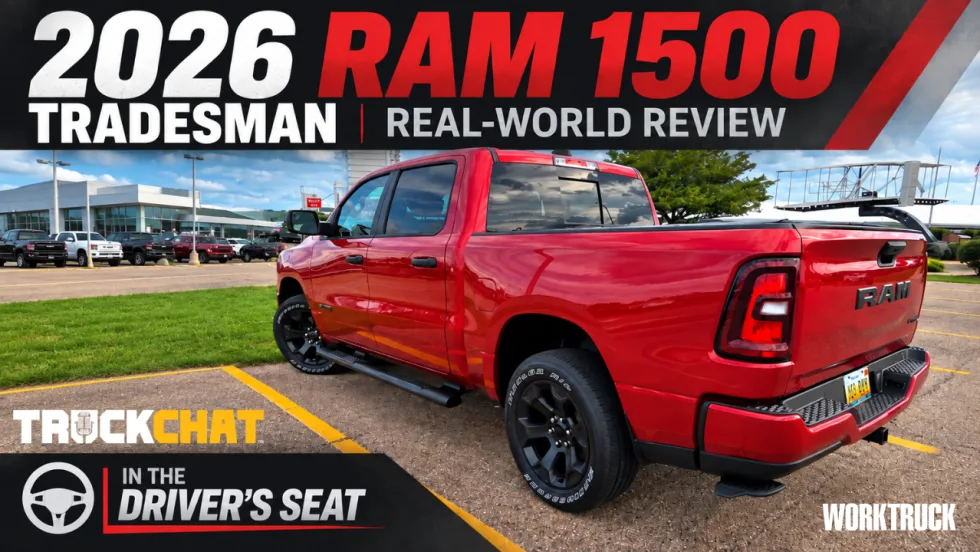
2026 Ram 1500 Tradesman Put to a Real-World Fleet Test
A few days behind the wheel of a 2026 Ram 1500 Tradesman turned into a test of visibility, parking, work-ready features, and even severe-weather driving.
Read More →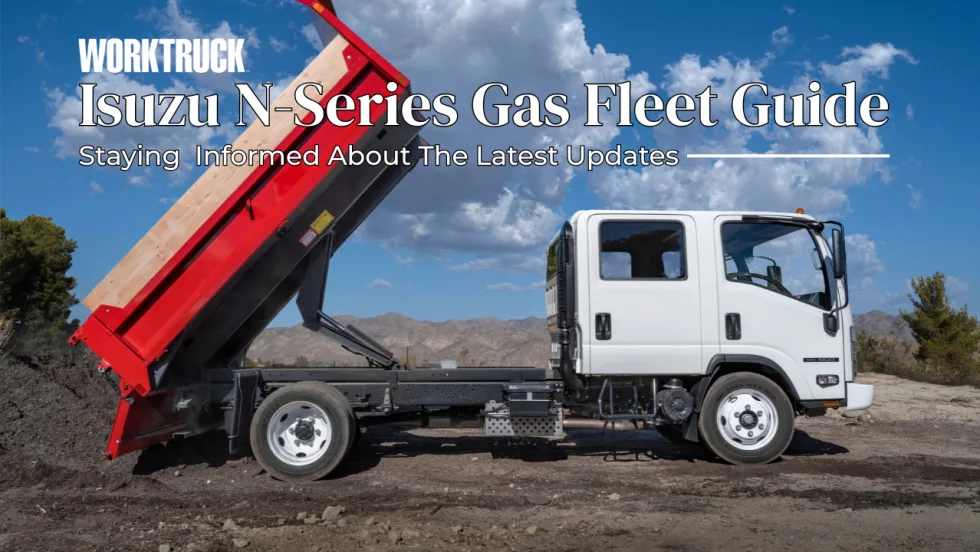
Isuzu N-Series Gas Fleet Guide: Specs, Capability and 2027 Model-Year Updates
Explore Isuzu Truck North America’s N-Series Gas fleet specs, engine performance, GVWR and payload capability, configurations, chassis dimensions, work-focused features, and 2027 model-year information.
Read More →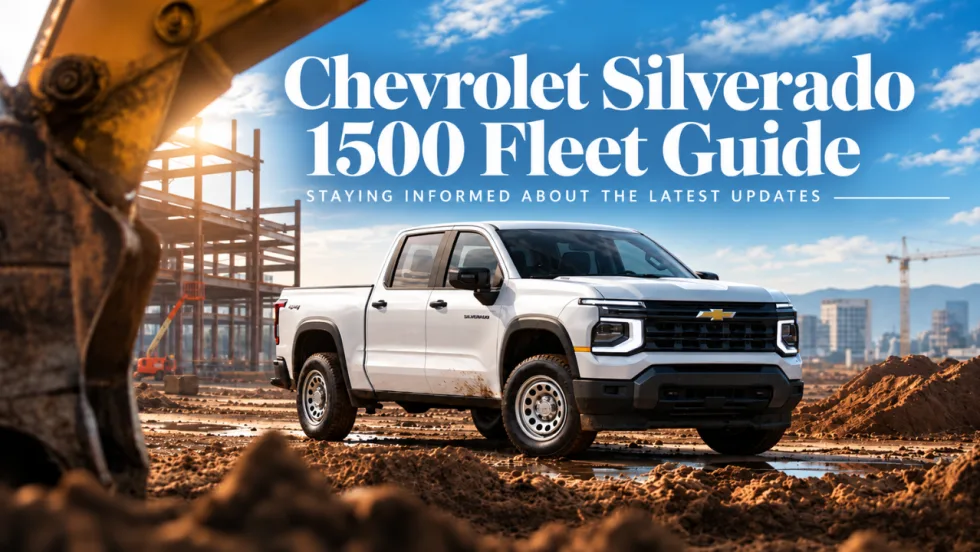
Chevrolet Silverado 1500 Fleet Guide Specs Capability and 2027 Model-Year Updates
The next-generation 2027 Chevrolet Silverado 1500 brings new V-8 engines, updated technology, expanded safety features, and a fleet-focused Work Truck. Here’s what commercial fleets need to know so far.
Read More →
Ram ProMaster City Fleet Guide Specs Cargo Capacity and 2027 Updates
Work Truck’s Ram ProMaster City Fleet Guide tracks the latest specifications, cargo capability, configurations, fleet technology, pricing, and model-year updates for Ram’s mid-size commercial van.
Read More →
Ford F-150 Fleet Guide Specs Capability and 2026 Model-Year Updates
Explore 2026 Ford F-150 fleet specs, engines, towing and payload capability, configurations, work features, technology, and model-year updates.
Read More →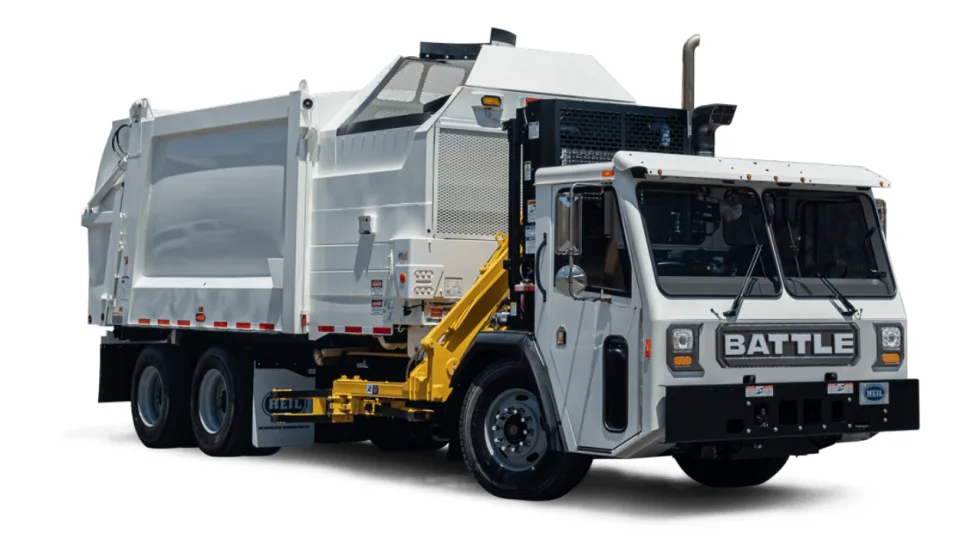
TCI Now Sells & Supports Battle Motors’ Vocational Trucks
Midwest truck dealer Truck Centers, Inc. (TCI) has expanded its transportation solutions with sales and service support for Battle Motors’ heavy-duty vocational trucks at locations in locations in Indiana, Illinois, and Missouri
Read More →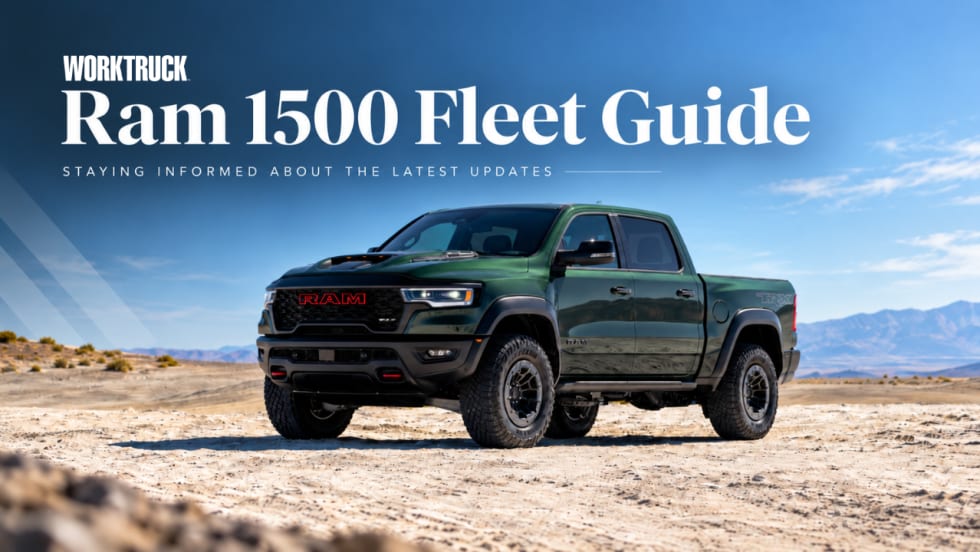
Ram 1500 Fleet Guide Specs, Capability and 2027 Model-Year Updates
Explore always up-to-date Ram 1500 fleet specs, engines, towing and payload capability, configurations, technology, pricing updates, and model-year changes.
Read More →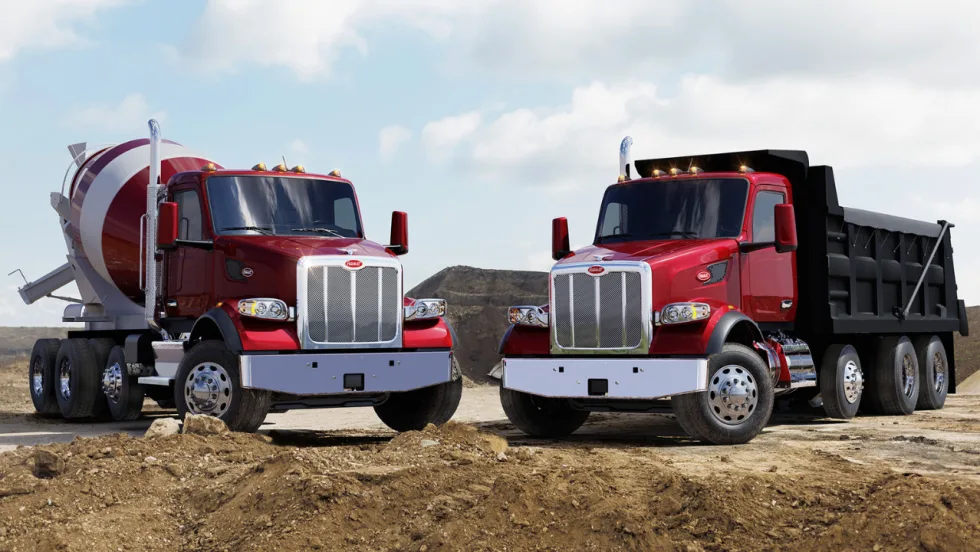
Peterbilt Trucks Equipped with Paccar TX-18 Pro Boost Efficiency for Maryland Fleet
Patuxent Companies is replacing aging trucks with the Peterbilt Model 567 and Model 589, specified with the Paccar TX-18 Pro 18-speed automated transmissions, and is reporting an 8% to 10% improvement in fuel economy.
Read More →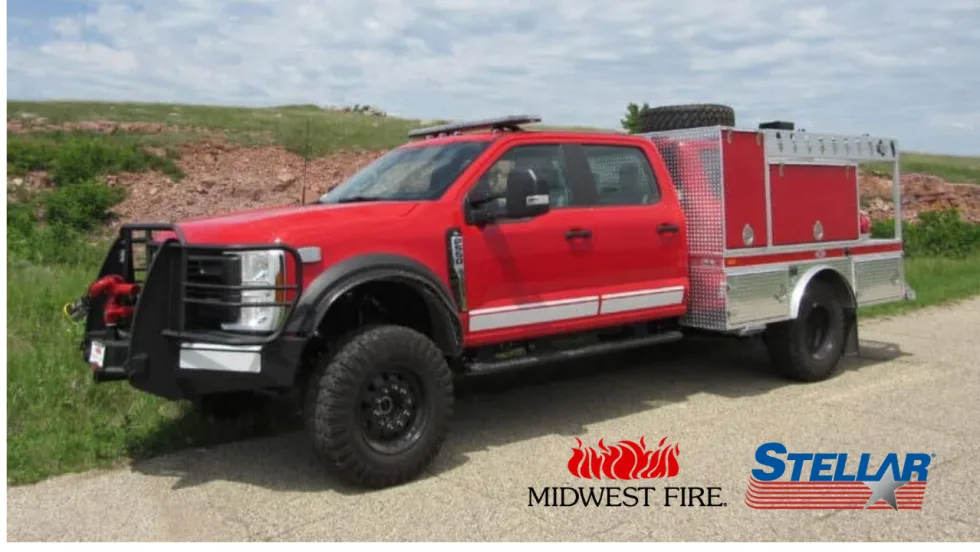
Stellar Expands into Fire Apparatus Market with Acquisition of Midwest Fire
Stellar Industries has acquired Midwest Fire, a custom fire apparatus manufacturer headquartered in Luverne, Minnesota, with nearly four decades of specialized apparatus experience.
Read More →
Recalls You Need to Know About in August 2026
If you have Altec, Chrysler, Ford, Heil, General Motors, International, Mack Trucks, Paccar, Rivian, Royal Truck, Toyota, US Truck Body, or Volvo Trucks vehicles in your fleet, you should check these important recalls issued by the National Highway Safety Administration.
Read More →