




Designing Tires and Tech:The Future of Mobility
Don't Wait 'Til It's Too Late! How to Reduce Costs and Increase Uptime
Minimizing costs and maximizing uptime is every fleet manager's goal. An effective way to achieve this is preventive maintenance and proactive driver training.

Hillary Weiss・Senior Editor
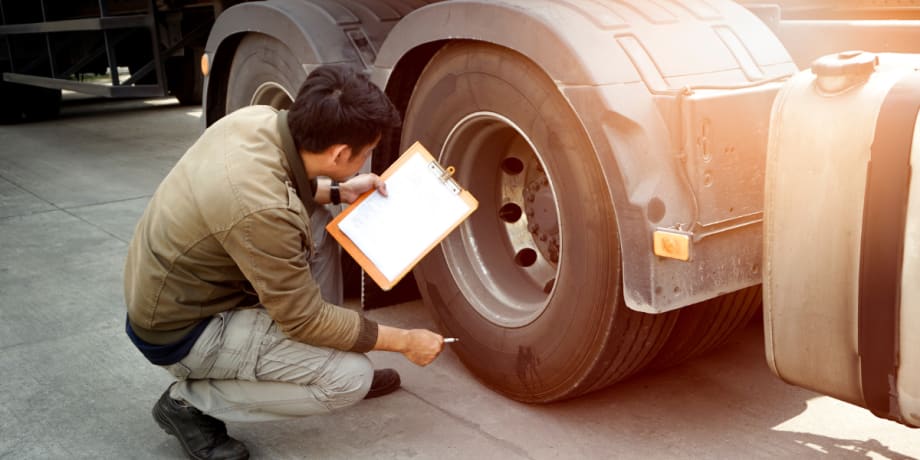
By reducing operating expenses and increasing uptime, you can improve driver behavior and reduce costs.
Photo: Work Truck
5 min to read
Fleet managers play a critical role in the success of any business that relies on work truck fleets. The primary concern is ensuring the fleet operates efficiently, safely, and cost-effectively.
Preventive maintenance is one of the most effective ways to achieve these objectives. By reducing operating expenses and increasing uptime, fleet managers can reduce costs and improve driver behavior when they know their vehicle is properly cared for.
Let's examine the costs of poor maintenance, best practices, and the importance of driver training.
The Costs of Poor Maintenance
The costs of poor maintenance for work truck fleets can be significant and far-reaching, impacting various aspects of a fleet and its business's operations.
Work trucks help the world move goods and services. Their reliability and efficiency directly affect a company's productivity, customer satisfaction, and bottom line.
However, when work truck fleets are not correctly maintained, it can result in the following:
Increased downtime.
Reduced performance.
Higher repair costs.
Decreased fuel efficiency.
For example, if a truck has the incorrect filter, it can increase fuel consumption by up to 2%, according to Volvo. It might be a low percentage, but it can quickly add up with multiple trucks operating with faulty parts.
Craig Cheatle, national head of business development, and Chris Adams, vice president of B2B/fleet for Discount Tire, shared how fleet maintenance can help save money and reduce downtime.
"The goal of keeping drivers safe and productive while reducing the total cost of ownership (TCO) is a priority in the fleet industry, therefore regularly checking tire pressure and filling your vehicle's tires with the correct PSI helps maximize fuel efficiency and reduces overall fuel costs," Adams said.
Keep Your Work Truck Fleet Running Smoothly
Maintenance is essential to keeping equipment or machinery in good working condition. Proper maintenance techniques ensure that equipment operates optimally and prevents costly breakdowns.
Most experts recommend regular inspections, even when the vehicle is working correctly. Cheatle and Adams agree that regular checks, no matter how small, can make a big difference and prevent problems in the long run.
"Proper maintenance is a means to maintaining high vehicle utilization. Common and frequent tire maintenance concerns include driving with incorrect tire pressure, diminishing tread depth, and uneven wear of tires from lack of rotation," Adams added.
Maintaining a work truck fleet requires more than fixing parts when they break. Preventive maintenance is critical to running the fleet smoothly and avoiding costly repairs.
"Reducing fleet downtime is extremely important for fleet operators and can dramatically impact your bottom line. In addition, preventive maintenance as simple as regular tire safety inspections can catch issues before they become problems, so we recommend inspections and air pressure checks as often as once per month per vehicle," Cheatle explained.
"Regular safety inspections of a tire's wear, age, or tread can also help identify any issues with a tire and reduce an operator's TCO. In addition, we now can remotely alert fleets with the slightest change in air pressure through our connected vehicle platform," Adams added.
Some of the top preventive maintenance inspections for work truck fleets include:
Regular oil changes.
Tire maintenance.
Brake system maintenance.
Fluid checks.
Battery maintenance.
HVAC system maintenance.
By implementing consistent preventive maintenance practices, work truck fleet managers can reduce repair costs, extend vehicle lifespans, and keep drivers safe and productive on the road.
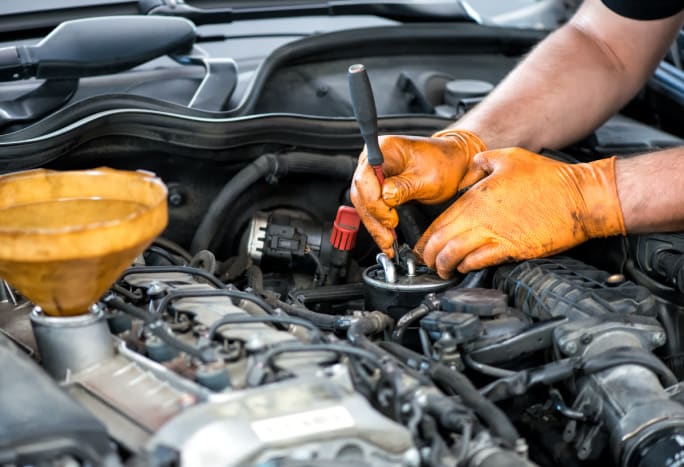
Ensuring that the fleet operates efficiently, safely, and cost-effectively is paramount.
Photo: Work Truck
The Importance of Proper Driver Training
There is not always a "one size fits" all for maintenance practices. Sometimes fleet managers need to lean more on software management than others, while some fleet managers' main pain points are their drivers.
But what about when a fleet manager is consistently on top of their maintenance schedules — constantly checking the tire, filters, brakes, etc. — and still has regularly occurring vehicle complications?
If this happens, the root of the problem may be the drivers.
We spoke to the experts at Netradyne, an artificial intelligence and data company that provides fleet safety solutions, on how necessary proper driving training is to help improve a fleet's overall maintenance.
Austin Achmidt, marketing director, Netradyne, said it's important to train drivers in proper driving techniques no matter their experience levels.
"Whether a driver is fresh out of CDL training or has 20 years of experience, proactive training has never been more important. The reason is that when accidents go to court, plaintiff attorneys increasingly go after the fleet's safety record and processes rather than the driver or event itself. So if you don't have a proactive weekly coaching program, you may be exposed to increased risk," Schmidt explained.
Using Tech to Improve Truck Maintenance
Technology has revolutionized truck maintenance, making maintaining and keeping track of equipment easier. But it can also train drivers in proper behavior to help prevent maintenance problems.
"Braking issues are cited as a factor in 30% of large truck accidents, according to the FMCSA. With live in-cab coaching powered by accurate Artificial Intelligence, drivers can get an audio alert when the following distance is inadequate, leading to fewer hard brakes and a reduced risk of your brakes wearing out before regular maintenance. Additionally, frequent hard acceleration events can significantly reduce engine lifespan — coaching drivers to ease up on the gas in real-time can lead to fewer breakdowns and help your engines perform better for longer," Schmidt said.
Plus, with the current driver shortage, more fleets are willing to put less experienced drivers on the road. Technology can also help train new drivers on proper driving techniques to help maintain a healthy truck and increase safety on the road.
"Many fleets are turning to technology to put less experienced drivers on the road with less risk. For example, live coaching can detect dangerous driving like close following and drowsiness, helping drivers take corrective action instantly. Additionally, weekly 'virtual coaching' sessions can use video examples to show drivers their top areas for improvement, right from their phone," Schmidt added.
Reducing costs and increasing uptime in work truck fleets requires an approach that addresses various factors in preventive maintenance and driver behavior.
By implementing proper preventive maintenance and driver behavior training, fleets can achieve cost savings and increased uptime, improving efficiency and profitability.
Subscribe to Our Newsletter
More Maintenance
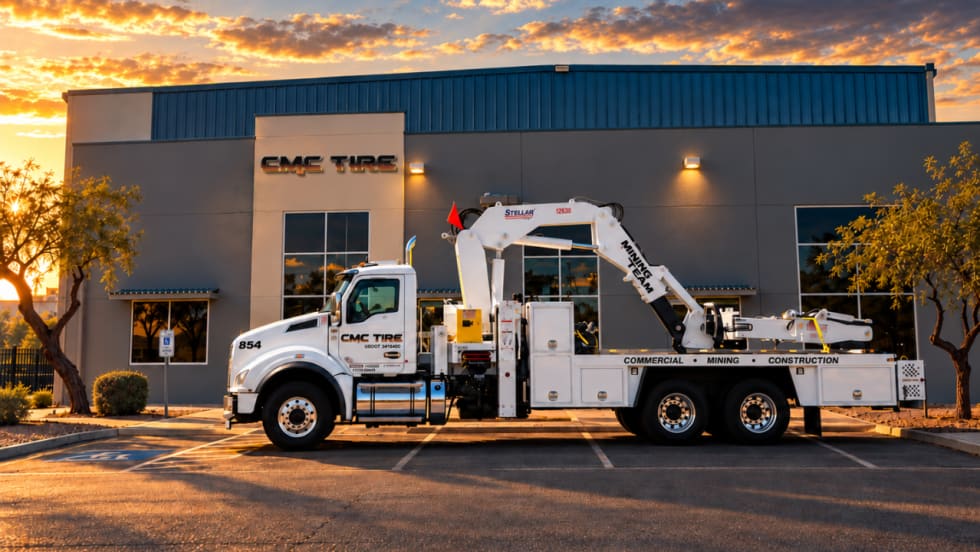
Les Schwab Expands Commercial Tire Footprint Into Arizona
Les Schwab Tires has expanded into Arizona with two commercial tire locations in Phoenix and Tucson, strengthening its fleet service footprint in the Southwest.
Read More →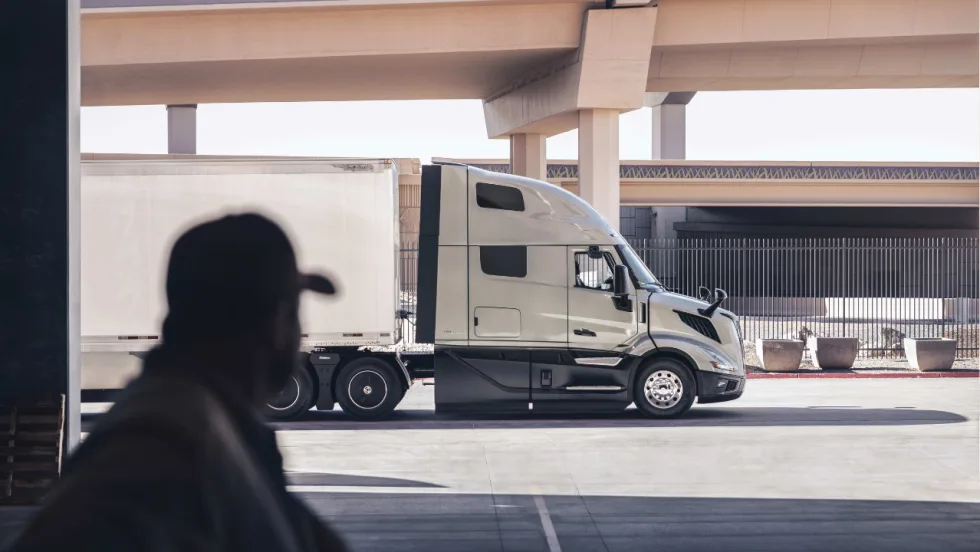
Volvo Trucks’ 'Lock and Leave' Software Updates Go Live Across North America
Unattended over-the-air software updates are now available in Volvo trucks across the U.S. and Canada. The new capability lets trucks stay current with the latest software without interrupting operations or requiring a dealership visit.
Read More →
Why Technician Appreciation Can’t Be a Once-a-Year Thought
For fleets trying to keep skilled technicians, recognition cannot begin and end with Technician Appreciation Week. Learn what year-round appreciation really looks like and why the everyday technician experience matters just as much as pay when fleets are trying to keep good people.
Read More →
How Faster Driver Reporting Can Keep Small Truck Problems Small
When minor damage, warning lights, or equipment issues are reported late, small problems can quickly become bigger maintenance headaches. Conversational AI can help shorten the path from what a driver notices in the field to the person who can act on it.
Read More →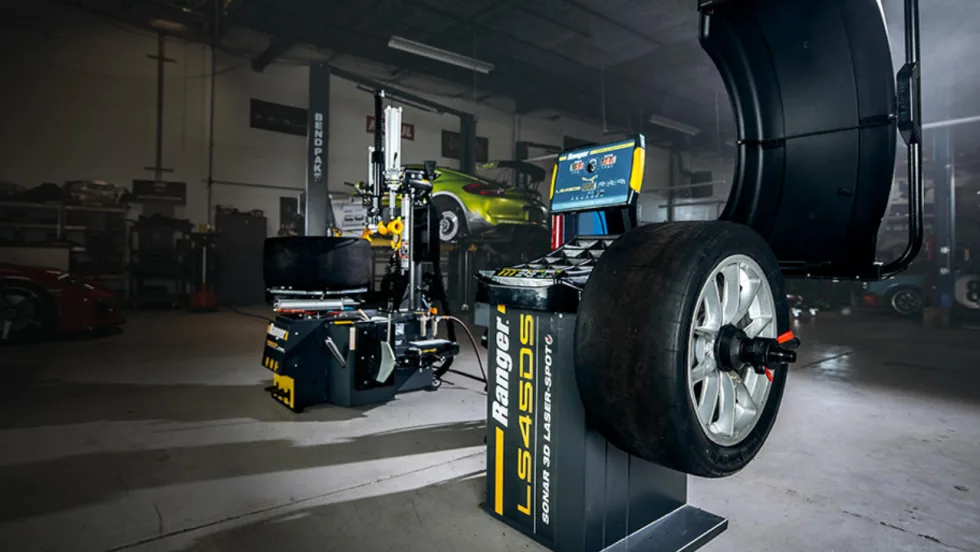
BendPak’s Ranger Wheel Service Equipment Achieves North American Safety Certification
BendPak’s full line of Ranger tire changers and wheel balancers has been ETL certified to UL and CSA standards to improve operator safety.
Read More →
Isuzu & U.S. Department of Labor Celebrate Milestone for Veterans Apprenticeship Program
The Isuzu Veterans Apprenticeship Program (IVAP) signing ceremony highlighted Isuzu’s long-term commitment to veterans, Isuzu dealers, and the skilled workforce supporting its customers and the commercial transportation industry.
Read More →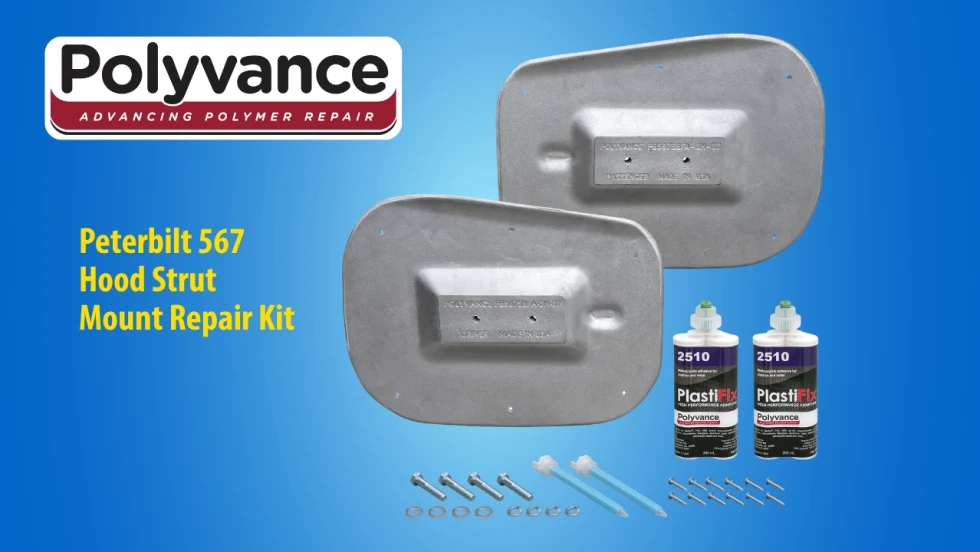
Polyvance Introduces New Peterbilt 567 Hood Strut Mount Repair Kit
Polyvance has launched a repair solution for Peterbilt 567 hood struts, helping truck owners and repair facilities avoid costly hood replacements.
Read More →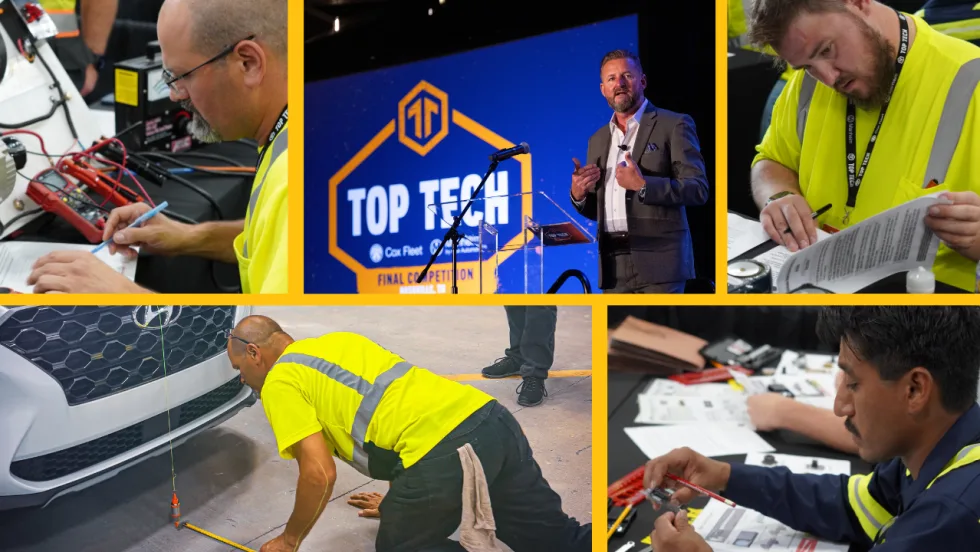
Cox Automotive Celebrates Technical Excellence at 2026 Top Tech Finals
The top technicians from Cox Fleet and Manheim tested their skills in Nashville, Tennessee, at Cox Automotive’s 2026 Top Tech Finals. The overall winners will advance to compete at the American Trucking Association’s TMC SuperTech competition.
Read More →
Grote Industries Appoints Vice President of North American Operations
Grote Industries has appointed Patrick Smith as vice president of North American operations as it celebrates 125 years of innovation and manufacturing excellence. He has more than 20 years of manufacturing leadership experience.
Read More →
Winter Fleet Prep: Expert Tips to Keep Vehicles Running Smoothly
Cold weather can expose weak batteries, tires, fuel systems, and maintenance gaps fast. Use this winter fleet checklist to prepare trucks and drivers before temperatures drop.
Read More →