




Maintenance and Reselling: Maintaining Work Trucks with Resale in Mind
Damaged Vehicles: To Repair or Not?
“Repair or replace” is one of the basic decisions fleet managers must make, often several times each year. Knowing the value of fleet assets, and collecting the right data, will help make the decision a simple one.
by Staff
December 21, 2012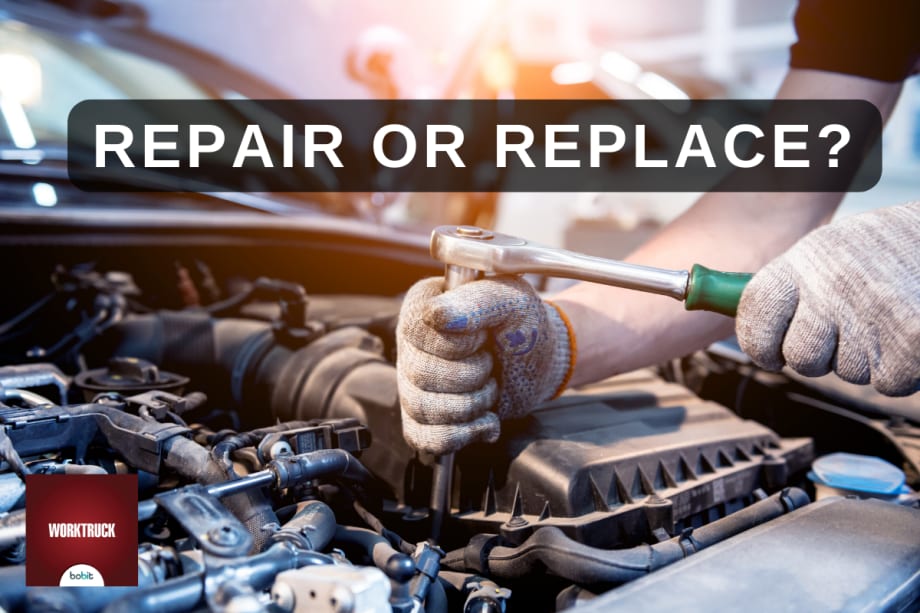
Company vehicles represent an investment made by the company.
Photo: Work Truck
7 min to read
There’s been an accident.” That is the call all fleet managers dread. After making certain that no one has been injured, fleet managers begin the process of gathering information on the extent of the physical damage, any other parties involved, and what needs to be done to get the driver back on the road. The numbers come in, and the fleet manager must now face one of the more critical decisions in the business: Should the vehicle be repaired or replaced? Fortunately, there is a process that, when followed, can make the decision easier.
Knowing the Basics
Company vehicles represent an investment made by the company to provide transportation for an employee, bring products and services to its customers, or compensate a manager or executive. The damage sustained in an accident will reduce that vehicle’s value in the marketplace, which, after all is said and done, will determine the ultimate net cost of its use.
If the vehicle is leased under a typical fleet-type TRAC lease, the unamortized principal balance represents the remaining investment the company has in it. If owned, the balance is represented by the undepreciated value of the asset as carried on the company balance sheet.
The estimate of damages received from the repair shop represents the additional cost of returning the vehicle to “pre-crash” condition. Think of this cost as an additional investment in the vehicle, which, when combined with one of the values above, will result in a newer, higher total investment.
Next, the value of the unrepaired vehicle, or salvage value, represents the value of the vehicle if sold “as is” on the open market.
If repaired, the vehicle will then carry what is essentially an investment which is the total of the book value and the cost of repairs.
Thus, the question is then asked: If the vehicle is repaired, will the resulting higher “investment” value be less than, equal to, or greater than the value of the undamaged vehicle in the marketplace?
Remember, the goal in repairing accident damage is to return the vehicle to “pre-crash” condition. Performing such repairs will never increase the vehicle’s value relative to the value of a like vehicle that has not been damaged, no matter how well the repairs are performed — provided there is disclosure of the damage at the time of sale.
Gather Vital Information
A fleet vehicle is an investment with a value, both before the accident as well as after. The “after” value will either be “as is” (unrepaired) or repaired. The next step is to gather all of the information necessary to make the decision:
Repair estimates. The extent of the damage must be determined as accurately as possible. In the case of more serious or extensive crashes, a final estimate may not be possible to get until the repairs have begun, as some damage can’t be estimated until the vehicle is torn down. Such damage is noted as an “open” item in the original estimate, subject to assessment later. In such cases, ask the shop to give its worst-case estimate.
Book value is either the unamortized lease balance or the undepreciated accounting value.
Salvage value. An estimated salvage value can often be obtained from the shop, or by having two or more salvage buyers submitting bids. This is the “as-is” value of the vehicle.
Used-vehicle value: Using whatever source the fleet manager uses for used-vehicle pricing (Black Book, Kelley Blue Book, etc.), establishes the vehicle’s current market value if it were not damaged.
Once this information is gathered, the fleet manager now has the data needed to perform some basic arithmetic, which will simplify the economics of the repair or replace decision.
Calculate ‘Investment’ Options
Next, determine the basic financial consequences of the two options. If choosing to repair the damage, the company’s investment in a vehicle will be increased by an amount equal to the cost of the repairs.
Add the repair cost to the book value, and then compare this value to the used-vehicle value. The difference represents the amount by which the investment value either exceeds or falls short of, the actual value. If it is greater, the company will now have a vehicle for which it has, in essence, paid too much. Selling the repaired vehicle at this point would result in a loss. If it is lower, the difference would represent a gain upon such a sale. However, choosing not to repair the vehicle would result in a loss — the difference between the book value (investment) and the proceeds of the sale of the salvage.
To view an example of this process, assume the following:
Book value: $5,000.
Repair estimate: $2,500.
Salvage value: $1,000.
Market value (undamaged): $3,700.
If choosing to repair the vehicle, the economic result would be as follows:
Book value: $5,000.
Repair cost: $2,500.
New "investment": $7,500.
Market value: $3,700.
Difference: ($3,800).
Book Value + Repair Cost = New Investment - Market Value = Difference
If the vehicle is repaired, the total investment in it would now be $7,500 (the remaining book value of $5,000, plus the $2,500 repair cost). This exceeds the estimated market value (undamaged) by $3,800. Thus, the company would now have a vehicle that it has invested $7,500 in, but that is worth only $3,700 in the market. Even though the repaired vehicle, if kept in service, would see its book value continue to decline (either via lease amortization or depreciation) this gap would never close, as the amortization or depreciation rate was originally set up to reduce a smaller investment to match a future anticipated market value.
Conversely, the replacement scenario would look like:
Book value: $5,000.
Salvage value: $1,000.
Loss: ($4,000).
Book Value - Salvage Value = Loss
Here, declaring a total loss and selling the salvage would result in a loss of $4,000. Compared to the repair scenario above, there is a $200 advantage when the vehicle is repaired.
Considering Other Factors
The repair-vs.-replace decision cannot be made in a vacuum. Other data that must be considered includes:
Subrogation. It is often possible to recover some portion of the damages from a third-party. However, such recoveries will provide offsets to both sides of the equation. Subrogation is at best an inexact science. For instance, mini-tort, contingent liability, and other state laws may limit the amount a plaintiff can recover. There is always the possibility that a judgment is uncollectible (indigent third party, no insurance, or payments that simply aren’t made).
Other costs can include downtime, alternate transportation, the possibility of a price premium in purchasing a vehicle from dealer stock, and seasonal/model-year considerations. Any additional costs incurred by either decision should be factored in.
Type of damage. A repair consisting primarily of sheet-metal damage is more likely to be satisfactory than one (of equal cost) that entails extensive structural repair, such as frame straightening or engine and/or drivetrain repairs. Repairing metal, plastic, and glass can be done with full confidence (assuming the repair facility is qualified) that the result is “pre-crash;” extensive engine or transmission repairs, not as much.
Keep the Fleet Moving
The repair-vs.-replace decision for the fleet manager is different than that of, for example, the insurance adjuster. The fleet manager must factor in the financial effect of the alternatives using the vehicle’s remaining book value as a starting point and work from there.
There is no simple, exact method of making the repair-vs.-replace decision; however, starting with simple financial calculations and factoring in other considerations can help make the decision less daunting.
Is the decision different when the repair is due to a mechanical problem, such as engine failure or transaxle/transmission replacement? In the economic or financial sense, no, the calculation is the same, and the decision “tree” is as well. But, the impact on resale value can be greater when selling a car (a fleet car, which is more likely a later model-year) whose engine has been replaced than the impact of an equally costly body repair. An engine replacement can cost as much as $3,000-$4,000, a transaxle or transmission $2,000-$3,000, which makes either equal to a typical accident repair.
Making the decision to repair or replace a damaged fleet vehicle is essentially a four-step process:
Gather all the information necessary to determine the financial impact: remaining book value, market value if undamaged, and salvage value.
Calculate the “loss” in each option. Add the repair value to the book value, and compare to the market value; then, deduct the salvage value from that book value. The results will point toward the right financial decision.
Factor in any additional considerations. Will replacing a vehicle in the spring affect the resale value of the new vehicle in a few months? Is the accident subrogable, that is, can some or all of the repair costs be recovered from a third party? What kind of damage is being repaired? Is it mostly sheet metal, plastic, and glass, or is there frame or mechanical damage, and how will that impact resale value?
Move quickly. Make the decision as soon as the repair estimates come in. Delays can add additional replacement rental costs, downtime, and both resale and salvage value.
Treat the entire decision-making process as an investment decision, rather than a “car” decision. The vehicle is an investment in dollars and the repair adds to that investment.
Originally posted on Automotive Fleet
Subscribe to Our Newsletter
More Vehicle Research
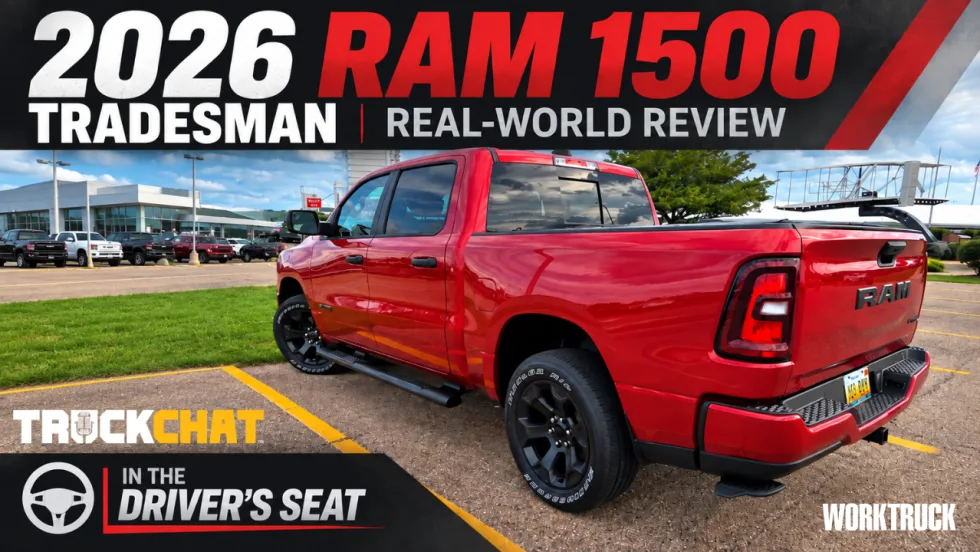
2026 Ram 1500 Tradesman Put to a Real-World Fleet Test
A few days behind the wheel of a 2026 Ram 1500 Tradesman turned into a test of visibility, parking, work-ready features, and even severe-weather driving.
Read More →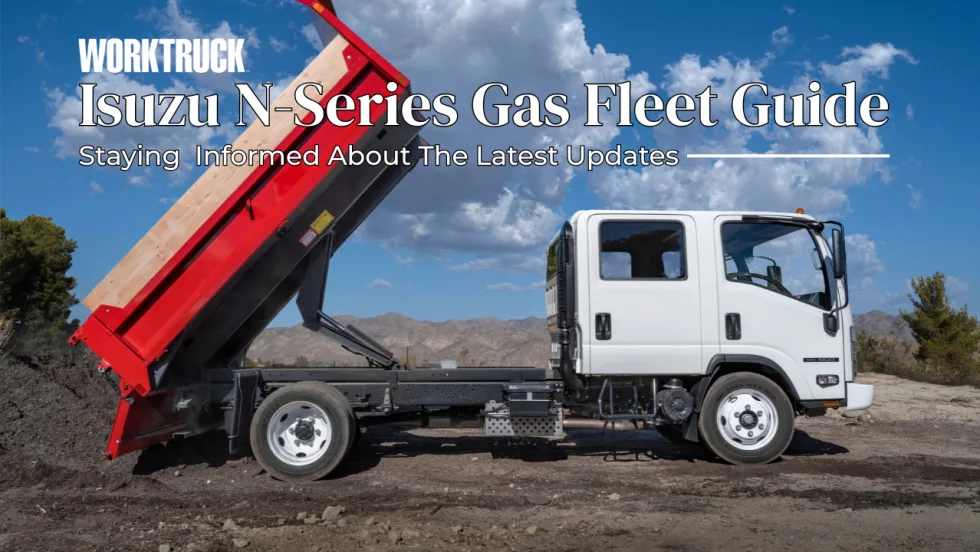
Isuzu N-Series Gas Fleet Guide: Specs, Capability and 2027 Model-Year Updates
Explore Isuzu Truck North America’s N-Series Gas fleet specs, engine performance, GVWR and payload capability, configurations, chassis dimensions, work-focused features, and 2027 model-year information.
Read More →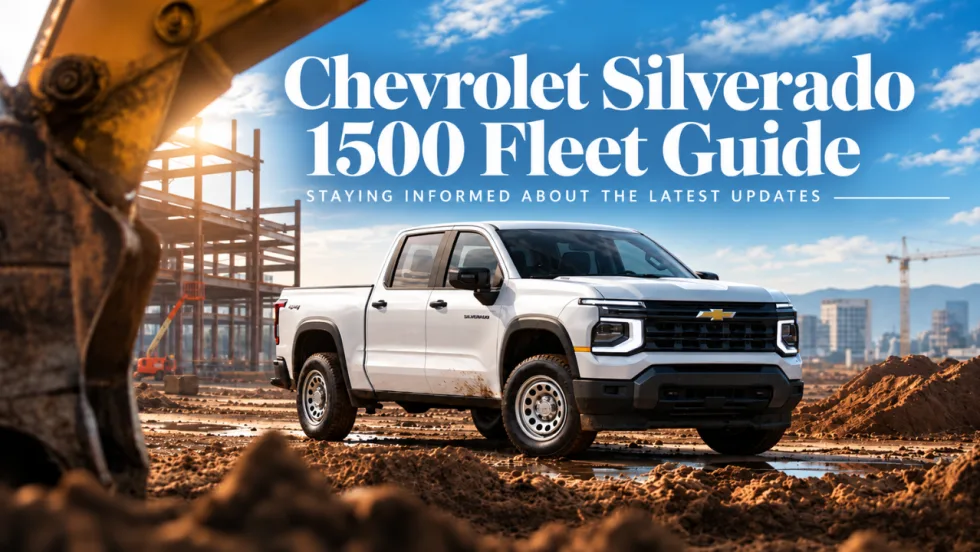
Chevrolet Silverado 1500 Fleet Guide Specs Capability and 2027 Model-Year Updates
The next-generation 2027 Chevrolet Silverado 1500 brings new V-8 engines, updated technology, expanded safety features, and a fleet-focused Work Truck. Here’s what commercial fleets need to know so far.
Read More →
Ram ProMaster City Fleet Guide Specs Cargo Capacity and 2027 Updates
Work Truck’s Ram ProMaster City Fleet Guide tracks the latest specifications, cargo capability, configurations, fleet technology, pricing, and model-year updates for Ram’s mid-size commercial van.
Read More →
Ford F-150 Fleet Guide Specs Capability and 2026 Model-Year Updates
Explore 2026 Ford F-150 fleet specs, engines, towing and payload capability, configurations, work features, technology, and model-year updates.
Read More →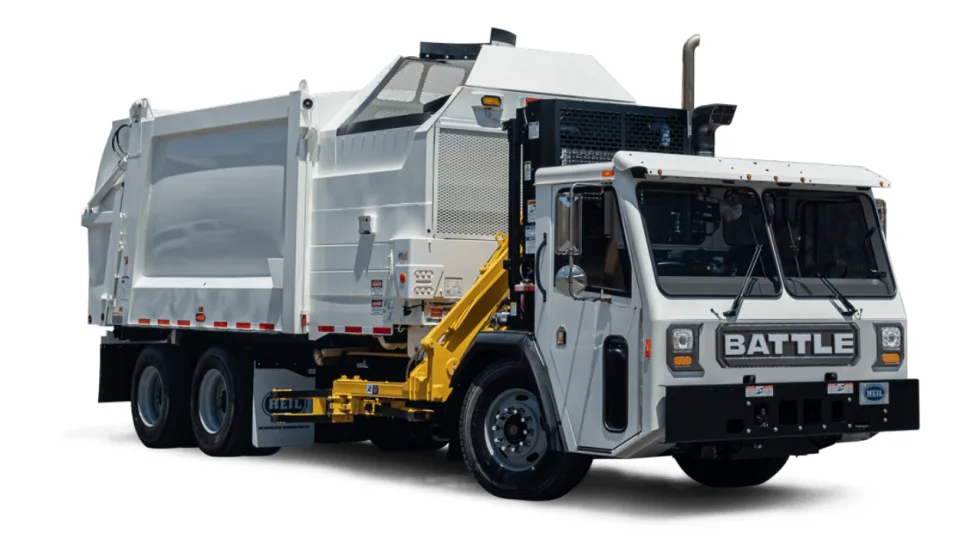
TCI Now Sells & Supports Battle Motors’ Vocational Trucks
Midwest truck dealer Truck Centers, Inc. (TCI) has expanded its transportation solutions with sales and service support for Battle Motors’ heavy-duty vocational trucks at locations in locations in Indiana, Illinois, and Missouri
Read More →
Ram 1500 Fleet Guide Specs, Capability and 2027 Model-Year Updates
Explore always up-to-date Ram 1500 fleet specs, engines, towing and payload capability, configurations, technology, pricing updates, and model-year changes.
Read More →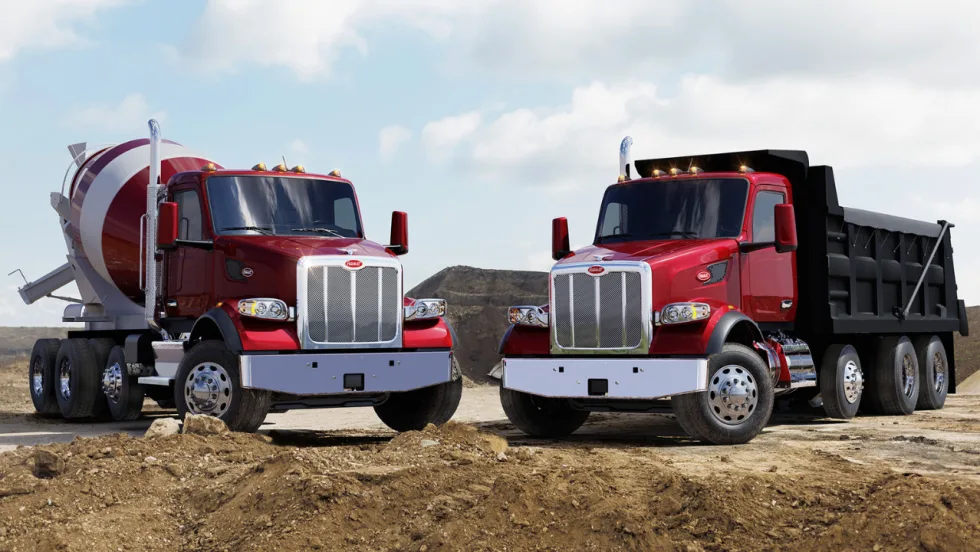
Peterbilt Trucks Equipped with Paccar TX-18 Pro Boost Efficiency for Maryland Fleet
Patuxent Companies is replacing aging trucks with the Peterbilt Model 567 and Model 589, specified with the Paccar TX-18 Pro 18-speed automated transmissions, and is reporting an 8% to 10% improvement in fuel economy.
Read More →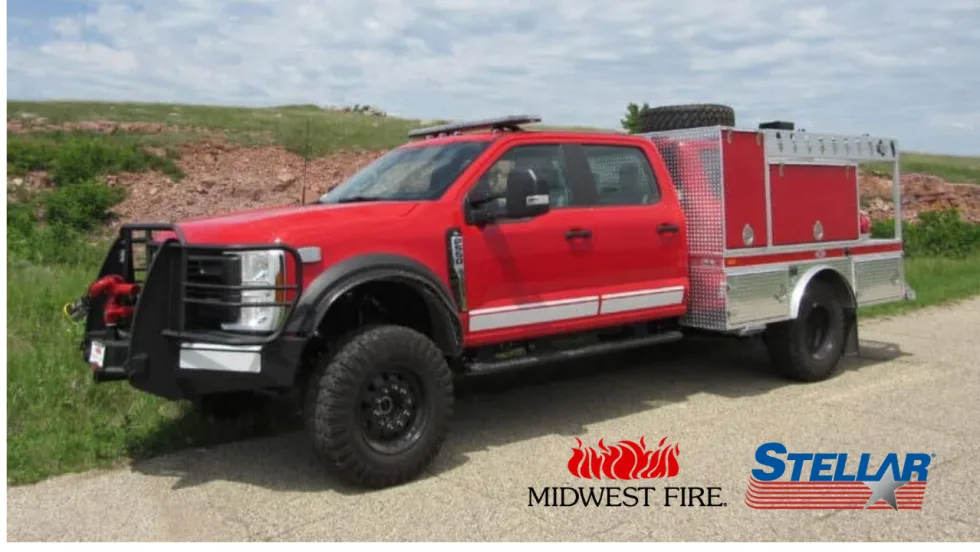
Stellar Expands into Fire Apparatus Market with Acquisition of Midwest Fire
Stellar Industries has acquired Midwest Fire, a custom fire apparatus manufacturer headquartered in Luverne, Minnesota, with nearly four decades of specialized apparatus experience.
Read More →
Recalls You Need to Know About in August 2026
If you have Altec, Chrysler, Ford, Heil, General Motors, International, Mack Trucks, Paccar, Rivian, Royal Truck, Toyota, US Truck Body, or Volvo Trucks vehicles in your fleet, you should check these important recalls issued by the National Highway Safety Administration.
Read More →