




Challenges & Solutions for Spec'ing Vans & Trucks
Vehicle spec’ing is a major component of fleet management, and the ability to successfully handle challenges can help make the job a little bit easier for those who manage vans and trucks.

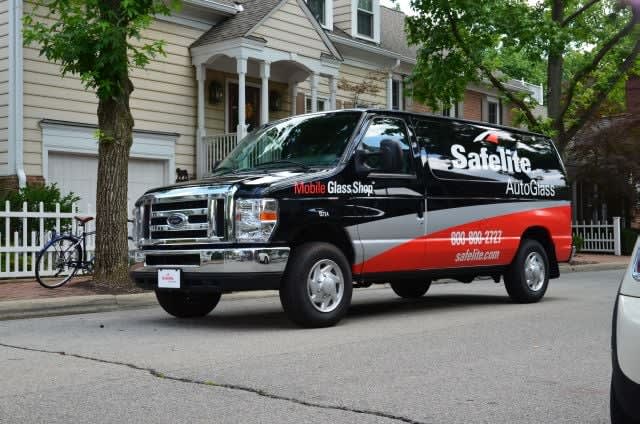
The Safelite AutoGlass fleet operates nationwide to repair or replace vehicle windshields.
Photo courtesy of Safelite AutoGlass
Every day, fleet managers face challenges that impact day-to-day operations. From order-to-delivery (OTD) delays to available vehicle features and ergonomic challenges, fleet managers who operate vans and Class 1-8 trucks must come up with effective solutions to address vehicle spec’ing concerns.
Two fleet managers share their insight and expertise into today’s spec’ing challenges.
Facing Challenges
Long lead times and overall order-to-delivery (OTD) times are causing spec’ing problems for vans, as well as light- and medium-duty trucks, according to George Survant, senior director of Fleet Management for Time Warner Cable, and Erin Gilchrist, fleet director for Safelite AutoGlass.
To help solve the problem of longer lead times when spec’ing vans and light-/medium-duty trucks, Gilchrist employs process/timing maps. “We utilize process/timing maps to back into best order timing to meet delivery needs,” she explained.
In addition, to create a successful process/timing map, Gilchrist noted the importance of collaboration with all parties involved in the supply chain/OTD process. “This includes weekly OTD conference calls with all parties involved to discuss timing, issues, roadblocks, etc., to communicate and resolve any issues,” Gilchrist said.
For fleet managers considering implementing a process/timing map for the first time, Gilchrist provided the following advice: “Get all parties involved together on a call, Web meeting, or on-site, and start with your desired outcomes. Then, work your way back to first steps in the process,” she said.
Another spec’ing-related challenge faced by Survant revolves around vehicle performance and available safety features.

The Time Warner Cable fleet supports the needs of the second-largest telecommunications company in the U.S. (PHOTO: Time Warner Cable)
“For light-duty trucks, a challenge we face is finding advanced drivetrain products with high mpg performance from the OEMs without downsizing into a ‘micro-vehicle,’ ” Survant said. “Also, getting safety options from the manufacturer without having to buy top-of-the line trim packages (such as lane departure warning, for example) is a challenge when spec’ing vans and light-duty trucks,” Survant commented.
Additionally, for medium-duty trucks, Time Warner Cable faces the challenge of getting the weight capacity on the right chassis without having to upscale the truck to a size too large for inner-city deployment. To resolve these challenges, Time Warner Cable connects directly with the OEMs.
“We work with the OEMs to provide advanced drivetrain products (and buy them as soon as they are available). We also provide continuous pressure to down-option their advanced safety products,” Survant explained.
Gilchrist also recommended working directly with OEMs, noting that she resides on the advisory boards of several of her fleet’s major suppliers. “I am on the boards to guide and help influence key issues and initiatives to help match with our fleet needs,” Gilchrist explained.
For vans and light-/medium-duty trucks, one other top challenge Survant faces revolves around group consensus. “We struggle to get drivers and supervisors to agree on a common set of standard configurations for all geographic locations (excluding climate requirements),” he said.
To solve this challenge, Survant focuses on safety and keeping drivers happy. “With the exception of the perennial request for an all 4x4 fleet, we generally option these units up to the greater level of features,” Survant said.
Ergonomic concerns are also top-of-mind when spec’ing trucks.“Finding a way to ensure Time Warner Cable truck operators can safely enter and exit the rear of a medium-duty work truck that doesn’t represent a ‘low-center’ or ‘angle of departure’ is a challenge,” Survant said. “But, we continue to test different strategies for entry and exit of our trucks.”
In the end, be very specific in the analysis of mission requirements using weights and actual loads over operating geographies to determine specifically what a truck or van needs to be capable of over a sustained lifecycle.
“Spend the time building a tailored solution specification that allows you to match the truck to the requirement precisely. Repeat the analysis periodically to ensure that the determining characteristics have not evolved away from your designed vehicle,” Survant recommended.
The Bottom Line
Communication and innovation are the top solutions from Gilchrist of Safelite AutoGlass and Survant of Time Warner Cable to solve spec’ing challenges.
“Innovation and advanced analytics is the key to increased compliance, efficiency, cost, and consumption reductions,” Gilchrist said. “Get on board now while you are still in control of pricing and options!”
And, take the time to do things right. “Spend the time, listen, and observe the work conditions of the employees you build trucks for. While the employees have opinions, the combination of observation and listening may reveal solutions that neither your spec team nor the employees discerned independently,” said Survant of Time Warner Cable.
More Vehicle Research
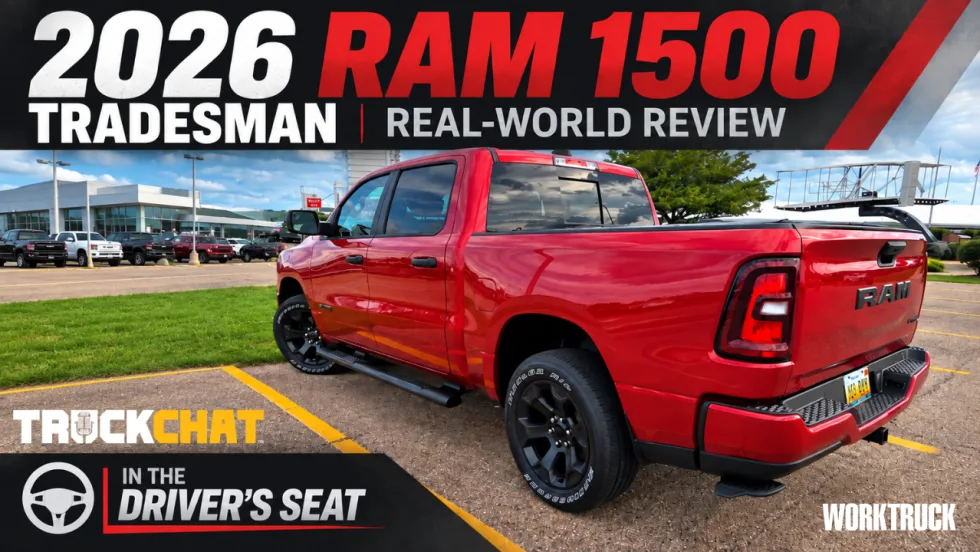
2026 Ram 1500 Tradesman Put to a Real-World Fleet Test
A few days behind the wheel of a 2026 Ram 1500 Tradesman turned into a test of visibility, parking, work-ready features, and even severe-weather driving.
Read More →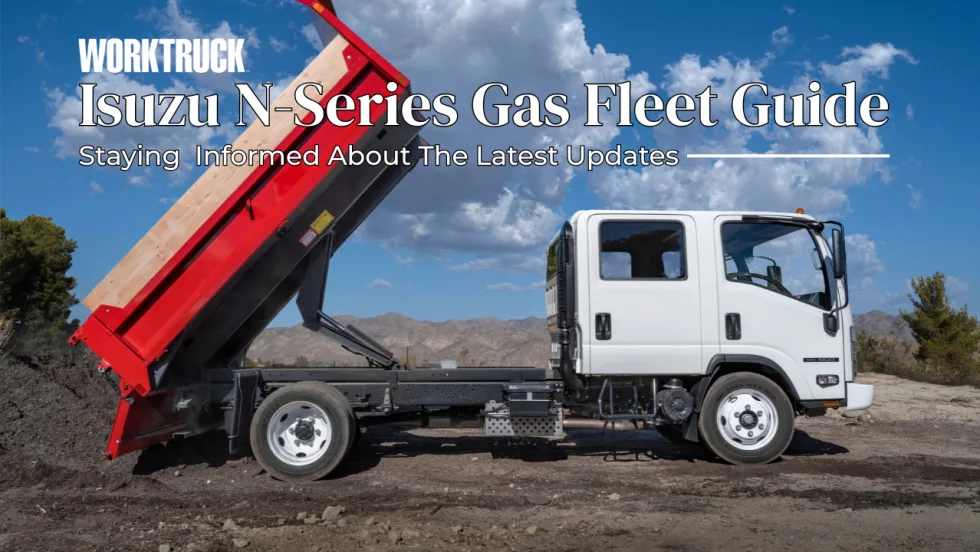
Isuzu N-Series Gas Fleet Guide: Specs, Capability and 2027 Model-Year Updates
Explore Isuzu Truck North America’s N-Series Gas fleet specs, engine performance, GVWR and payload capability, configurations, chassis dimensions, work-focused features, and 2027 model-year information.
Read More →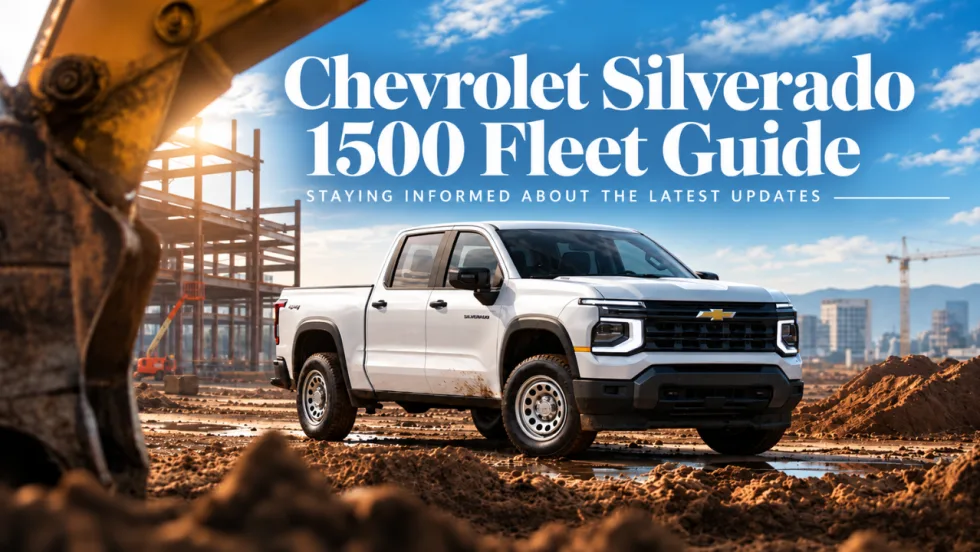
Chevrolet Silverado 1500 Fleet Guide Specs Capability and 2027 Model-Year Updates
The next-generation 2027 Chevrolet Silverado 1500 brings new V-8 engines, updated technology, expanded safety features, and a fleet-focused Work Truck. Here’s what commercial fleets need to know so far.
Read More →
Ram ProMaster City Fleet Guide Specs Cargo Capacity and 2027 Updates
Work Truck’s Ram ProMaster City Fleet Guide tracks the latest specifications, cargo capability, configurations, fleet technology, pricing, and model-year updates for Ram’s mid-size commercial van.
Read More →
Ford F-150 Fleet Guide Specs Capability and 2026 Model-Year Updates
Explore 2026 Ford F-150 fleet specs, engines, towing and payload capability, configurations, work features, technology, and model-year updates.
Read More →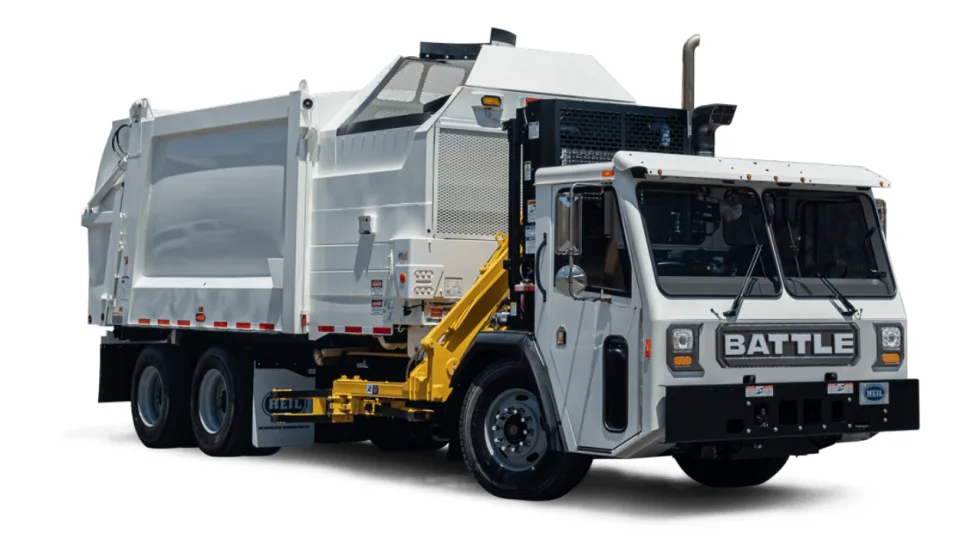
TCI Now Sells & Supports Battle Motors’ Vocational Trucks
Midwest truck dealer Truck Centers, Inc. (TCI) has expanded its transportation solutions with sales and service support for Battle Motors’ heavy-duty vocational trucks at locations in locations in Indiana, Illinois, and Missouri
Read More →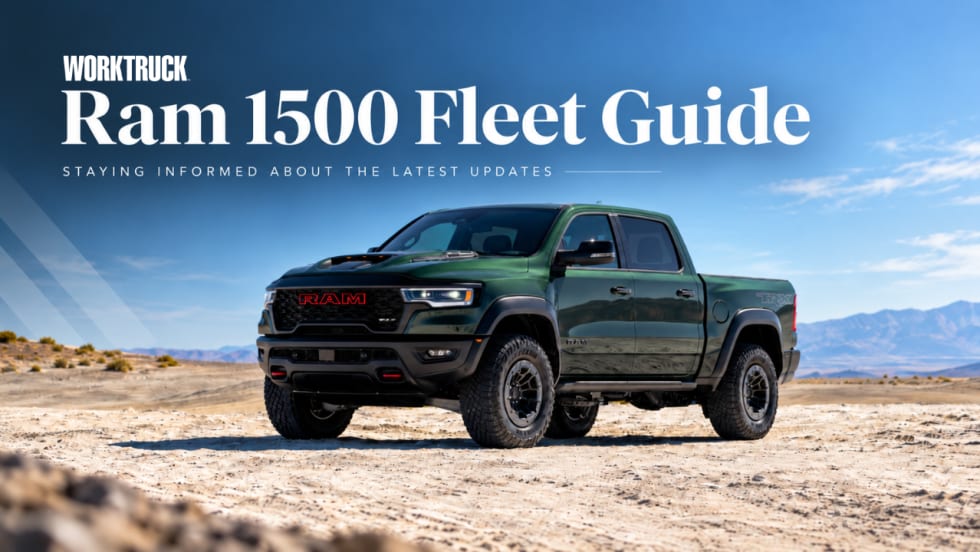
Ram 1500 Fleet Guide Specs, Capability and 2027 Model-Year Updates
Explore always up-to-date Ram 1500 fleet specs, engines, towing and payload capability, configurations, technology, pricing updates, and model-year changes.
Read More →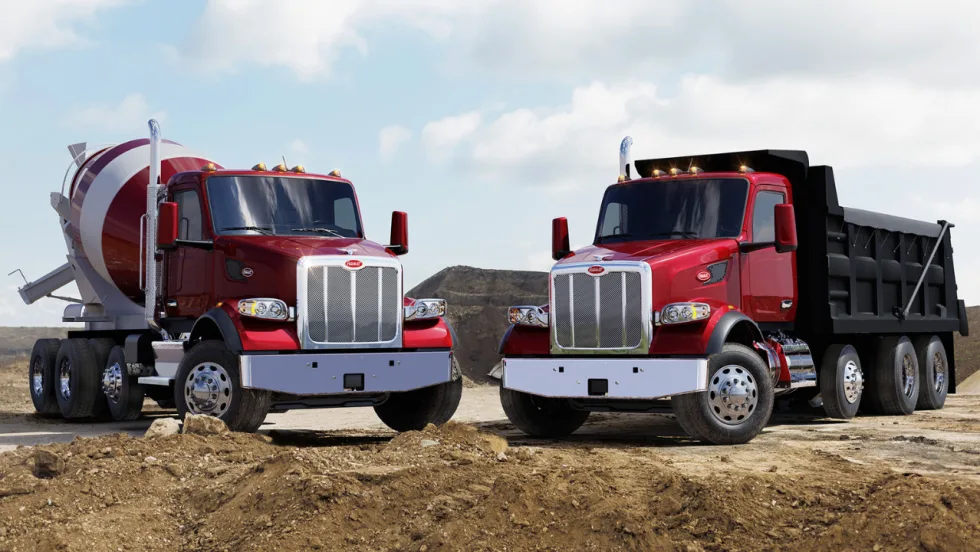
Peterbilt Trucks Equipped with Paccar TX-18 Pro Boost Efficiency for Maryland Fleet
Patuxent Companies is replacing aging trucks with the Peterbilt Model 567 and Model 589, specified with the Paccar TX-18 Pro 18-speed automated transmissions, and is reporting an 8% to 10% improvement in fuel economy.
Read More →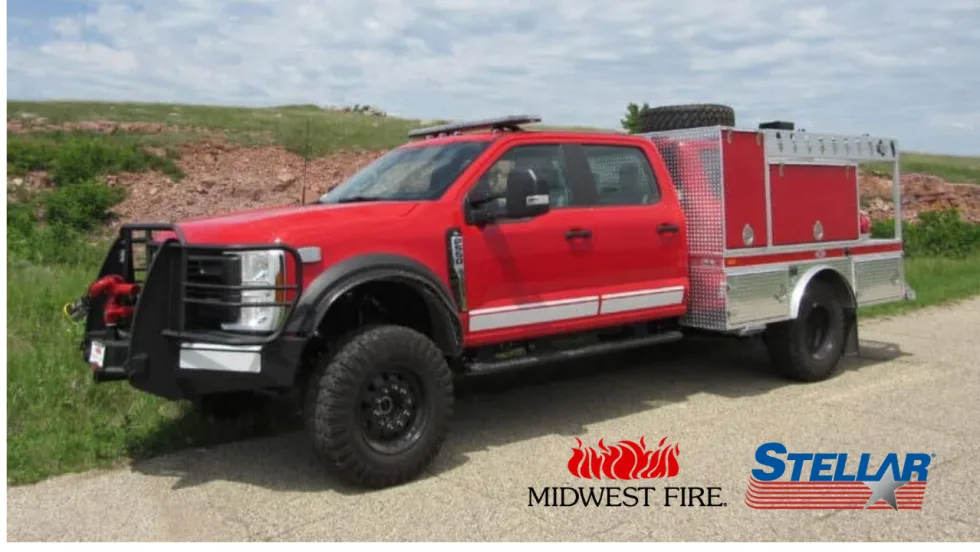
Stellar Expands into Fire Apparatus Market with Acquisition of Midwest Fire
Stellar Industries has acquired Midwest Fire, a custom fire apparatus manufacturer headquartered in Luverne, Minnesota, with nearly four decades of specialized apparatus experience.
Read More →
Recalls You Need to Know About in August 2026
If you have Altec, Chrysler, Ford, Heil, General Motors, International, Mack Trucks, Paccar, Rivian, Royal Truck, Toyota, US Truck Body, or Volvo Trucks vehicles in your fleet, you should check these important recalls issued by the National Highway Safety Administration.
Read More →