




Average Monthly Personal Use Charges Increase to $108
The number of fleets restricting personal use of company-provided vehicles decreased from 2008 to 2009.


Click here for PDF of full article, including charts.
(Charts updated as of August 5, 2009).
The Automotive Fleet 2009 personal use survey revealed that 91 percent of the fleets surveyed allow personal use of company-provided vehicles, up from 87 percent in 2008. Of these fleets, 76 percent allow personal use at all times, whenever necessary, a response steady from 2008 reports.
Companies Continue to Allow Spousal Personal Use
Of fleets that allow personal use of a company-provided vehicle, 57 percent permit spousal use of company-provided vehicles, while 28 percent of fleets surveyed only allow personal use by employees. The remaining 15 percent of responding fleets allow personal use for domestic partners, licensed children over 25, and include exceptions for medical emergencies.
Some fleet managers who allow employee-only personal use indicated they are currently reviewing personal use policies to allow others (spouses, licensed children, and/or domestic partners) use of company-provided vehicles.
"I feel it should be open to spouses with a valid driver's license and MVR check. I am currently in the process of getting buy-in to do so," said one East Coast fleet manager.
A Southern California-based fleet recently removed spouses from the list of drivers allowed use of company-provided vehicles. "We allow personal use of company vehicles for the driver only. Spouses were recently removed as an authorized driver, and personal usage has dropped proportionately, resulting in significant savings," the fleet manager said.
Another fleet echoed this sentiment, stating, "We would like to eliminate spouses driving the vehicles, but don't think it will be well received by the drivers."
According to the AF personal use study, company-provided vehicles are driven an average of 1,632 business miles and 429 personal miles per month.
Of fleets that allow personal use, 58 percent perform MVR checks on non-employees driving company-provided vehicles.
Several fleet managers said MVR checks are an important part of the personal use process.
"From a risk management viewpoint, we choose not to restrict personal use, but to manage the safety of the driver," commented one fleet manager. "This includes driver training and MVR checks."
[PAGEBREAK]
Personal Use Conditions Vary
As previously noted, 76 percent of surveyed fleets allow personal use of company-provided vehicles at all times, whenever necessary.
Of surveyed fleets, 14 percent allow personal use only to and from work.
Several factors govern company-provided vehicle assignment for personal use, such as job function (68 percent of survey respondents), annual business miles driven (44 percent), and job title (43 percent).
One fleet reported it is reviewing its policy regarding personal use eligibility. "We are currently considering changing company-provided vehicle eligibility to a specific number of business miles driven versus job description."
Another fleet manager respondent simply stated, "Personal use should be related to your job position."
Most fleets surveyed charge $100-$149 per month for personal use of company-provided vehicles (37 percent, compared to 39 percent in 2008). The percentage of fleets charging the next most common fee - $50 to $90 - dropped from 37 percent in 2008 to 22 percent in 2009. The average monthly personal use charge was $108.
Charging Employees for Personal Use
A majority of fleets utilize an expense account deduction for personal use charges (79 percent of fleets surveyed), while 13 percent of surveyed fleets recoup personal use expenses from employees by an employee check. The least-common process to recoup personal use expenses was a payroll deduction (1 percent).
Of fleets that allow personal use of company-provided vehicles, 63 percent charge employees directly for vehicle use and 85 percent of fleets input personal use charges directly on the W-2, if the employee is not charged directly.
Commenting on personal use charges, one fleet manager said, "Personal use is a practical way for fleets to reduce expenses and tax surprises for employees at year-end. Employees should expect to pay something for the benefit of having personal use of the vehicle."
Another fleet manager remarked on personal use fees, "It is impossible to manage the prohibition of personal mileage on a company-provided vehicle. Therefore, we allow it, but limit use by limiting the number of eligible drivers and charging a fee to recoup the cost."
When employees are asked to drive personal vehicles for business purposes, they must be reimbursed.
Of fleets responding to the AF survey, 94 percent reimburse based on a per-mile rate, while 5 percent reimburse based on a flat monthly rate. The least-common reimbursement procedure was a flat monthly rate (1 percent).
Of the surveyed fleets, 74 percent do not charge any portion of repair costs for accidents in a company vehicle occurring during personal use.
[PAGEBREAK]
Fleet Managers Voice Compliance Concerns
Some fleet managers expressed concerns regarding personal use policy and IRS requirements.
"Document your personal use plan and establish the policy with your tax department so they are aware of the company's 'accountability plan' per the IRS Fringe Benefit section of the Internal Revenue Code," advised a fleet manager at an East Coast pharmaceutical company.
According to a fleet manager of a Midwest insurance company, personal use is "messy, because no two departments see it the same way. We are still in our first year of personal use charge-back. Prior, it was done by claiming personal use, and reimbursement came out of what the driver was being reimbursed for other expensed items."
Another fleet manager noted, "My company needs to increase the monthly personal use fee, get MVRs on spouses, and increase employee accountability, such as requiring drivers to pay something when an accident occurs on personal time. We are working on these very issues."
Personal Use Advantages and Disadvantages
Fleet managers remarked on the practice of personal use of company-provided vehicles. Most fleet managers surveyed noted personal use was a huge benefit to their drivers, while others cited concerns regarding abuse.
"Due to the nature of our business, it is an operating necessity," said one fleet manager. "Certain employees must be available for emergency call-out, and having the vehicle at their residence reduces response time."
Another fleet manager noted personal use was a job perk.
"Many of our younger employees do not own their vehicles. Allowing personal use is a great benefit that we offer, allowing us both a recruitment and retention tool," the Oklahoma-based fleet manager said.
"It helps get new employees when the salaries are on the industry low side," echoed another fleet manager.
Concern about enforcement of personal use policies was also raised.
"Personal use is difficult to enforce," noted one Midwest fleet manager. "Many employees cheat by saying they don't use the car personally and therefore don't get charged. Many don't know or remember the definition of personal use."
Originally posted on Automotive Fleet
More Vehicle Research
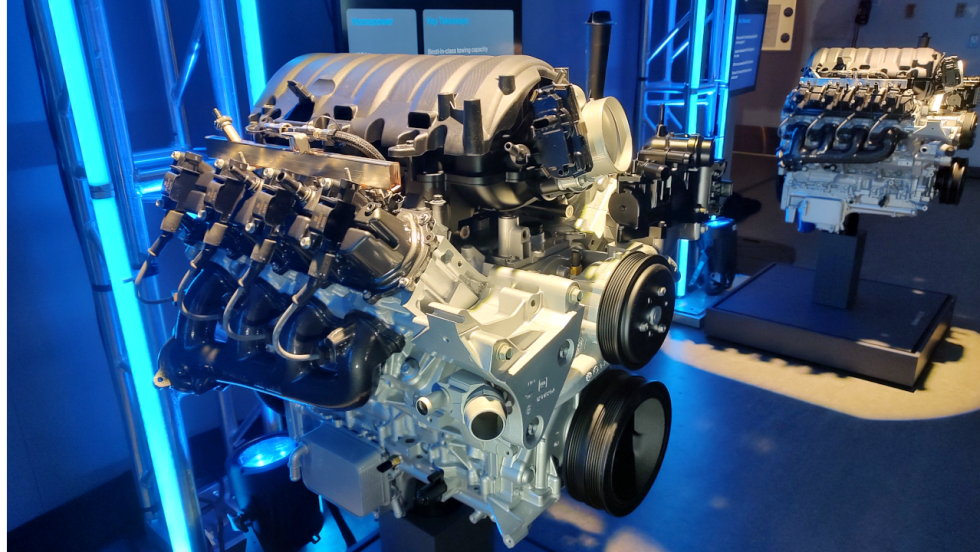
GM Unveils New Sixth-Generation Small Block Engines for 2027 Light-Duty Pickups
General Motors unveiled two new small-block engines, backed by extensive real-world validation and more than 70 years of small-block V8 manufacturing experience, as part of the engine portfolio for the 2027 Chevrolet Silverado 1500 and GMC Sierra 1500.
Read More →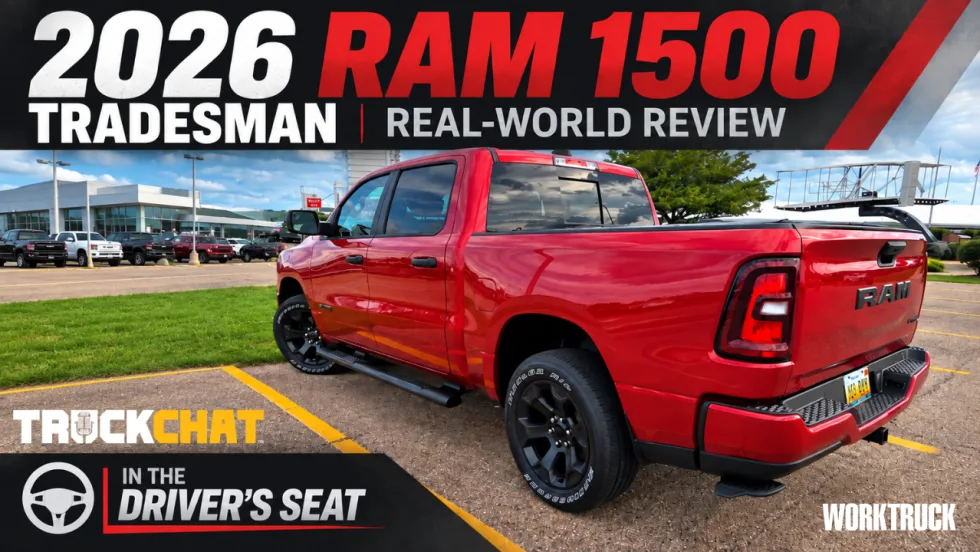
2026 Ram 1500 Tradesman Put to a Real-World Fleet Test
A few days behind the wheel of a 2026 Ram 1500 Tradesman turned into a test of visibility, parking, work-ready features, and even severe-weather driving.
Read More →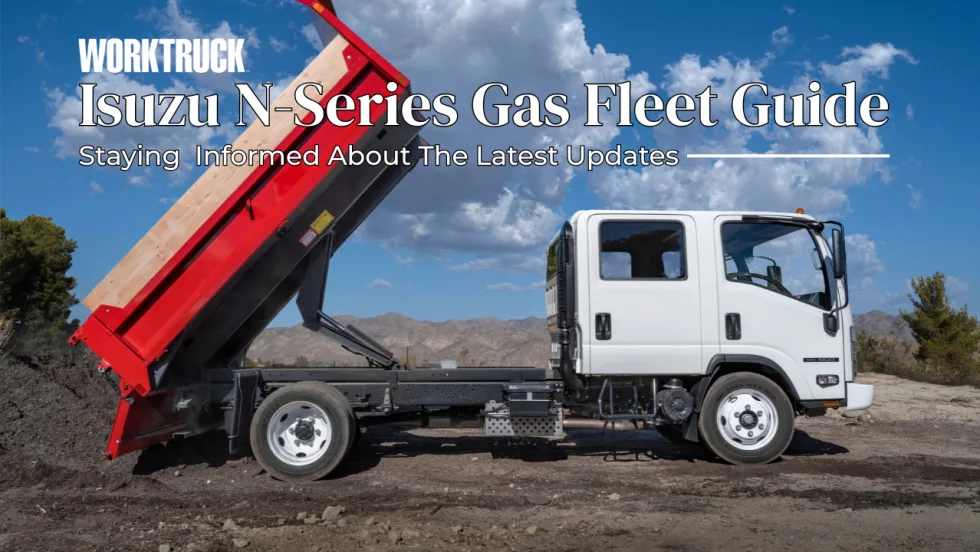
Isuzu N-Series Gas Fleet Guide: Specs, Capability and 2027 Model-Year Updates
Explore Isuzu Truck North America’s N-Series Gas fleet specs, engine performance, GVWR and payload capability, configurations, chassis dimensions, work-focused features, and 2027 model-year information.
Read More →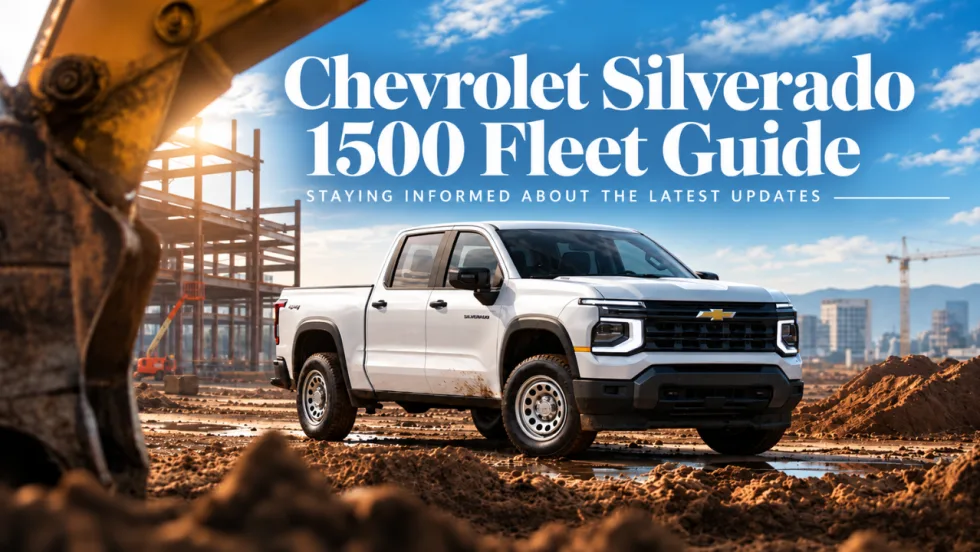
Chevrolet Silverado 1500 Fleet Guide Specs Capability and 2027 Model-Year Updates
The next-generation 2027 Chevrolet Silverado 1500 brings new V-8 engines, updated technology, expanded safety features, and a fleet-focused Work Truck. Here’s what commercial fleets need to know so far.
Read More →
Ram ProMaster City Fleet Guide Specs Cargo Capacity and 2027 Updates
Work Truck’s Ram ProMaster City Fleet Guide tracks the latest specifications, cargo capability, configurations, fleet technology, pricing, and model-year updates for Ram’s mid-size commercial van.
Read More →
Ford F-150 Fleet Guide Specs Capability and 2026 Model-Year Updates
Explore 2026 Ford F-150 fleet specs, engines, towing and payload capability, configurations, work features, technology, and model-year updates.
Read More →
TCI Now Sells & Supports Battle Motors’ Vocational Trucks
Midwest truck dealer Truck Centers, Inc. (TCI) has expanded its transportation solutions with sales and service support for Battle Motors’ heavy-duty vocational trucks at locations in locations in Indiana, Illinois, and Missouri
Read More →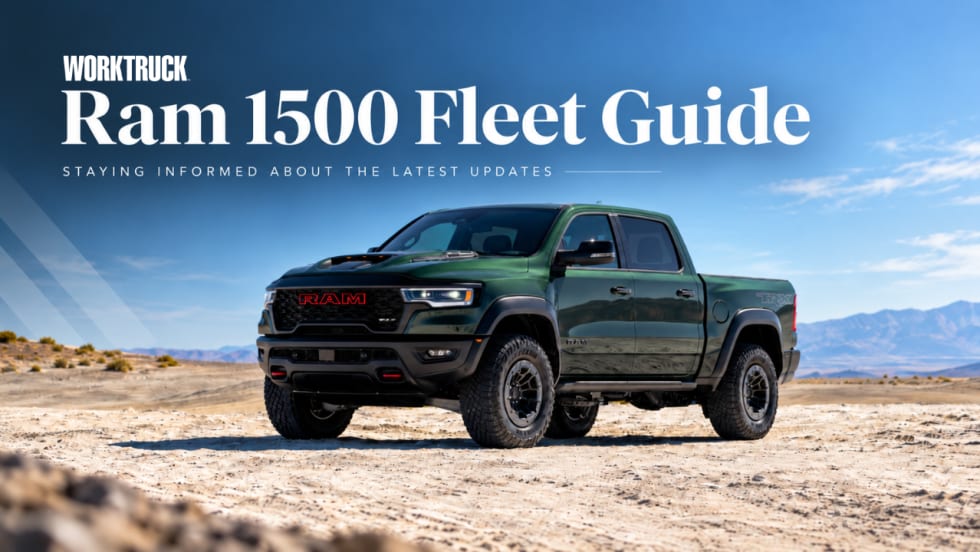
Ram 1500 Fleet Guide Specs, Capability and 2027 Model-Year Updates
Explore always up-to-date Ram 1500 fleet specs, engines, towing and payload capability, configurations, technology, pricing updates, and model-year changes.
Read More →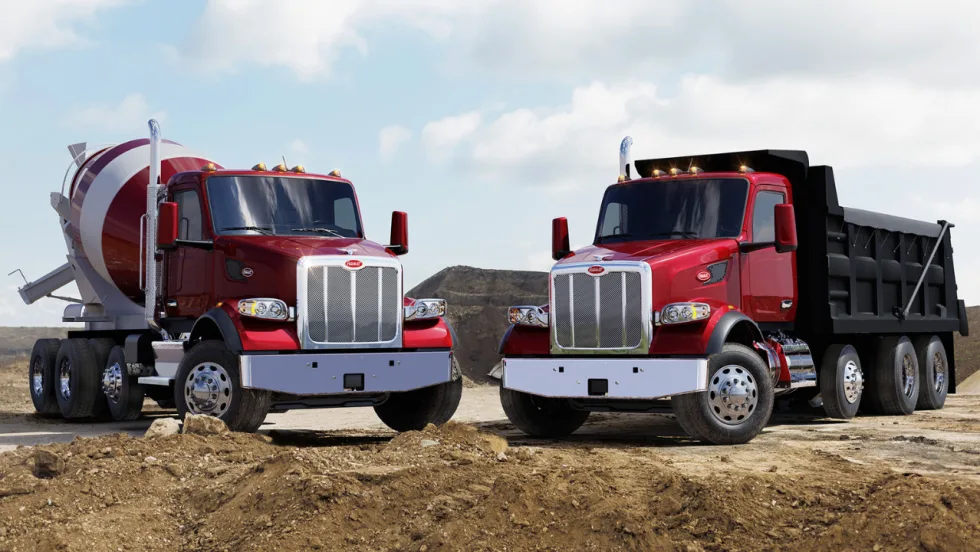
Peterbilt Trucks Equipped with Paccar TX-18 Pro Boost Efficiency for Maryland Fleet
Patuxent Companies is replacing aging trucks with the Peterbilt Model 567 and Model 589, specified with the Paccar TX-18 Pro 18-speed automated transmissions, and is reporting an 8% to 10% improvement in fuel economy.
Read More →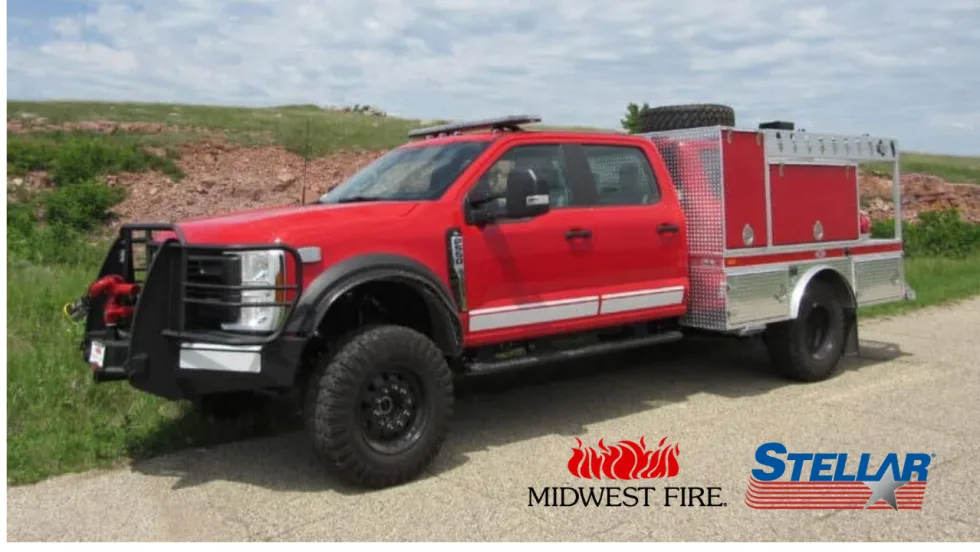
Stellar Expands into Fire Apparatus Market with Acquisition of Midwest Fire
Stellar Industries has acquired Midwest Fire, a custom fire apparatus manufacturer headquartered in Luverne, Minnesota, with nearly four decades of specialized apparatus experience.
Read More →