




Related: Tracking Advances in Powertrains
All Wheel Drive vs. Four Wheel Drive
There are benefits to both all-wheel-drive and four-wheel-drive systems. The decision, as to which system is best for you, should be based on your company’s geographical location and your fleet applications.
by Peter A. Salinas
September 1, 2017
All-wheel-drive vehicles make sense for drivers who demand safety and predictability in all driving conditions. Photo: ©istockphoto.com/AGrigorjeva
3 min to read

All-wheel-drive vehicles make sense for drivers who demand safety and predictability in all driving conditions. Photo: ©istockphoto.com/AGrigorjeva
Technology has enhanced both the traditional four-wheel-drive (4WD) and all-wheel-drive (AWD) systems so they hardly compare to those of just five model-years ago.
Whether a 4WD or AWD vehicle will be better for your fleet is based on your fleet applications and geographical location. Investing in vehicles with 4WD or AWD can not only improve performance in certain scenarios, but it also has the potential to improve driver safety.
Four-wheel-drive vehicles provide stellar performance in off-road situation and for towing purposes. AWD systems, on the other hand, make sense for drivers that demand safety and predictability in all driving conditions and get some snow, rain, and ice throughout the year.
However, if you operate an area that doesn’t get snow, lacks hills, or rugged terrain, you can probably live without 4WD or AWD and not notice any issues.
Planning on towing heavy payloads? Then consider a 4WD vehicle. Driving in an urban setting over sloppy roads, then consider an AWD vehicle.
Four-Wheeling (4WD)
Not too long ago the hallmark of 4WD was an output shaft from the transmission that powered the transfer case, which shared the engine power to the front and rear driveshafts. Selecting four-wheel drive high or low power involved turning a switch, flipping a lever, or hitting a button, which would engage a chain drive that would turn the front and rear driveshafts and pinions at the same speed. This would allow greater torque to move the vehicle over or through snow or gravel with more power and surefootedness.
These so-called “part-time” 4WD systems (part-time because the operator had to manually engage the front wheels) have had, and still do have their place.
Many 4WD vehicles today employ computers chips with smart algorithms embedded in them that make decisions for the driver. Higher ground clearances, larger wheels and tires, give these vehicles the ability to go just about anywhere safely, without damaging expensive systems.
There are trade-offs when choosing a 4WD vehicle, and the first is the weight. The systems are complex and robust, and use heavier metals for strength, reliability, and durability. Added weight, means lower fuel economy, an issue even computers and algorithms cannot address. Second is cost. For the same reasons as weight, costs are higher and so is the price for maintenance and repairs.
All-Wheel Drive (AWD)
By definition, an AWD vehicle has an “on-demand” feature that can send power to the non-primary powered wheels when necessary. While 4WD has been around for many decades, AWD is more of a newcomer.
Typically, the most basic systems are front-wheel drivetrains that have a differential inside the transmission that can send engine power through a shaft to a rear differential and to the rear wheels.
Once again, computer power has enhanced these systems, and sensors detect front wheel slips and can redirect more power to the front and/or rear wheels. Today’s crossovers and SUVs — many of which were derived from passenger car designs — are more readily adaptable to AWD systems.
While AWD doesn’t typically offer low-range gear settings for climbing rocks or sashaying up sand dunes, they do offer excellent traction on wet roads and in snow and ice conditions. Computers have significantly enhanced the reliability of AWD systems in almost any conditions.
Predictable stability is the goal for the AWD system. Today’s system relies far-more on computers and less on complicated machinery, so costs and repairs have come down in price considerably. Without the heavier metals and more robust systems, they do not negatively affect fuel economy.
Originally posted on Automotive Fleet
Subscribe to Our Newsletter
More Vehicle Research
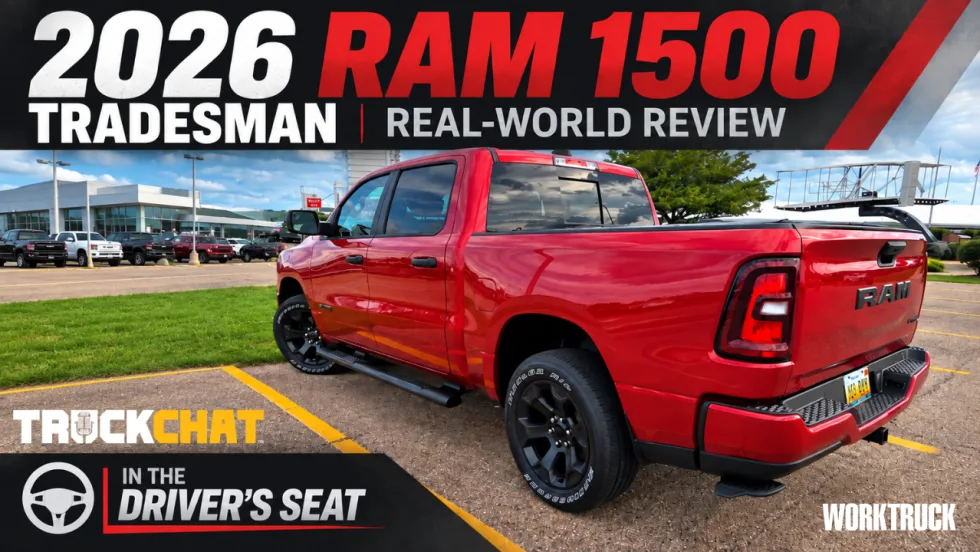
2026 Ram 1500 Tradesman Put to a Real-World Fleet Test
A few days behind the wheel of a 2026 Ram 1500 Tradesman turned into a test of visibility, parking, work-ready features, and even severe-weather driving.
Read More →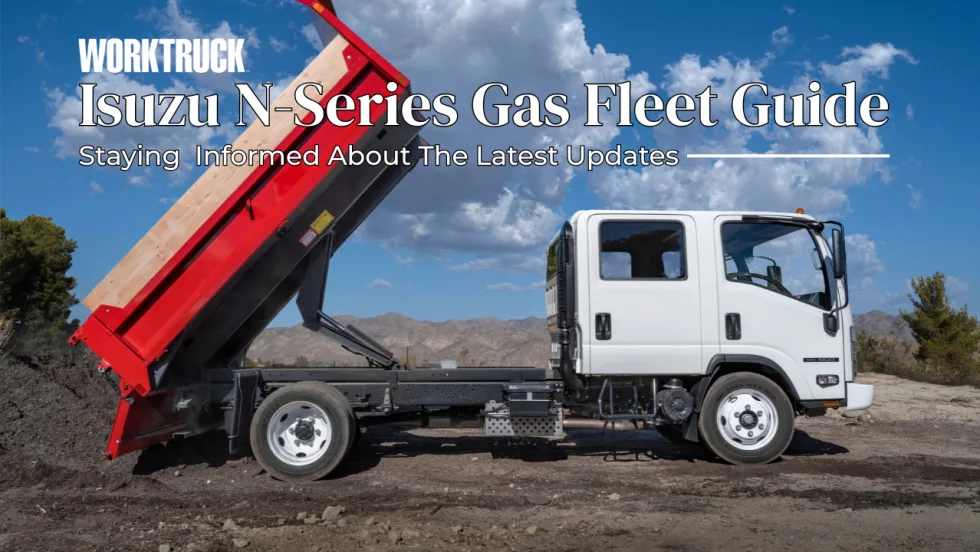
Isuzu N-Series Gas Fleet Guide: Specs, Capability and 2027 Model-Year Updates
Explore Isuzu Truck North America’s N-Series Gas fleet specs, engine performance, GVWR and payload capability, configurations, chassis dimensions, work-focused features, and 2027 model-year information.
Read More →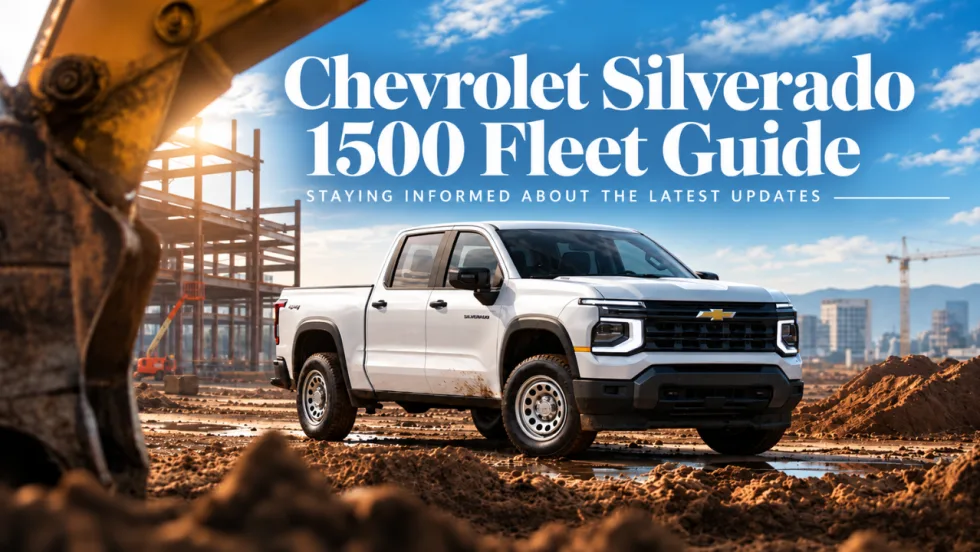
Chevrolet Silverado 1500 Fleet Guide Specs Capability and 2027 Model-Year Updates
The next-generation 2027 Chevrolet Silverado 1500 brings new V-8 engines, updated technology, expanded safety features, and a fleet-focused Work Truck. Here’s what commercial fleets need to know so far.
Read More →
Ram ProMaster City Fleet Guide Specs Cargo Capacity and 2027 Updates
Work Truck’s Ram ProMaster City Fleet Guide tracks the latest specifications, cargo capability, configurations, fleet technology, pricing, and model-year updates for Ram’s mid-size commercial van.
Read More →
Ford F-150 Fleet Guide Specs Capability and 2026 Model-Year Updates
Explore 2026 Ford F-150 fleet specs, engines, towing and payload capability, configurations, work features, technology, and model-year updates.
Read More →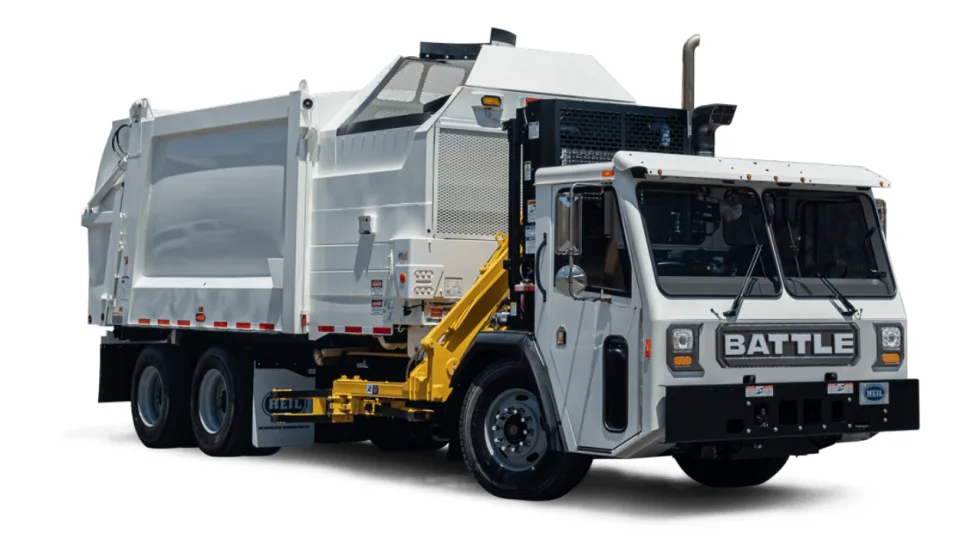
TCI Now Sells & Supports Battle Motors’ Vocational Trucks
Midwest truck dealer Truck Centers, Inc. (TCI) has expanded its transportation solutions with sales and service support for Battle Motors’ heavy-duty vocational trucks at locations in locations in Indiana, Illinois, and Missouri
Read More →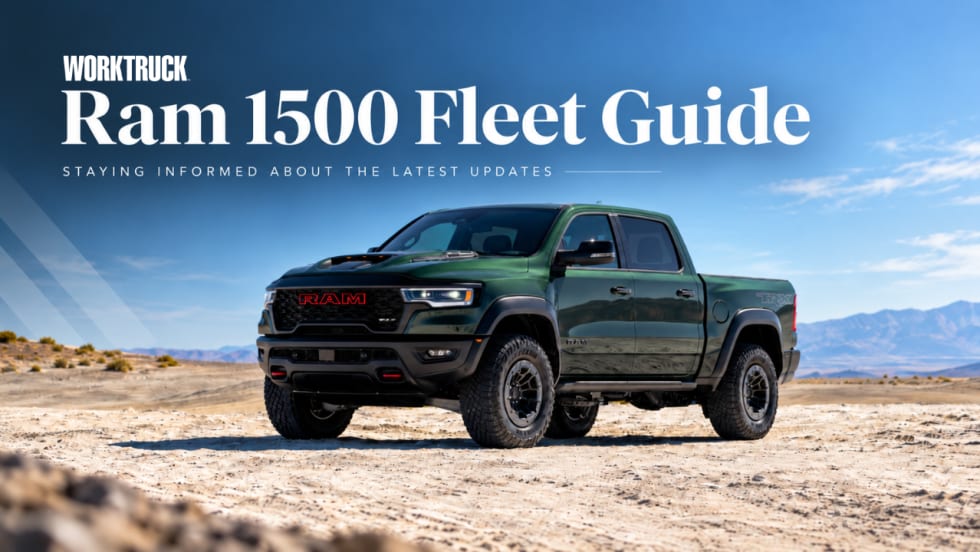
Ram 1500 Fleet Guide Specs, Capability and 2027 Model-Year Updates
Explore always up-to-date Ram 1500 fleet specs, engines, towing and payload capability, configurations, technology, pricing updates, and model-year changes.
Read More →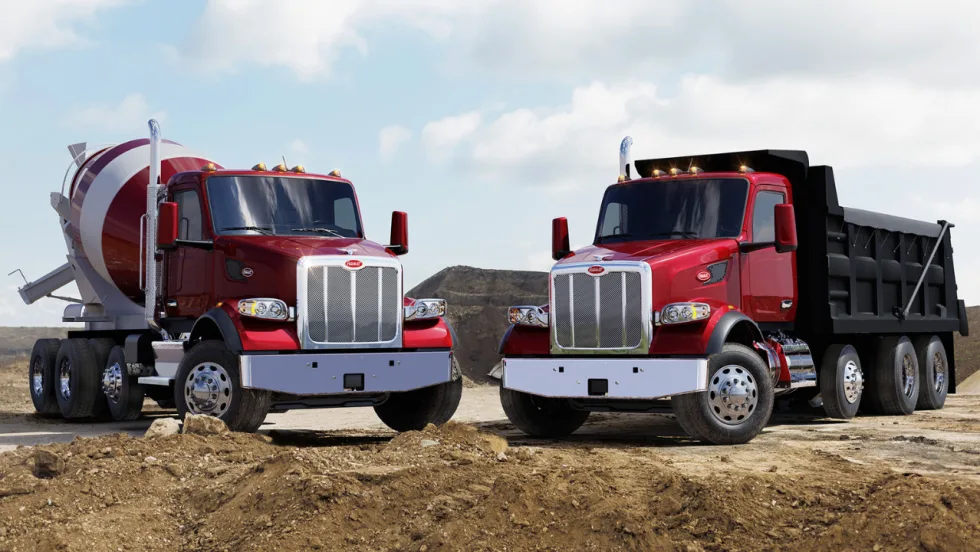
Peterbilt Trucks Equipped with Paccar TX-18 Pro Boost Efficiency for Maryland Fleet
Patuxent Companies is replacing aging trucks with the Peterbilt Model 567 and Model 589, specified with the Paccar TX-18 Pro 18-speed automated transmissions, and is reporting an 8% to 10% improvement in fuel economy.
Read More →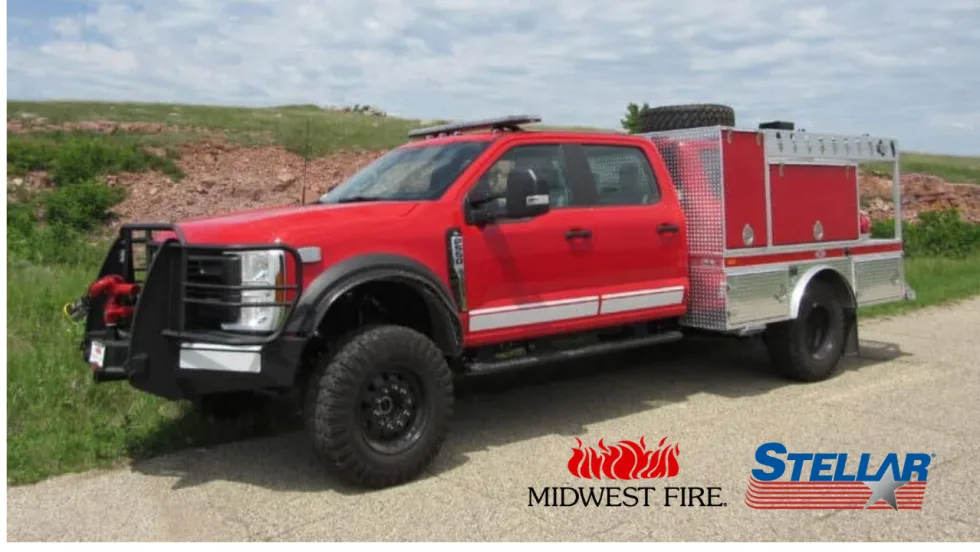
Stellar Expands into Fire Apparatus Market with Acquisition of Midwest Fire
Stellar Industries has acquired Midwest Fire, a custom fire apparatus manufacturer headquartered in Luverne, Minnesota, with nearly four decades of specialized apparatus experience.
Read More →
Recalls You Need to Know About in August 2026
If you have Altec, Chrysler, Ford, Heil, General Motors, International, Mack Trucks, Paccar, Rivian, Royal Truck, Toyota, US Truck Body, or Volvo Trucks vehicles in your fleet, you should check these important recalls issued by the National Highway Safety Administration.
Read More →